
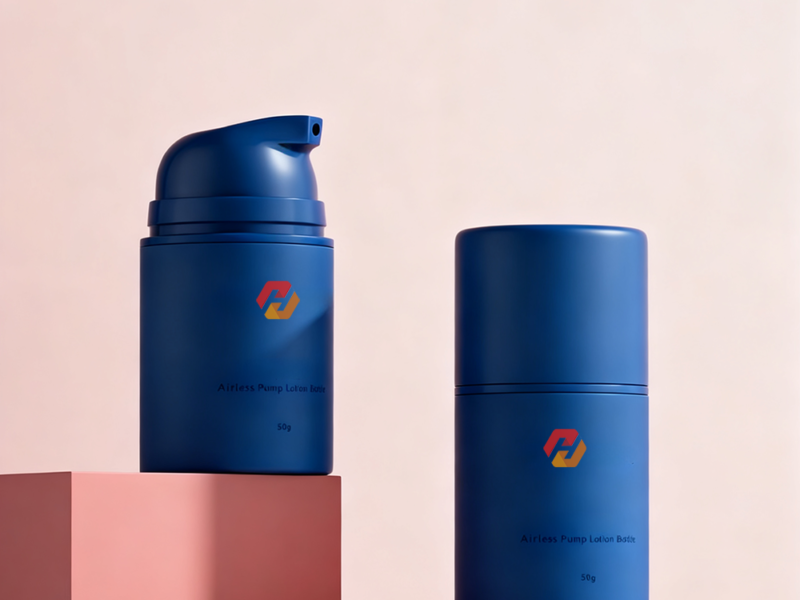
As a procurement specialist or product manager, your choice of packaging directly impacts brand reputation and sustainability goals. You are likely evaluating suppliers to find durable containers that can withstand multiple use cycles without failure. This guide investigates the critical technical criteria for selecting refillable pump bottles. I will help you assess material integrity, pump mechanics, and size specifications to ensure your product meets the demands of the circular economy.
Why Material Integrity Defines Refill Success
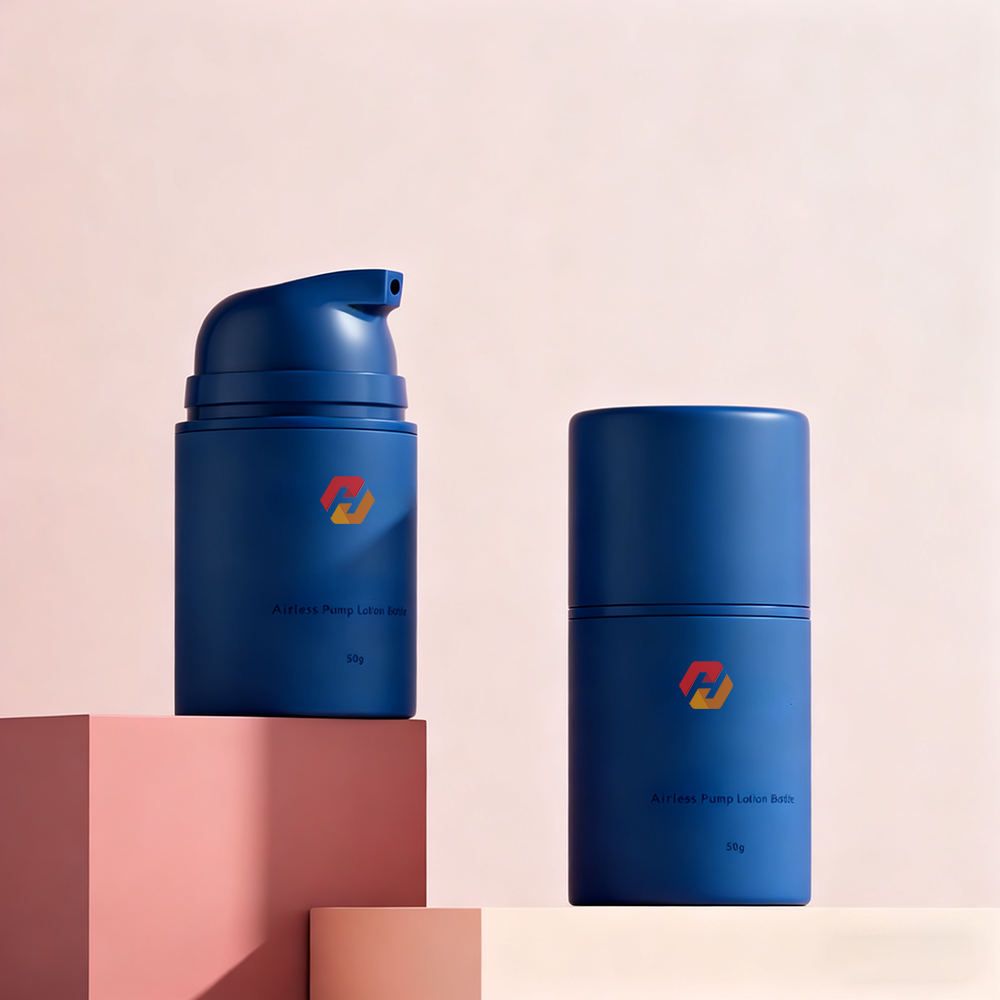
For a bottle to be truly refillable, the material must resist stress cracking and chemical degradation over time. Refillable pump bottles are subjected to more handling and cleaning than single-use counterparts. Therefore, selecting the right polymer is the first step in your investigation.
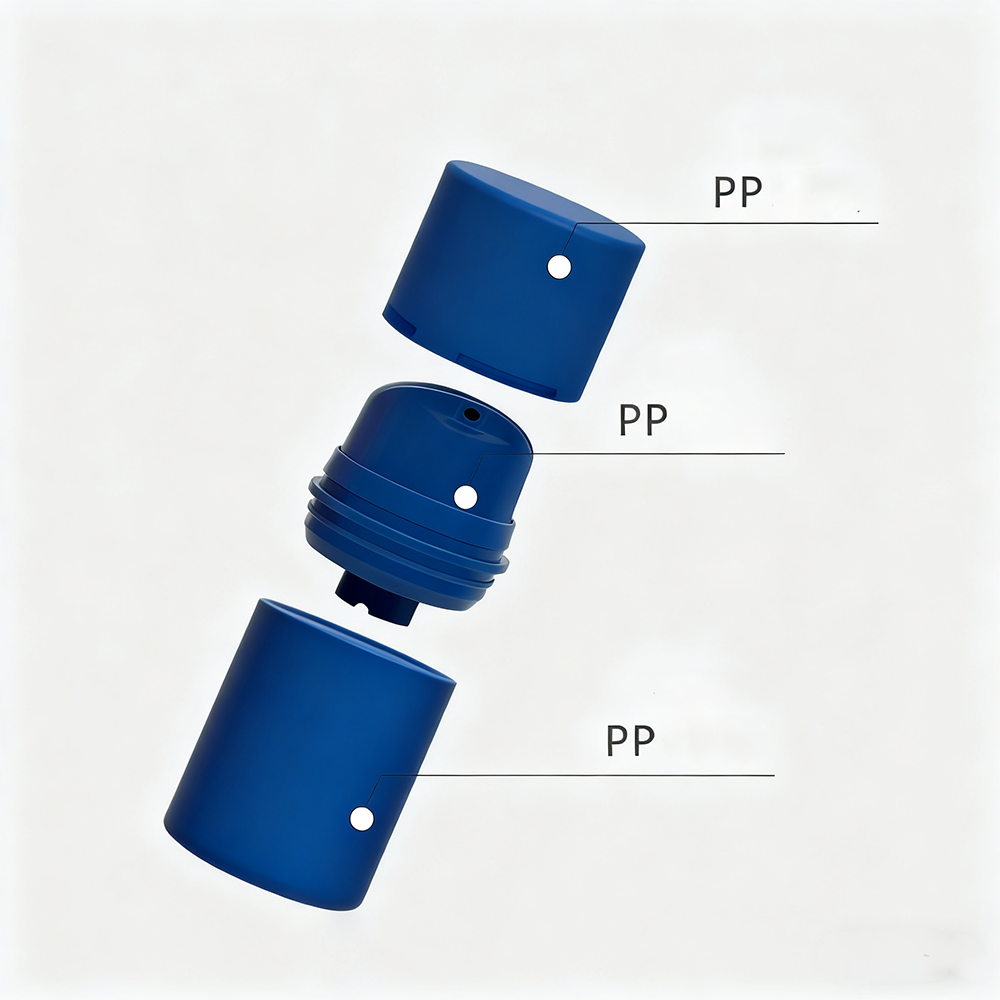
According to The Association of Plastic Recyclers, Polypropylene (PP) is a preferred material for rigid packaging due to its fatigue resistance. Unlike lower-grade plastics, PP does not easily whiten or crack when flexed or squeezed. This durability is essential for the longevity of refillable plastic bottles with pump mechanisms.
You must verify that your potential supplier uses high-density PP rather than cheaper blends. A bottle designed for reuse must maintain its structural integrity after exposure to hot water or sanitizing agents during the cleaning process. If the plastic degrades, the safety of the cosmetic or cleaning fluid inside is compromised.
Evaluating the Pump Mechanism for Longevity
The pump is the most complex component of the package and the most likely point of failure. A refillable plastic bottles with pump solution is useless if the actuator jams or the spring corrodes after the first refill.
In a B2B context, you need to ask suppliers about the spring material and the “number of actuations” the pump is rated for. Standard pumps may last 3,000 presses, but a refillable system should target significantly higher benchmarks.
I advise sourcing pumps that feature an external spring design. This ensures the metal spring does not come into direct contact with the liquid product. This prevents rust and contamination, which is a non-negotiable requirement for high-end personal care products.
Strategic Sizing: The Demand for Small Formats
While bulk sizes exist, there is a specific, growing demand for small refillable plastic bottles. Market data suggests that 200ml and smaller formats are crucial for travel kits and high-value serum trial sets.
A refill plastic bottle 200ml size offers a balance between portability and volume. It is large enough to hold a substantial amount of product but small enough to be TSA-compliant or fit in compact bathroom storage.
When sourcing these smaller sizes, attention to the neck finish is vital. A wider neck finish on a small bottle facilitates easier refilling by the consumer. If the neck is too narrow, the user experience suffers, defeating the purpose of a refillable system.
How to Audit Supplier Quality Standards
Once you have identified the material and size requirements, you must validate the manufacturing standards.
ISO 18603 outlines the requirements for packaging reuse, emphasizing that the system must support the intended number of trips or rotations. You should ask your manufacturer if their refillable pump bottles are tested against these types of reuse standards.
Check the wall thickness of the bottle samples. A “heavy wall” construction typically indicates a bottle designed for long-term use rather than single-use disposal. Thin walls will dent during the refill process, leading to consumer frustration.
Selecting the Right Partner for Refillable Packaging
Choosing a supplier is not just about the lowest unit price; it is about finding a partner who understands the engineering behind reuse. You need a manufacturer that combines robust PP materials with precision-engineered pumps.
When evaluating your options, prioritize suppliers who are transparent about their material specifications and testing protocols. Look for vendors who specialize in durable cosmetic packaging rather than generic industrial containers.
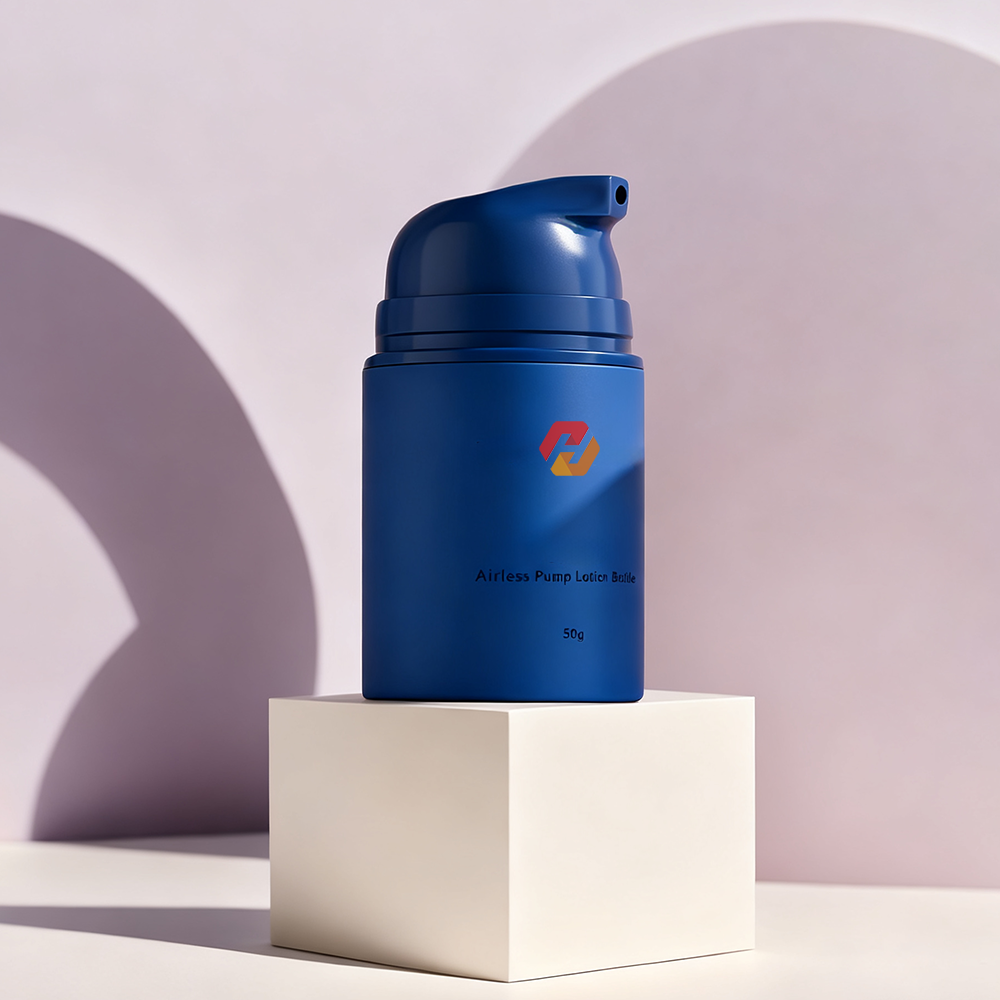
If you are currently sourcing high-quality packaging, I suggest examining the specifications of the Lotion Pump Bottle Refillable PP Bottles. This specific product line demonstrates the robust wall construction and durable pump mechanisms discussed above. It serves as an excellent benchmark for what a professional-grade refillable solution should look like.
Summary
To secure reliable refillable pump bottles, prioritize Polypropylene (PP) for its chemical resistance and durability. rigorous pump testing and appropriate sizing, such as the refill plastic bottle 200ml, are critical for user satisfaction. Always audit suppliers against reuse standards to ensure the product supports a sustainable lifecycle.
FAQ
Q1: What is the best material for refillable pump bottles?
A: Polypropylene (PP) is the superior choice due to its high chemical resistance, durability against fatigue, and safety for various cosmetic formulas.
Q2: How do I know if a refillable plastic bottles with pump is durable enough?
A: You should request data on the pump’s “actuation life” and check if the bottle has a heavy-wall construction to prevent denting during reuse.
Q3: Why are small refillable plastic bottles often preferred for B2B cosmetic lines?
A: Smaller sizes, particularly around 200ml, cater to the travel market and lower the entry price point for consumers trying premium products.
Q4: Can I recycle refillable pump bottles after their lifespan ends?
A: Yes, most PP bottles are fully recyclable (Code 5), provided the pump mechanism (often mixed materials) is separated according to local recycling guidelines.
Reference Sources
Ellen MacArthur Foundation – Reuse – Rethinking Packaging
https://www.ellenmacarthurfoundation.org/
International Organization for Standardization (ISO) – ISO 18603: Packaging and the environment
https://www.iso.org/
The Association of Plastic Recyclers – APR Design® Guide for Plastics
https://plasticsrecycling.org/