
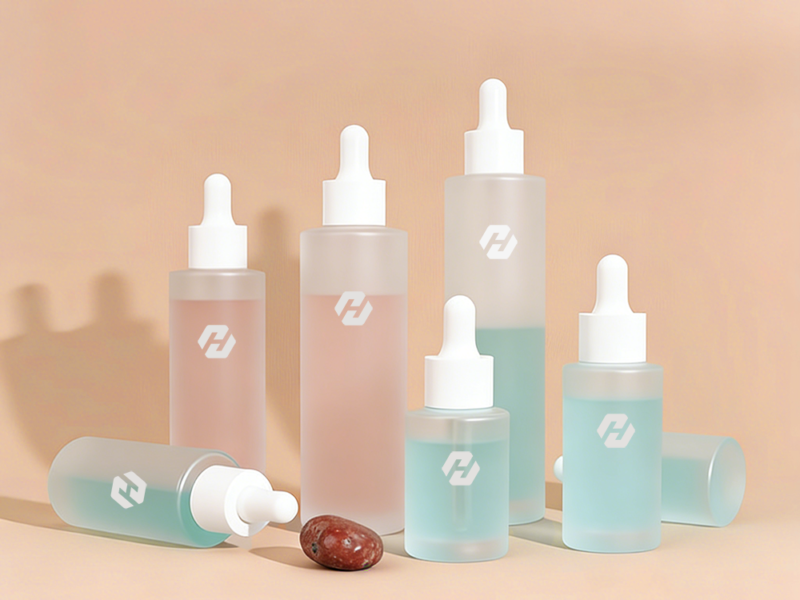
When I consult with cosmetic and pharmaceutical brands, the first hurdle we often face is packaging integrity. You are likely looking for glass dropper bottles that protect your formula while maintaining a premium aesthetic. However, the market is flooded with varying quality levels, making it difficult to distinguish between reliable suppliers and high-risk vendors. As a B2B buyer, you need more than just a low price; you need consistency and compliance. This guide explores the technical criteria required to vet manufacturers and secure your supply chain.
Understanding Glass Classification and Chemical Compatibility

The most critical aspect of selecting packaging is ensuring the material does not react with your product. Glass dropper bottles are not all made equal. According to the United States Pharmacopeia (USP), glass is categorized by its hydrolytic resistance. For most cosmetic serums and essential oils, you must determine if the supplier is offering Type I (borosilicate) or Type III (soda-lime) glass.
Type III glass is the standard for most cosmetic applications. It offers sufficient chemical stability for oils and topical solutions. However, if your product is highly acidic or sensitive to pH shifts, you may require the higher resistance of Type I glass. Failure to select the right glass type can lead to “delamination,” where microscopic glass flakes leach into your liquid.
I always advise clients to request technical data sheets confirming the glass composition. A reliable manufacturer will transparently state whether their glass dropper bottles wholesale options are treated soda-lime or borosilicate. This verification step prevents costly recalls later in your product lifecycle.
Evaluating 10ml Glass Dropper Bottles China Manufacturers
China is the global hub for glass packaging, but quality control varies significantly between factories. When sourcing 10ml glass dropper bottles China, you must look beyond the bottle itself and focus on the closure system. The neck finish is where most failures occur.
Precision in Neck Molding
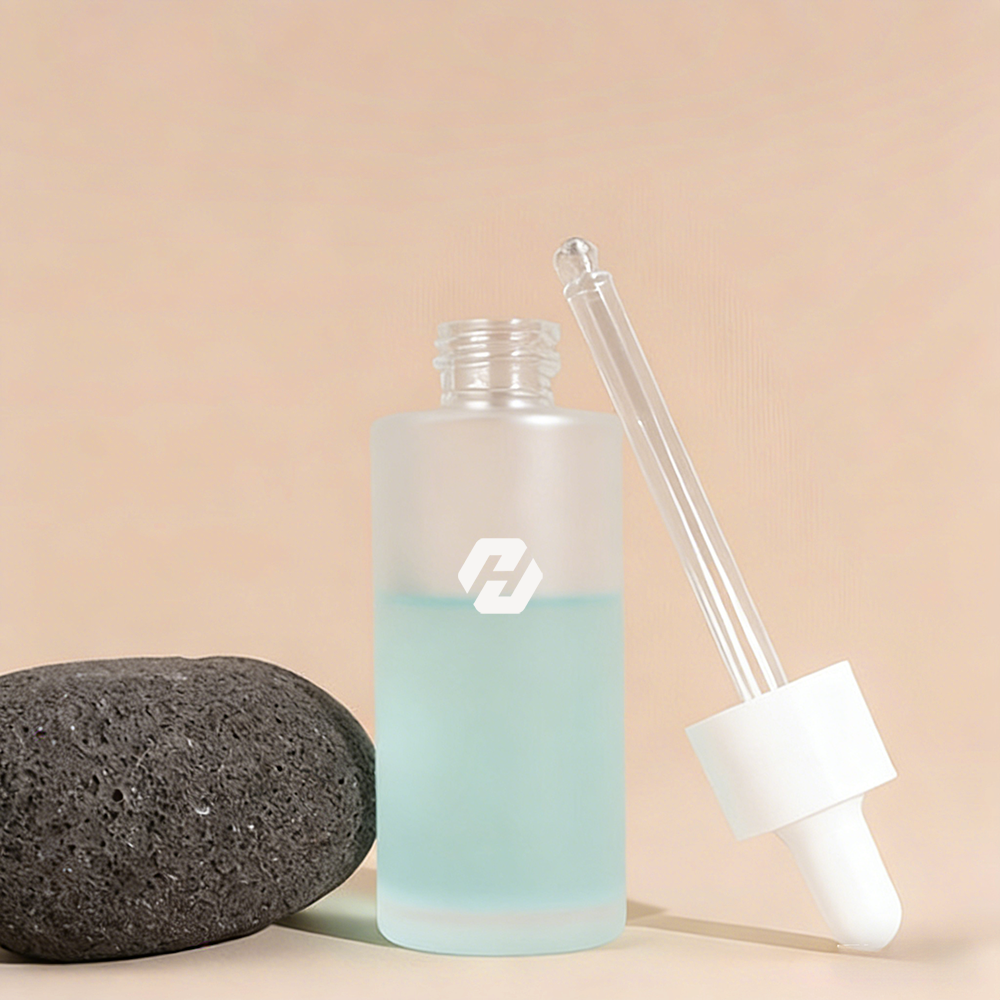
A common issue in mass manufacturing is inconsistent neck dimensions. If the bottle neck varies by even a fraction of a millimeter, the dropper cap will not seal correctly. This leads to leakage during transit or evaporation of volatile compounds.
International Organization for Standardization (ISO) norms, such as ISO 15378, outline requirements for primary packaging materials for medicinal products. While not all cosmetic bottles need medical-grade certification, the manufacturing facility should follow similar Quality Management Systems (QMS). I recommend asking suppliers for their defect rate (AQL) regarding neck dimensions. A professional supplier will have automated inspection protocols to reject imperfect molds before they are packed.
Surface Treatment Durability
Many brands request painted, frosted, or metallized finishes. The challenge here is adhesion. I have seen batches where the paint scratches off during filling or labeling. You must verify that the manufacturer uses high-quality curing processes.
Key Factors in Glass Dropper Bottles Wholesale Logistics
Once you validate the physical quality, you must assess the logistics of buying glass dropper bottles wholesale. Shipping glass is risky. The breakage rate is a direct reflection of the supplier’s packaging standards.
Palletization and Partitioning
Never accept loose-packed glass for international shipments. Glass dropper bottles should be packed in partitioned cartons or shrink-wrapped on trays to prevent glass-on-glass contact. The Glass Packaging Institute emphasizes the importance of proper handling to maintain the structural integrity of the container.
Minimum Order Quantities (MOQ) and Scalability
B2B buyers often struggle with balancing inventory costs and unit prices. Some factories demand MOQs of 50,000 units, while others offer flexibility. However, flexibility should not come at the cost of consistency. Ensure your supplier can scale with you. A vendor that handles 10ml glass dropper bottles China production must demonstrate they can replicate the exact color and mold specification across multiple production runs over several years.
How to Validate Your Packaging Supplier
Choosing a supplier is about risk management. You need a partner who understands both the technical constraints of glass manufacturing and the aesthetic demands of your brand. When I evaluate a potential partner, I look for their ability to provide comprehensive customization support alongside robust quality assurance.
You should assess whether the supplier offers a “one-stop” solution that includes matching compatible pipettes and teats. Mismatched components are the number one cause of product leakage. Furthermore, does the supplier offer clear samples for compatibility testing?
If you are currently vetting suppliers for high-quality packaging, you need to examine their product range and customization capabilities closely. For a detailed look at specific specifications and customization options, you can check this 10ml glass dropper bottles china resource. This will help you understand the baseline standards for premium glass packaging.
Conclusion
Securing the right glass dropper bottles requires technical vigilance regarding glass types and mold precision. Whether you are sourcing locally or evaluating 10ml glass dropper bottles China options, success depends on strict quality control and logistical planning. By focusing on verifiable standards like USP glass classifications and ISO-aligned manufacturing, you protect your brand’s reputation.
FAQ
Q1: What is the difference between Type I and Type III glass for dropper bottles?
Type I is borosilicate glass with high chemical resistance and heat tolerance, ideal for sensitive pharmaceuticals. Type III is soda-lime glass, which is standard for cosmetics and general oils.
Q2: Why do my glass dropper bottles leak during shipping?
Leakage usually occurs due to a mismatch between the bottle neck finish and the dropper cap thread. It can also result from inconsistent molding where the sealing surface is not perfectly flat.
Q3: What is the standard neck size for a 10ml glass dropper bottle?
The most common neck size for a 10ml bottle is DIN 18 (18mm) or 18/410. You must ensure your dropper cap matches this specific measurement exactly.
Q4: How can I ensure the painted finish on my bottles won’t scratch?
Ask your supplier about their curing process and request an adhesion test (often called a tape test) on pre-shipment samples to verify durability.
Reference Sources
United States Pharmacopeia (USP) – USP General Chapter <660> Containers – Glass
International Organization for Standardization (ISO) – ISO 15378:2017 Primary packaging materials for medicinal products
Glass Packaging Institute (GPI) – Glass Container Design & Specifications