
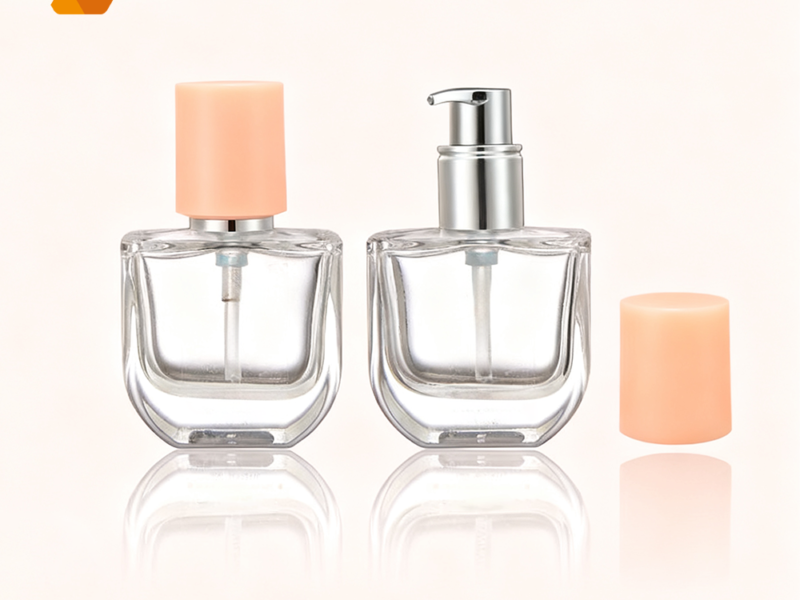
As a product developer or procurement manager, your primary goal is protecting the formula’s integrity. You know that exposure to air can degrade active ingredients in serums and lotions rapidly. Wholesale airless pump bottles are not just containers; they are a critical component of your product’s shelf life strategy.
Finding a reliable supplier involves more than comparing price sheets. You must evaluate the mechanism’s reliability, material compatibility, and customization capabilities. I will guide you through the technical criteria needed to select the right packaging partner for your business.
Why Prioritize 30ml Airless Pump Bottle Wholesale Options?
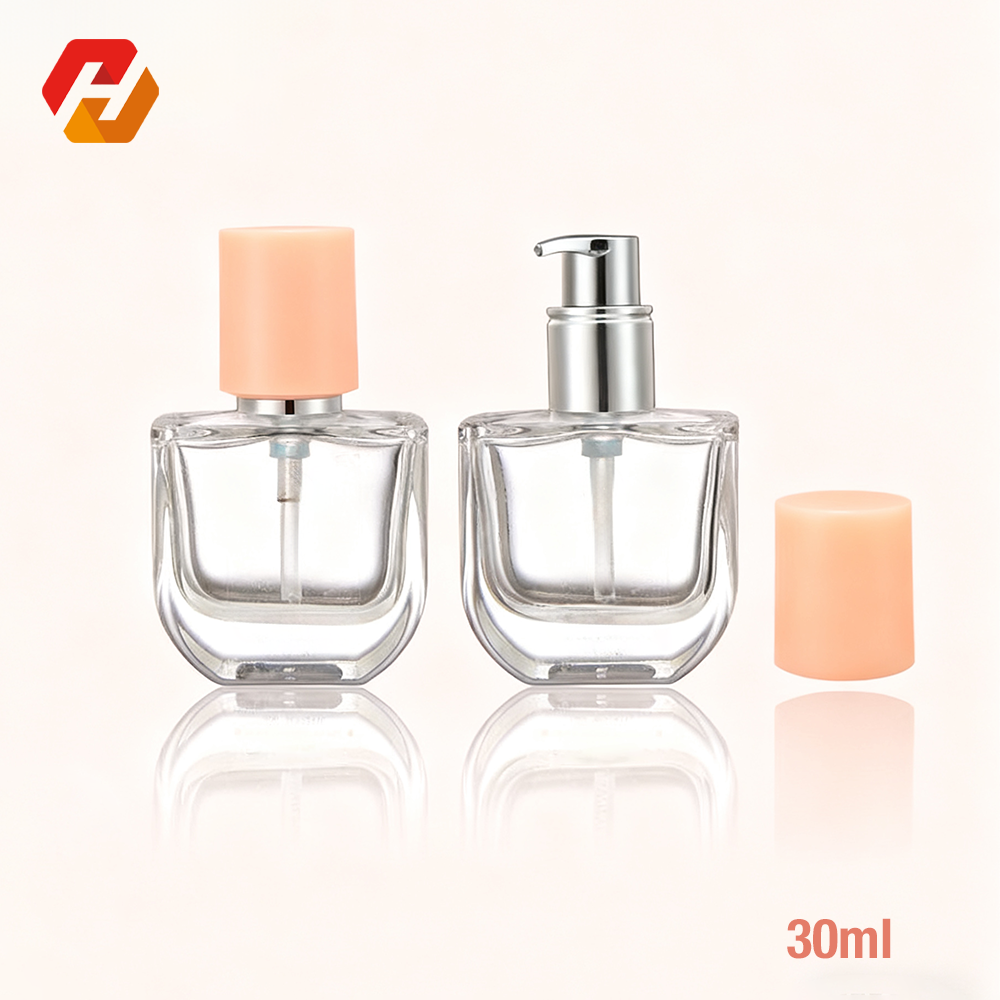
The 30ml size acts as the industry standard for high-value cosmetic treatments. When sourcing 30ml airless pump bottle wholesale supplies, you are targeting the sweet spot for serums, foundations, and eye creams. This volume balances consumer perceived value with a compact, travel-friendly form factor.
Precise Dosage Control
Airless systems differ significantly from dip-tube mechanisms. They utilize a vacuum effect to dispense product. This ensures that the consumer receives a consistent dosage, usually between 0.2ml and 0.5ml per pump. This precision is vital for concentrated formulas where over-application can be wasteful.
Minimizing Product Waste
Standard pump bottles often leave up to 15% of the product stuck at the bottom. A high-quality 30ml airless unit uses a rising piston. This piston pushes nearly 99% of the contents out. Your customers will appreciate the efficiency and value this mechanism provides.
Evaluating a Custom PP Airless Lotion Pump Bottle Wholesaler
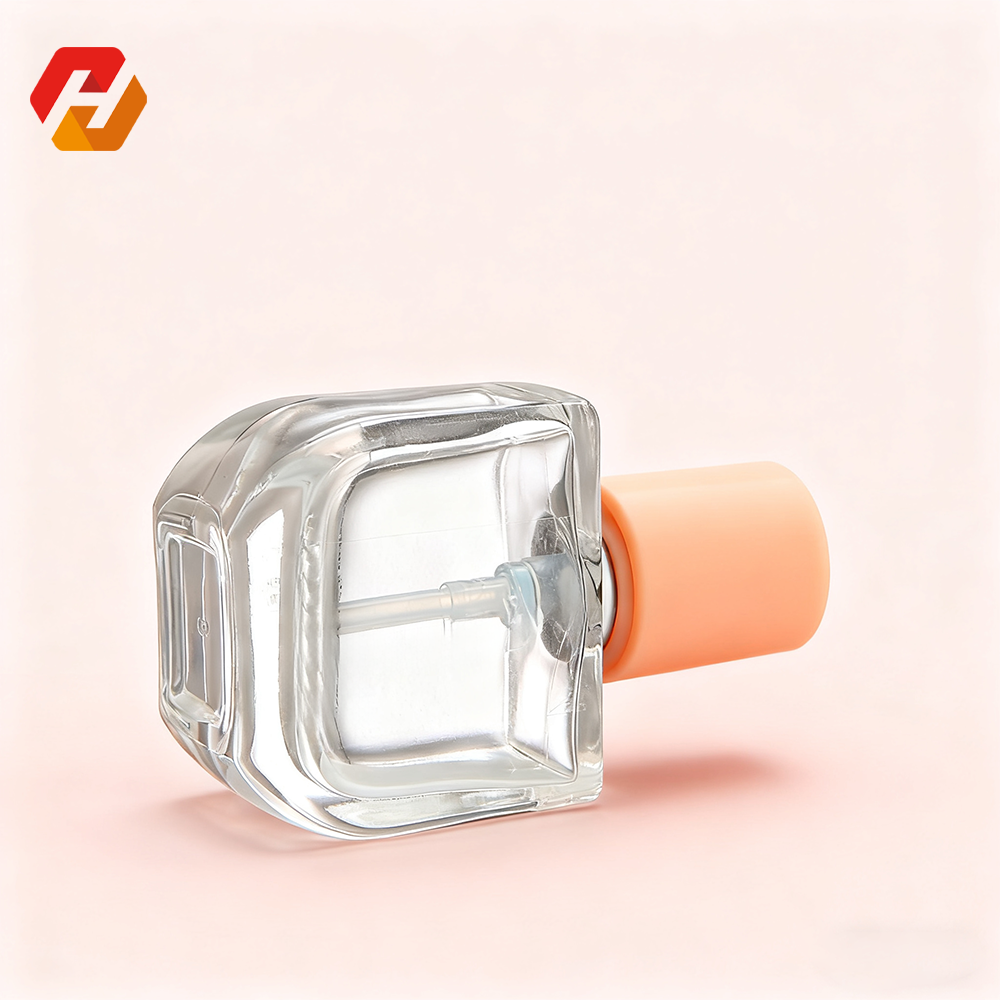
Material selection is the most critical safety decision you will make. You should prioritize working with a custom pp airless lotion pump bottle wholesaler. Polypropylene (PP) offers specific advantages over other plastics like acrylic or PET for specific formulations.
Chemical Resistance and Safety
PP is widely recognized for its high chemical resistance. According to general safety principles outlined by the U.S. Food and Drug Administration (FDA) regarding food contact substances (often used as a benchmark for cosmetic safety), PP is non-reactive. It does not leach harmful chemicals into your product. This stability is essential for active ingredients like Retinol or Vitamin C.
Recyclability and Sustainability
Sustainability is a major concern for modern B2B buyers. The Association of Plastic Recyclers (APR) identifies Polypropylene as a widely recyclable resin. By choosing a mono-material PP bottle, you simplify the recycling process for the end consumer. Complex multi-material packs often end up in landfills. I recommend verifying that your supplier offers pure PP options without metal springs touching the product.
The Technical Mechanics of Airless Systems
Understanding how the bottle functions helps you spot potential defects during sampling. The core mechanism relies on a non-pressurized vacuum system.
The Piston Mechanism
Most airless bottles use a disc piston located at the base. As the pump is actuated, the piston moves upward. This movement requires a perfect fit between the piston and the bottle wall. If the gap is too wide, the product leaks. If it is too tight, the piston jams.
Quality Assurance Standards
You must demand consistency. International standards, such as those from the International Organization for Standardization (ISO), provide frameworks for quality management (like ISO 9001). While not every bottle is individually certified, a manufacturer adhering to these protocols ensures that the tolerance levels of the piston and pump engine remain consistent across large batches. This reduces the risk of functional failure after filling.
How to Assess Transparent Packaging Solutions
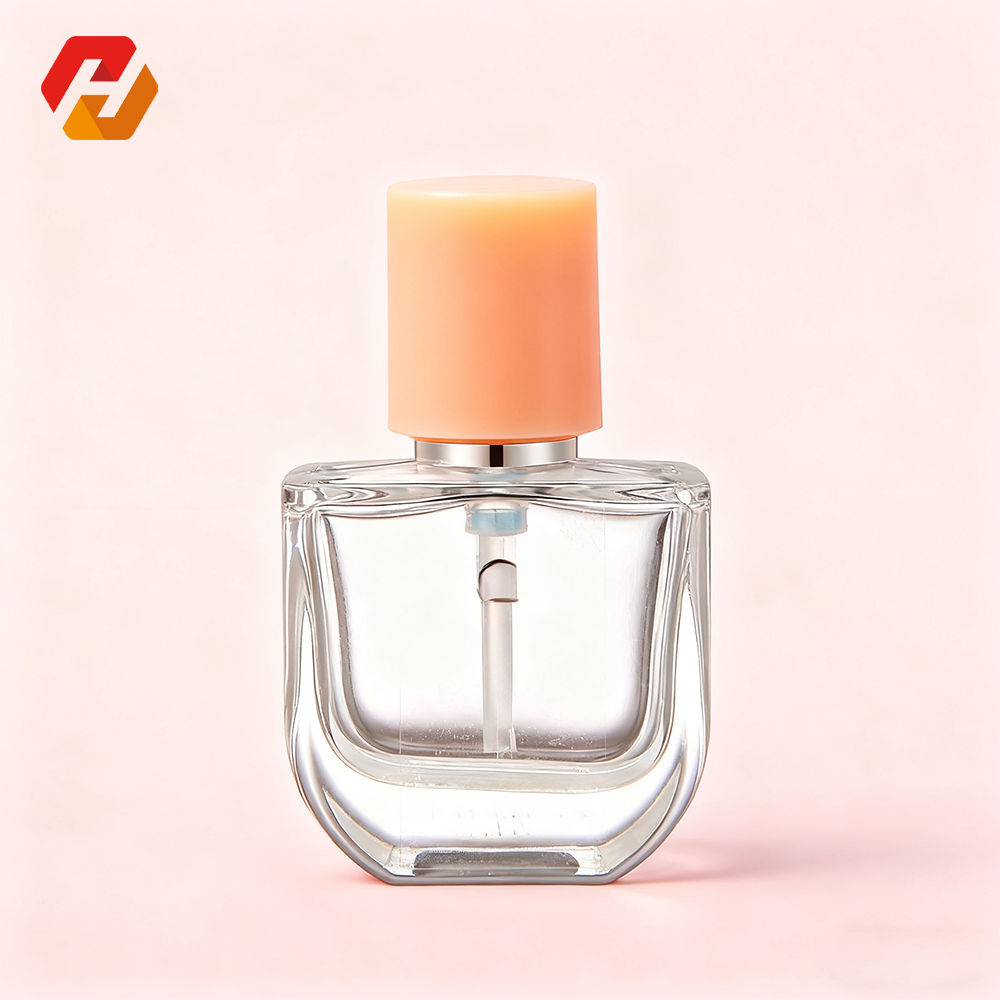
Transparency in packaging serves a dual purpose. It allows your manufacturing team to inspect fill levels easily, and it builds trust with consumers who want to see the product.
Judging Clarity and Wall Integrity
When evaluating transparent airless options, look for “flow lines” or haziness in the plastic. High-quality manufacturing produces a crystal-clear finish that mimics glass but retains the durability of plastic.
Verifying the Supplier’s Portfolio
Before finalizing a bulk order, request samples to test compatibility with your specific formula’s viscosity. You need to ensure the pump engine can handle your product’s thickness without priming issues.
For those investigating high-clarity options, you can review specific specifications on Wholesale Transparent Airless Pump Bottles. Examining the technical details on this page will help you understand the dimensions and material grades available for immediate integration into your production line.
Summary
Selecting the right wholesale airless pump bottles requires a balance of mechanical precision and material safety. By focusing on PP materials for chemical resistance and ensuring the piston mechanism meets tight tolerance standards, you protect your brand’s reputation. Always test samples with your actual formula to verify pump performance before committing to volume production.
FAQ
Q: What is the minimum viscosity required for airless pump bottles?
A: Airless pumps generally work best with medium-to-high viscosity products like lotions and serums, typically ranging from 1,000 to 50,000 centipoise.
Q: Can airless bottles be refilled by the consumer?
A: Most standard airless bottles are designed as single-use systems to maintain the vacuum seal, though some specialized refillable models exist.
Q: Why do some airless bottles fail to pump initially?
A: Failure usually occurs if air pockets are trapped during filling or if the product is too thick to allow the initial vacuum to form.
Q: Are PP airless bottles BPA-free?
A: Yes, Polypropylene (PP) is naturally BPA-free, making it a safe choice for cosmetic and personal care packaging.
Reference Sources
U.S. Food and Drug Administration (FDA) – Packaging & Food Contact Substances (General safety principles applicable to packaging materials)
The Association of Plastic Recyclers (APR) – APR Design® Guide for Plastics Recyclability (Polypropylene guidelines)
International Organization for Standardization (ISO) – ISO 9000 Family (Quality Management)