
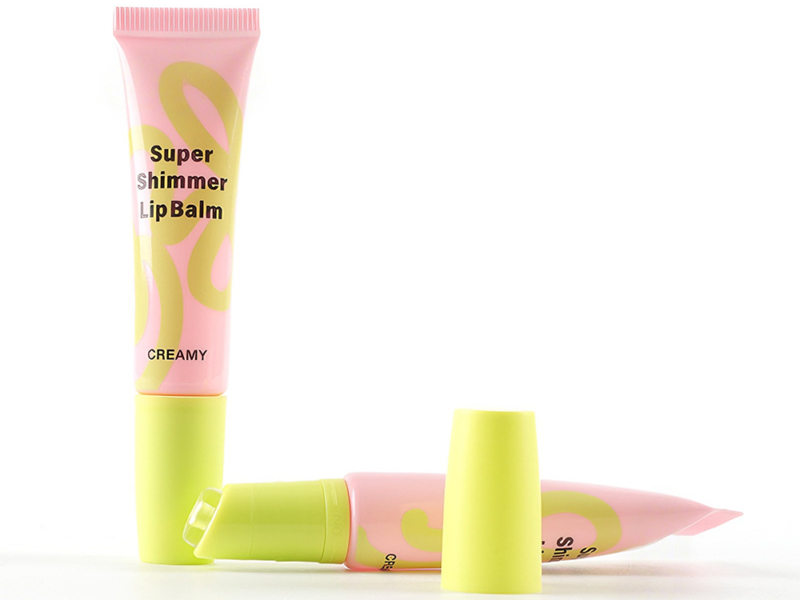
Finding the perfect packaging is often the most stressful part of launching a cosmetic line. You are not just looking for a container; you are looking for brand protection. A leaking tube or a faulty applicator can ruin the reputation of an excellent formula instantly. As a professional in the packaging industry, I know that sourcing lip gloss tubes requires technical diligence. This guide helps you navigate materials, manufacturing standards, and customization options. My goal is to help you secure a supply chain that protects your product and your bottom line.
Material Compatibility and Safety Standards
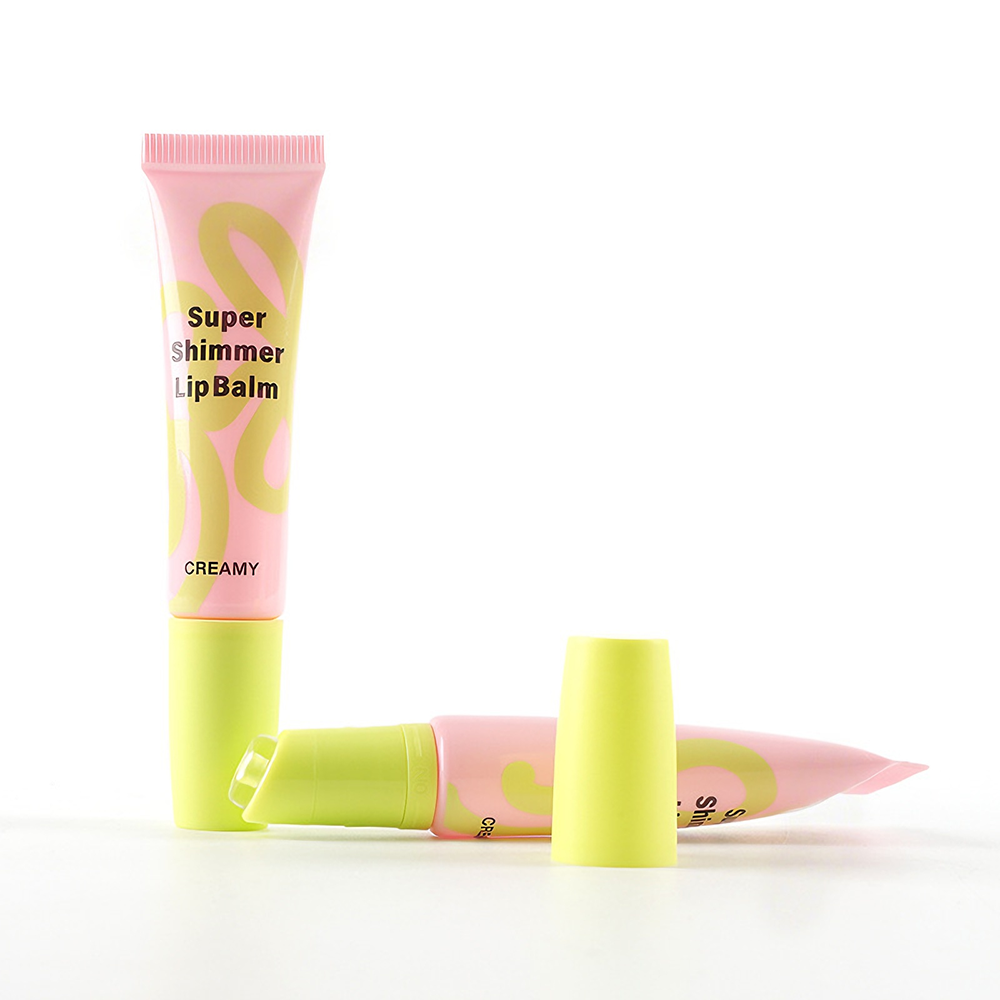
The first decision in your sourcing process must be material selection. The plastic used in your lip gloss tubes interacts directly with your chemical formula. If the material is incompatible, your product may degrade, change color, or separate over time.
Most standard gloss packaging uses Polyethylene (PE) or Polypropylene (PP). According to the U.S. Food and Drug Administration (FDA), packaging materials must not transmit harmful substances to the product. For viscous lip products, Low-Density Polyethylene (LDPE) is often preferred for squeezable tubes. It offers flexibility without compromising the barrier against contaminants.
However, rigid vials usually utilize Polyethylene Terephthalate (PET) or Styrene Acrylonitrile (SAN). These offer glass-like clarity, allowing consumers to see the pigment. When evaluating lip gloss tube vendors, you must ask for material data sheets. You need to verify that the resin used is cosmetic-grade. Using non-compliant plastics can lead to regulatory issues in markets like the EU or USA. Always test your formula with the specific plastic samples before placing a bulk order.
Evaluating Applicator Mechanisms and Functionality
A lip gloss tube is a system, not just a bottle. The interaction between the wand, the wiper, and the bottle neck defines the user experience. A poor mechanism leads to messy application or leaking pockets.

The Wiper System
The wiper is the small insert inside the neck of the tube. It controls how much product stays on the applicator. If the wiper is too loose, the wand pulls out too much gloop. If it is too tight, the wand comes out dry. You must match the wiper orifice diameter to your formula’s viscosity.
Applicator Types
Different formulations require specific tips.
- Doe Foot: The industry standard for creamy glosses.
- Brush Tip: Better for thin, oil-based formulas or nail treatments.
- Roller Ball: Ideal for very thin, non-sticky oils.
When you contact a custom lip gloss tubes manufacturer, request distinct samples of these mechanisms. ISO 22715 standards regarding cosmetic packaging functionality suggest that the closure must prevent unintentional leakage. I always advise stress-testing the closure mechanism. Ensure the cap threads engage fully to prevent the “back-off” phenomenon during shipping.
Navigating Wholesale and Customization Options
Once technical specifications are met, you must focus on branding and logistics. Sourcing lip gloss tubes wholesale is a balance between Minimum Order Quantities (MOQs) and decoration capabilities.
Decoration Techniques
To stand out, off-the-shelf components are rarely enough. You need professional finishing.
- Silk Screen Printing: Best for bold, simple logos and text. It adds a tactile texture to the tube.
- Hot Stamping: Essential for luxury branding, adding metallic foil accents.
- Offset Printing: ideal for complex gradients or photographic designs on squeeze tubes.
Supply Chain Reliability
Your vendor is your partner. Reliable lip gloss tube vendors should provide clear timelines for tooling and production. Custom tooling for a unique shape typically takes longer than decorating stock items. You should also inquire about their Quality Management System (QMS). Manufacturers following International Organization for Standardization (ISO) guidelines, such as ISO 9001, generally have lower defect rates. This consistency is vital for automated filling lines where slight size variances can cause jams.
Criteria for Choosing a Reliable Manufacturing Partner
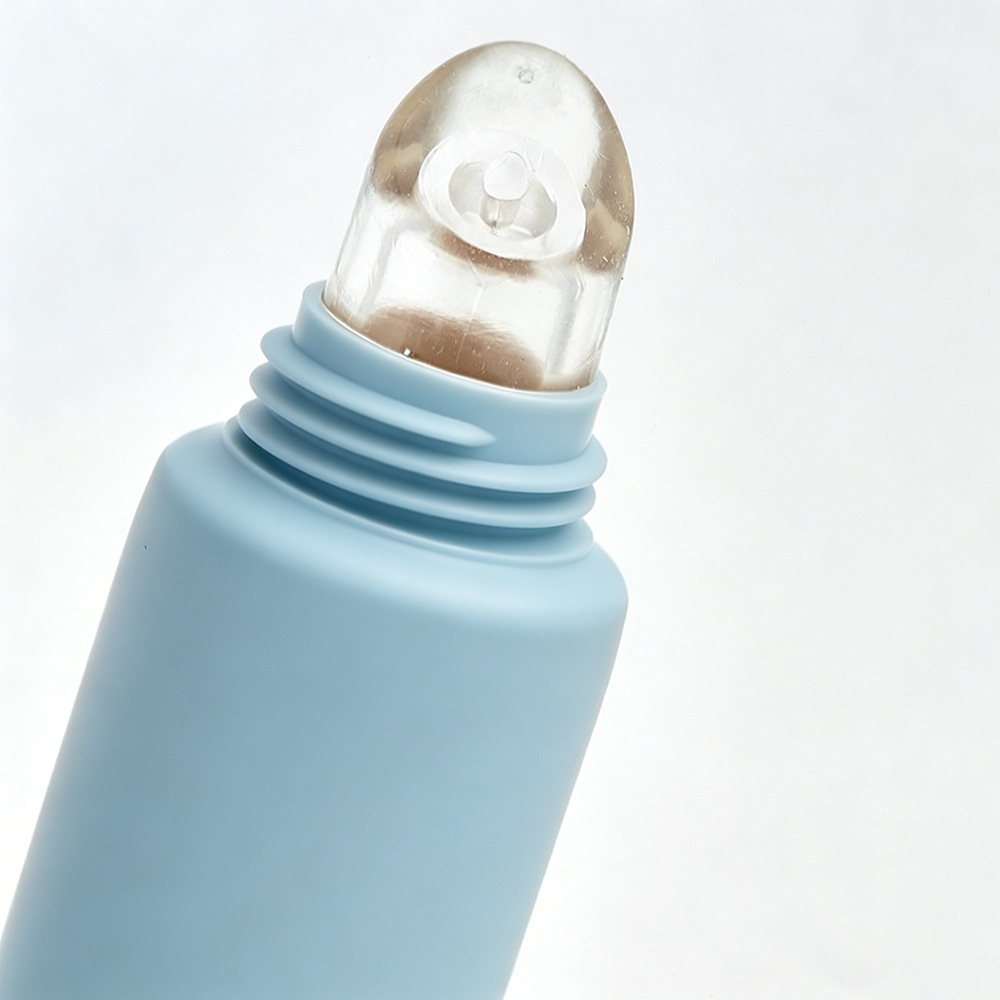
Selecting the right partner is about risk management. You need a supplier who understands both the aesthetic and technical requirements of cosmetic packaging. I recommend evaluating potential partners based on their ability to offer comprehensive support.
Look for a manufacturer that offers “pre-production samples.” This allows you to see the final print quality and test the component functionality before mass production. Transparency regarding raw materials is also non-negotiable. A strong partner will openly discuss the origin of their resins and their compliance with safety regulations.
Furthermore, consider their logistical capabilities. Can they handle the scale of your growth? Do they offer diverse decoration options under one roof to reduce lead times? By focusing on these operational strengths, you ensure your packaging arrives on time and ready for retail.
If you are currently vetting suppliers for high-quality packaging solutions, you can explore the technical specifications and customization capabilities available at Hyrun.
Summary
Selecting the right lip gloss tubes involves more than just aesthetics. You must verify material compatibility, ensure applicator functionality, and vet the manufacturing standards of your supplier. By focusing on technical safety and reliable lip gloss tube vendors, you protect your brand integrity.
FAQ
Q1:What is the best material for squeezable lip gloss tubes?
LDPE (Low-Density Polyethylene) is typically the best choice because it is soft, durable, and chemically resistant to most cosmetic oils.
Q2:How do I prevent my lip gloss tubes from leaking?
Ensure the wiper insert is correctly sized for your applicator wand and that the cap threads feature a secure stop point.
Q3:What is a standard MOQ for custom lip gloss tubes?
MOQs vary by manufacturer, but custom decorated tubes typically start between 5,000 to 10,000 units to justify setup costs.
Q4:Can I recycle lip gloss tubes?
It depends on the material; PP and PET tubes are widely recyclable, but mixed-material components (like wands) usually need to be separated.
Q5:Why is the wiper inside the tube important?
The wiper meters the dosage of the product, preventing messy spills and ensuring the consumer applies the correct amount of gloss.
Reference Sources
U.S. Food and Drug Administration (FDA)
Cosmetics & U.S. Law
https://www.fda.gov/
European Commission
Internal Market, Industry, Entrepreneurship and SMEs: Cosmetics
https://ec.europa.eu/