
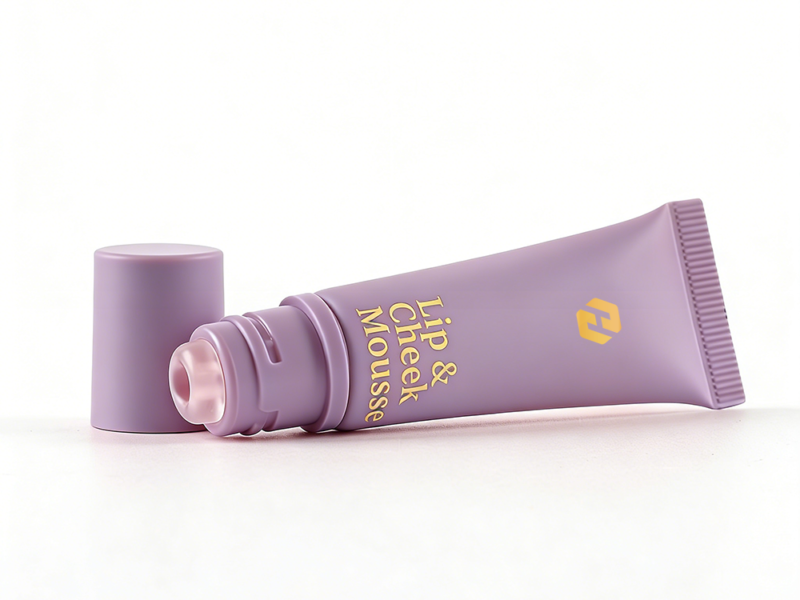
Packaging serves as the silent salesman for your beauty brand. Selecting the right lip gloss tubes involves more than just approving an attractive design. You must prioritize technical precision to ensure formula compatibility and prevent leakage. Many B2B buyers struggle to balance aesthetic appeal with functional durability. I will guide you through the critical specifications needed for a successful product launch.
Evaluating Materials for Cosmetic Lip Gloss Tube Safety
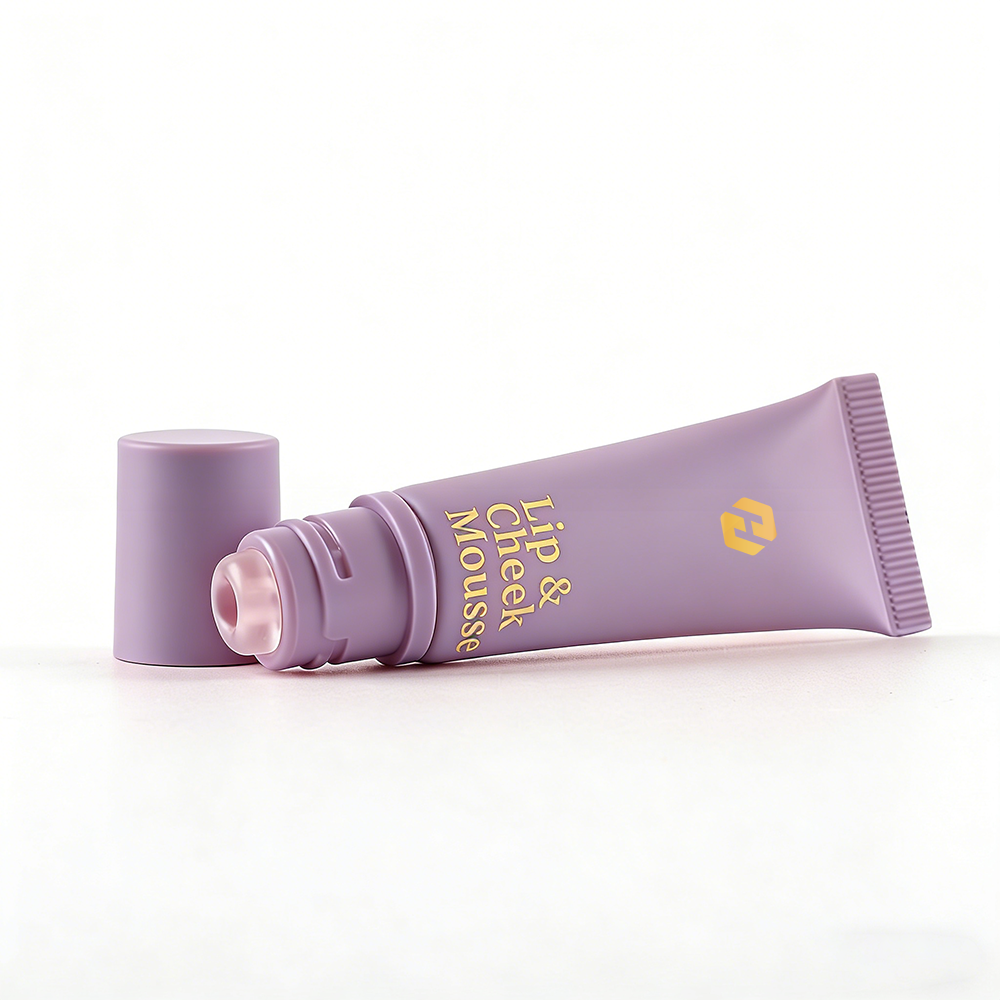
The integrity of your packaging relies entirely on the raw materials used during manufacturing. You cannot afford to have active ingredients react with the container.
Most high-quality transparent tubes utilize AS (Acrylonitrile Styrene) or PETG (Polyethylene Terephthalate Glycol). I recommend PETG for formulas requiring high impact resistance and glass-like clarity. It is highly compatible with a wide range of oils and pigments.
Conversely, ABS (Acrylonitrile Butadiene Styrene) is typically reserved for caps and opaque components. It offers superior durability but lacks transparency. Always request Material Safety Data Sheets (MSDS) from your supplier. This documentation ensures compliance with safety standards monitored by the U.S. Food and Drug Administration (FDA).
Why Applicator Choice Defines User Experience
The applicator is the primary touchpoint between your product and the consumer. A mismatch here can ruin even the best formulation.
For high-viscosity glitters, a silicone or macro-brush applicator is essential. These tips pick up larger particles without clogging. Standard DOE foot applicators work best for thinner, sheer glosses.
You must test the wiper mechanism rigorously. The wiper controls the amount of product dispensed and prevents the wand from getting messy. A loose wiper leads to leakage and customer dissatisfaction. A wiper that is too tight can cause pressure buildup and “popping” upon opening.
Strategic Sizing: The Case for 8ml Lip Gloss Tubes
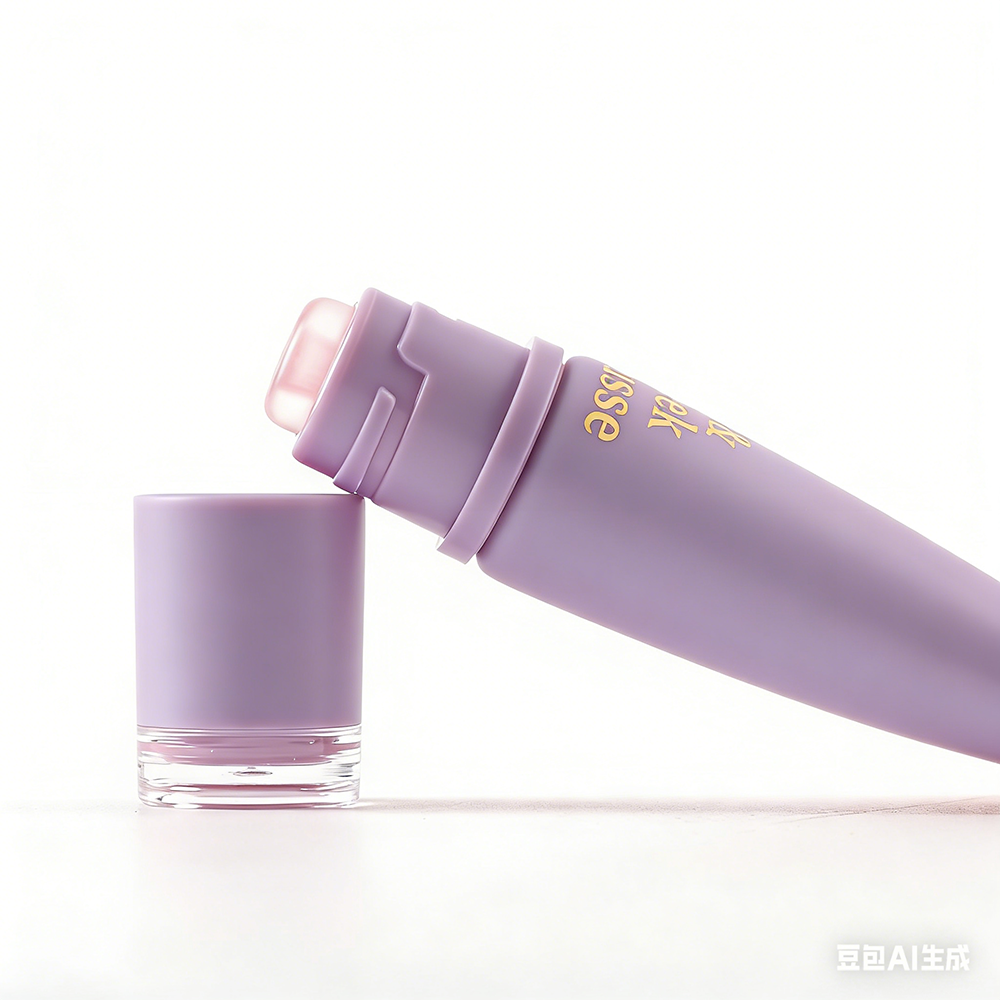
Choosing the correct volume affects both your price point and consumer perception. While sizes vary, 8ml lip gloss tubes represent a strategic “sweet spot” in the market.
This capacity offers substantial value to the consumer without requiring an excessively large container. It is compact enough for portability yet holds enough product to justify a premium price.
From a manufacturing perspective, 8ml tubes often have favorable mold availability. This reduces tooling costs compared to non-standard custom sizes. Ensure your filling lines are calibrated to this specific volume to maintain consistency.
Finding Unique Lip Gloss Tubes for Brand Differentiation
The beauty market is saturated, making visual differentiation crucial for survival. Sourcing unique lip gloss tubes requires looking beyond stock cylindrical shapes.
Consider square or polygonal profiles that prevent rolling and offer a modern aesthetic. Customization techniques like UV plating, soft-touch matte finishes, or 3D printing can elevate standard stock items.
However, “unique” should not compromise functionality. Irregular shapes can sometimes be difficult to label or fill on automated lines. Always verify compatibility with your existing labeling machinery before committing to a complex shape.
Risk Management When Buying Lip Gloss Tubes in Bulk
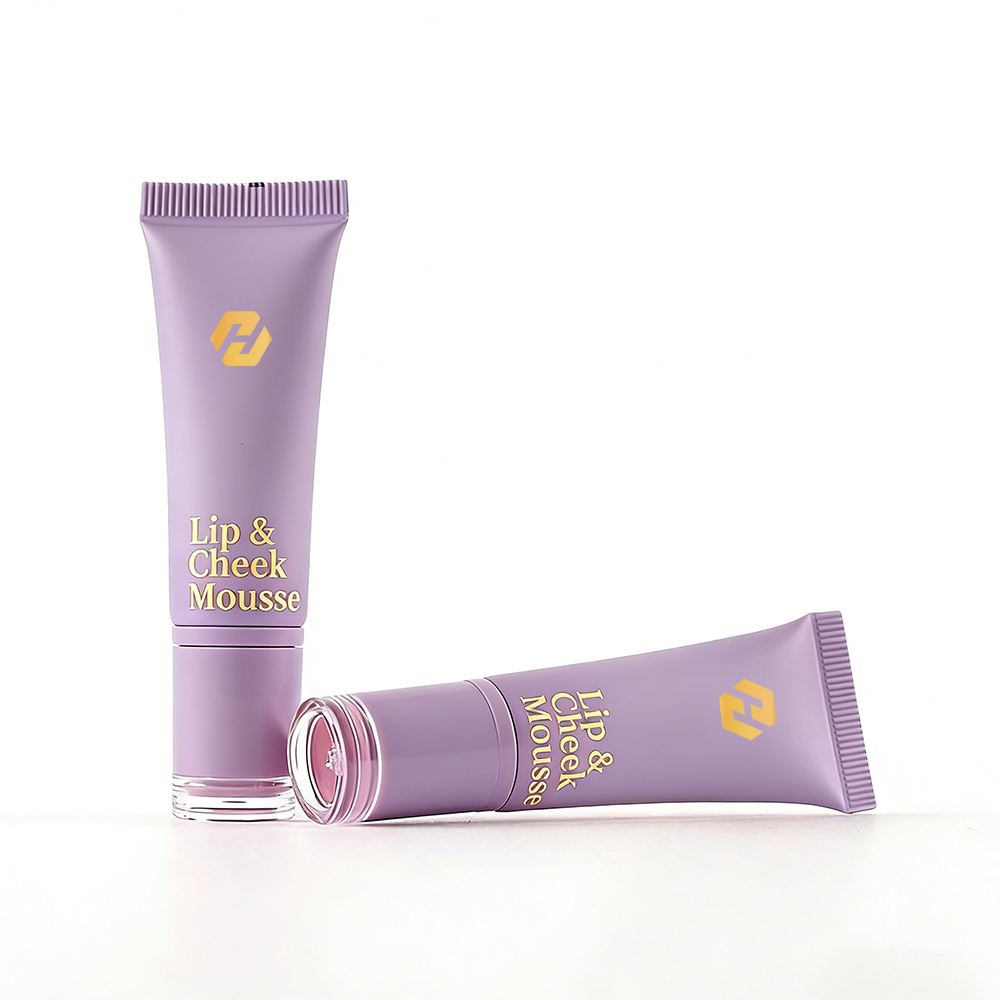
Purchasing lip gloss tubes in bulk is a significant capital commitment. You must mitigate risks associated with international logistics and quality control.
Request pre-production samples that are made from the actual mass-production molds, not just 3D printed prototypes. This reveals potential molding defects like flash (excess plastic) or sink marks.
Perform vacuum leakage tests on random samples from the shipment. This simulates pressure changes during air freight. Proper packaging during transit is also vital to prevent scratching on glossy surfaces.
How to Verify Supplier Capabilities
Selecting a manufacturing partner is just as important as selecting the tube itself. You need a supplier who understands technical constraints and offers design flexibility.
Look for manufacturers who provide detailed technical drawings and die lines upfront. This transparency allows your design team to work accurately. A reliable supplier should also offer a variety of decoration options, such as hot stamping or silk screening, under one roof. This centralization reduces lead times and ensures color consistency across different batches.
If you are looking for packaging that balances aesthetic innovation with robust engineering, you should explore options that prioritize mold precision. For those currently evaluating new designs, you can view specific examples here: https://hyrunpkg.com/product/bulk-lip-gloss-tubes-wholesale-supply/. This resource provides a practical reference for high-quality container specifications.
Summary
Successful packaging sourcing requires balancing material safety, functional design, and distinct aesthetics. By prioritizing PETG or AS materials and testing applicator compatibility, you protect your formula. Choosing standard capacities like 8ml simplifies manufacturing, while unique finishes secure brand identity. Always validate lip gloss tubes through rigorous sampling before bulk purchase.
FAQ
Q1: What is the best material for lip gloss tubes?
PETG is often considered the best choice due to its chemical resistance, glass-like clarity, and durability against impact.
Q2: How do I test lip gloss tubes for leakage?
Perform a vacuum chamber test on filled units to simulate air transport pressure and ensure the wiper and cap seal correctly.
Q3: What is the standard lead time for custom lip gloss tubes?
Custom manufacturing typically requires 35 to 45 days, depending on the complexity of the mold and decoration requirements.
Q4: Can I recycle cosmetic lip gloss tubes?
Yes, but it depends on the resin; PET and PP components are widely recyclable, while mixed-material components may require specialized processing.
Reference Sources
U.S. Food and Drug Administration (FDA) – Cosmetics Laws & Regulations
The Association of Plastic Recyclers – Design Guidelines for Plastics Recyclability
https://plasticsrecycling.org/
Personal Care Products Council – Industry Safety Standards