
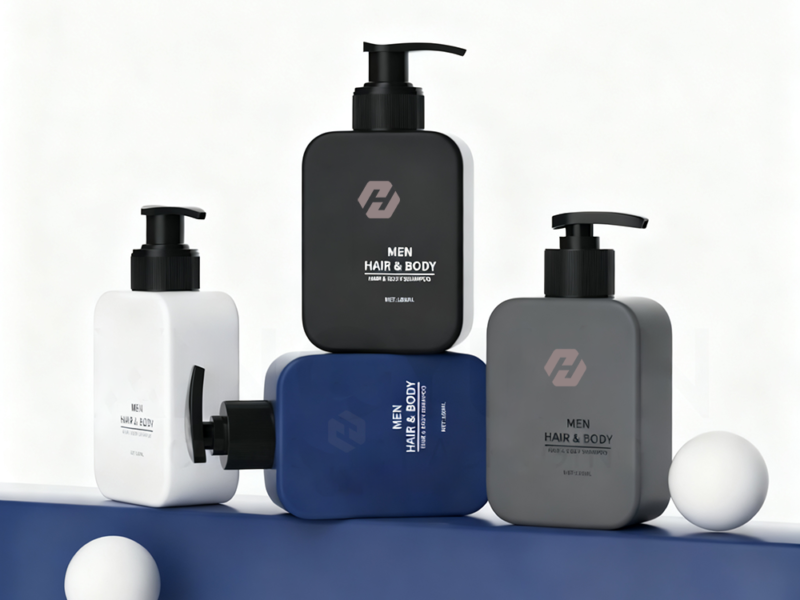
As a procurement specialist or brand owner, you understand that packaging is more than a container. It preserves formulation stability and defines the user experience. Choosing the right body lotion bottle requires balancing aesthetic appeal with technical performance.
You likely face a common problem: how to select a container that handles viscosity correctly while meeting sustainability goals. A poor choice leads to product oxidation, dispensing failures, and brand damage.
I will guide you through the technical criteria for selecting lotion packaging. We will cover material properties, pump mechanics, and the strategic advantages of specific sizes.
Which Materials Ensure Stability for Lotion Formulations?
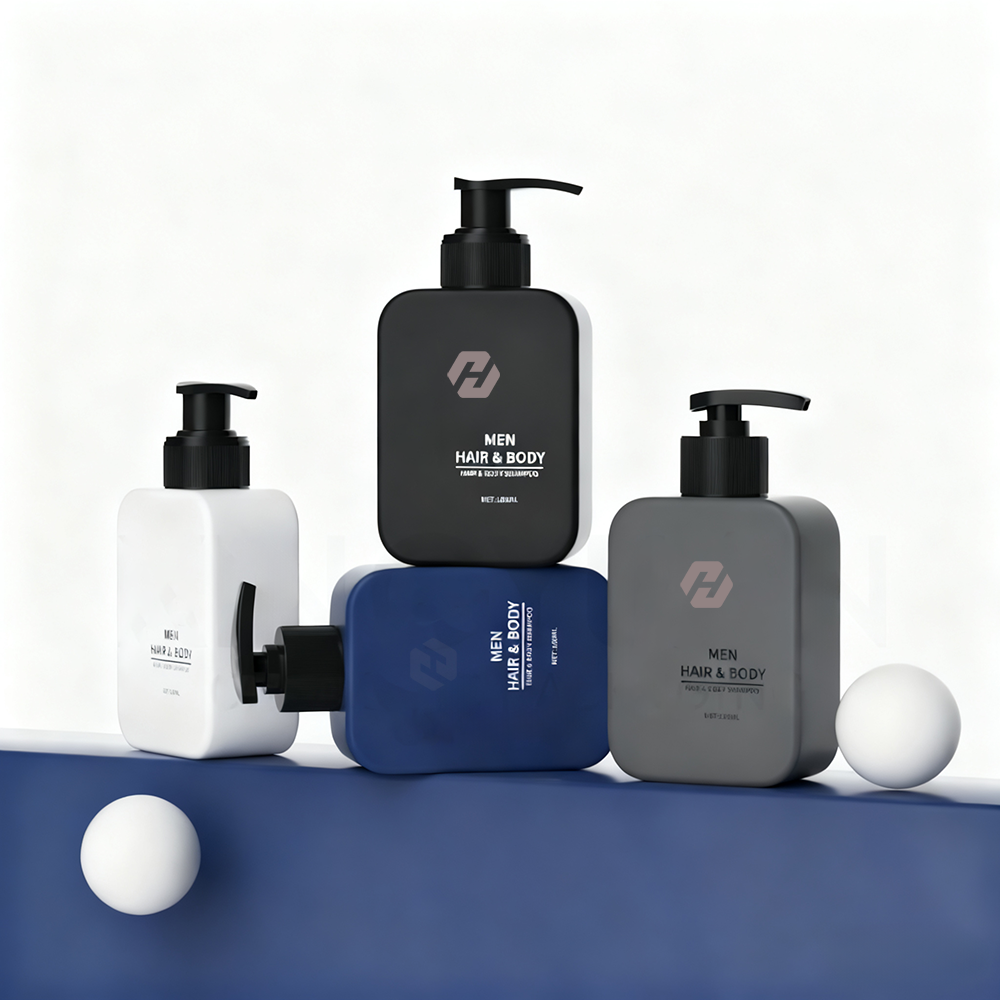
The material you choose determines the shelf life of your product. For body lotions, Polyethylene Terephthalate (PET) is the industry standard.
FDA regulations generally classify PET as safe for cosmetic contact. It offers high clarity and chemical resistance. This prevents ingredients from reacting with the container walls.
Unlike glass, PET reduces shipping weight and breakage risks.
It also provides a better oxygen barrier than standard Polyethylene (PE). This is critical for lotions containing active ingredients like Vitamin C or retinol.
If you are looking for a body lotion pump bottles manufacturer, verify their resin sourcing. High-quality PET ensures the bottle maintains its rigidity during transport.
Why the 180ml Body Lotion Pump Bottle is a Strategic Size
Sizing impacts both logistics and consumer perception. The 180ml body lotion pump bottle occupies a unique “sweet spot” in the market.
It is large enough for daily use but remains TS-compliant for some regional carry-on standards.
From a B2B perspective, this volume optimizes shelf space efficiency.
A square-shaped 180ml bottle, specifically, offers better packing density than cylindrical options. This reduces your “shipping air,” lowering freight costs per unit.
For the consumer, this size feels substantial without being bulky. It fits easily on bathroom counters where space is often limited.
Optimizing Dispensing with the Right Pump Mechanism
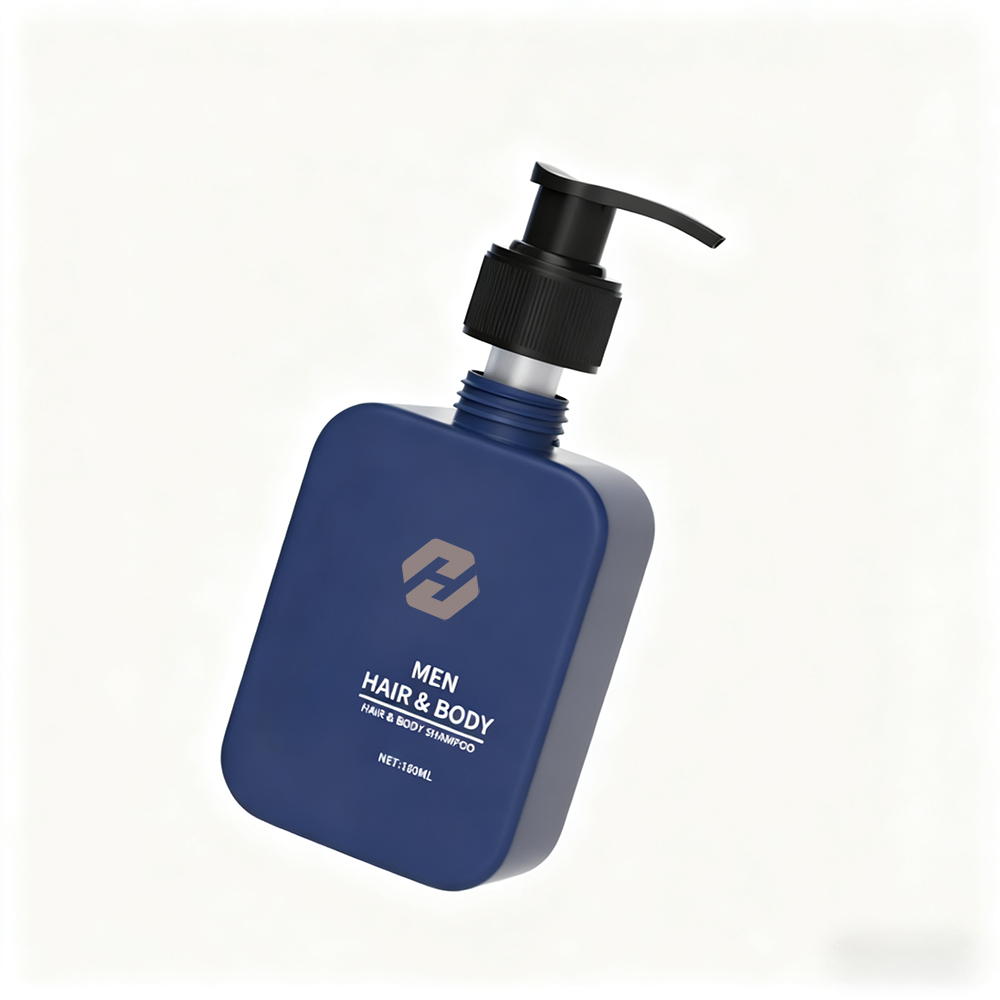
The pump is the most complex component of your packaging. A standard lotion requires a pump output between 1.5cc and 2.0cc per stroke.
If the output is too low, the user becomes frustrated.
If it is too high, the product runs out too fast, discouraging repurchase.
You must also consider the internal spring mechanism.
External spring pumps are superior because the metal never touches the lotion. This eliminates the risk of rust or metallic contamination affecting your formula.
Can You Recycle Body Lotion Bottles?
Sustainability is a primary concern for modern buyers. The answer to “can you recycle body lotion bottles” depends heavily on the materials used.
According to The Association of Plastic Recyclers (APR), clear or transparent light blue PET bottles are highly recyclable. Optical sorters in recycling facilities can easily identify and process them.
However, heavily pigmented opaque bottles are often rejected.
If you choose a blue bottle body lotion, opt for a transparent tint rather than solid opaque. This maintains the aesthetic without sacrificing circular economy compliance.
Note that the pump mechanism itself is usually not recyclable due to mixed materials (plastic and metal). You should advise consumers to separate the pump from the bottle before disposal.
How to Evaluate Bottle Design and Manufacturing Quality
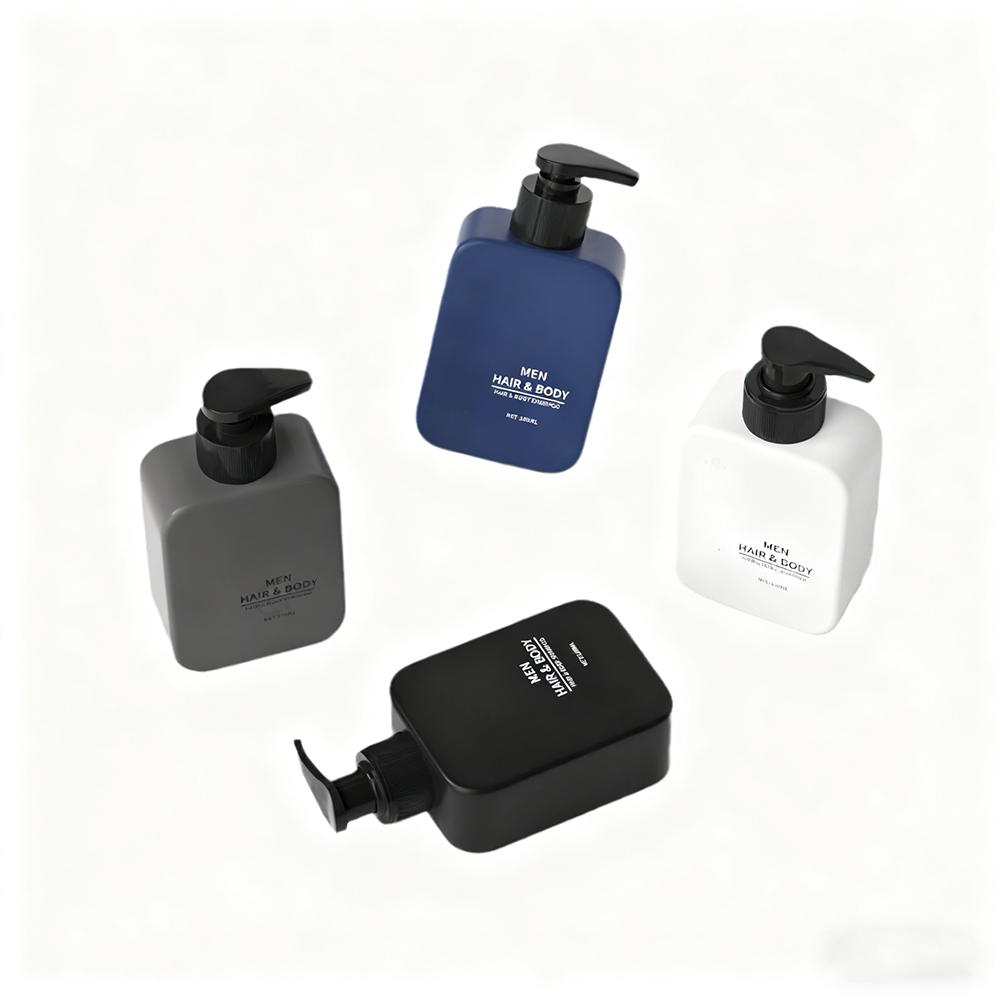
When finalizing your supplier, you need specific criteria to judge the physical product. Do not rely solely on digital renders. You must validate the physical sample against rigorous standards.
Check the Wall Thickness Distribution
A high-quality bottle has uniform wall thickness. Thin corners in a square bottle can crack under pressure. Consistent distribution ensures the bottle survives the supply chain intact.
Validate the Neck Finish
The pump must seal perfectly against the bottle neck. Any variance here leads to leakage. A standard 24/410 neck finish provides broad compatibility with various pump styles.
Assess the Aesthetic Precision
Look for high transparency and glossy finishes. These indicators suggest the manufacturer uses virgin resin rather than regrind.
If you are evaluating specifications for a durable, square design, you can review technical details for a 180ml body lotion pump bottle to understand the baseline for quality dimensions. This specific profile highlights how PET clarity and square ergonomics merge effectively.
Summary
Selecting a body lotion bottle requires analyzing material safety, pump mechanics, and logistic efficiency. A 180ml body lotion pump bottle in PET offers a balance of durability and shelf presence. Always verify recyclability guidelines, especially for colored plastics.
FAQ
Q1: What is the standard neck size for a 180ml body lotion bottle?
The most common neck finish is 24/410. This size supports a wide variety of lotion pumps and dispensing caps.
Q2: Why is PET preferred over PVC for lotion bottles?
PET is widely recyclable and chemically stable. PVC is environmentally hazardous and increasingly banned by major retailers.
Q3: Does the color of a blue bottle body lotion affect recycling?
Yes. Transparent blue bottles are generally recyclable, while opaque colors may be rejected by sorting systems.
Q4: How do I choose a body lotion pump bottles manufacturer?
Prioritize manufacturers who offer external spring pumps and certified food-grade PET materials.
Q5: Can you recycle body lotion bottles with the pump attached?
No. Consumers should remove the pump, as the internal metal spring makes the pump assembly non-recyclable.
Reference Sources
The Association of Plastic Recyclers (APR) – APR Design® Guide for Plastics Recyclability
https://plasticsrecycling.org
U.S. Food and Drug Administration (FDA) – CFR Title 21 (Cosmetics & Packaging)
https://www.fda.gov