
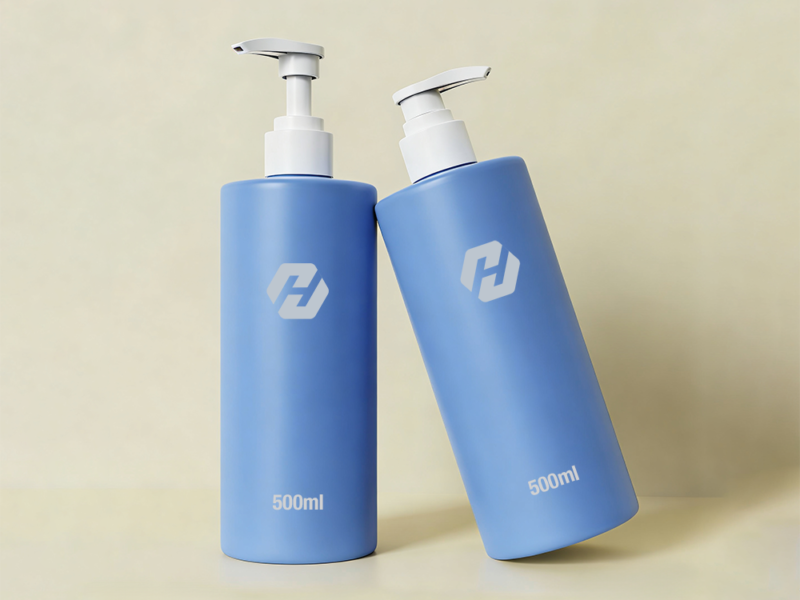
Selecting the right packaging is crucial for any personal care brand’s success. A high-quality body wash pump bottle ensures a seamless user experience and product safety. Businesses often face challenges in both sourcing these components and troubleshooting common functional issues. This guide provides professional insights into sourcing logistics and practical usage for B2B buyers. Understanding these elements helps maintain brand reputation and operational efficiency.
To open a standard body wash pump bottle, you must first secure the base. Hold the ribbed collar of the pump firmly with one hand. Use your other hand to rotate the pump head counter-clockwise. Most industrial pumps require a 360-degree turn to release the internal spring. If the head spins without popping up, tighten the collar back onto the bottle. This provides the necessary resistance to unlock the screw-down mechanism effectively.
Reliable dispensing is the primary goal for any professional packaging solution. A standard pump usually dispenses between 2.0ml and 4.0ml of liquid per stroke. For body wash products, a 2.0cc or 4.0cc output is typically preferred. This volume ensures the user receives enough product without excessive waste. Providing clear instructions on how to open body wash pump bottle designs can reduce customer complaints significantly.
How to Open a Body Wash Pump Bottle Properly
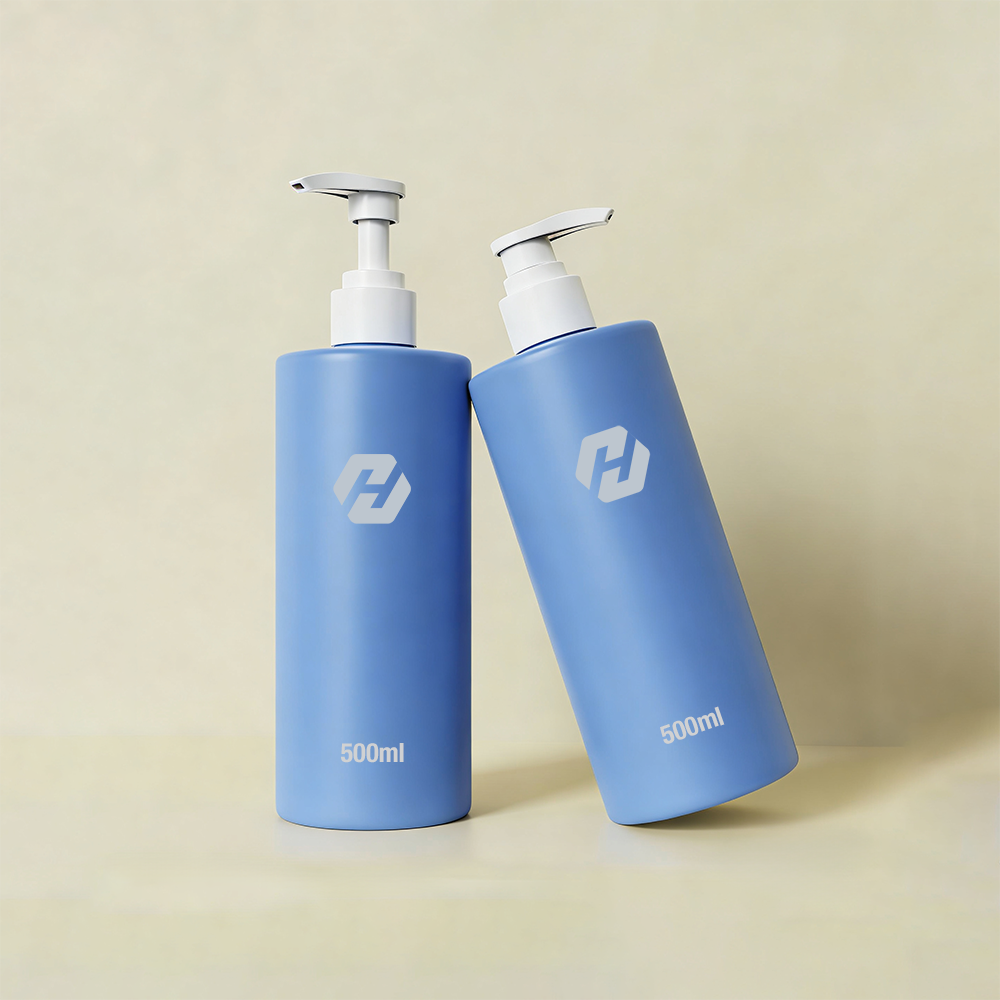
Troubleshooting pump mechanisms is a common task for quality control teams and retailers. Most issues arise from the “lock-down” feature used during shipping to prevent leaks. To release a stubborn pump, ensure the bottle is upright and the cap is screwed on tight. Firmly grip the neck of the bottle to prevent it from spinning during the process. Rotate the nozzle in the direction indicated by the “Open” arrow, usually counter-clockwise.
If the pump fails to pop up, the internal mechanism might be misaligned. You can resolve this by removing the pump from the bottle entirely. Rinse the dip tube and the housing under warm water to remove any dried residue. Hold the plastic tube firmly and turn the head again to trigger the spring. Once the pump pops up, reinsert it into the bottle and prime it with several quick strokes.
For B2B distributors, teaching retail staff these steps adds value to your service. It prevents unnecessary returns of perfectly functional body wash pump bottle units. Consistent performance in the pump’s spring tension is a sign of high-grade manufacturing. Always test a sample batch before committing to a large-scale wholesale order. This ensures the locking mechanism is user-friendly for the end consumer.
Why Choose a Body Wash Pump Bottle Factory in China?
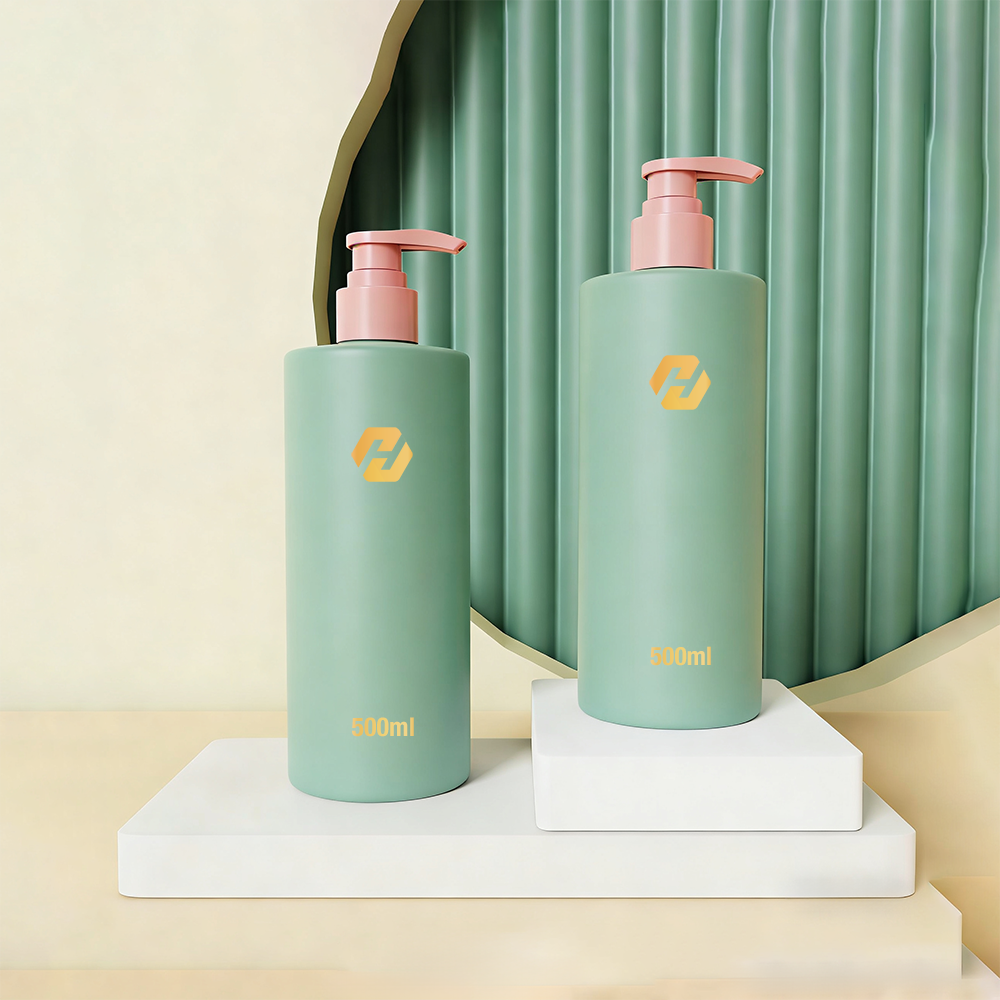
China is the global leader in plastic packaging manufacturing for the cosmetic industry. A body wash pump bottle factory in china offers unparalleled scale and technological advancement. These facilities utilize high-speed injection molding and automated assembly lines to ensure precision. Working directly with a factory allows for extensive customization of bottle shapes and pump colors. You can align the packaging aesthetics with your specific brand identity.
Statistical data shows that China accounts for approximately 40% of the world’s plastic packaging exports. This dominance is driven by integrated supply chains and competitive raw material costs. Many factories in regions like Zhejiang and Guangdong specialize in PET and HDPE production. These materials are favored for their durability, clarity, and recyclability in personal care. Direct factory sourcing also shortens the development cycle for new product launches.
Communication with a Chinese manufacturer allows for better quality control at the source. Professional factories provide certificates such as ISO 9001 and SGS to verify their standards. You can request specific modifications to the dip tube length or pump dosage. These technical adjustments are vital for different liquid viscosities, such as thick gels or foamy washes. Sourcing directly from the factory remains the most cost-effective strategy for growing brands.
Benefits of Buying Body Wash Pump Bottle Wholesale
Purchasing body wash pump bottle wholesale significantly reduces the per-unit cost for your business. Bulk buying allows for better negotiation on shipping rates and lead times. For most B2B transactions, a minimum order quantity (MOQ) typically ranges from 5,000 to 10,000 units. This volume justifies the setup costs for custom colors or silk-screen printing. High-volume orders also ensure consistency in color matching across different production batches.
When evaluating wholesale options, focus on the material compatibility of the bottle. PET (Polyethylene Terephthalate) is highly resistant to the chemicals found in most surfactants. It provides a glass-like clarity that showcases the color and texture of the body wash. Wholesale suppliers often offer various neck finishes, such as 24/410 or 28/410. Choosing a standard size ensures that your pumps and bottles are easily interchangeable.
Inventory management is another advantage of sourcing body wash pump bottle wholesale supplies. Maintaining a steady stock of packaging prevents production delays in your filling facility. Many wholesale partners offer “just-in-time” delivery options for long-term contracts. This helps businesses manage warehouse space while ensuring packaging availability. Always verify the leak-test results provided by your wholesale partner to ensure product safety during transit.
Selecting the Ideal Packaging Partner
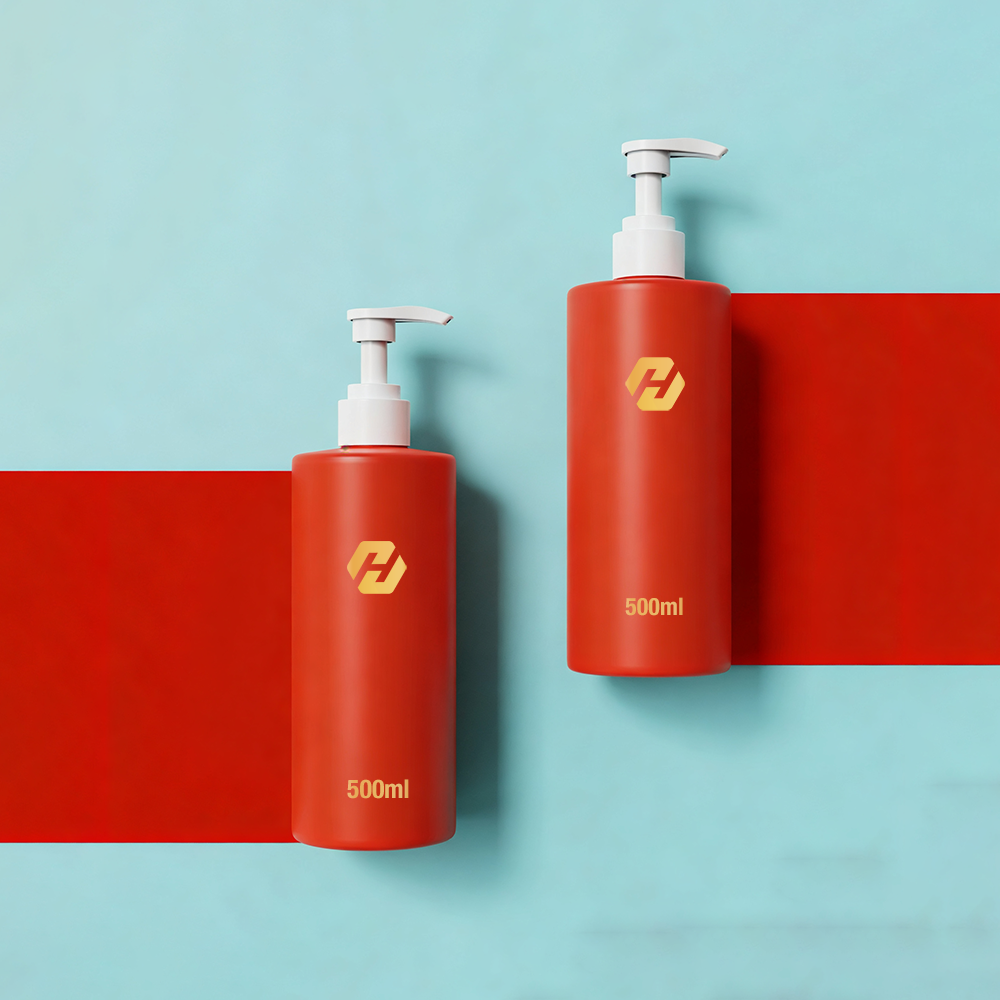
Choosing the right supplier involves evaluating more than just the lowest price point. You must consider the manufacturer’s ability to provide consistent quality over time. Hyrun offers a wide selection of body wash pump bottle options, including vibrant red and blue PET designs. These bottles are engineered to withstand the humid environment of a bathroom without losing structural integrity. Selecting a partner that understands the technical nuances of pump dispensers is essential.
Professional suppliers provide detailed specifications, including bottle weight, brimful capacity, and pump output. These details are critical for your filling machines and shipping calculations. A reliable partner will also offer samples for compatibility testing with your specific liquid formula. This step prevents potential issues like pump clogging or plastic degradation. By choosing a supplier with a proven track record, you secure the foundation of your product line.
Summary
Successful packaging sourcing depends on understanding both technical functionality and supply chain logistics. Learning how to open body wash pump bottle mechanisms is a basic yet vital skill for quality assurance. Partnering with a reputable body wash pump bottle factory in china provides access to high-quality materials and competitive pricing. Through body wash pump bottle wholesale agreements, businesses can scale their operations efficiently. Ultimately, the right packaging enhances the user experience and reinforces brand value.
FAQ
Q1: How do I fix a pump that won’t pop up?
Tighten the bottle collar firmly and rotate the pump head counter-clockwise to release the spring. If it still fails, remove the pump, clean the mechanism, and manually trigger the spring by holding the dip tube.
Q2: What is the standard neck size for body wash bottles?
Most body wash bottles use a 24/410 or 28/410 neck finish, which is compatible with standard dispensing pumps.
Q3: Can I customize the color of the pump and bottle?
Yes, most factories in China offer custom color matching using Pantone references for both the PET bottle and the PP pump.
Q4: Why is PET plastic preferred for body wash?
PET offers excellent clarity, impact resistance, and chemical stability, making it ideal for the bathroom environment.
Q5: What is the typical lead time for wholesale orders?
Lead times generally range from 25 to 35 days, depending on the level of customization and the factory’s current production schedule.
Reference Sources
Plastic Industry Association – PET Resin Properties and Benefits: https://www.plasticsindustry.org/
World Packaging Organisation – Global Packaging Market Trends: https://www.worldpackaging.org/
SGS – Cosmetic Packaging Testing and Certification: https://www.sgs.com/
Association of Plastic Recyclers – Design Guide for PET Recyclability: https://www.plasticsrecycling.org/