
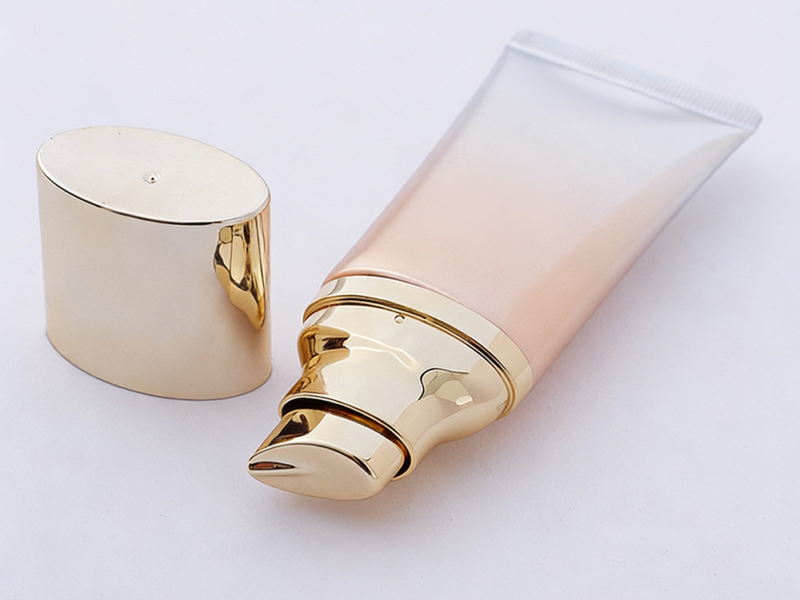
Selecting the right foundation tubes is critical for maintaining formula stability and ensuring a premium user experience. For professional buyers, the primary goal is finding packaging that protects sensitive ingredients like SPF and antioxidants while providing precise dispensing. Foundation Sunscreen Pump Tubes represent the gold standard in this category because they combine the flexibility of a squeeze tube with the controlled delivery of an airless pump. These specialized containers prevent oxidation and contamination, which are common issues in traditional open-mouth bottles. By choosing high-quality cosmetic foundation tubes, brands can significantly extend product shelf life and improve consumer satisfaction through mess-free application.
Professional-grade foundation tubes typically utilize multi-layer barrier technology to shield the contents from oxygen and UV light. Research indicates that airless systems can reduce product waste by allowing users to extract up to 95% of the formulation. This efficiency is a major selling point for high-end cosmetic lines. When evaluating empty foundation tubes, focus on the mechanical reliability of the pump and the compatibility of the tube material with your specific formula.
Why Custom Sunscreen Tubes Require Airless Technology
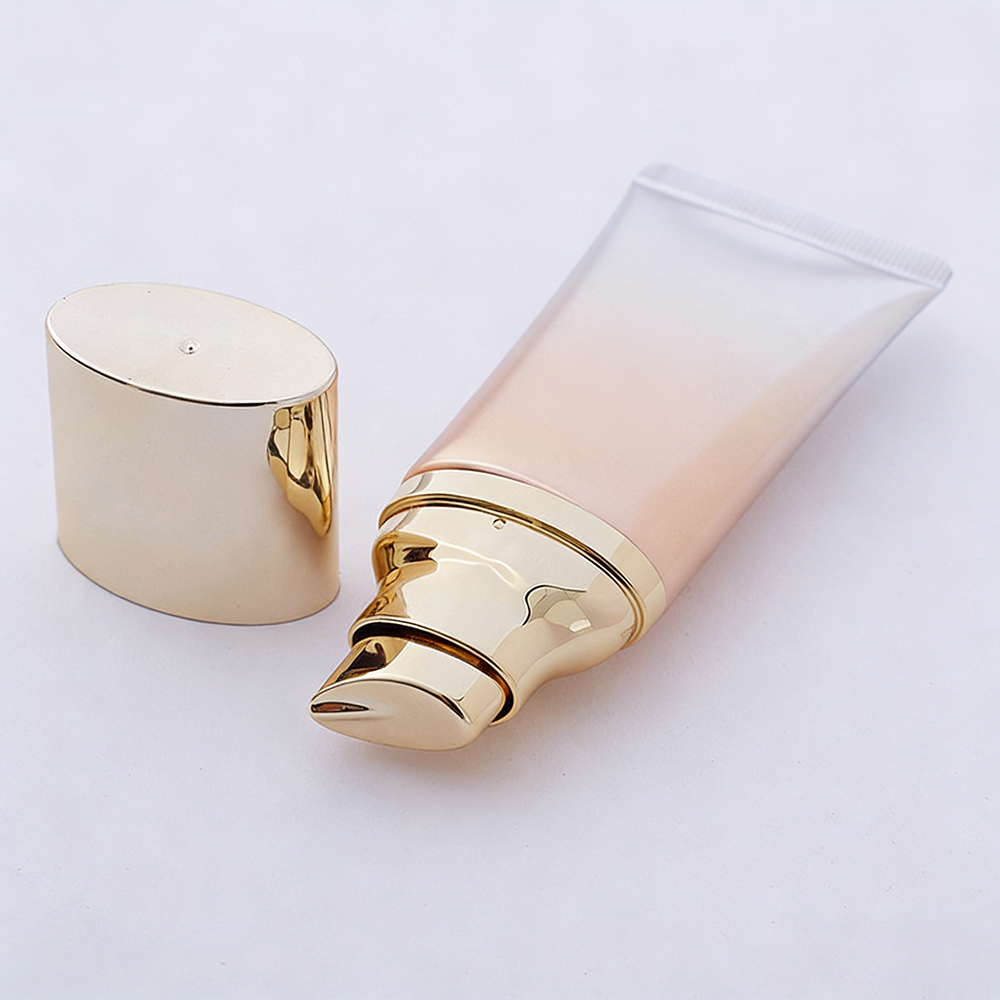
Sunscreen formulations are notoriously difficult to stabilize due to the reactive nature of chemical and mineral UV filters. Using custom sunscreen tubes equipped with airless pumps is the most effective way to prevent the degradation of these active ingredients. When air enters a standard tube, it can trigger oxidative reactions that weaken the SPF rating over time. Airless foundation tubes eliminate this risk by using a vacuum mechanism to pull the product upward without letting air in.
Furthermore, Foundation Sunscreen Pump Tubes offer superior dosing accuracy, which is essential for sun protection. Most professional pump systems are calibrated to dispense between 0.15ml and 0.25ml per stroke. This consistency helps users apply the correct amount of product to achieve the labeled SPF protection. Studies show that improper application is the leading cause of sunscreen failure, making precise dispensing a functional necessity.
Material selection for custom sunscreen tubes also plays a pivotal role in product safety. Most professional suppliers recommend five-layer structures including an EVOH (Ethylene Vinyl Alcohol) barrier. This layer acts as a permanent shield against fragrance loss and oil migration. Without this barrier, the essential oils and active sunscreens might leach into the plastic, compromising the packaging integrity.
Key Performance Standards for Cosmetic Foundation Tubes
Quality control for cosmetic foundation tubes involves rigorous testing of the pump mechanism and the seal strength. A professional-grade pump must withstand at least 200 to 500 actuations without clogging or leaking. This durability ensures the packaging lasts longer than the product inside. For viscous liquids like liquid foundations, the dip tube or airless piston must be designed to handle high-density fluids without excessive resistance.
The aesthetics of cosmetic foundation tubes are just as important as their function for B2B buyers. Customization options often include silk-screen printing, hot stamping, and offset printing. These techniques allow brands to maintain a luxury feel while using practical, lightweight materials. Aluminum-plastic barrier laminates (ABL) are frequently used to provide a metallic finish that mimics high-end glass but offers better portability.
Professional buyers should also consider the “restitution rate” of empty foundation tubes. This metric measures how much product remains trapped in the container after the user can no longer pump or squeeze it out. Premium foundation tubes aim for a residue rate of less than 5%. Achieving this level of efficiency requires a precise fit between the pump housing and the tube shoulders.
Critical Materials Used in Foundation Tubes
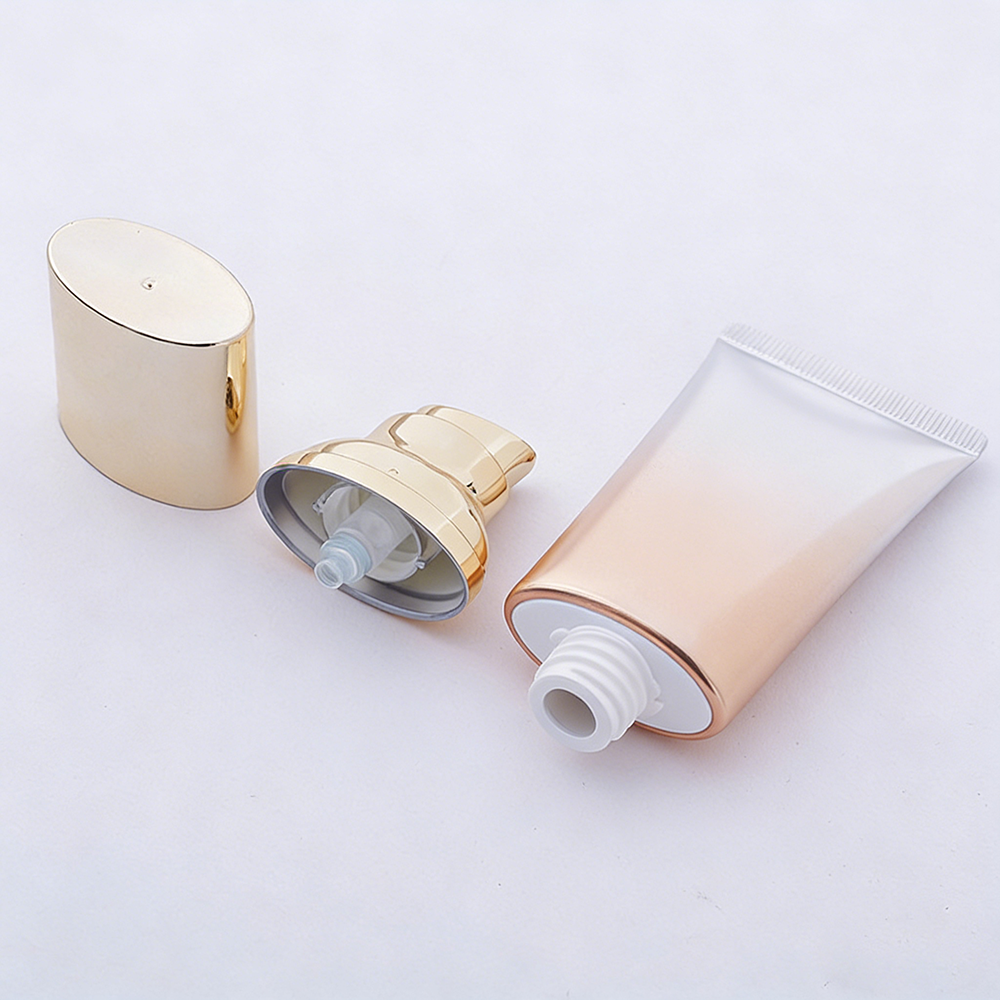
The choice of material for foundation tubes directly impacts the formula’s chemical stability and the container’s tactile feel. Low-Density Polyethylene (LDPE) is common for its softness and “squeeze-back” memory. However, for professional foundations containing volatile silicones, High-Density Polyethylene (HDPE) or barrier laminates are preferred. These materials prevent the “paneling” effect where the tube collapses inward due to chemical absorption.
Recent data suggests that over 60% of luxury cosmetic brands are moving toward sustainable materials like Post-Consumer Recycled (PCR) resin. While sustainability is important, the primary focus for Foundation Sunscreen Pump Tubes remains the protective barrier. Suppliers often co-extrude PCR with a virgin plastic inner layer to ensure that the recycled material never touches the formula. This maintains safety standards while meeting environmental goals.
Pressure testing is another vital step in selecting empty foundation tubes. Professional packaging must survive vacuum tests to ensure they will not leak during air travel or high-altitude shipping. A standard test involves placing the filled tube in a vacuum chamber at -0.05MPa for several minutes. Only tubes that show no leakage at the pump interface or the tail seal are suitable for global distribution.
Evaluating Quality in Custom Sunscreen Tubes
When sourcing custom sunscreen tubes, the integration between the pump head and the tube body is the most frequent point of failure. A secure “snap-on” or “screw-on” fit is required to prevent the pump from detaching under pressure. For high-viscosity sunscreens, the orifice size of the pump must be large enough to allow smooth flow but small enough to prevent “drooling” after use.
The color matching of foundation tubes is a critical branding requirement for professional users. Most manufacturers use the Pantone Matching System (PMS) to ensure consistency across different production batches. Since foundations come in many shades, transparent or frosted cosmetic foundation tubes are often used to allow the product color to be visible to the consumer. However, if the formula is light-sensitive, opaque tubes with UV-inhibitors are mandatory.
Selecting the Right Supplier for Foundation Sunscreen Pump Tubes
Determining the suitability of a packaging partner requires looking beyond the unit price. A professional supplier should provide detailed technical drawings and compatibility testing results. When choosing Foundation Sunscreen Pump Tubes, verify the pump’s prime time, which is the number of strokes needed to first dispense the product. A prime time of 3 to 5 strokes is considered industry standard for airless systems.
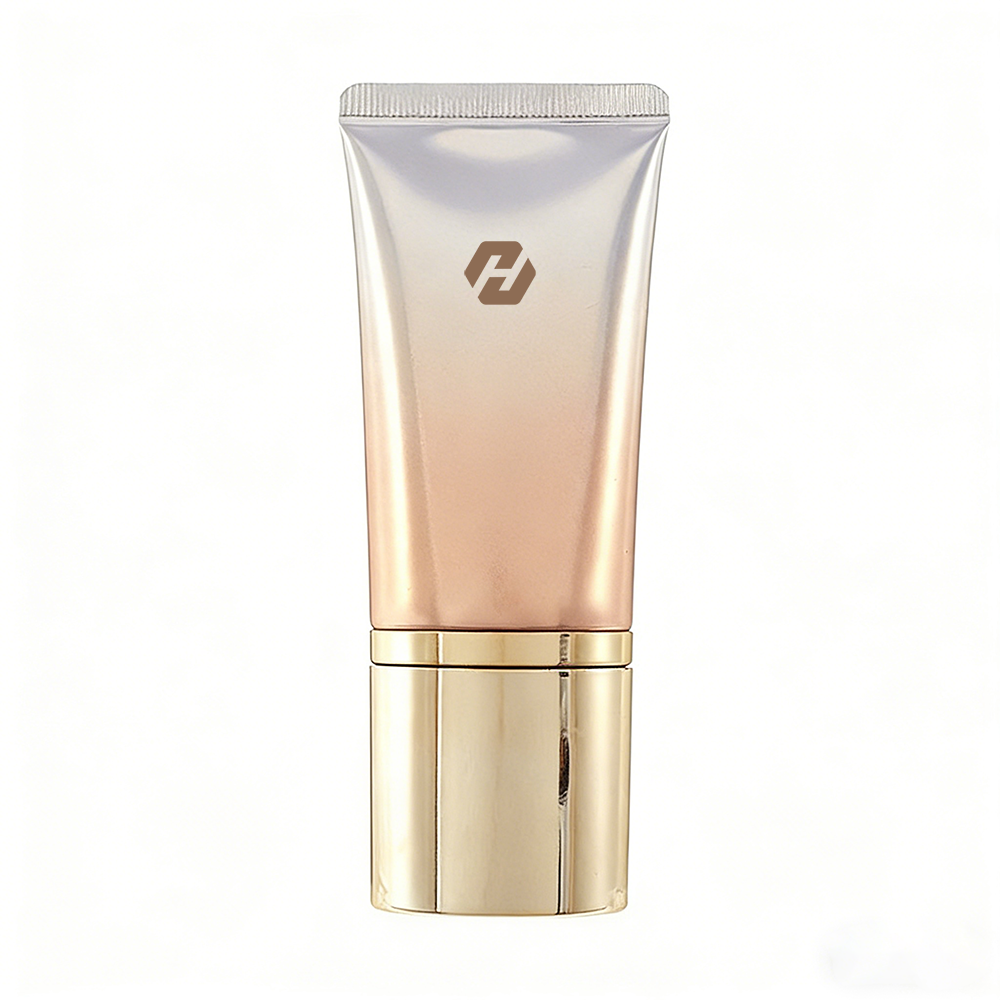
Professional buyers should evaluate the customization capabilities for empty foundation tubes early in the development process. This includes checking for available nozzle shapes, cap styles (such as overcaps or twist-locks), and surface finishes. High-performance foundation tubes should offer a seamless transition between the tube tail and the pump head to ensure the design looks cohesive.
The ability to provide small-batch samples for stability testing is a hallmark of a reliable supplier. Before committing to a large order of cosmetic foundation tubes, brands must conduct “oven tests” where the filled packaging is kept at high temperatures for several weeks. This simulates accelerated aging and reveals if the formula reacts with the tube material or the pump components.
Foundation Sunscreen Pump Tubes provide the best protection for sensitive cosmetic formulas by utilizing airless technology and high-barrier materials. To choose the right foundation tubes, professionals must prioritize mechanical reliability, material compatibility, and dispensing precision. These factors ensure that the product remains effective, safe, and premium from the first use to the last.
FAQ
Q:What are the benefits of using pump tubes for foundation?
Pump tubes provide precise dispensing and prevent air from entering the container. This protects the formula from oxidation and keeps the product hygienic by eliminating direct contact.
Q:Can foundation tubes be used for high-SPF sunscreens?
Yes, Foundation Sunscreen Pump Tubes are ideal for SPF products. They use multi-layer barriers like EVOH to prevent UV filters from degrading and ensure the SPF remains stable over time.
Q:What materials are best for empty foundation tubes?
PE (Polyethylene) is common for flexibility, while ABL (Aluminum Barrier Laminate) is best for high-protection needs. Professional users often choose 5-layer tubes for maximum ingredient stability.
Q:How do I prevent leaking in custom sunscreen tubes?
Ensure the supplier performs vacuum leak tests and uses high-quality pump engines. The seal between the pump and the tube shoulder must be airtight to prevent mess during transit.
Reference Sources:
Cosmetics & Toiletries – https://www.cosmeticsandtoiletries.com
World Packaging Organisation – https://www.worldpackaging.org
U.S. Food and Drug Administration (Cosmetic Packaging) – https://www.fda.gov