
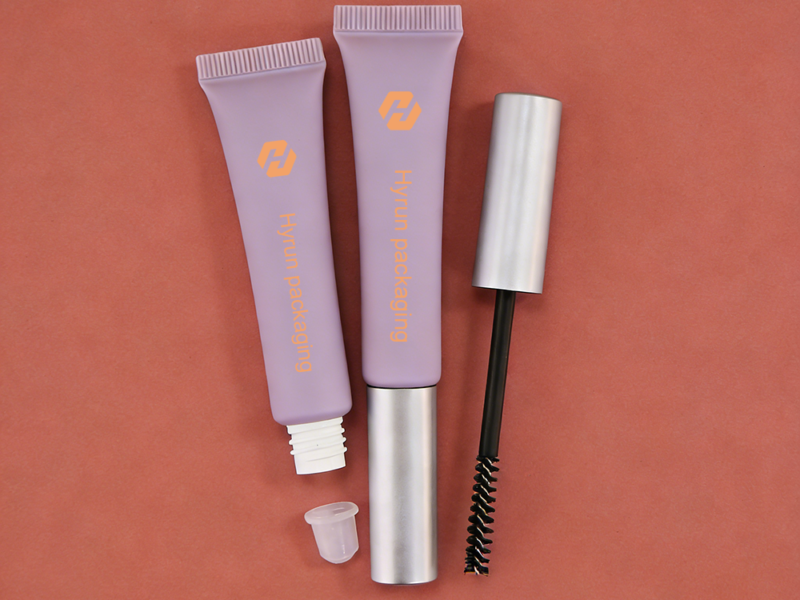
Professional cosmetic brands must prioritize technical precision and material integrity when sourcing mascara tubes. A high-quality tube is not just a container; it is a complex delivery system. The primary goal is to maintain formula stability while providing a seamless user experience. To achieve this, you must evaluate airtight seals, wiper tension, and material compatibility. The airtightness of a mascara tube determines the shelf life and safety of the final product.
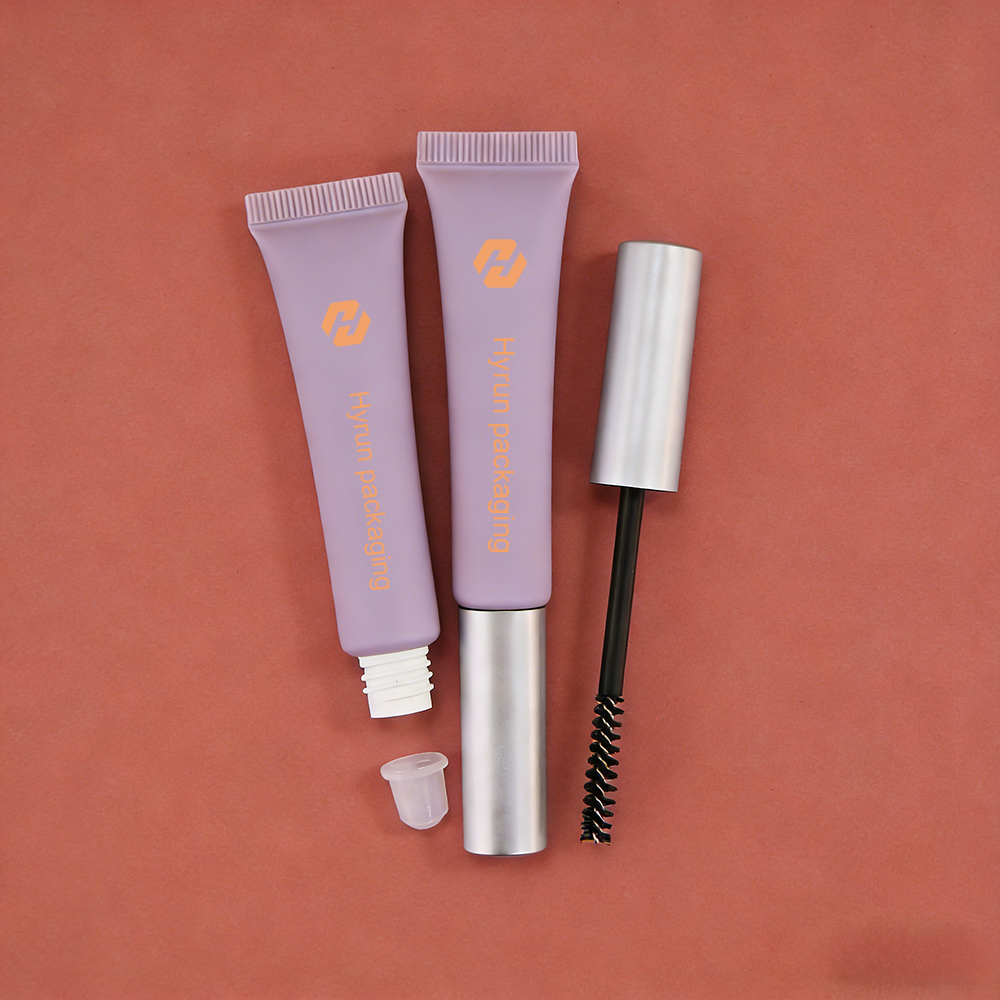
High-quality mascara tubes prevent the formula from drying out prematurely due to air exposure. Technical data indicates that superior seals can reduce formula evaporation rates by up to 40%. This ensures the product remains usable for its intended lifecycle without losing its original texture. Professional buyers should look for components that pass vacuum leak tests at -0.05MPa pressure. These standards are essential for maintaining the performance of high-viscosity eyelash formulas.
When evaluating a black mascara tube manufacturer, look for specific technical certifications like ISO 22716. These standards guarantee that the packaging is produced in a controlled, hygienic environment. High-quality manufacturers typically use materials like ABS or PETG. These plastics provide the chemical resistance needed for complex oil-based or water-resistant formulas. Choosing a manufacturer with proven quality control reduces the risk of chemical leaching into the product.
How Long Does a Tube of Mascara Last in Professional Contexts?
Understanding how long does a tube of mascara last is essential for professional product labeling and safety. Most liquid eye cosmetics have a Period After Opening (PAO) of three to six months. This timeframe is dictated by the preservative system within the specific formula. However, the packaging plays a vital role in protecting these ingredients from oxidation. Professional-grade tubes extend the functional life of the product by minimizing bacterial introduction.
Stability tests show that unopened mascara can maintain its integrity for 24 to 30 months. Once opened, the constant introduction of air and microbial contaminants limits the safe usage window. Professional buyers must ensure the tube’s neck design is narrow enough to limit air intake. This technical detail directly impacts how consumers perceive the product’s value and safety over time. A precise wiper-to-brush seal is the primary defense against formula degradation.
Furthermore, the “pumping” action of the user often forces air into the inner chamber. A well-engineered tube mascara brush and wiper set help mitigate this damaging effect. By creating a temporary vacuum seal, the wiper scrapes excess formula while blocking excessive airflow. Brands should conduct microbial challenge tests to verify these performance metrics before starting mass production. Consistency in wiper tension ensures the formula remains moist and effective until the end of its cycle.
Criteria for Selecting a Premium Black Mascara Tube Manufacturer
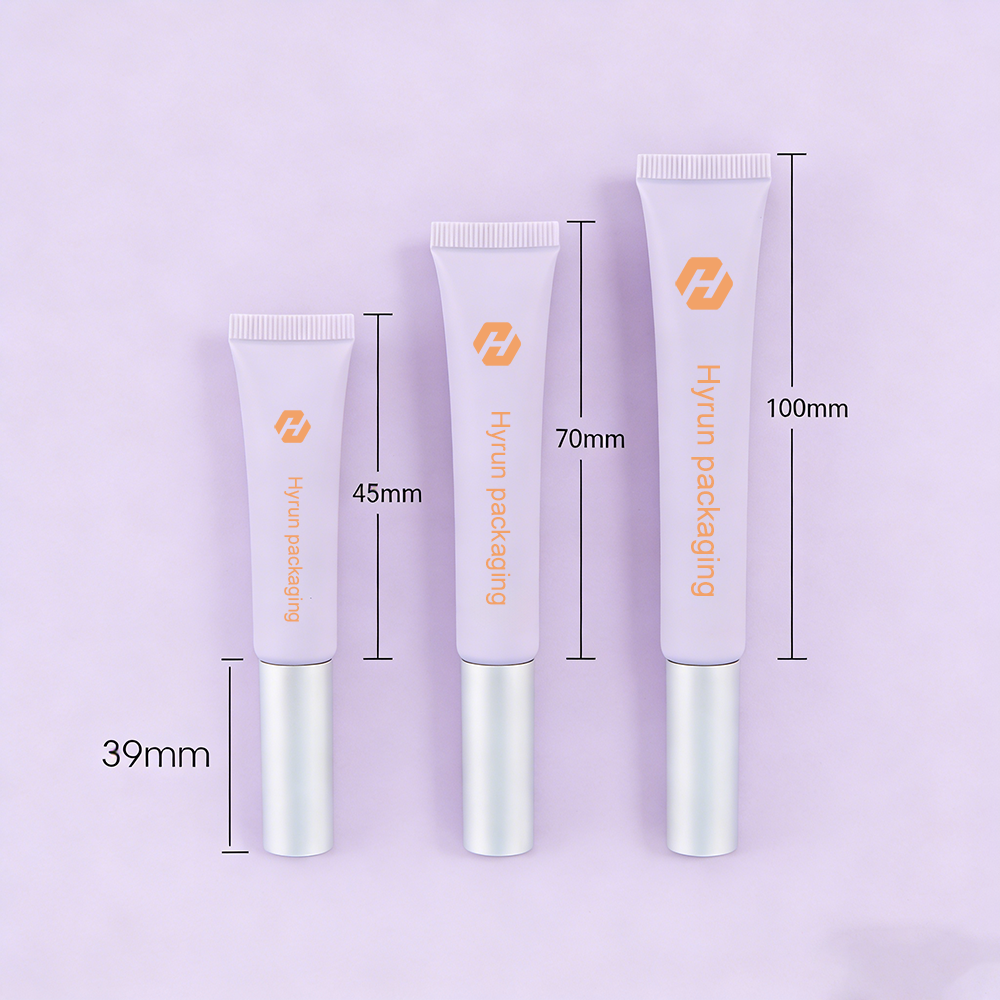
Choosing a black mascara tube manufacturer requires more than just reviewing a price list. You must evaluate their ability to provide consistent surface finishes and leak-proof designs. Black packaging often uses specialized pigments that must be “cosmetic grade” to prevent contamination. Verify that the manufacturer uses virgin plastics rather than recycled materials for the inner chambers. High-quality virgin plastics offer better structural stability and chemical resistance for delicate formulas.
A reliable manufacturer will offer various decorative options like silk-screening, hot stamping, or UV coating. These processes must not compromise the structural integrity of the mascara tubes. For instance, excessive heat during the decorating phase can warp the delicate screw threads. This leads to micro-leaks that can ruin entire batches of expensive inventory. Testing the torque required to close the cap is a standard industry practice for quality assurance.
Industry leaders typically maintain a defect rate of less than 1.5% for high-volume orders. You should always request physical samples to test the opening and closing mechanism. A professional-grade tube should have a firm stop to signal a complete, airtight seal. This feedback is crucial for consumers to know the product is properly closed. Consistency in production runs is the hallmark of a top-tier manufacturing partner.
How to Clean a Mascara Tube for Lab Prototyping
During the product development phase, you may need to know how to clean a mascara tube for reuse. While consumers should never reuse tubes for hygiene reasons, professionals often clean them for compatibility trials. Start by removing the plastic wiper from the neck of the tube using specialized tools. This allows full access to the interior of the bottle for deep cleaning. Total removal of the wiper is necessary to reach all hidden residue.
Use a warm solution of water and grease-cutting detergent to flush out the remaining pigments and waxes. Follow this with a 70% isopropyl alcohol rinse to sanitize all interior and exterior surfaces. Professionals often use ultrasonic cleaners to ensure that every crevice of the screw threads is clean. This prevents cross-contamination between different formula iterations during the R&D process. Thorough drying in a dust-free environment is critical before reassembling the components.
Any moisture left inside the mascara tubes can cause microbial growth or alter the formula’s viscosity. Remember that repeated cleaning can degrade certain plastics over time. Always use a fresh tube for final stability and compatibility testing to ensure accurate results. Professional cleaning protocols are designed for prototyping accuracy rather than for consumer re-use. This distinction is vital for maintaining industry safety standards.
Optimizing Results with a High-Performance Tube Mascara Brush
The tube mascara brush is the most important component for determining the final cosmetic effect on the lashes. There are two primary categories: fiber brushes and molded TPE (elastomer) brushes. Fiber brushes are traditionally made of nylon and are excellent for building dramatic volume. Molded brushes offer superior definition and lash separation due to their rigid tooth structures. The brush material must be chemically compatible with the mascara’s solvent system.
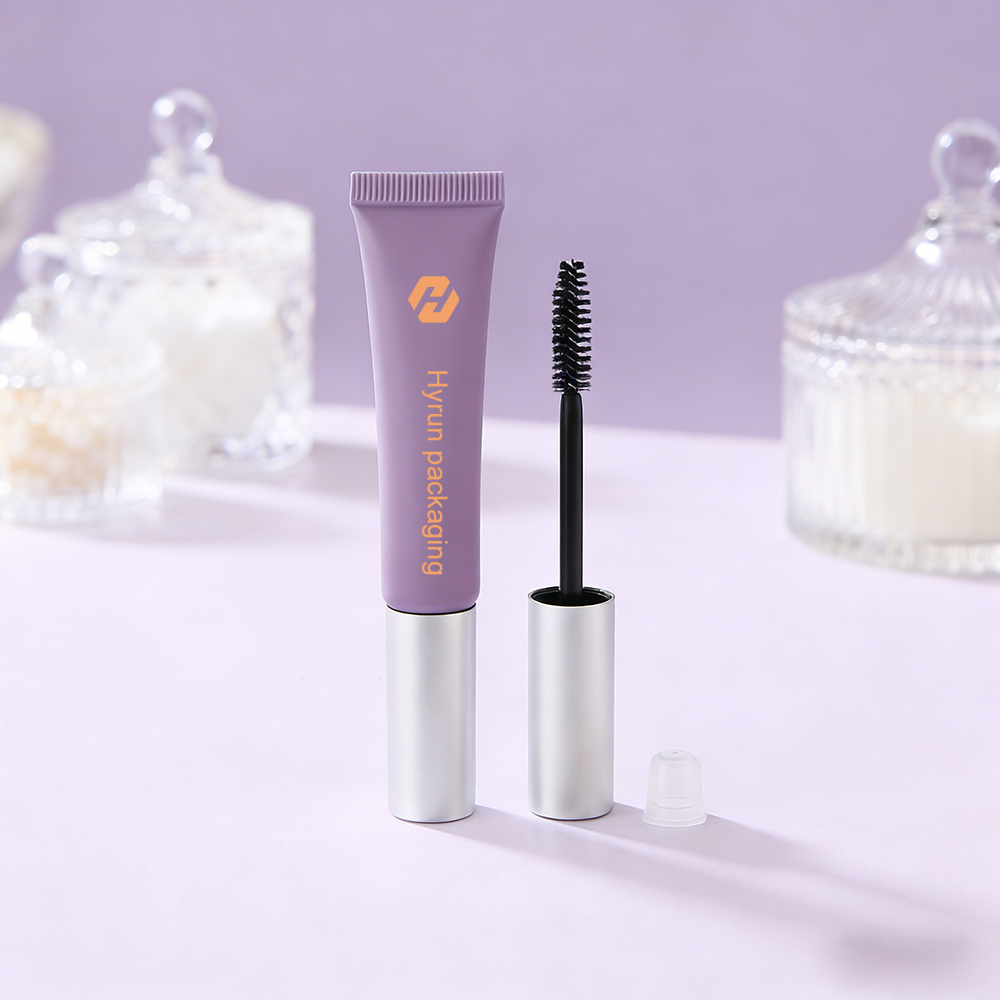
When sourcing, ensure the brush diameter is perfectly calibrated to the tube’s internal wiper orifice. A mismatch of even 0.1mm can result in too much or too little product on the wand. This leads to clumping or poor color payoff, which frustrates the final consumer. Most professional mascara tubes utilize a wiper with an orifice size between 3.5mm and 4.8mm. Perfect calibration between the brush and the wiper is the key to high-end performance.
The friction coefficient of the brush material also affects how the formula adheres to the bristles. Silicone-based formulas often perform better with molded TPE brushes for a smoother application. Wax-heavy formulas generally require the “grip” provided by traditional nylon fibers to lift the lashes. Test several combinations to find the one that complements your specific chemical formulation perfectly. Selecting the right brush geometry is a technical decision that defines the brand’s identity.
Evaluating Versatile Packaging Options
Selecting the right packaging involves more than just selecting a standard shape or a basic black color. Professional brands must decide between classic aesthetics and bold, colorful designs to stand out in a crowded market. While a black mascara tube manufacturer provides the industry standard, vibrant colors like gold, green, or pink can help define a new product line. These color options often require specialized masterbatching to ensure the hue remains consistent. Consistent color across different production runs is a sign of manufacturing excellence.
When you evaluate a supplier, check if they offer a variety of finishes, such as matte, high-gloss, or metallic. The ability to customize the tube color, like those found in the Hyrun Packaging collection, allows for better market segmentation. High-end brands often use metallic finishes to convey luxury, while bright oranges or blues target younger, trend-driven demographics. Ensure the supplier can provide matching caps and bottles to maintain a professional, cohesive look for the entire collection. Customizable components allow brands to tailor their packaging to specific formula requirements and target audiences.
Summary
Sourcing professional mascara tubes requires a deep focus on airtight seals, material safety, and brush-wiper calibration. Professional buyers must prioritize manufacturers that offer ISO-certified quality and precise engineering tolerances. By selecting the right tube mascara brush and understanding the technical lifespan of the product, you ensure long-term brand success. Proper packaging prevents formula degradation and guarantees a high-quality experience for the professional consumer.
FAQ
Q:How do I know if a mascara tube is airtight?
Professional buyers perform vacuum leak tests at high pressures to ensure no air or liquid escapes the seal. A firm “click” or stop upon closing the cap also indicates a secure seal.
Q:What is the best material for high-end mascara tubes?
PETG is highly recommended for its excellent chemical resistance, while ABS is a popular choice for durable, decorative caps. Both materials offer the stability needed for professional cosmetic formulas.
Q:Can I customize the color of a black mascara tube?
Yes, most manufacturers can add custom pigments to the raw plastic or use secondary processes like electroplating. These options allow brands to create unique aesthetics while maintaining structural integrity.
Q:Why does the wiper size matter so much?
The wiper controls the dosage of the formula on the brush; if it is improperly sized, the product will clump. Accurate calibration ensures the consumer gets the perfect amount of mascara every time.
Q:How can I verify a manufacturer’s quality?
Request documented ISO certifications and check their internal defect rate statistics for large production runs. A defect rate below 1.5% is generally considered the standard for professional-grade manufacturing.
Reference Sources
Food and Drug Administration: Cosmetics Shelf Life and Safety Standards
https://www.fda.gov
Cosmetics Europe: The Personal Care Association Technical Guidelines
https://www.cosmeticseurope.eu
ASTM International: Standard Guide for Integrity Testing of Cosmetic Packaging
https://www.astm.org