
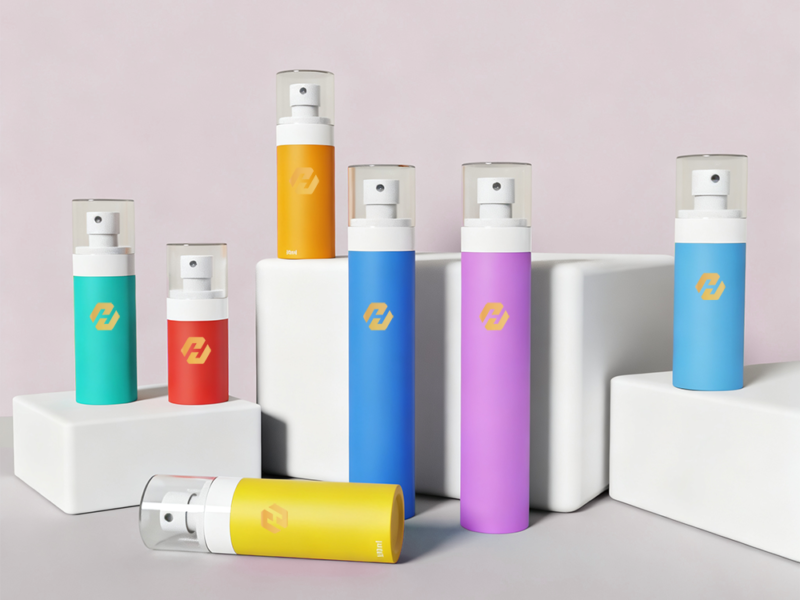
Selecting the right cosmetic packaging types is a critical step for any beauty brand. It impacts product stability, user experience, and brand perception. This guide explores the most common materials and formats used in the industry today.
The primary goal of packaging is to protect the formula from contamination and light. High-quality containers ensure that active ingredients remain stable over time. Consumers often judge a brand based on its primary container’s look and feel.
Understanding the diversity of cosmetic packaging types helps you make informed business decisions. Whether you are launching a startup or scaling an existing line, material choice is vital. Let us dive into the technical details of modern beauty containers.
What Are the Most Common Cosmetic Packaging Materials?
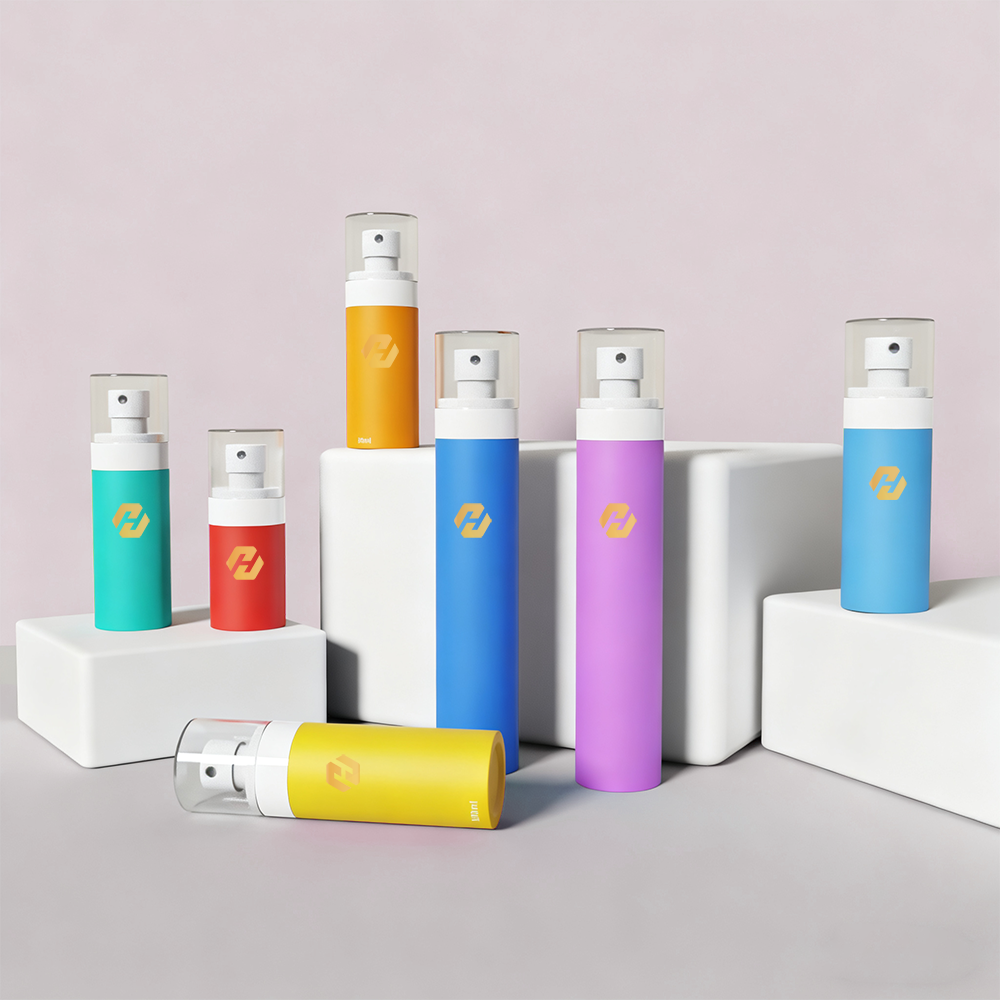
Plastic remains the dominant material in the beauty industry due to its versatility and low cost. Global data suggests that plastic accounts for nearly 50% of all cosmetic containers. Within this category, Polyethylene Terephthalate (PET) and Polypropylene (PP) are the most popular choices.
PET is favored for its glass-like transparency and high impact resistance. It provides an excellent moisture barrier for water-based products like mists and toners. According to industry reports, PET has a higher recycling rate than many other plastics.
Glass is the traditional choice for luxury skincare and fragrance brands. It is chemically inert, meaning it will not react with complex chemical formulas. However, its weight and fragility increase shipping costs and carbon footprints.
| Material Type | Best Use Case | Key Benefit |
| PET Plastic | Toners, Mists, Cleansers | Recyclable and lightweight |
| Glass | Serums, Perfumes, Creams | Premium feel and chemical inertness |
| Aluminum | Lotions, Balms, Haircare | 100% infinitely recyclable |
| PP Plastic | Airless pumps, Jar lids | High heat resistance |
Aluminum is gaining popularity as a sustainable alternative to single-use plastics. It is durable and can be recycled indefinitely without losing its structural integrity. Brands focusing on “zero-waste” often prioritize aluminum for its environmental benefits.
How to Choose Different Cosmetic Packaging Types?
Choosing the right cosmetic packaging types requires a deep understanding of your formula’s viscosity. Thin liquids like facial mists require fine sprayers to ensure even application. Thicker creams work best in wide-mouth jars or squeeze tubes.
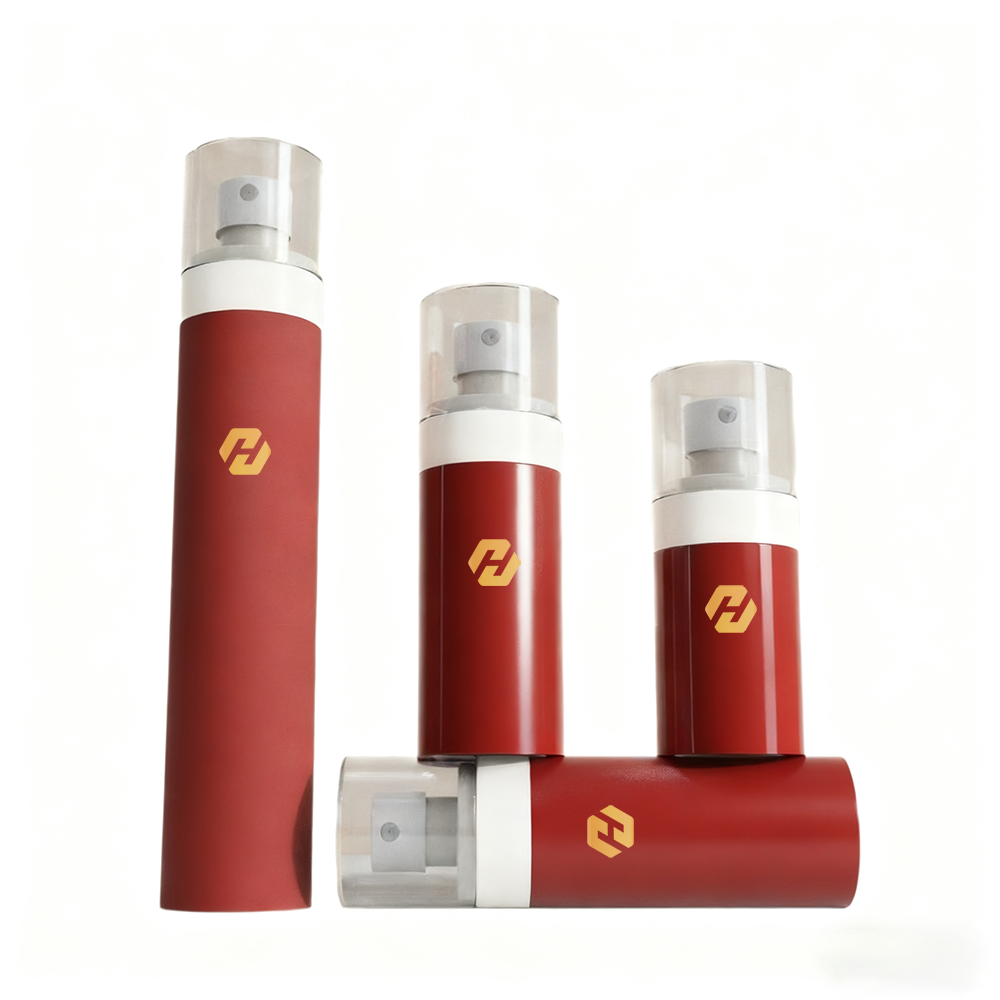
Airless pump bottles are essential for formulas sensitive to oxygen, such as Vitamin C serums. These containers prevent air from entering the chamber, extending the product’s shelf life. Data shows that airless systems can reduce preservative requirements by up to 15%.
Compatibility testing is the most important part of the selection process. Certain essential oils can degrade specific plastics over several months. Always perform a “leak test” and “stress test” before finalizing your packaging order.
Consider the user’s daily routine when selecting a container format. Travel-sized bottles are ideal for portable skincare products used on the go. Larger pump dispensers are better suited for bathroom use, such as body lotions or shampoos.
Identifying Key Features of Modern Beauty Containers
Modern cosmetic packaging types often feature advanced dispensing mechanisms. Droppers are standard for facial oils because they allow precise dosage control. This prevents product waste and ensures the user applies the correct amount.
Mist sprayers are designed to turn liquid formulas into a fine cloud. This is crucial for products meant to be applied over makeup without smudging. The orifice size of the sprayer determines the micron size of the droplets produced.
Double-walled jars provide a high-end aesthetic and extra protection against temperature fluctuations. The inner wall holds the product, while the outer wall offers a premium visual appeal. This design is common in luxury anti-aging creams and masks.
Sustainability Trends in Cosmetic Packaging Types
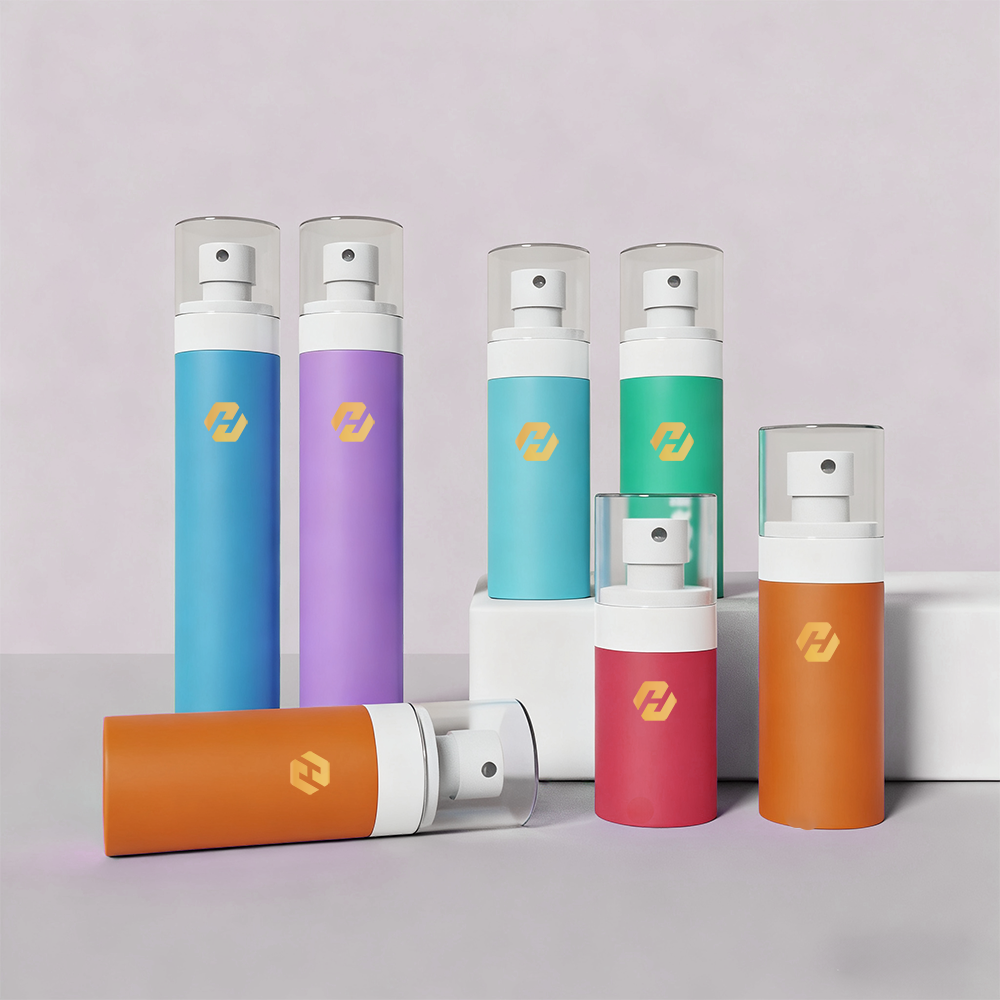
The beauty industry is shifting toward “circular” cosmetic packaging types. Post-consumer recycled (PCR) plastic is now a standard requirement for many eco-conscious retailers. Using PCR reduces the demand for virgin plastic production and lowers carbon emissions.
Refillable systems are another major trend gaining traction among global brands. Customers buy a durable outer case once and purchase smaller “refill pods” thereafter. This model significantly reduces the volume of plastic sent to landfills each year.
Biodegradable materials made from cornstarch or bamboo are also entering the market. While promising, these materials often require specific industrial composting conditions to break down. Always verify the disposal infrastructure in your target market before claiming compostability.
How to Select the Best Mist Bottles for Your Skincare Line
When looking for cosmetic packaging types for facial mists, PET spray bottles are often the top choice. You should judge a mist bottle based on its spray consistency and material clarity. A high-quality PET bottle should look as clear as glass but remain shatterproof during shipping.
It is important to ensure the dip tube length matches the bottle height perfectly. A tube that is too short leaves product at the bottom, frustrating the customer. Conversely, a tube that is too long can kink and block the flow.
Consider the ergonomics of the spray head for better user satisfaction. The “actuation force” should be low enough for easy one-handed use. If you are developing a moisturizing mist, look for PET spray bottles for face moisture mist that offer a wide-angle spray pattern. This ensures the moisture covers the entire face in a single press.
Summary
Selecting the correct cosmetic packaging types involves balancing aesthetics, functionality, and sustainability. PET and glass remain the industry leaders for their reliability and protective qualities. By choosing the right material for your formula, you ensure product safety and enhance the overall customer experience.
FAQ
Q:What is the best packaging for natural skincare?
Glass or airless plastic bottles are usually best for natural skincare. These materials protect sensitive botanical ingredients from oxidation and chemical leaching.
Q:Is PET plastic safe for cosmetic packaging?
Yes, PET is widely considered safe and is FDA-approved for contact with personal care products. It is BPA-free and does not leak harmful chemicals into your formulas.
Q:Why are airless pumps better than regular pumps?
Airless pumps use a vacuum system instead of a straw to dispense product. This prevents air exposure, which keeps active ingredients fresh for a longer period.
Q:How can I make my cosmetic packaging more sustainable?
You can improve sustainability by using PCR materials, choosing monomaterial designs, or implementing refillable systems. Monomaterial packaging is easier for consumers to recycle at home.
Can I use any sprayer for a face mist?
No, you must choose a fine-mist sprayer specifically designed for facial application. Standard sprayers may produce large droplets that can disturb makeup or feel uncomfortable on the skin.
Reference Sources
Association of Plastic Recyclers (APR)
https://plasticsrecycling.org/
Glass Packaging Institute (GPI)
https://www.gpi.org/
Sustainable Packaging Coalition (SPC)
https://sustainablepackaging.org/
Cosmetics Europe – The Personal Care Association
https://cosmeticseurope.eu/