
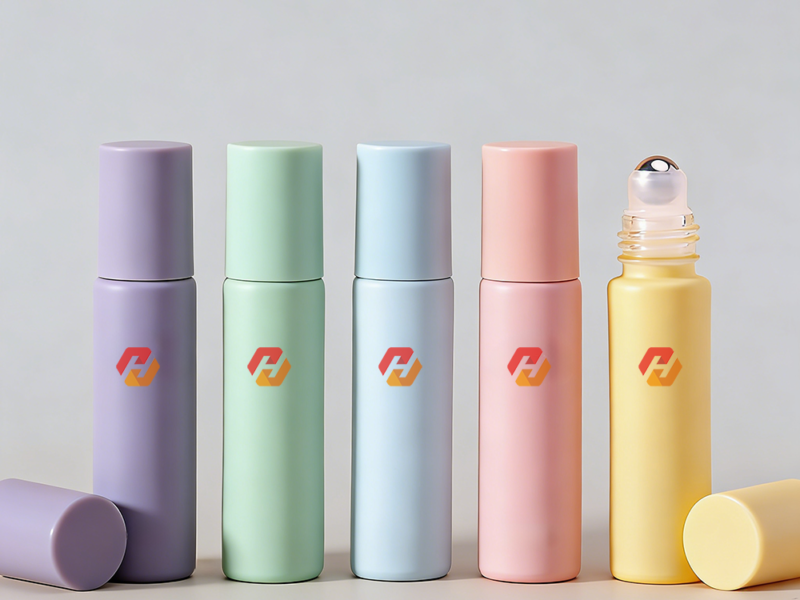
Packaging plays a vital role in the beauty industry. High-quality cosmetic bottles do more than just hold a liquid. They protect sensitive ingredients from air and light. They also serve as the primary touchpoint for consumer branding.
Choosing the right container requires an understanding of chemistry and design. Different formulas react uniquely to plastic, glass, or metal. This guide explains the essential types and materials used in modern cosmetic packaging.
The global cosmetic packaging market is expanding rapidly. Experts value this industry at approximately $33 billion as of 2023. It is expected to grow at a compound annual rate of 4.5% through 2030. This growth is driven by a rising demand for specialized dispensing systems.
What Are the Different Types of Cosmetic Bottles?
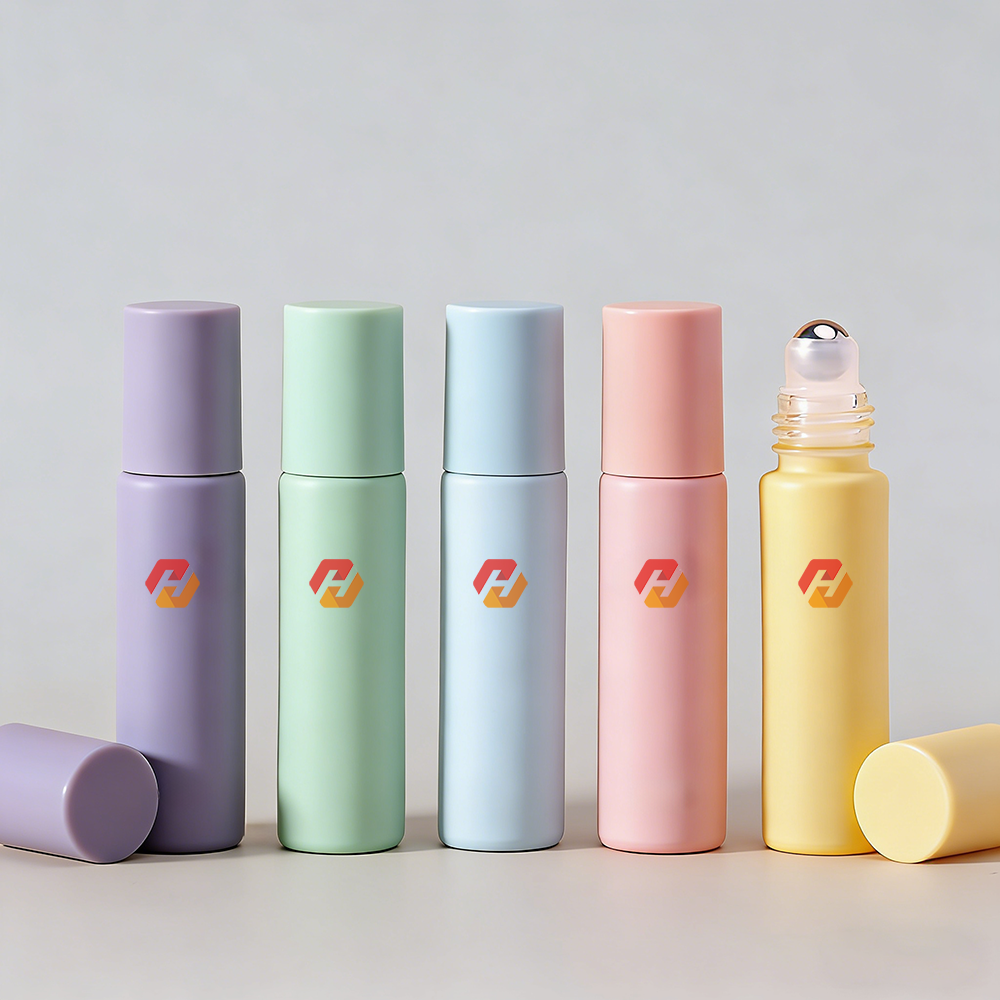
Selecting the correct bottle type depends on product viscosity. For instance, thin liquids require different mechanisms than thick creams. Understanding these categories ensures your product remains functional and shelf-stable.
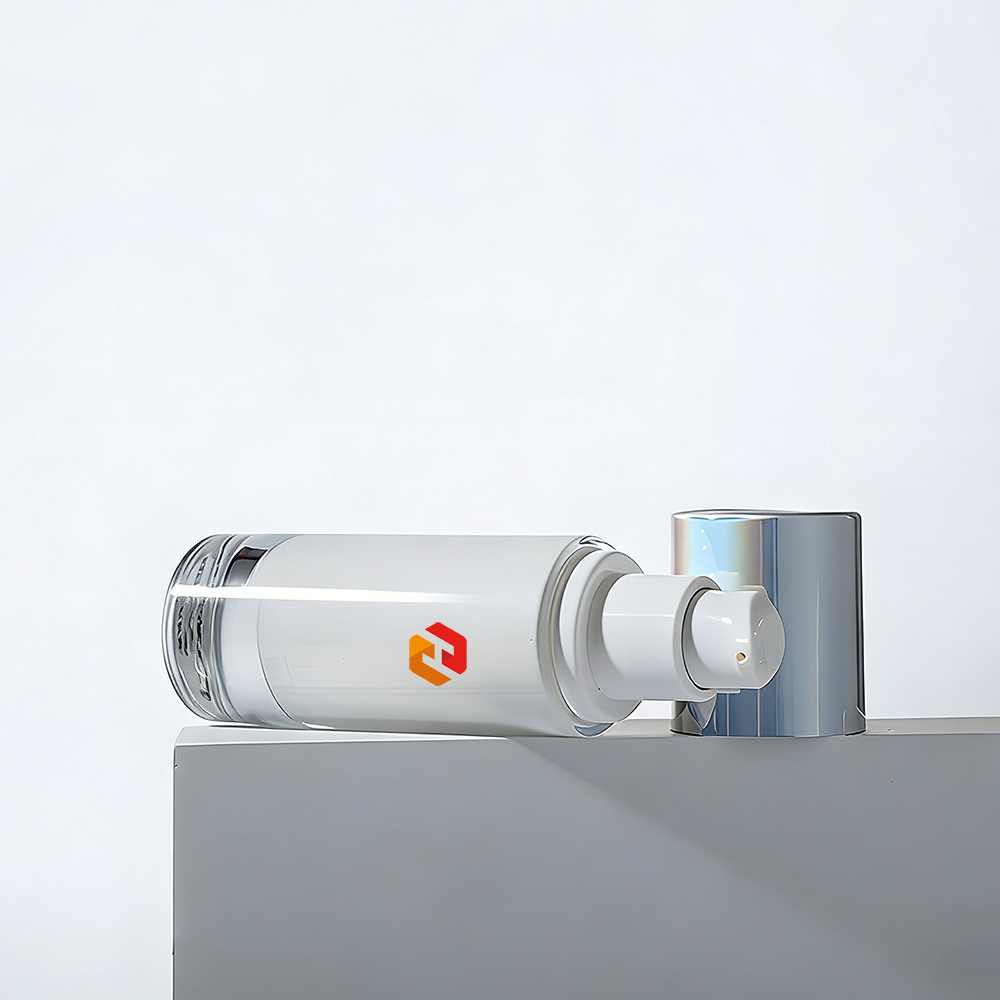
Airless bottles are a top choice for premium skincare. These containers use a vacuum system instead of a traditional dip tube. This design prevents oxygen from entering the chamber. Airless bottles can extend the shelf life of organic products by up to 15%.
Lotion and pump bottles are standard for moisturizers and soaps. They feature a spring-loaded mechanism for consistent dosing. Most pumps dispense between 0.2ml and 2.0ml of product per stroke. This precision helps consumers manage usage and reduces waste.
Spray and mist bottles are designed for low-viscosity liquids. They work well for perfumes, toners, and setting sprays. Fine mist sprayers provide an even distribution over a large surface area. Dropper bottles are preferred for high-potency serums or essential oils.
Exploring Common Materials for Cosmetic Packaging
Material choice affects both the cost and the perceived value of a brand. Cosmetic bottles are typically made from glass, plastic, or aluminum. Each material offers specific benefits regarding chemical resistance and recyclability.
PET (Polyethylene Terephthalate) is the most common plastic for beauty products. It is lightweight, strong, and highly transparent. PET provides an excellent oxygen barrier, which protects active ingredients from oxidation. It is also 100% recyclable, making it a sustainable choice for many brands.
Glass remains the gold standard for luxury and chemical stability. It is completely inert and does not react with acidic or volatile formulas. Dark amber or cobalt blue glass blocks 99% of harmful UV rays. This protection is critical for vitamins and botanical extracts.
PP (Polypropylene) is often used for caps and heavy-walled jars. It has a high melting point and excellent chemical resistance. Many “BPA-free” products utilize PP for safety. Acrylic is another popular option for a “glass-like” look with the durability of plastic.
| Material | Transparency | Chemical Resistance | Recyclability |
| PET Plastic | High | Moderate | High |
| Glass | High | Excellent | High |
| PP Plastic | Translucent | High | Moderate |
| Acrylic | Very High | Moderate | Low |
Technical Considerations for Performance
The functionality of cosmetic bottles extends to the closure system. A poor seal leads to leaks or product evaporation. Standard neck sizes like 18/410 or 24/410 define the compatibility between bottles and pumps.
Compatibility testing is a mandatory step in product development. Certain essential oils can “stress crack” specific plastics over time. Brands typically conduct a 90-day stability test at elevated temperatures. This ensures the packaging does not degrade the formula.
Sustainability is no longer optional for modern manufacturers. Recent surveys show that 60% of consumers prioritize eco-friendly packaging. Post-consumer recycled (PCR) plastic is becoming a mainstream solution. Using PCR materials can reduce the carbon footprint of packaging by up to 25%.
How to Choose the Right Cosmetic Bottles for Your Brand
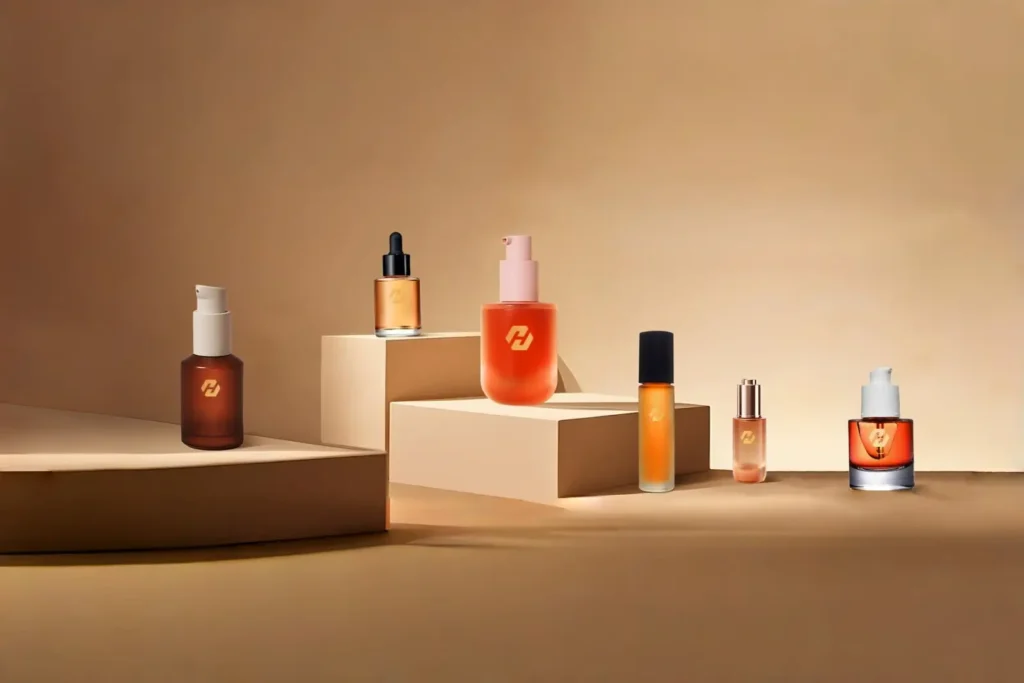
Selecting a supplier involves evaluating both aesthetic variety and manufacturing standards. You must determine if a bottle can withstand the rigors of shipping. Consider the weight and wall thickness to ensure a premium feel.
High-performance brands often look for integrated solutions where pumps and bottles are designed to fit perfectly. This reduces the risk of leakage during transit. Evaluating the “dosage per pump” is also essential for user satisfaction.
Specialized providers like Hyrun Packaging offer a wide range of customizable options. Their inventory includes everything from airless systems to luxury glass jars. Looking for a supplier with diverse material options helps in scaling your brand. Consistency in neck finishes and thread precision is the hallmark of a reliable manufacturer.
Summary
Choosing the right cosmetic bottles involves balancing material science with consumer experience. Glass offers the best protection for sensitive formulas, while PET provides lightweight versatility. By matching the bottle type to product viscosity, brands ensure both efficacy and professional presentation.
FAQ
Q:Which cosmetic bottles are best for vitamin C serums?
Amber glass bottles or opaque airless bottles are the best choices for vitamin C. These containers protect the unstable formula from light and oxygen, preventing it from turning brown or losing potency.
Q:What is the difference between PET and PP plastic?
PET is highly transparent and ideal for showing the color of the product. PP is more flexible and has better resistance to high heat and chemicals, making it suitable for caps and heavy creams.
Q:Why should I choose airless cosmetic bottles?
Airless bottles prevent oxidation by eliminating the need for a dip tube and air intake. This allows for a 99% product evacuation rate, meaning consumers can use every drop of the product.
Q:Are plastic cosmetic bottles safe for long-term storage?
Most high-grade plastics like PET and PP are safe, provided they pass compatibility tests with the specific formula. For highly volatile or acidic products, glass remains the safest long-term storage option.
Q:How do I find the right neck size for a pump?
Standardized thread sizes (like 20/410) indicate the diameter and thread type. You must match the bottle’s neck finish precisely to the pump’s closure size to prevent leaks.
Reference Sources
Cosmetics Europe – The Personal Care Association
https://cosmeticseurope.eu/
Glass Packaging Institute (GPI)
https://www.gpi.org/
Association of Plastic Recyclers (APR)
https://plasticsrecycling.org/