
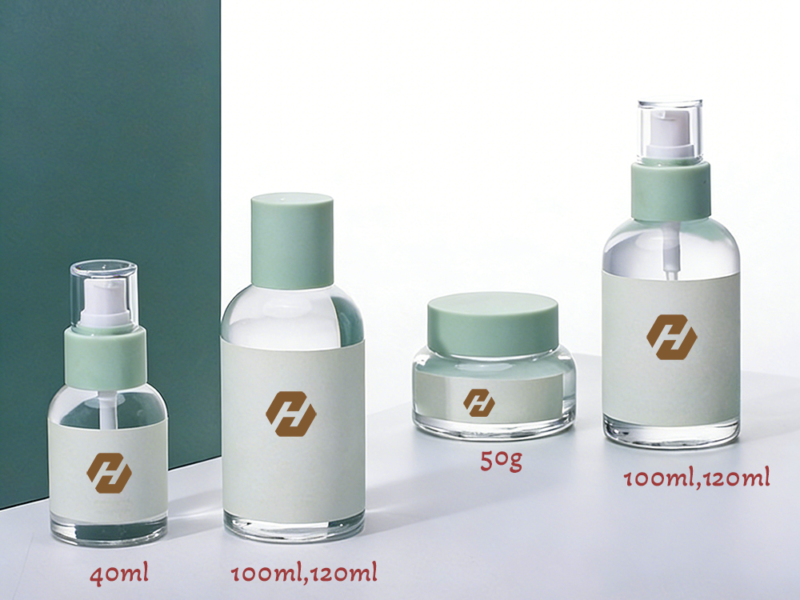
The beauty industry faces a major packaging dilemma today. Brands must choose between the durability of plastic and the luxury of glass. This decision affects brand perception, product safety, and environmental impact.Understanding the debate of plastic vs glass bottles is essential for any cosmetic manufacturer. Both materials offer unique benefits and distinct challenges. This guide examines the technical differences to help you make an informed decision.
Selecting the right container ensures your formula remains stable over time. It also influences how consumers perceive the value of your product. Let us explore the core factors that define these two popular materials.
Evaluating Durability and Aesthetic Appeal
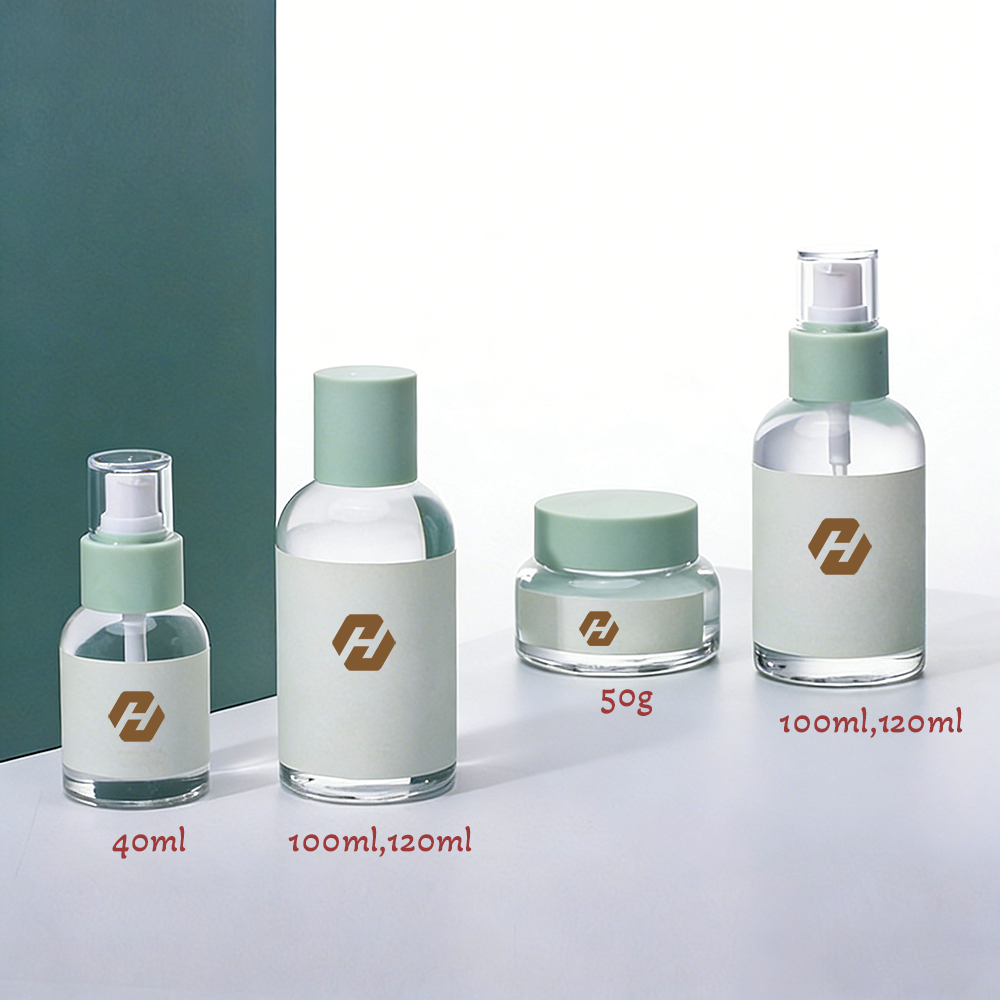
Plastic is often the first choice for mass-market beauty products. It is lightweight and highly resistant to shattering during shipping. Brands typically choose plastic for shower products to ensure consumer safety in wet environments.
However, glass remains the gold standard for luxury skincare and perfumes. Its weight provides a premium feel that plastic cannot easily replicate. Plastic vs glass bottles comparisons often highlight that glass does not scratch as easily as plastic.
Glass offers superior clarity, allowing the natural color of the product to shine. Plastic can become cloudy or yellowed over time when exposed to certain light conditions. High-end brands prefer the timeless look of flint glass for their flagship serums.
| Feature | Plastic Packaging | Glass Packaging |
| Weight | Extremely Lightweight | Heavy and Substantial |
| Durability | Shatterproof and Flexible | Fragile and Brittle |
| Recyclability | Varies by Plastic Type | 100% Infinitely Recyclable |
| Barrier Quality | Moderate to Low | Exceptional / Airtight |
| Luxury Perception | Standard / Economy | Premium / High-End |
Chemical Safety and Formula Integrity
Chemical compatibility is the most critical technical factor in packaging. Some active ingredients in skincare react with plastic polymers over time. This reaction may lead to “leaching,” where chemicals from the plastic enter the product.
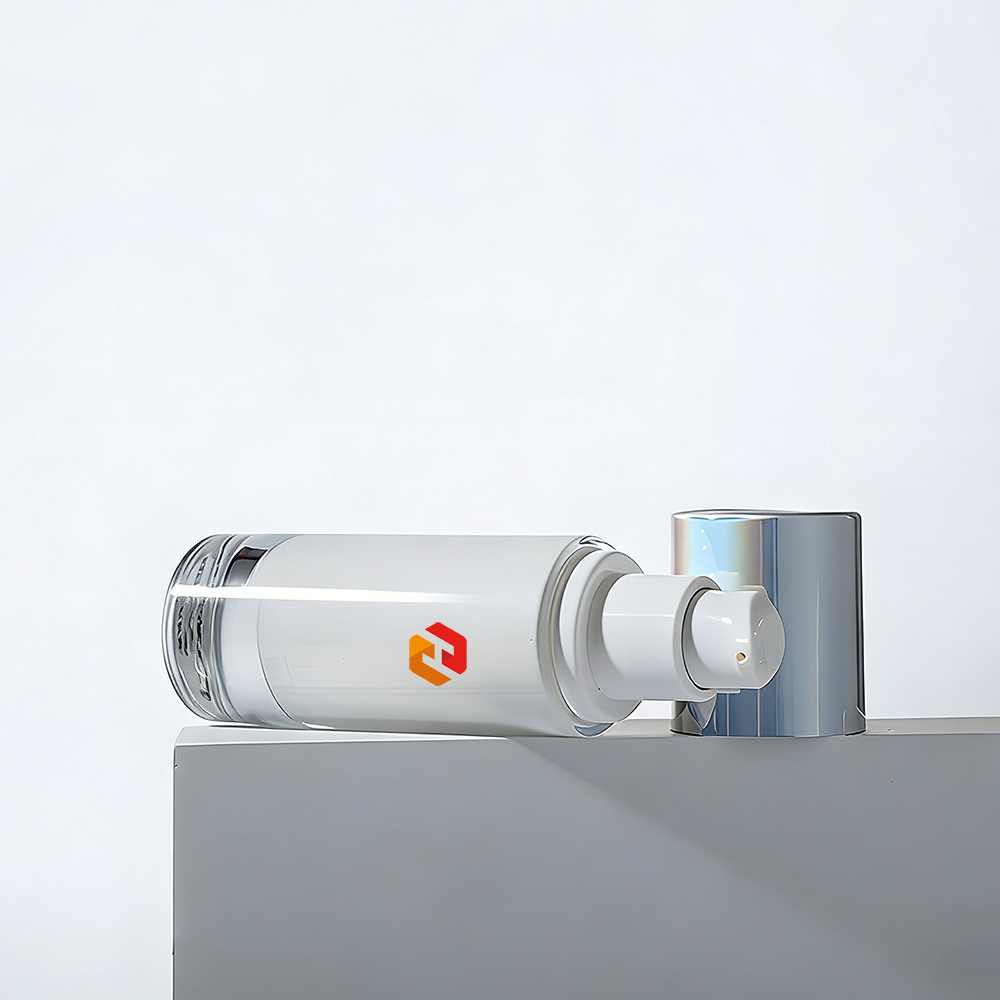
Plastic vs glass bottles have different levels of permeability. Glass is non-porous and chemically inert, meaning it does not react with skincare ingredients. This makes it the safest choice for formulas containing essential oils or acids.
Studies show that glass provides an excellent barrier against oxygen and moisture. Oxygen exposure can cause many cosmetic ingredients to oxidize and lose potency. Glass bottles provide the best protection for vitamin C and retinol formulas.
Data from packaging research indicates that glass allows near-zero gas permeation. In contrast, many plastics like PET allow tiny amounts of oxygen to pass through. This can shorten the shelf life of sensitive organic cosmetic products.
Environmental Impact and Recycling Facts
Sustainability is a major concern for modern consumers and beauty brands alike. The environmental footprint of plastic vs glass bottles is a complex topic. Both materials require significant energy to produce and transport.
Glass is made from abundant natural raw materials like sand and limestone. It is 100% recyclable and can be processed indefinitely without losing quality. According to the Glass Packaging Institute, recycled glass can replace up to 95% of raw materials.
Plastic recycling is much more limited and technically challenging. Most plastic can only be recycled a few times before the fibers break down. Glass bottles are often perceived as more eco-friendly because they are easily reused.
However, the weight of glass increases carbon emissions during transportation. Heavy glass containers require more fuel to move from the factory to the store. Brands must balance the recyclability of glass against the shipping efficiency of plastic.
How to Choose the Best Glass Pump Bottles
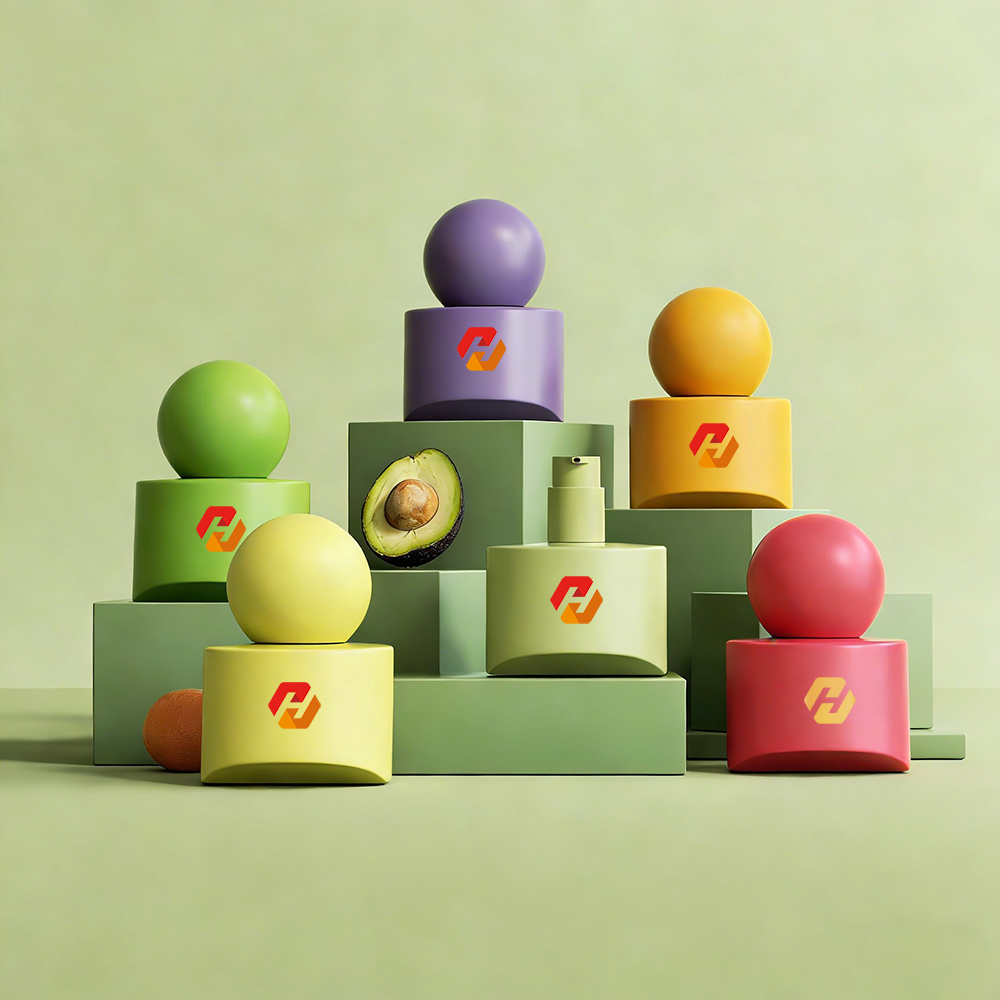
When deciding on packaging, you must evaluate the specific needs of your formula. The viscosity of your liquid determines whether a pump or a pour-top is necessary. Glass pump bottles are ideal for lotions, foundations, and high-viscosity serums.
Consider the light sensitivity of your ingredients before finalizing your design. Clear glass is beautiful but offers little protection against UV rays. If your formula contains light-sensitive actives, choose amber or coated glass options.
The seal quality of the pump mechanism is just as important as the bottle. A high-quality pump prevents air from entering the container after every use. This helps maintain the preservative system and prevents the formula from drying out.
Check the compatibility of the pump dip tube with your specific product. Some thick creams require a wider tube for consistent dispensing. Selecting the right glass pump bottle ensures a luxury user experience.
Summary
The choice between plastic vs glass bottles depends on your brand identity and formula requirements. Plastic offers convenience and lower shipping costs for high-volume products. Glass provides unmatched chemical stability, luxury appeal, and infinite recyclability for premium skincare lines.
FAQ
Q:Are glass bottles better than plastic for organic skincare?
Yes, glass is generally better for organic products because it is chemically inert. It prevents the leaching of chemicals and protects sensitive natural ingredients from oxidation.
Q:Which material is more cost-effective for a new beauty brand?
Plastic is usually more cost-effective due to lower manufacturing and shipping costs. However, glass may justify a higher retail price point because of its premium perception.
Q:Can glass bottles be used for all types of cosmetic pumps?
Most standard pumps are compatible with glass bottles if the neck finish matches. Common sizes like 18/410 or 20/410 allow brands to swap between different sprayers and lotion pumps.
Q:Is glass more sustainable than recycled plastic (PCR)?
Glass is often considered more sustainable because it is infinitely recyclable. While PCR plastic reduces waste, it still eventually ends up in landfills after several recycling cycles.
Q:Does glass protect cosmetics from sunlight better than plastic?
Not necessarily, as clear glass allows UV light to pass through. To protect products from light, you must use colored glass or plastic with UV-blocking additives.
Reference Sources:
Environmental Protection Agency (EPA) – Containers and Packaging Product-Specific Data
https://www.epa.gov/
Glass Packaging Institute (GPI) – Glass Recycling Facts and Benefits
https://www.gpi.org/
FEVE – The European Container Glass Federation – Circular Economy and Sustainability
https://feve.org/