
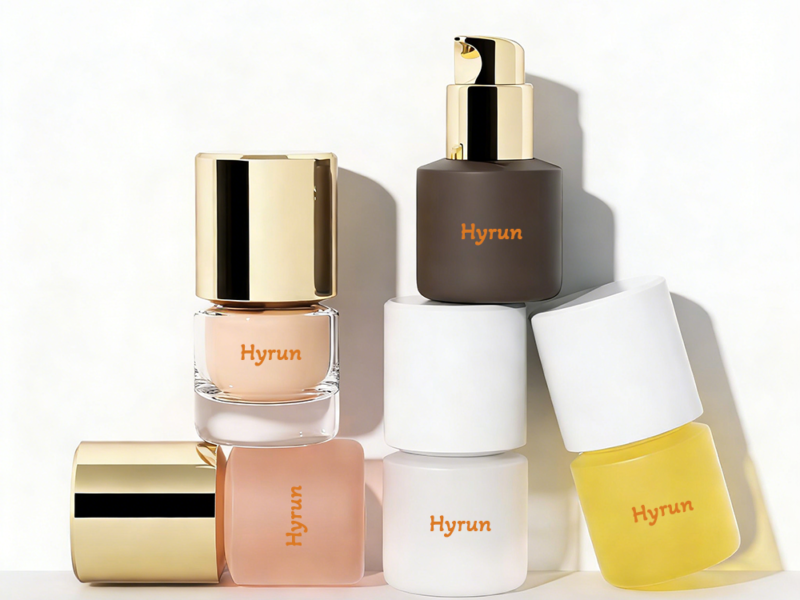
The beauty industry is entering a new era of conscious luxury and high-performance design. In 2026, cosmetic packaging trends focus on environmental responsibility and enhanced user experiences. Brands must balance aesthetic appeal with functional sustainability to stay competitive. Consumers now demand transparency and efficiency in every product they purchase.
Modern packaging serves as a bridge between the brand and the digital world. It is no longer just a container for liquids or creams. Innovations in material science are reshaping how products are stored and dispensed. These shifts are driven by a global push toward a circular economy.
Understanding these changes is essential for any growing beauty business. By adopting the right cosmetic packaging trends, you can build stronger consumer trust. This guide explores the pivotal shifts defining the market in the coming years.
Why is Sustainable Design the Core of 2026 Trends?
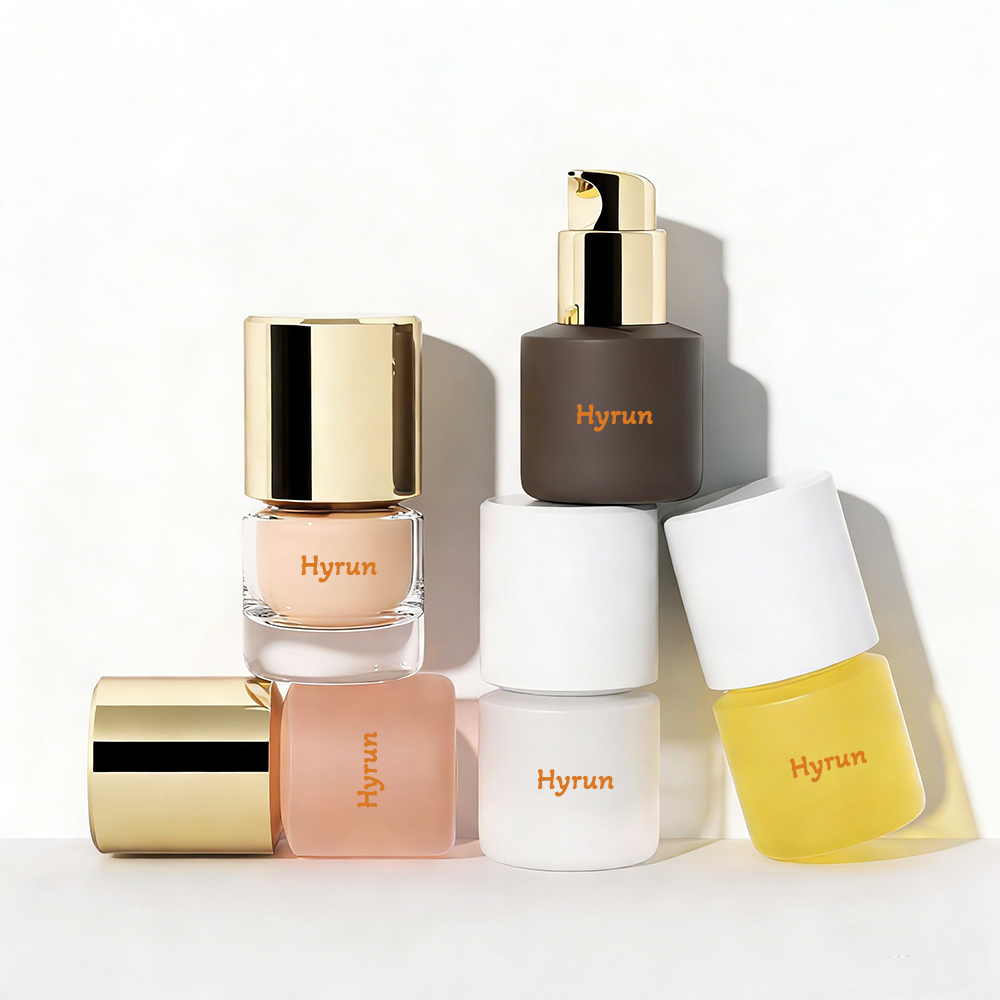
Sustainability has transitioned from a niche requirement to a mandatory industry standard. By 2026, the global sustainable packaging market is expected to reach $470 billion. This growth is fueled by strict regulations and changing consumer preferences. Brands are now prioritizing Post-Consumer Recycled (PCR) plastics and monomaterials.
Monomaterials simplify the recycling process because they consist of a single plastic type. This eliminates the need for complex sorting at recycling facilities. Monomaterial pumps and bottles are becoming the gold standard for luxury skincare. They offer a premium feel while remaining fully recyclable.
The shift toward carbon neutrality is also influencing material choices. Many companies are replacing traditional petroleum-based plastics with bio-based alternatives. These materials offer the same durability without the long-term environmental footprint. Sustainable cosmetic packaging trends emphasize reducing the total weight of the container.
| Packaging Feature | Benefit for the Brand | Sustainability Impact |
| PCR Materials | Enhances brand reputation | Reduces virgin plastic use |
| Monomaterial Design | Simplifies supply chain | 100% Recyclable |
| Refillable Systems | Increases customer loyalty | Minimizes single-use waste |
| Airless Technology | Protects organic formulas | Reduces product oxidation |
Top Cosmetic Packaging Trends Influencing Consumer Choice
Refillable packaging systems are gaining massive popularity among eco-conscious shoppers. Data shows that 60% of consumers prefer brands that offer refillable beauty solutions. These systems allow users to keep a high-quality outer shell while replacing the inner cartridge. This strategy lowers the cost per use and reduces plastic waste by up to 70%.
Smart packaging is another trend that is redefining the consumer journey. Integrating QR codes or NFC chips allows brands to share detailed ingredient information. Consumers can scan the bottle to see the product’s origin or recycling instructions. This digital layer adds value without cluttering the physical design.
Minimalism remains a dominant aesthetic for cosmetic packaging trends in 2026. Clean lines, matte finishes, and neutral tones convey a sense of modern luxury. Brands are moving away from excessive secondary packaging like outer boxes. This “naked” packaging approach saves resources and appeals to the “less is more” philosophy.
The Role of Airless Technology in Modern Formulations
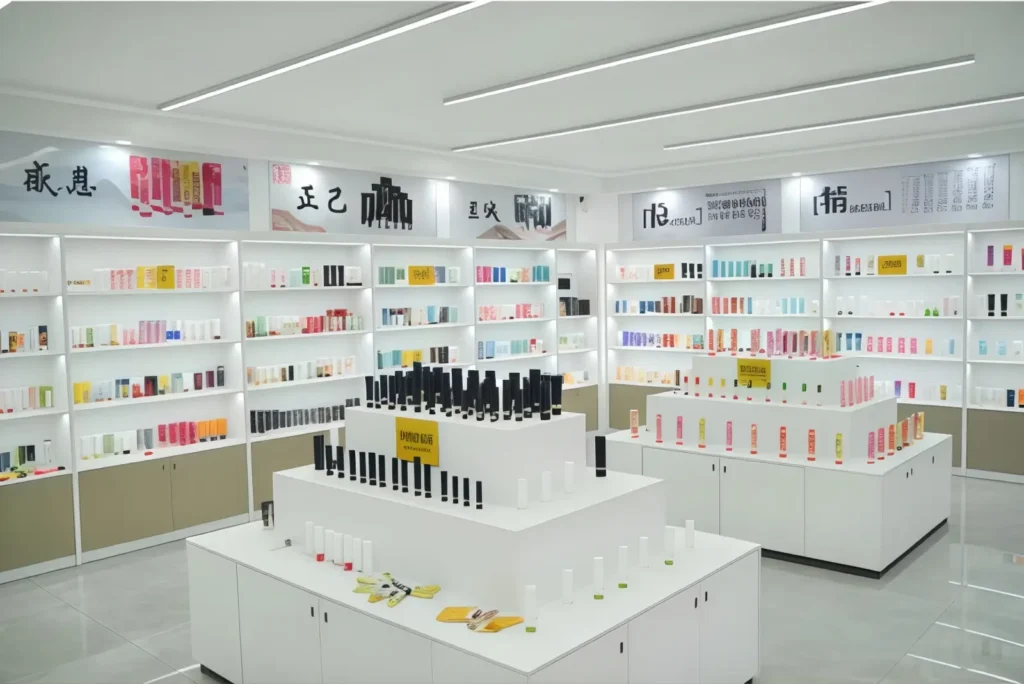
The rise of “clean beauty” has led to formulas with fewer synthetic preservatives. Consequently, airless bottle technology has become essential for formula stability. These systems prevent air from entering the container during use. This protection extends the shelf life of sensitive vitamin C or retinol products.
Airless pumps also ensure that consumers can use every drop of the product. Traditional tubes often leave up to 15% of the cream trapped inside. Airless systems use a vacuum mechanism to push the product upward efficiently. This high evacuation rate increases perceived value and customer satisfaction.
Designers are now combining airless functionality with luxury materials like glass or thick-walled acrylic. This combination offers both high-end protection and a prestigious appearance. Cosmetic packaging trends now favor components that look beautiful on a vanity while performing flawlessly. This dual focus is critical for premium skincare brands.
How to Select the Right Cosmetic Bottles for Your Brand
Choosing the right container requires a balance between formula compatibility and brand identity. You must first determine if your product is sensitive to light or oxygen. For active ingredients, airless bottles or opaque glass are often the best choices. These materials provide a stable environment that maintains the efficacy of the treatment.
Next, consider the user experience during the dispensing process. A high-viscosity lotion requires a pump with a larger output or a wide-mouth jar. For liquid serums, a precision dropper or a fine-mist sprayer is more appropriate. The ease of use directly impacts how often a customer will reach for your product.
Finally, evaluate the environmental impact of your material choices. Selecting PCR plastic or refillable glass bottles demonstrates a commitment to the planet. These options are increasingly available in various shapes and sizes to fit any aesthetic. High-quality suppliers offer customization services to help your brand stand out on the shelf.
The right packaging acts as a silent salesperson for your brand. It communicates your values and promises quality before the user even opens the lid. For those looking to upgrade their inventory, exploring a diverse range of cosmetic bottles is a vital first step. Focusing on durability and style will ensure long-term success in the competitive beauty market.
Summary
In 2026, cosmetic packaging trends focus on sustainability, refillable designs, and advanced protection through airless technology. Brands must prioritize eco-friendly materials like PCR and monomaterials to meet consumer expectations. By combining functional innovation with minimalist aesthetics, beauty brands can create a lasting impact and foster deep customer loyalty.
FAQ
Q:What are the most popular materials for cosmetic packaging in 2026?
The most popular materials include PCR (Post-Consumer Recycled) plastic, glass, and monomaterials like 100% PP. These materials are favored because they support a circular economy and are easier to recycle.
Q:Why is airless packaging better for skincare products?
Airless packaging is superior because it prevents oxidation and contamination by blocking air entry. It also allows for a nearly 100% product discharge rate, reducing waste for the consumer.
Q:How do refillable beauty products benefit brands?
Refillable products increase customer retention by encouraging repeat purchases of refill units. They also help brands reach sustainability goals by significantly reducing the amount of plastic used per customer over time.
Q:What is the “clean beauty” impact on packaging?
Clean beauty requires packaging that protects formulas without heavy preservatives. This trend has driven the adoption of airless pumps and UV-protected glass to ensure product safety and longevity.
Reference Sources
Smithers: The Future of Global Packaging to 2026
https://www.smithers.com/
Grand View Research: Cosmetic Packaging Market Size & Trends
https://www.grandviewresearch.com/
Ellen MacArthur Foundation: Circular Economy for Plastics
https://www.ellenmacarthurfoundation.org/