
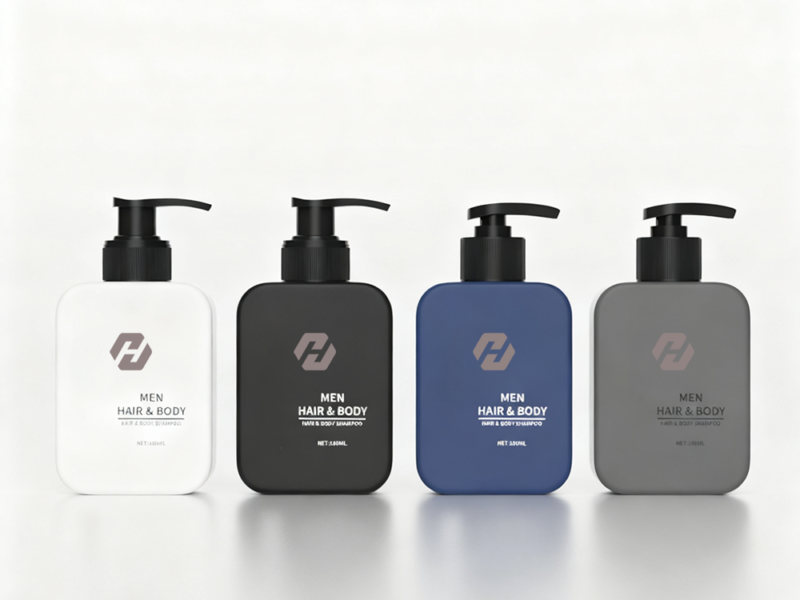
Packaging is the first physical touchpoint between a skincare brand and its customers. Selecting the right lotion bottles ensures product integrity and enhances the overall user experience. This guide explores various styles, materials, and functional designs to help you make informed decisions.
The global cosmetic packaging market continues to expand rapidly. Experts value this market at over $50 billion as of 2023. High-quality lotion bottles play a critical role in this growth by protecting sensitive formulas from oxidation.
What Are the Common Types of Lotion Bottles?
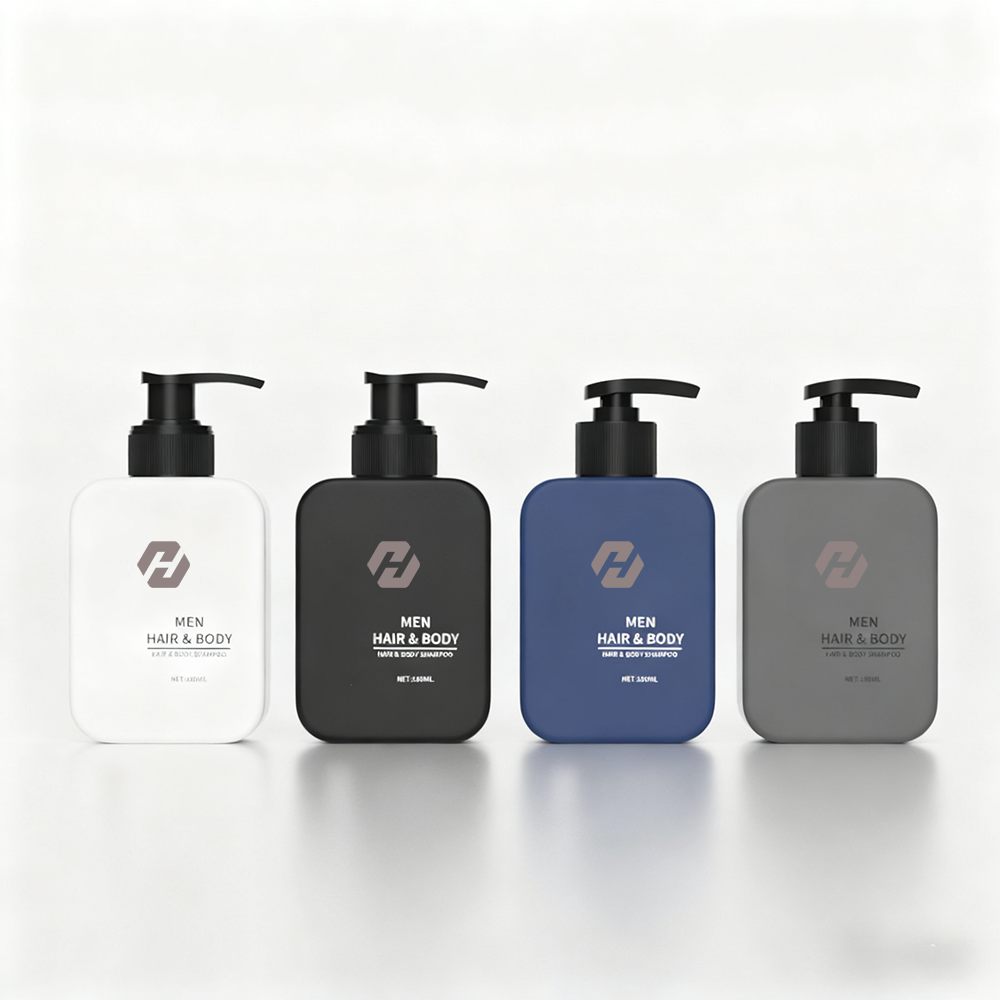
There are several categories of lotion bottles based on their dispensing mechanisms and shapes. Pump bottles are the most popular choice for body lotions and facial creams. They provide a controlled dosage, usually ranging from 0.5cc to 4.0cc per stroke.
Airless pump bottles represent the premium end of the market. These containers use a vacuum system to push the product upward. This design prevents air exposure, which is vital for preservative-free or organic formulations.
Standard screw-cap or flip-top bottles are common for thinner, more fluid lotions. These are often cost-effective and easy to manufacture in high volumes. Boston round bottles remain a timeless classic due to their sturdy shoulders and balanced proportions.
Material Selection and Technical Specifications
Choosing the right material affects both the shelf life and the perceived value of the product. Manufacturers typically use PET, PP, or Glass for most lotion bottles. Each material offers unique chemical resistance and aesthetic qualities.
| Material | Transparency | Durability | Sustainability |
| PET | High (Glass-like) | Excellent | Highly Recyclable |
| PP | Translucent | High | Chemical Resistant |
| Glass | High | Fragile | Infinitely Recyclable |
| Acrylic | Very High | Moderate | Hard to Recycle |
PET plastic is currently the industry standard for mass-market body lotions. It is lightweight, shatterproof, and cost-efficient for shipping. Studies show that replacing glass with PET can reduce transport-related carbon emissions by up to 30%.
Glass remains the top choice for luxury skincare brands. It is non-reactive, meaning it will not leach chemicals into the lotion. For light-sensitive ingredients like Vitamin C or Retinol, amber or opaque glass bottles provide essential UV protection.
Key Design Features for Custom Lotion Bottles
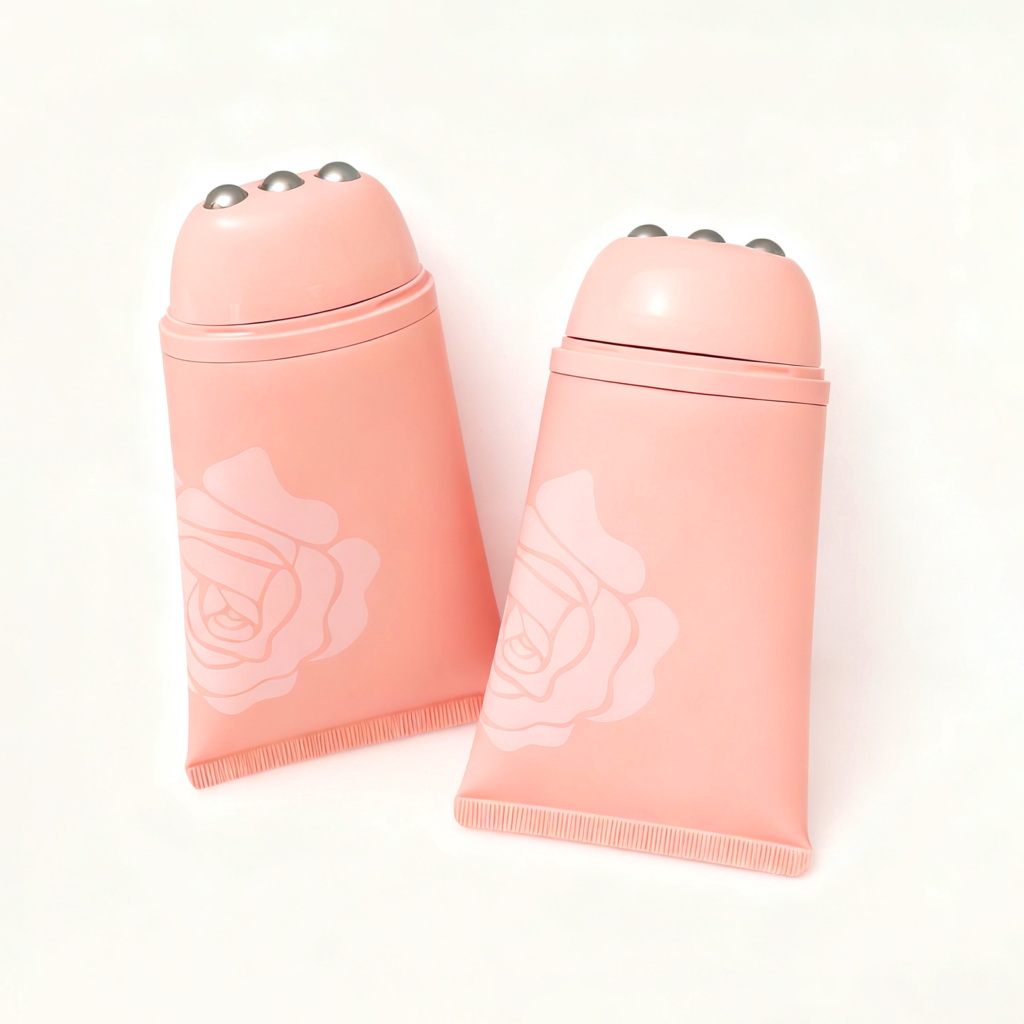
Effective design focuses on both ergonomics and brand identity. The shape of lotion bottles should fit comfortably in the user’s hand. Oval and ergonomic round shapes are often preferred for large-format body lotions.
Surface decoration transforms a standard container into a branded asset. Options include silk-screen printing, hot stamping, and frosting. A frosted finish creates a premium feel while hiding any air bubbles within the product.
The closure system is equally important for functionality. Most lotion bottles use a “lock-up” or “left-right” pump mechanism. These designs prevent accidental leakage during shipping or travel, ensuring a mess-free experience for the consumer.
Sustainability Trends in Skincare Packaging
Modern consumers demand eco-friendly options for their daily routines. PCR (Post-Consumer Recycled) plastic is becoming a standard requirement for many retailers. Using 30% to 100% PCR helps brands reduce their reliance on virgin plastics.
Refillable systems are also gaining significant traction in the beauty industry. Brands now design heavy-walled lotion bottles intended for long-term use. Customers simply purchase a lightweight refill pouch or cartridge, reducing plastic waste by nearly 70%.
Monomaterial packaging is another major innovation in 2024. Most traditional pumps contain metal springs that complicate the recycling process. All-plastic pumps allow the entire bottle to be recycled without disassembly, simplifying the waste stream.
How to Determine the Right Bottle Capacity and Closure
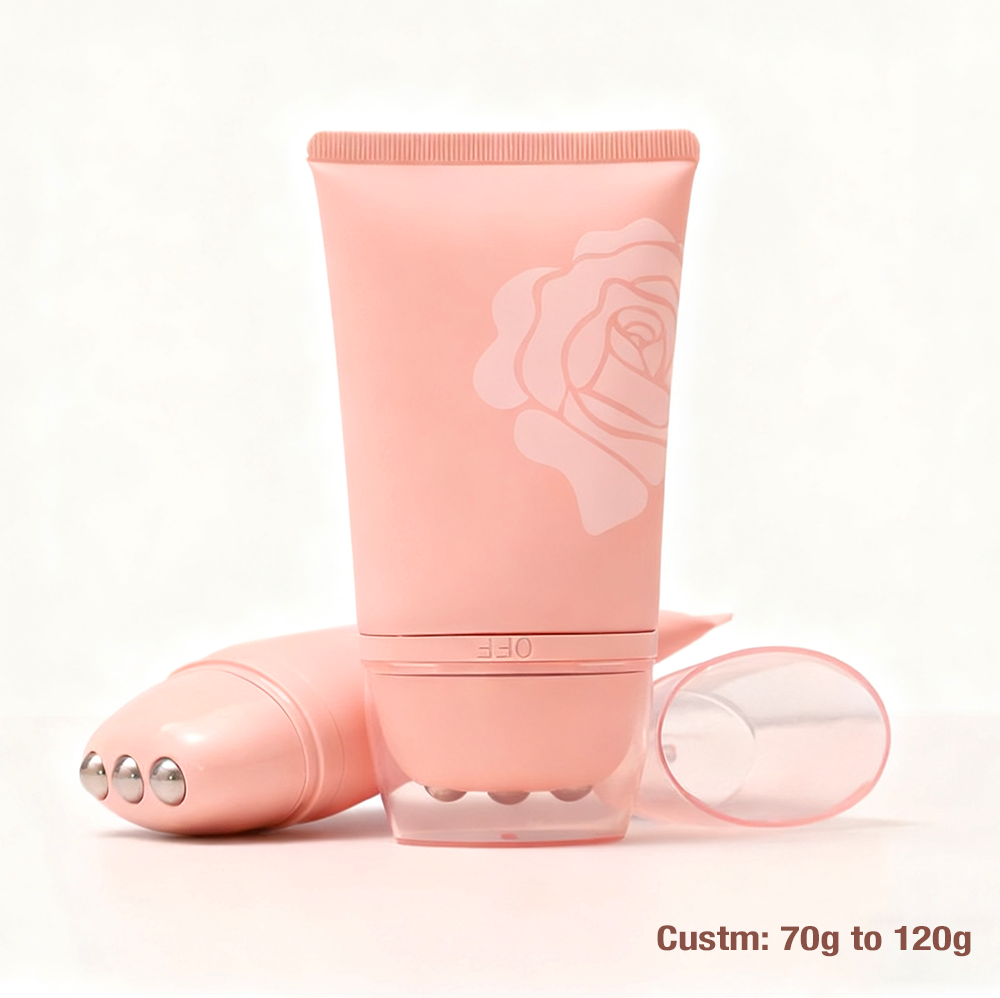
Selecting the ideal size depends entirely on the product’s intended use. Travel-sized lotion bottles typically range from 30ml to 100ml. These sizes comply with airline liquid restrictions, making them perfect for on-the-go skincare kits.
Daily body lotions usually require larger capacities, such as 250ml or 500ml. Larger bottles often feature wider bases to prevent tipping during pump operation. A stable base is essential for high-viscosity products that require more force to dispense.
When choosing a closure, consider the viscosity of your formula. Thin lotions work well with standard mist sprayers or disc-top caps. Thick creams require heavy-duty pumps with larger internal dip tubes to prevent clogging.
You can explore a wide variety of these professional options by visiting the Hyrun Packaging body lotion collection. Their catalog provides detailed specifications on material types and neck finishes. This resource helps you match your formula requirements with the best available packaging technology.
Conclusion
Choosing the right lotion bottles requires balancing material science, functional design, and sustainability. PET and Glass remain the top choices for durability and purity. By prioritizing user-friendly pumps and eco-friendly materials, brands can successfully protect their formulas while appealing to modern consumers.
FAQ
Q:Which material is best for organic lotion bottles?
Glass or airless PET bottles are best for organic products. These materials provide the highest level of protection against oxidation and chemical leaching.
Q:How do airless lotion bottles work?
Airless bottles use a vacuum piston mechanism instead of a traditional dip tube. As the pump is pressed, a disc at the bottom moves up to push the product out.
Q:Can lotion bottles be recycled?
Most PET and PP bottles are fully recyclable, provided they are cleaned. However, traditional pumps with metal springs may need to be removed before disposal.
Q:What is the benefit of using PCR plastic?
PCR plastic reduces environmental impact by repurposing existing waste. It helps brands meet sustainability goals and appeals to eco-conscious buyers.
Q:Why do some pumps fail to dispense lotion?
Pump failure is usually caused by air pockets or high product viscosity. Priming the pump by pressing it several times usually solves the issue.
Reference Sources:
Association of Plastic Recyclers (APR) – Plastic Packaging Recyclability Standards
https://plasticsrecycling.org/
Glass Packaging Institute (GPI) – Benefits of Glass for Cosmetics
https://www.gpi.org/
Sustainable Packaging Coalition (SPC) – Industry Reports
https://sustainablepackaging.org/