
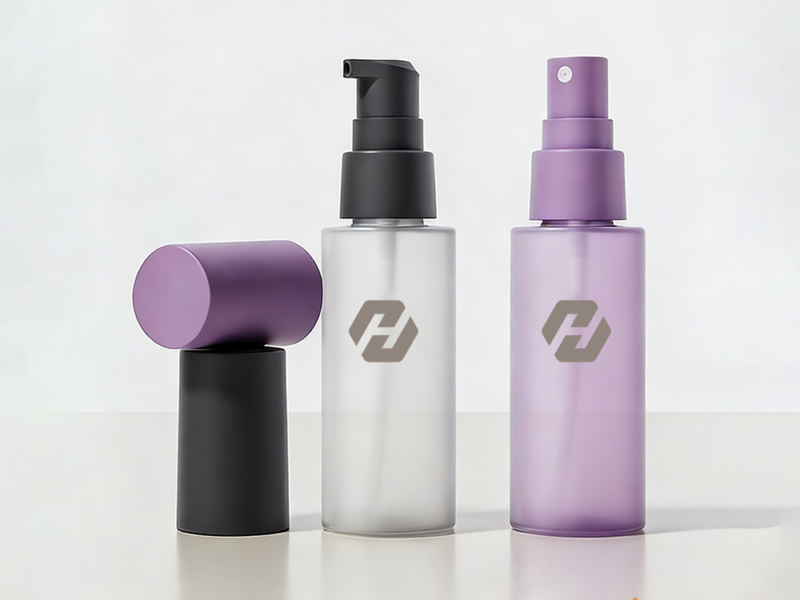
The beauty market in 2026 demands both efficiency and high aesthetic standards. Brands frequently choose plastic cosmetic bottles wholesale to reduce overhead costs while maintaining variety. Selecting the right container is vital for product stability and consumer appeal. This guide provides actionable insights for sourcing premium packaging solutions.
Quality packaging serves as the primary touchpoint between your brand and the consumer. Plastic remains a top choice due to its durability and lightweight properties. Modern manufacturing allows for intricate designs that mimic luxury materials. Understanding the nuances of wholesale sourcing helps you make informed purchasing decisions.
A successful procurement strategy balances price, material quality, and environmental impact. You must evaluate suppliers based on their technical capabilities and reliability. This article explores the essential factors for securing the best wholesale deals. Let us examine the materials and methods that define the industry today.
What Are the Key Considerations for Plastic Cosmetic Bottles Wholesale?
Sourcing plastic cosmetic bottles wholesale involves more than just finding the lowest price. You must first define the chemical requirements of your specific formula. Some active ingredients may react with certain plastic resins over time. Proper testing ensures that your packaging maintains the product’s efficacy throughout its shelf life.
Moisture and oxygen barriers are critical for preserving sensitive cosmetic products. High-density materials prevent the evaporation of essential oils and active compounds. In 2026, many brands utilize multi-layer technology to enhance protection levels. These innovations help in maintaining the freshness of organic and preservative-free formulations.
Cost-effectiveness is another major factor in bulk purchasing. Buying in large quantities significantly lowers the price per unit for most brands. However, you must also consider the costs associated with storage and logistics. Large-scale orders require a reliable warehouse strategy to prevent inventory damage.
The table below highlights the most common plastic materials used in 2026. These materials offer different benefits for various types of beauty products.
| Material | Best For | Key Features |
| PET | Toners, Serums | 100% Recyclable, High Transparency |
| PP | Creams, Hair Wax | Chemical Resistance, Heat Stability |
| Acrylic | Luxury Skincare | Premium Appearance, Heavy Wall |
| HDPE | Cleansers | High Strength, Moisture Barrier |
Design flexibility is a major advantage of plastic containers. Manufacturers can create custom shapes that align with your brand identity. You can choose from various finishes like matte, glossy, or frosted textures. Customization helps your product stand out on crowded retail shelves.
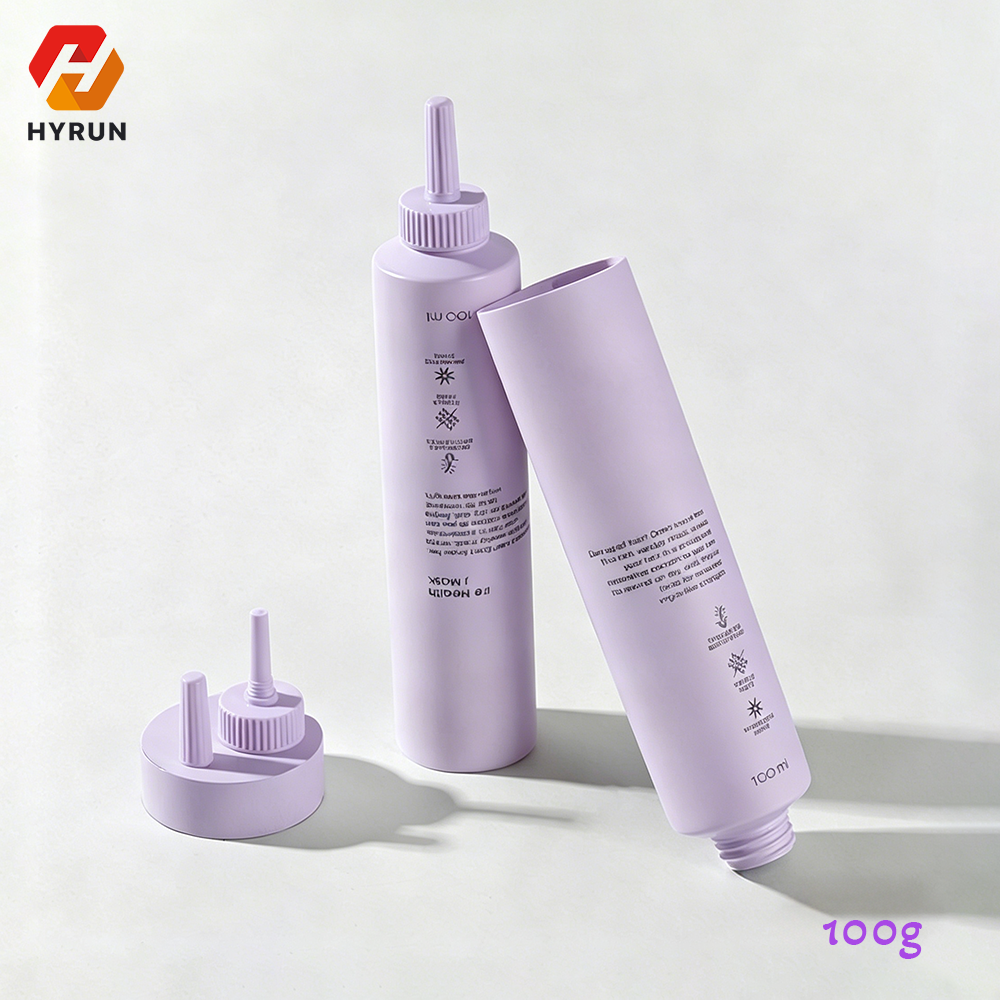
Popular Materials for Plastic Cosmetic Bottles Wholesale
PET is widely recognized for its glass-like clarity and shatterproof nature. It is the most common material for brands seeking plastic cosmetic bottles wholesale. PET is lightweight, which reduces shipping costs and carbon emissions during transport. It is also highly compatible with a wide range of pump and spray closures.
Polypropylene (PP) is preferred for products that require a higher level of durability. It offers excellent resistance to heat and chemicals, making it ideal for thick creams. PP containers are often used for jars and heavy-duty pump bottles. This material is naturally translucent but can be colored easily during production.
Acrylic provides a high-end look that competes with traditional glass packaging. It is much lighter and more resistant to breakage than glass. Brands often use acrylic for luxury serums and anti-aging creams. The heavy-wall construction gives the packaging a premium feel that consumers associate with quality.
HDPE is a robust and opaque plastic used for industrial-sized beauty products. It provides a superior barrier against moisture and air. This makes it perfect for shampoos, conditioners, and large cleansers. HDPE is also one of the easiest plastics to recycle globally.
The choice of material directly impacts your product’s perceived value. Clear PET allows consumers to see the texture and color of the liquid inside. Opaque PP or HDPE protects light-sensitive formulas from UV degradation. Matching the material to the formula is a foundational step in product development.
Evaluating Quality and Technical Standards in 2026
Quality control is the most important part of sourcing plastic cosmetic bottles wholesale. You must verify that the supplier uses virgin resins for cosmetic-grade products. Recycled materials must meet specific safety standards to avoid chemical leaching. In 2026, leading manufacturers provide detailed Material Safety Data Sheets (MSDS) for all orders.
Dimensional accuracy is essential for ensuring a leak-proof seal. The neck finish of the bottle must match the closure precisely. Even a 0.1mm deviation can lead to product leakage during shipping. Professional suppliers use automated inspection systems to maintain high precision across bulk batches.
Visual inspections help identify defects like bubbles, scratches, or uneven coloring. These flaws can damage your brand’s reputation and lead to customer complaints. You should request a pre-shipment inspection report for every large order. This report verifies that the batch meets your agreed-upon quality benchmarks.
Industry data shows that 95% of high-quality bottles pass a standard vacuum leakage test. This test simulates the pressure changes experienced during air freight. Another critical metric is the drop test, where bottles are dropped from 1.2 meters. Durable containers must remain intact without any visible cracks or leaks.
Standardized testing reduces the risk of mass product recalls. It is much cheaper to test samples than to replace a faulty batch of thousands. Reliable partners will always encourage third-party testing for peace of mind. Consistency in manufacturing is what separates top-tier suppliers from the rest.
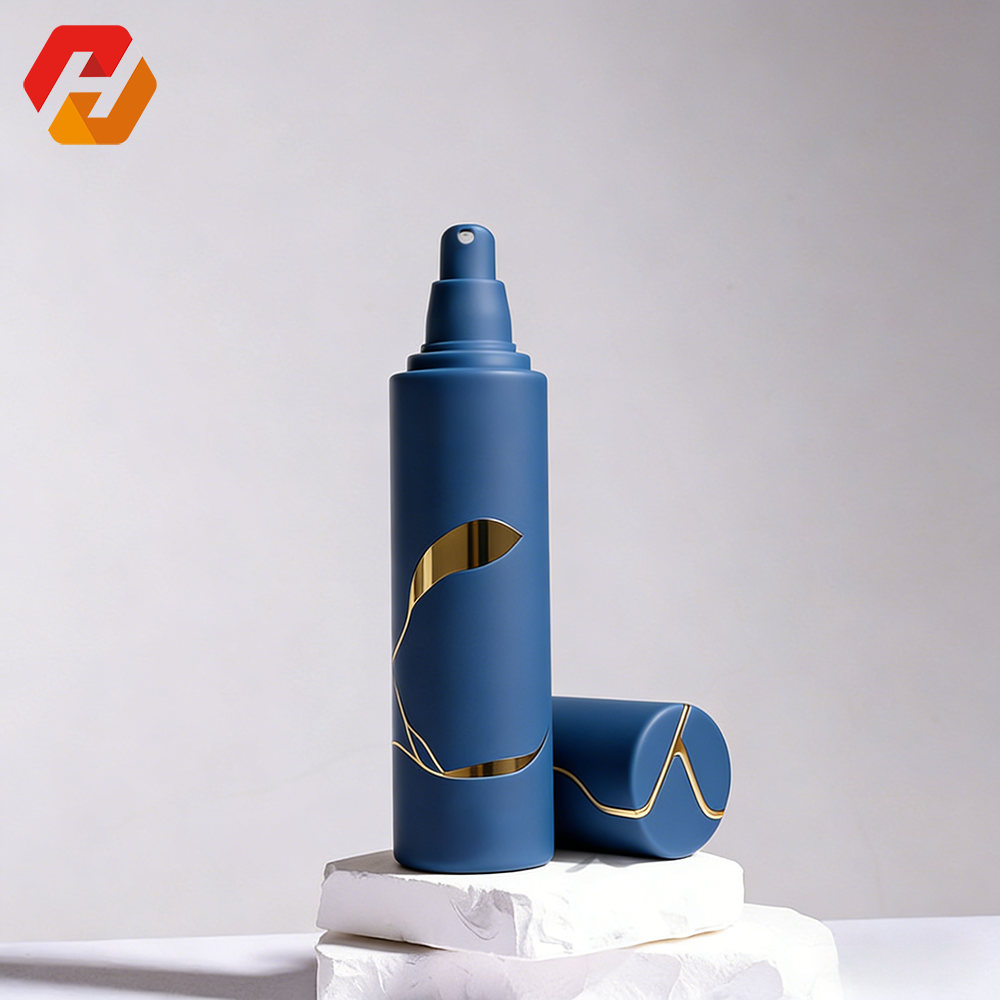
Sustainability and Innovation in Plastic Packaging
Sustainability is a core focus for the beauty industry in 2026. Many companies are moving away from traditional plastics toward Post-Consumer Recycled (PCR) options. PCR materials help reduce plastic waste by repurposing existing materials. Integrating PCR into your plastic cosmetic bottles wholesale strategy can improve your brand image.
Bio-based plastics are another innovative solution gaining popularity. These are derived from renewable resources like sugarcane rather than petroleum. They offer the same physical properties as traditional plastics but with a lower carbon footprint. Consumers are increasingly favoring brands that use these eco-friendly alternatives.
Airless technology has changed the way we dispense skincare products. Airless bottles use a vacuum system instead of a traditional straw. This prevents the product from being exposed to air and bacteria. It also allows consumers to use up to 99% of the product, reducing waste.
Refillable packaging systems are also on the rise this year. Brands are designing durable outer shells with replaceable inner plastic cartridges. This approach encourages repeat purchases and reduces the total amount of plastic used. It is a win-win for both the environment and brand loyalty.
Lightweighting is a manufacturing trend that reduces the amount of plastic per bottle. By optimizing the design, manufacturers can use 10% to 20% less resin. This leads to lower material costs and reduced shipping weights. Technological advancements make these thinner bottles just as strong as older designs.
How to Select the Best Packaging Solutions?
Choosing the right partner is the final step in your sourcing journey. You should look for a supplier that offers a wide variety of cosmetic bottles to meet your needs. A diverse catalog allows you to find the perfect match for different product lines. It also simplifies your supply chain by consolidating your orders.
Technical support is a valuable asset when selecting packaging solutions. A good supplier will help you choose the right material for your formula’s viscosity. They can provide advice on decoration techniques like silk screening or hot stamping. This expertise ensures that your final product looks professional and functions perfectly.
Minimum Order Quantities (MOQs) are a practical consideration for most beauty brands. You must find a balance between price per unit and the volume you can store. Some suppliers offer flexible MOQs for standard designs, which is great for startups. Custom designs usually require a higher initial investment in molds and production.
Lead times can significantly impact your product launch schedule. You should choose a partner with efficient production cycles and clear communication. Ask about their production capacity to ensure they can scale with your business. Reliability in delivery dates is essential for maintaining your marketing and sales momentum.
Finally, consider the total value rather than just the initial price. A slightly more expensive bottle that doesn’t leak is better for your bottom line. High-quality packaging reduces the cost of returns and damaged goods. Invest in a partner that prioritizes quality and innovation for long-term success.
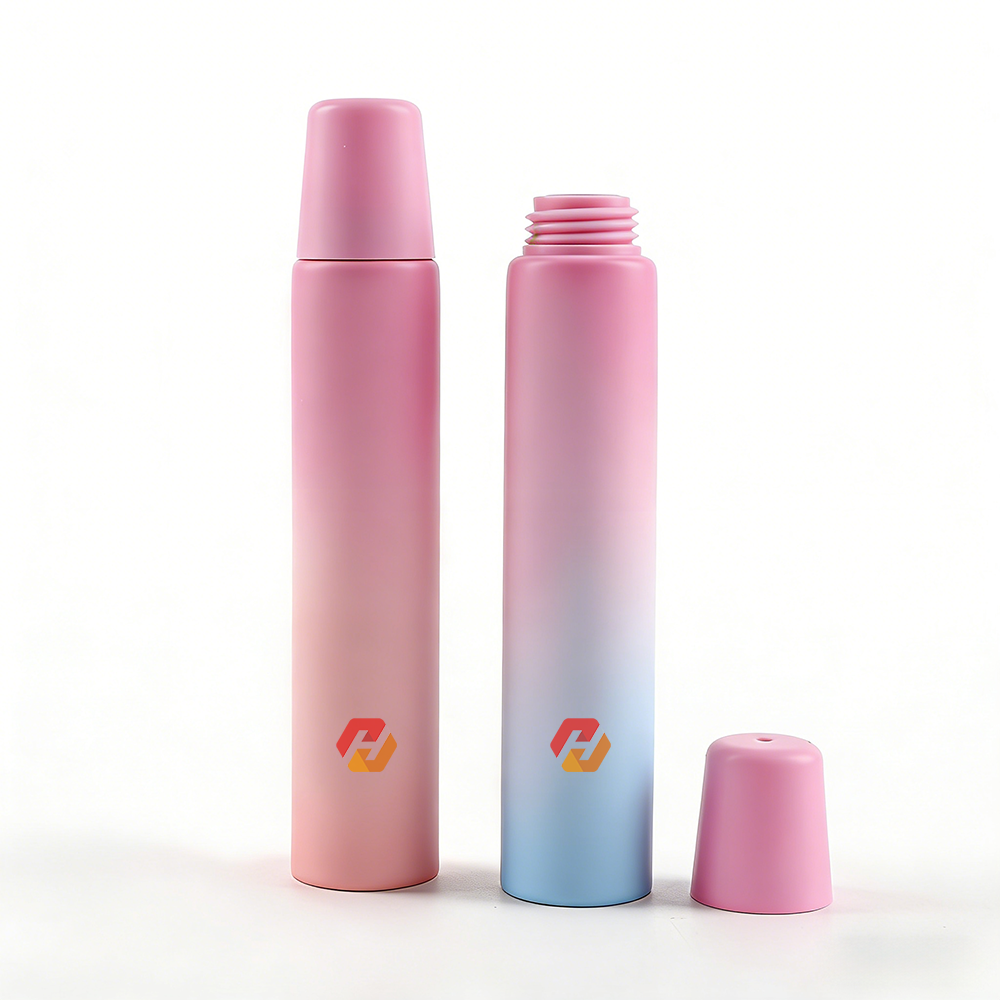
Summary
Sourcing plastic cosmetic bottles wholesale is a strategic decision that affects your brand’s future. By focusing on material science, quality testing, and sustainability, you can secure high-performing packaging. In 2026, the best brands prioritize functional designs that protect their formulas while appealing to eco-conscious consumers globally.
FAQ
1. What is the most common plastic used for cosmetic bottles?
PET is the most common plastic because it is clear, strong, and widely recyclable. It is ideal for a variety of products like lotions, toners, and hair care. Many brands choose PET for its glass-like appearance and low shipping weight.
2. Why should I choose airless bottles for my skincare brand?
Airless bottles prevent oxygen and contaminants from reaching your formula. This extends the shelf life of the product and reduces the need for heavy preservatives. They also ensure that customers can extract almost all the product from the container.
3. How can I ensure the plastic bottles I buy are eco-friendly?
Look for bottles made from PCR (Post-Consumer Recycled) plastic or bio-based resins. You can also choose materials like PET or PP that are easily accepted by local recycling programs. Using lightweight designs also contributes to a smaller environmental footprint.
4. What should I check before placing a bulk order?
You should always request samples to test for chemical compatibility and leakage. Check the supplier’s quality certifications, such as ISO 9001, to ensure consistent standards. Confirm the lead times and shipping costs to avoid any surprises during the procurement process.
5. Can plastic cosmetic bottles be customized with my brand logo?
Yes, most wholesale suppliers offer various decoration services. These include silk-screen printing, hot stamping, labeling, and custom color matching. Customization is key to building brand recognition and making your product stand out on the shelf.
Reference Sources
Packaging Digest – Trends in Cosmetic Packaging and Material Science
International Organization for Standardization (ISO) – ISO 9001 Quality Management Standards
Sustainable Packaging Coalition (SPC) – Strategies for Sustainable Plastic Sourcing