
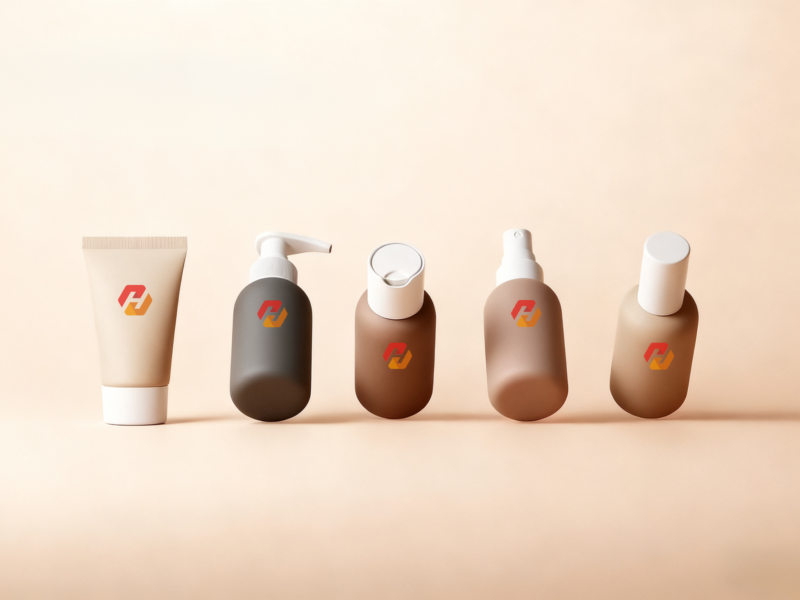
In the beauty and personal care industry, the primary container is far more than a vessel; it is a critical intersection of chemistry, engineering, and brand identity. For procurement managers and brand owners, the search for a reliable cosmetic packaging supplier is a high-stakes decision that dictates product stability, user experience, and market positioning.
The global cosmetic packaging market is shifting rapidly toward sustainable materials and high-precision dispensing systems. Navigating this landscape requires a deep understanding of manufacturing tolerances, material barriers, and supply chain reliability. This guide provides a professional framework for evaluating suppliers to ensure your choice supports long-term growth and technical excellence.
Assessing Technical Capability and Material Expertise
A competent supplier must demonstrate expertise across diverse material categories. The choice between glass, PET, PP, or aluminum depends entirely on your formulation’s sensitivity to light, oxygen, and pH levels. When evaluating a supplier, audit their proficiency in these core categories to ensure they can handle your specific formulation requirements.
How to evaluate bottle dispensing systems?
High-end serums and luxury skincare require specialized solutions. When sourcing cosmetic bottles, you must determine if the supplier offers airless technology to prevent oxidation. For standard lotions, check the high-output pump systems for mechanical consistency.
Why does tube barrier technology matter?
Barrier technology is essential for formulas containing active ingredients. When reviewing cosmetic tubes, investigate options for multi-layer PE or Aluminum Barrier Laminate (ABL). These materials prevent essential oils from permeating the plastic and losing potency.
What makes a high-quality jar construction?
Stability is the priority for creams and masks. Look for suppliers offering cosmetic jars with double-wall construction for luxury aesthetics or specialized glass jars for high chemical resistance. Ensure the lid threading is precision-engineered to prevent evaporation.
Compatibility Testing: The Manufacturing Non-Negotiable
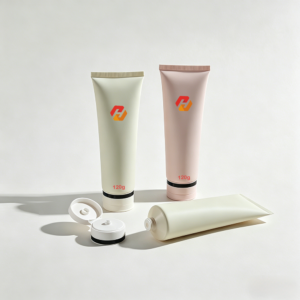
Professional procurement involves more than reviewing a catalog. The most common failure in cosmetic launches is “packaging incompatibility,” where the formula reacts with the container material, leading to leakage, discoloration, or structural failure of the plastic.
A reliable cosmetic packaging supplier will provide samples early for stability testing. This involves:
Vacuum Testing: Essential for bottles and jars to ensure seals remain intact during air transport.
Compatibility Stress Tests: Placing the filled container in high-temperature environments to simulate accelerated aging.
Dispensing Accuracy: Measuring the precise output of pumps and sprayers to ensure consistency for the end-user.
If a supplier is hesitant to provide technical data sheets (TDS) or samples for testing, it is a significant red flag regarding their quality control standards.
Evaluating Manufacturing Scalability and MOQ
The “ideal” supplier often depends on your current stage in the product lifecycle. Small brands may prioritize low Minimum Order Quantities (MOQ), while established enterprises prioritize high-volume production speed and automated quality inspection.
| Feature | Emerging Brands | Established Enterprises |
| Priority | Flexibility & Low MOQ | Unit Cost & Scalability |
| Packaging Choice | Standard cosmetic jars with custom labels | Custom-molded cosmetic tubes |
| Tooling Needs | Stock components | Private molds for brand exclusivity |
A strategic partner should be able to scale with you. Many suppliers specialize in stock components that allow for rapid market entry, but you must ensure they also possess the engineering capability to develop private molds when your brand requires a unique silhouette.
Sustainability and Compliance Standards
Modern cosmetic packaging is under intense regulatory and consumer scrutiny. Choosing a supplier that lacks certifications can lock you out of major retail markets. Ensure your partner adheres to modern environmental expectations.
ISO 9001/14001: For quality and environmental management systems.
PCR Options: The ability to incorporate Post-Consumer Recycled plastics (like PCR-PET or PCR-PP) into the manufacturing process.
BPA-Free & REACH Compliance: Especially critical for brands exporting to the EU or focusing on “Clean Beauty.”
Suppliers who are proactive about sustainability—offering refillable jar systems or mono-material tubes that are fully recyclable—provide a competitive edge in today’s eco-conscious market.
Logistics, Lead Times, and Communication
In the B2B manufacturing world, communication is the ultimate hedge against risk. A supplier’s responsiveness during the RFQ (Request for Quote) phase is usually indicative of their support during a production crisis. Consider the “Total Cost of Ownership” before finalizing any agreement.
Lead Times: Standard lead times typically range from 30 to 45 days. Anything significantly shorter might suggest lower quality control.
Shipping Protections: Ask how they pack their goods. High-clearance acrylic jars require specific corrugated dividers to prevent scratching.
Prototyping: Does the supplier offer 3D printed samples or mock-ups before full-scale production? This is vital for verifying ergonomics.
Summary
Choosing the right partner requires a balance of technical expertise, manufacturing scale, and rigorous quality control. By prioritizing compatibility testing and material transparency over the lowest unit cost, you ensure that your packaging enhances rather than compromises your formula. Focus on suppliers who offer a comprehensive range of bottles, tubes, and jars to streamline your supply chain and maintain brand consistency across all product lines.
FAQ
1. What is the typical MOQ for custom cosmetic packaging?
For stock items with custom printing, MOQs often start at 3,000 to 5,000 units. For fully customized shapes requiring a new mold, MOQs typically range from 10,000 to 20,000 units depending on the material and manufacturing complexity.
2. How do I know if a bottle is compatible with my formula?
You must conduct 4-to-12-week stability testing. This involves filling the packaging with your product and storing it at various temperatures (25°C, 40°C, and 50°C) to check for reactions, leakage, or changes in the formula’s consistency.
3. What is the difference between PET and PP in packaging?
PET is highly transparent and has excellent gas barrier properties, making it ideal for clear bottles. PP is more chemically resistant and has a higher melting point, making it the preferred choice for jars and tubes used for thicker creams or products filled at higher temperatures.
4. Can a supplier help with custom colors?
Yes. Professional suppliers use Pantone matching systems to create masterbatches for plastic or custom spray-coated finishes for glass. Always request a color chip or a physical pre-production sample for approval before mass production begins.
Reference Sources
ISO 9001 Quality Management System official overview
Sustainable Packaging Coalition: Recyclable design guides