
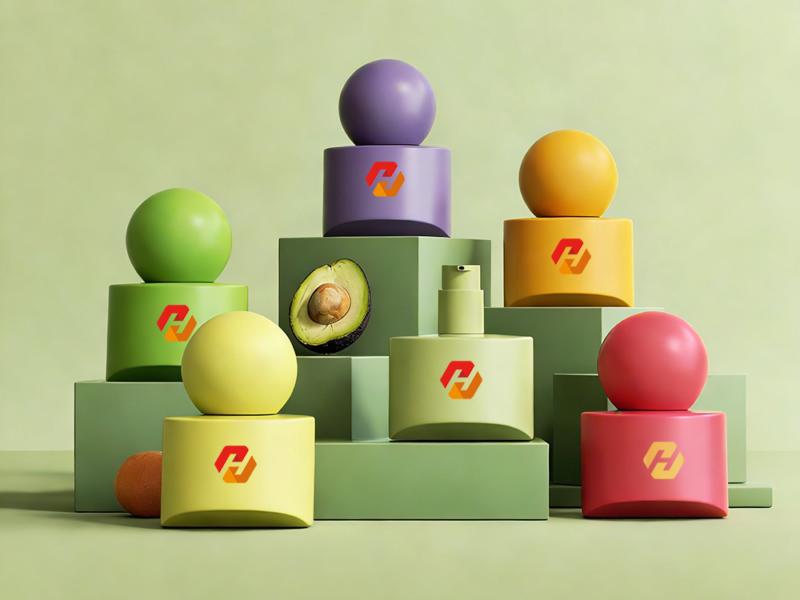
Selecting the right private label cosmetic packaging is rarely a purely aesthetic decision. For brand owners and procurement managers, it is a multi-dimensional challenge that involves balancing formula compatibility, manufacturing lead times, and unit costs. The packaging is the primary touchpoint between your formulation and the consumer; if the pump fails or the plastic reacts with the ingredients, the brand equity built over years can vanish in days.
This guide moves beyond surface-level design to explore the technical and commercial realities of sourcing cosmetic containers that scale.
Decoding Private Label Cosmetic Packaging: Stock vs. Custom
In the manufacturing world, private label cosmetic packaging refers to using pre-existing molds (stock packaging) that are customized through various decoration techniques to reflect a unique brand identity. This differs from custom-mold manufacturing, which requires significant capital investment in tooling.
For most emerging and mid-tier brands, leveraging high-quality stock components is the most efficient path to market. The technical advantage lies in the fact that these components have already undergone rigorous stress testing for structural integrity. The focus shifts from engineering the shape to perfecting the “finish”—the colors, textures, and dispensing mechanics that define the user experience.
Technical Breakdown: Selecting the Right Container Category
Different formulations require specific barrier properties and dispensing methods. Understanding the material science behind each category is essential for long-term product stability.
1. Precision Cosmetic Bottles for Liquid Formulations
Bottles are the workhorses of the skincare industry, housing everything from low-viscosity toners to thick emulsions.
- Material Selection: PET (Polyethylene Terephthalate) offers glass-like clarity with high impact resistance, making it ideal for high-end serums. HDPE (High-Density Polyethylene) provides better chemical resistance for more aggressive formulations.
- Dispensing Systems: When sourcing cosmetic bottles, the choice between treatment pumps, fine mist sprayers, or simple disc-top caps depends entirely on the product’s viscosity and intended dosage.
2. Functional Cosmetic Tubes for High-Viscosity Creams
Tubes are preferred for products requiring high evacuation rates, such as cleansers, hand creams, and sunscreens.
- Structure: Modern cosmetic tubes often utilize multi-layer structures (EVOH barriers) to prevent oxygen from reaching the formula, which is critical for active ingredients like Vitamin C or Retinol.
- User Interaction: A flip-top cap is standard for convenience, while an ophthalmic tip is required for precision application in eye creams.
3. Aesthetic Cosmetic Jars for Luxury Applications
Jars are the industry standard for thick creams, masks, and body butters where the consumer expects a “scoopable” experience.
- Acrylic vs. Glass: While glass is infinitely recyclable and inert, double-wall acrylic cosmetic jars offer a premium, weighted feel and greater design flexibility without the breakage risks associated with glass in a bathroom environment.
- Seal Integrity: High-quality jars must include a shive (inner liner) or an induction seal to prevent leakage during transit and extend shelf life.
Comparison of Primary Packaging Materials
| Material | Transparency | Chemical Resistance | Sustainability | Common Use Case |
| PET | Excellent | Moderate | High (rPET available) | Serums, Toners |
| PP | Translucent | Excellent | High | Jars, Caps, Tubes |
| Glass | Excellent | Superior | High (Infinite) | Luxury Oils, Fragrance |
| Acrylic | Superior | Moderate | Low | High-end Night Creams |
Customization: From Stock to Standout
The “Private Label” aspect comes to life through secondary processes. Industrial-grade packaging suppliers offer several methods to transform a generic bottle into a branded asset:
- Silk Screen Printing: Ideal for bold, tactile logos. It uses UV-cured inks that resist peeling and fading.
- Hot Stamping: Adds a metallic foil finish (gold, silver, rose gold) that conveys a premium market position.
- Matte/Frosting Sprays: Changes the light refraction of the plastic or glass, providing a soft-touch feel and a sophisticated look.
- Color Injection: For plastic components, the color is added directly into the resin, ensuring it won’t scratch or wear off over time.
Sourcing Logic: Evaluating Manufacturing Partners
When transitioning from research to procurement, the evaluation of a supplier must go beyond the price per unit. A professional B2B relationship in the packaging sector should be judged on three pillars:
- Compatibility Testing: Does the supplier provide samples for 48-hour or 30-day stability testing? It is the brand’s responsibility to ensure the formula does not cause “crazing” (stress cracking) in the plastic.
- Lead Time Management: In the current global supply chain, typical lead times for decorated private label packaging range from 35 to 50 days. Reliability in production scheduling is often more valuable than a $0.05 savings per unit.
- Quality Control (AQL Standards): Professional manufacturers adhere to Acceptable Quality Levels (AQL). This ensures that defects in printing or pump mechanics are kept within a statistically insignificant range.
Sustainable Shifts in Private Labeling
Sustainability is no longer a “nice-to-have” but a regulatory and consumer requirement. When evaluating private label cosmetic packaging, consider the “Circular Economy” potential of your choices:
- Mono-material Design: Using a single plastic type (e.g., an all-PP pump) makes the entire unit much easier to recycle.
- Refillable Systems: High-end brands are increasingly adopting heavy-duty outer jars with thin, replaceable inner pods.
- PCR (Post-Consumer Recycled) Plastics: Incorporating 30% to 100% PCR into PET bottles significantly reduces the carbon footprint of the product.
The Path to Procurement: Next Steps for Brand Owners
If you are currently in the MOFU (Middle of Funnel) stage, your priority should be narrowing down your component list based on your formula’s viscosity and pH levels.
For those ready to move toward a transaction, the process typically follows this workflow:
- Selection: Choose base components from categories like cosmetic jars or bottles.
- Sampling: Request un-decorated samples for compatibility and “drop tests.”
- Artwork Approval: Provide vector files (AI or PDF) for digital or physical proofing.
- Production: Initiate mass production with a focus on QC milestones.
FAQ: Private Label Cosmetic Packaging
Q: What are the typical MOQs for private label cosmetic packaging?
A: Minimum Order Quantities vary significantly. For un-decorated stock items, some suppliers allow as few as 1,000 units. However, for custom-colored injection or complex silk screening, MOQs typically start at 5,000 to 10,000 units per SKU.
Q: How do I ensure my formula won’t leak during shipping?
A: Look for suppliers who offer vacuum leak testing (ASTM D4991). This is particularly important for airless pump bottles and jars that will be transported via air freight.
Q: Can I use the same packaging for organic/natural products?
A: Natural products often contain essential oils that can degrade certain plastics. In these cases, PET or Glass is preferred over lower-grade plastics, and you should always perform a compatibility test to check for material leaching.
Q: What is the difference between an airless pump and a standard dip-tube pump?
A: Airless pumps use a piston mechanism to push the product upward, preventing air contact. This is vital for preservative-free or high-active formulas. Standard dip-tube pumps are more cost-effective but leave a small amount of “dead volume” at the bottom of the bottle.
Reference Sources
-
ISO 22715:2006: Cosmetics — Packaging and labeling.
-
ASTM D3475: Standard Classification of Child-Resistant Packages.
-
Sustainable Packaging Coalition (SPC): Design Guidelines for Plastic Packaging.
-
FDA Guidelines: Cosmetics Packaging and Labeling.