
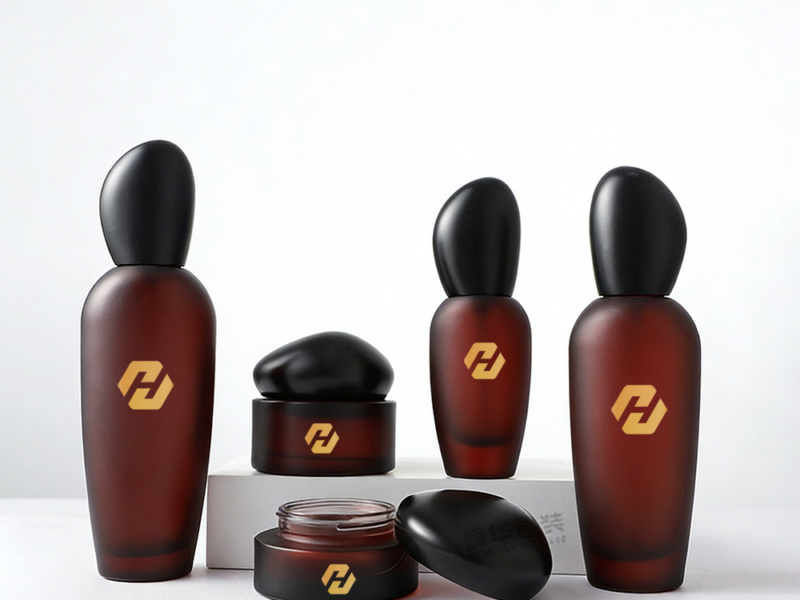
The choice between glass and plastic is more than an aesthetic decision for a beauty brand. It is a technical evaluation of formula stability, supply chain efficiency, and consumer perception. Selecting the right cosmetic packaging materials requires understanding how these substrates interact with complex chemical formulations.
In high-end skincare, packaging serves as the primary barrier against oxidation and UV degradation. For mass-market products, durability and lightweight logistics often dictate the material selection process. This guide analyzes the engineering trade-offs between glass and plastic to help brands optimize their product integrity.
Technical Properties of Modern Cosmetic Packaging Materials
Plastic packaging in the cosmetic industry is dominated by four primary resins: PET (Polyethylene Terephthalate), PP (Polypropylene), HDPE (High-Density Polyethylene), and Acrylic. Each resin offers distinct barrier properties. PET is prized for its glass-like clarity and excellent gas barrier, making it ideal for vitamin-rich serums. PP is the industry standard for caps and jars due to its high melting point and chemical resistance.
Glass, traditionally used for luxury products, remains the gold standard for formula purity. It is chemically inert, meaning it does not react with the ingredients inside. Most cosmetic bottles utilize Type III soda-lime glass. This material provides an impermeable barrier to oxygen and moisture, which is critical for preservative-free or “clean beauty” formulations.
Manufacturing constraints also play a role in material choice. Plastic allows for complex geometries through injection molding or blow molding. Glass, while more limited in intricate shapes, offers a premium tactile weight that plastic cannot replicate. For brands navigating these options, specialized suppliers like Hyrun Packaging provide a diverse range of both plastic and glass solutions to meet specific formula requirements.
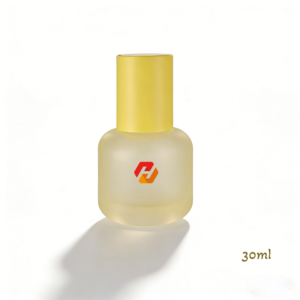
Glass vs. Plastic: A Head-to-Head Performance Comparison
To select the appropriate material, engineers must evaluate physical and chemical performance metrics. The following table highlights the critical differences used in procurement decision-making.
| Performance Metric | Glass (Soda-Lime) | Plastic (PET/PP) |
| Chemical Inertness | Excellent (Non-reactive) | Moderate (Risk of leaching) |
| Oxygen Barrier | Superior (Zero permeability) | Variable (Resin dependent) |
| UV Protection | High (with Amber/Cobalt tint) | Moderate (Requires additives) |
| Impact Resistance | Low (Fragile) | High (Durable) |
| Weight/Logistics | Heavy (Higher shipping cost) | Light (Low shipping cost) |
| Recyclability | Infinite (100% recyclable) | Limited (Downcycling common) |
While glass offers superior protection for sensitive active ingredients like Vitamin C or Retinol, its fragility increases the risk of breakage during high-speed filling lines. Conversely, plastic’s elasticity makes it ideal for “squeeze” applications, such as lotions and cleansers. Engineers often specify PET for its transparency, though it may require UV stabilizers to protect light-sensitive formulas.
Chemical Compatibility and Formula Stability
One of the most critical aspects of choosing cosmetic packaging materials is compatibility testing. Certain essential oils and solvents can migrate through plastic walls or cause “crazing”—the formation of tiny cracks in the material. This is particularly common with acrylic packaging when exposed to high concentrations of ethanol or specific fragrance oils.
Leaching is another concern for high-performance skincare. Over time, chemicals from plastic resins (such as phthalates or bisphenols) can migrate into the formula. Glass eliminates this risk entirely, making it the preferred choice for pharmaceutical-grade cosmetics. However, modern BPA-free plastics and inner-coatings have significantly mitigated these issues for most commercial applications.
In professional manufacturing, stability testing usually lasts 12 weeks at elevated temperatures. This simulates a two-year shelf life. During this phase, engineers monitor for weight loss (due to evaporation through the plastic), color changes, and pH shifts. If a formula proves too volatile for plastic, a transition to glass is often mandatory to ensure consumer safety.
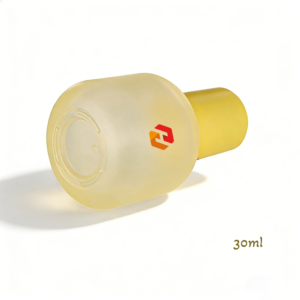
Sustainability and the Circular Economy in Packaging
The environmental impact of cosmetic packaging materials is a primary driver of consumer purchasing behavior. Plastic has faced scrutiny due to ocean waste, leading to the rise of PCR (Post-Consumer Recycled) resins. Using PCR PET reduces carbon footprints but can result in slight color variations in the final bottle, which brands must manage through design.
Glass is often touted as the more sustainable option because it is infinitely recyclable without loss of quality. However, the carbon intensity of manufacturing and transporting heavy glass bottles is significantly higher than that of plastic. For a truly sustainable approach, many brands are moving toward refillable systems. These systems often utilize a durable outer glass vessel with a lightweight, replaceable plastic inner pod.
Life Cycle Assessments (LCA) show that for long-distance shipping, lightweight plastic can sometimes have a lower total carbon impact than glass. Brands must balance the “recyclability” of glass against the “efficiency” of plastic. This decision often depends on the local recycling infrastructure of the target market.
Strategic Selection Based on Product Category
Material selection should align with the functional needs of the specific product type. There is no “one size fits all” substrate in the beauty industry.
-
Luxury Serums & Oils: Glass is the preferred choice. The weight conveys value, and the inert nature protects expensive active ingredients from oxidation.
-
Mass-Market Haircare & Body Wash: HDPE and PP are standard. These materials are cost-effective, shatterproof in shower environments, and easy to squeeze for dispensing.
-
Sunscreen and UV-Sensitive Creams: Opaque plastics or tinted glass are necessary. Many sunscreens use chemical filters that degrade when exposed to light, requiring high-barrier packaging.
-
Travel and Sample Sizes: PET is the dominant material here due to its light weight and resistance to leaking under pressure changes in aviation.
When evaluating these categories, procurement managers look at the “total cost of ownership.” This includes the unit price, the cost of decoration (silk-screening vs. labeling), and the logistical overhead. A glass bottle may cost $0.30 more to ship than a plastic one, which can drastically alter the retail price point.
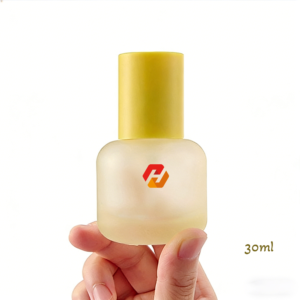
Conclusion: Engineering the Brand Experience
Choosing between glass and plastic involves balancing chemistry, logistics, and brand identity. While glass offers unmatched purity and a premium feel, modern plastics provide durability and design flexibility that are essential for the mass market.
As the industry moves toward more sustainable practices, the focus is shifting toward “right-weighting”—using the minimum amount of material necessary to protect the product. Whether selecting a heavy-base glass bottle for a premium night cream or a PCR-plastic tube for a daily cleanser, the priority must always remain the stability of the formula and the safety of the end user.
FAQ
1. Is glass always better than plastic for organic skincare?
Not necessarily. While glass is chemically inert, it is transparent unless tinted. Organic formulas often lack synthetic stabilizers and need protection from light. An opaque, high-quality plastic bottle may protect an organic formula from UV-induced rancidity better than a clear glass jar.
2. What is the most eco-friendly plastic for cosmetic packaging?
PET (Polyethylene Terephthalate) is currently the most widely recycled plastic globally. To further improve sustainability, brands are increasingly using PCR-PET (Post-Consumer Recycled), which reuses existing plastic waste rather than creating virgin resin.
3. Does plastic packaging affect the shelf life of cosmetics?
Yes, plastics are slightly permeable to gases. Over a long period, oxygen can enter the bottle and moisture can escape, potentially leading to the oxidation of ingredients or a change in product consistency. High-grade plastics like PET minimize this, but glass remains the only true “zero-permeability” option.
4. Why is glass more expensive to use in the supply chain?
The cost is driven by two factors: manufacturing energy and weight. Producing glass requires extreme heat, and the finished bottles are significantly heavier than plastic. This leads to higher fuel consumption and shipping costs throughout the distribution network.
5. Can I use essential oils in any plastic bottle?
No. High concentrations of essential oils can dissolve certain types of plastic, leading to “clouding” or structural failure of the bottle. If your formula contains high levels of oils, you should use glass or specifically treated Fluorinated HDPE.
Reference Sources
-
International Organization for Standardization (ISO): ISO 22715:2006 – Cosmetics Packaging and Labelling
- Food and Drug Administration (FDA): Cosmetics Packaging and Labeling Regulatory Guidance
-
Glass Packaging Institute (GPI): Sustainability of Glass Packaging