
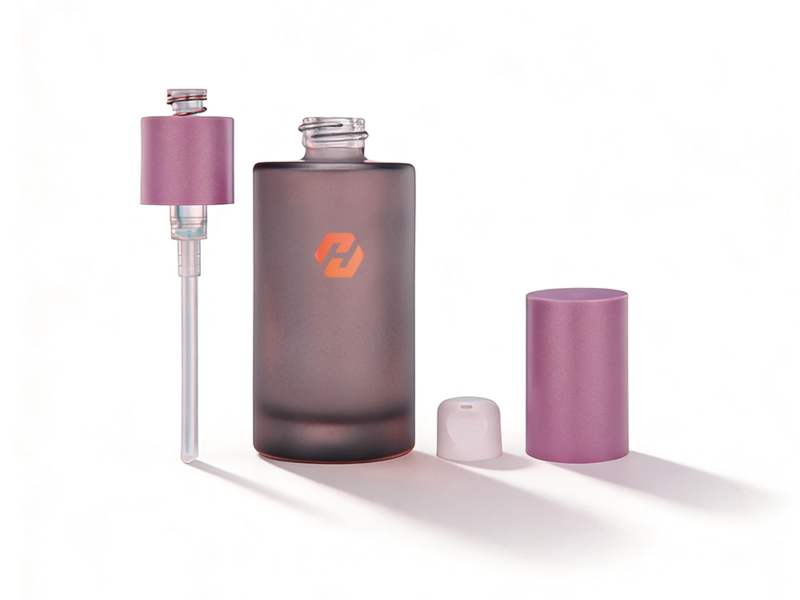
Packaging is the first physical interaction a customer has with your brand. In the competitive beauty market, the container must protect the formula and project luxury. I have evaluated countless packaging solutions, and glass pump bottles remain the gold standard for high-performance cosmetics.
B2B buyers often face a critical dilemma. You need packaging that ensures chemical stability while maintaining an elevated aesthetic. Cheap manufacturing can lead to pump failure or formula degradation. This guide explores the technical criteria for selecting the right 30ml glass pump bottles for your inventory.
What Defines a High-Quality Glass Serum Pump Bottle?
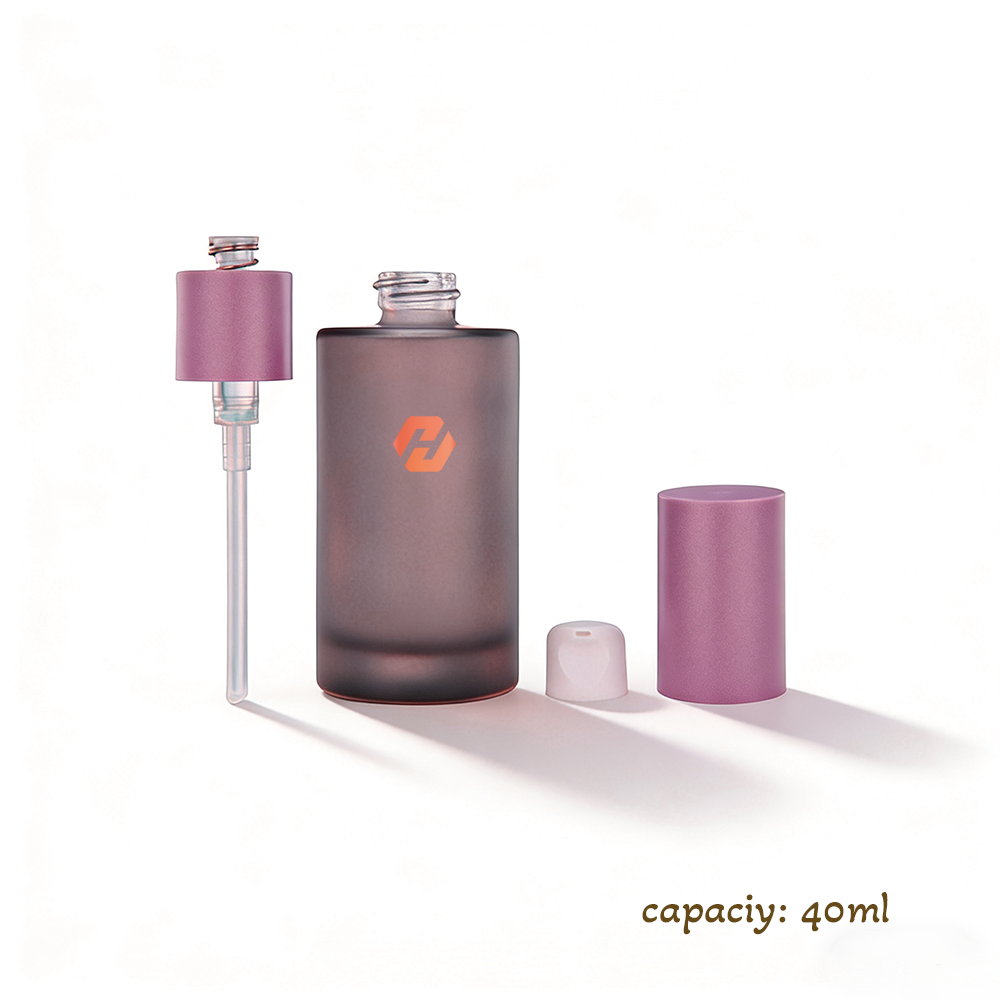
The difference between a generic container and a premium vessel lies in the details. When sourcing glass serum pump bottles, the weight and clarity of the glass are primary indicators of quality. Heavy-wall glass provides a substantial tactile feel that consumers associate with value.
You must also consider dimensional stability. According to standards set by the International Organization for Standardization (ISO), glass containers must meet strict thermal shock and impact resistance criteria. A high-quality bottle will not crack under standard filling line pressure or shipping stress.
The pump mechanism itself is equally vital. The actuator must dispense a precise dosage, typically between 0.2ml and 0.5ml per stroke. Consistency here prevents product waste and ensures user satisfaction. I always advise testing the “prime” count. This is how many pumps it takes to dispense the first drop. Low numbers indicate superior engineering.
Evaluating 30ml Glass Pump Bottles for Formula Stability
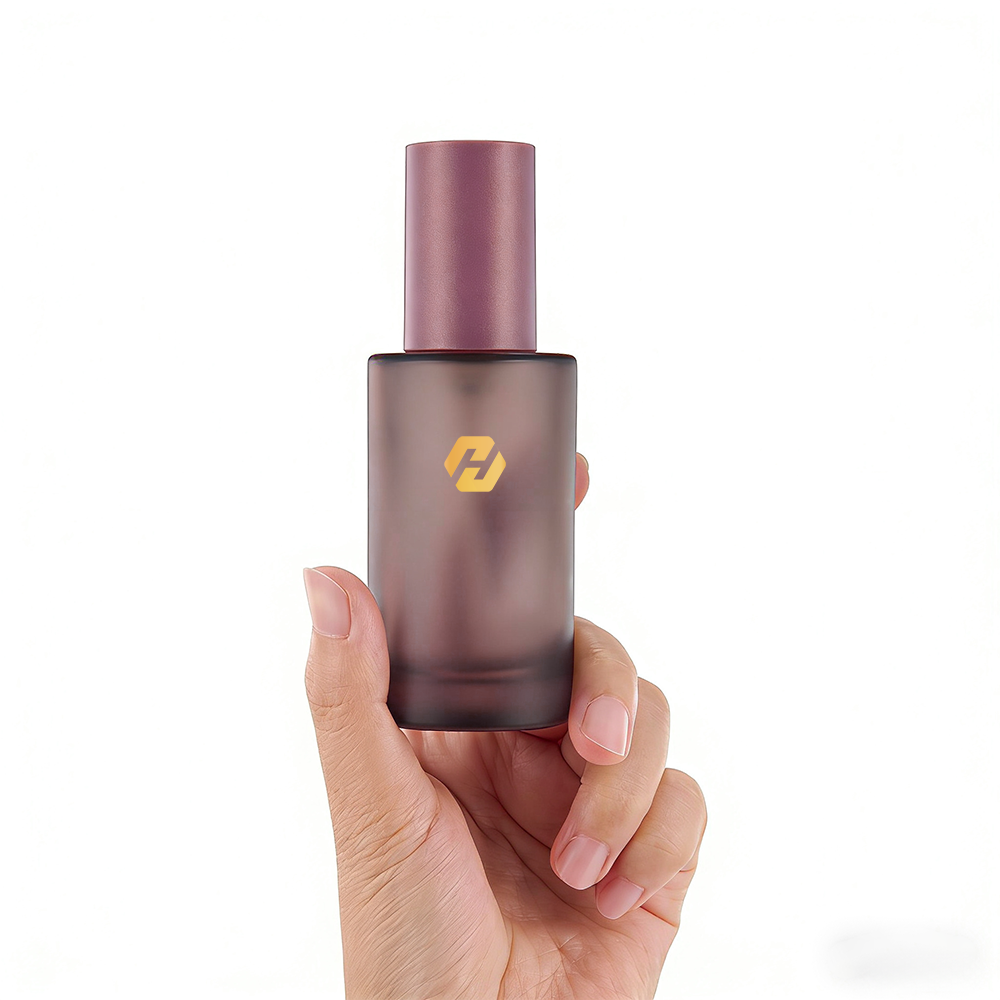
For concentrated serums and oils, the volume of 30ml glass pump bottles is the industry standard. However, the material compatibility is what protects your investment. Glass is chemically inert (Type I or Type III glass). This means it does not react with aggressive ingredients like Vitamin C, Retinol, or essential oils.
The U.S. Food and Drug Administration (FDA) outlines strict requirements for cosmetic packaging. The container must not release substances that render the product injurious to health. Plastic containers can sometimes leach additives into oil-based formulas. Glass Lotion Bottle and Essence Oil Bottle designs eliminate this risk.
Light sensitivity is another factor. If your formula is photosensitive, you need glass that can be sprayed, frosted, or UV-coated. Clear glass showcases texture, but it offers zero UV protection. You must balance the visual appeal of transparency with the chemical needs of your essence or serum.
Criteria for Selecting an Airless Pump Glass Bottles Manufacturer
Finding a reliable airless pump glass bottles manufacturer requires a deep dive into their quality control processes. Airless technology is complex. It relies on a piston mechanism or a pouch system to push the product up without introducing air. This prevents oxidation and extends shelf life.
When vetting a supplier, ask for their vacuum test results. A competent manufacturer will have data proving their bottles maintain seal integrity under pressure changes. This is crucial for air freight shipping. If the seal fails, your product leaks.
You should also inquire about decoration capabilities. A manufacturer must offer silk-screening, hot stamping, or metallization in-house. This ensures that the branding does not scratch off during handling. The integration of the pump collar to the bottle neck must be seamless. Gaps here are a sign of poor mold precision.
How to Match the Dispenser to the Viscosity
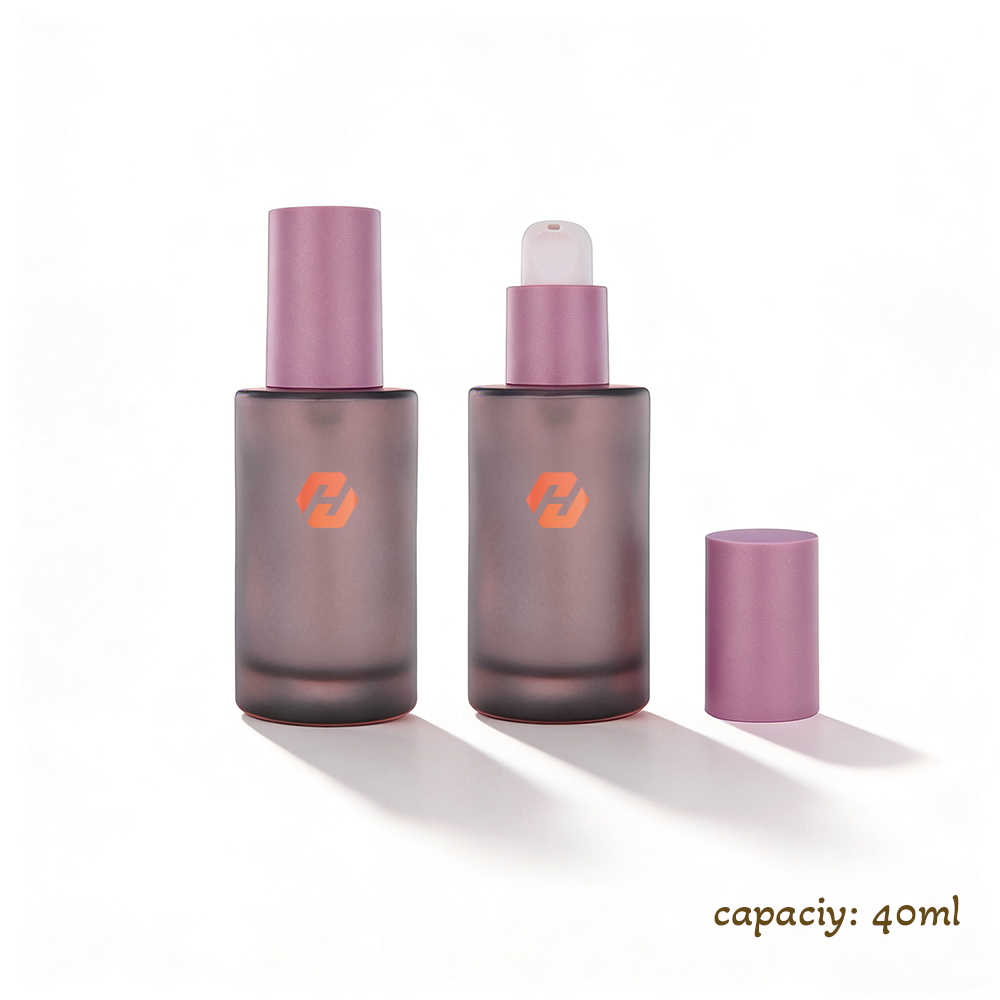
Once you have verified the quality of the glass, your final decision rests on the dispensing system. This is where you determine if a specific bottle suits your product line.
You must analyze the viscosity of your liquid. A standard lotion pump works well for creams and emulsions. However, if you are packaging a low-viscosity facial oil, a standard pump may cause splashing. In this case, you need an essence pump or a specialized treatment pump designed for thinner liquids.
I recommend examining versatile packaging suites that offer interchangeable heads. This allows you to use the same 30ml glass pump bottles for different SKUs by simply changing the actuator. This strategy simplifies your supply chain and maintains brand uniformity.
If you are currently sourcing packaging for a diverse product range, you need to verify the neck finish compatibility. Ensure that the bottle can accept both lotion pumps and essence droppers.
For a reliable example of this versatility, you can examine the specs of this Glass Lotion Bottle and Essence Oil Bottle.
This type of dual-purpose engineering allows brands to scale efficiently. It reduces the need for multiple molds and streamlines your inventory management.
Summary
Selecting the right packaging is a balance of engineering and aesthetics. Glass pump bottles offer the best protection for your high-value formulas. By prioritizing ISO-compliant glass and validating pump mechanics, you ensure brand integrity. Secure your market position by choosing packaging that performs as well as it looks.
FAQ
Q1: What is the main advantage of using glass pump bottles over plastic?
Glass is chemically inert and impermeable, ensuring that the packaging does not react with the formula or allow oxygen to degrade sensitive ingredients.
Q2: Are 30ml glass pump bottles suitable for travel sets?
Yes, 30ml is a standard travel-friendly size, provided the pump features a locking mechanism or a secure over-cap to prevent accidental dispensing.
Q3: How do I know if I need an airless pump glass bottles manufacturer?
You need an airless manufacturer if your formula is organic, preservative-free, or highly sensitive to oxidation, as airless systems prevent air contact.
Q4: Can I recycle glass serum pump bottles?
The glass body is fully recyclable, but the pump mechanism (usually mixed plastics and metal springs) must be disassembled and processed separately.
Reference Sources
International Organization for Standardization (ISO)
ISO Standards for Glass Containers
https://www.iso.org
U.S. Food and Drug Administration (FDA)
Cosmetics Packaging & Labeling
https://www.fda.gov
Glass Packaging Institute (GPI)
Glass Container Standards & Sustainability
https://www.gpi.org