
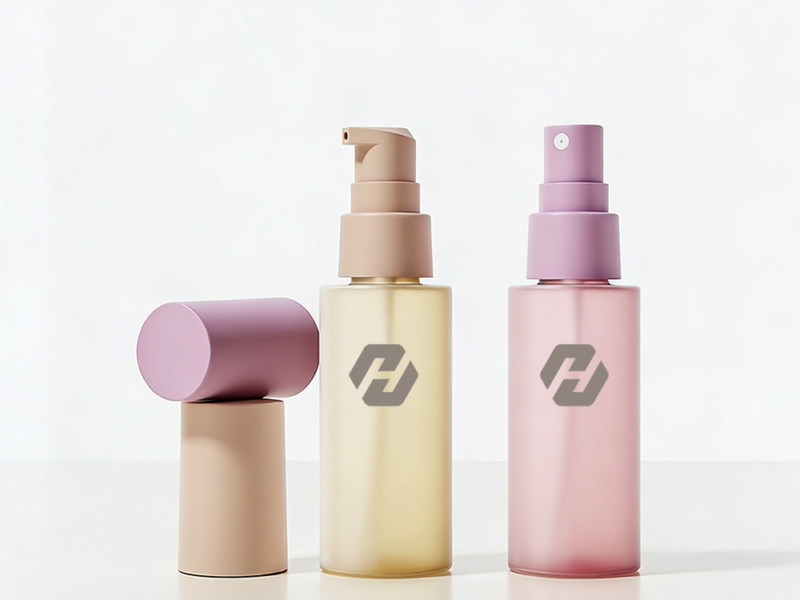
The beauty and skincare industry constantly evolves to protect sensitive ingredients. Traditional packaging often fails to prevent air exposure and product waste. The airless pump bottle has emerged as a revolutionary solution for high-end formulations. It utilizes a vacuum system rather than a traditional dip tube.
This packaging style ensures that the contents remain uncontaminated by external elements. Many premium brands now prefer this technology for serums, lotions, and foundations. Understanding how these bottles work helps consumers and manufacturers make better choices. This guide explores the mechanics, benefits, and practical applications of airless systems.
The Mechanics of Vacuum Dispensing
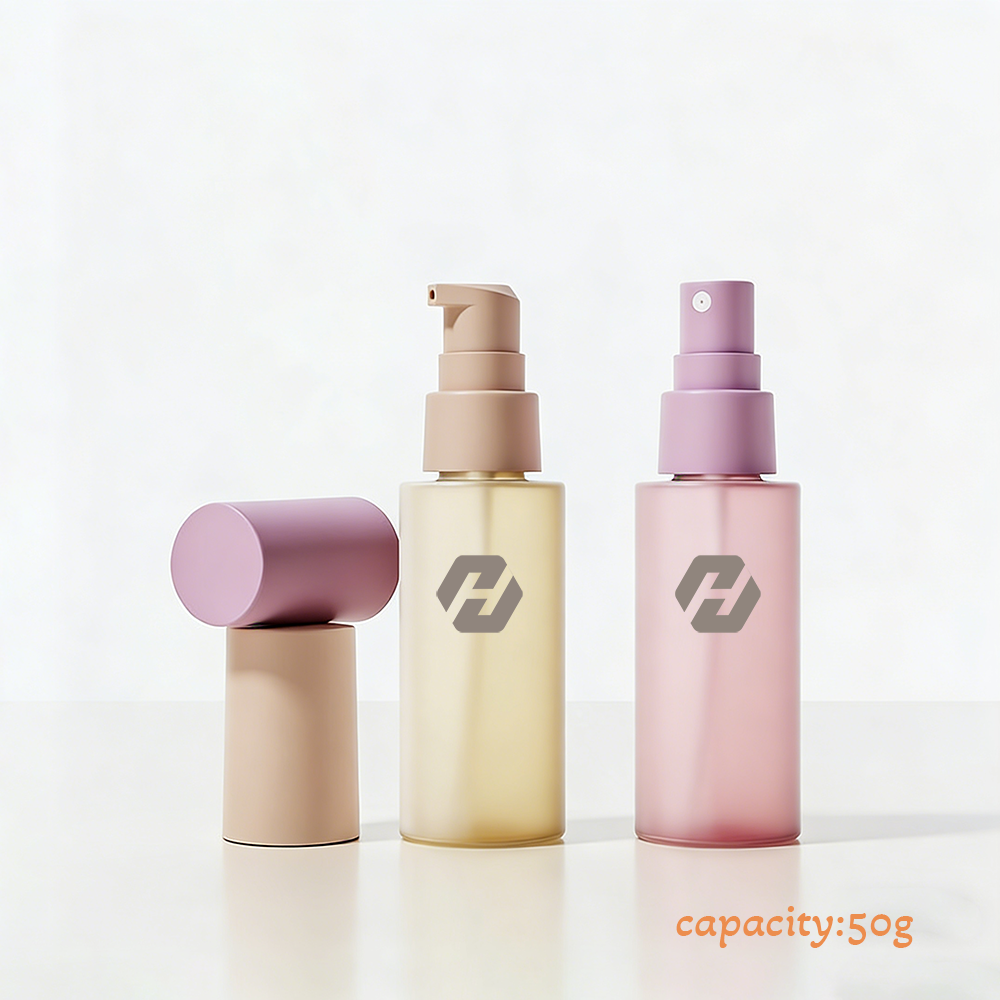
A standard pump bottle relies on a tube to pull liquid upward. In contrast, an airless pump bottle operates through a non-pressurized vacuum mechanism. It features a physical disc or piston located at the bottom of the container. As you press the pump, the disc moves upward to push the product out.
This movement creates a vacuum that keeps the product tightly sealed. There is no need for a straw-like dip tube inside the bottle. This design allows the bottle to function at any angle, even upside down. It is particularly effective for high-viscosity liquids like heavy creams or gels.
The internal environment remains completely airtight during the entire usage cycle. No air enters the chamber to replace the dispensed product. This mechanical precision ensures a consistent dosage with every single pump. Manufacturers often calibrate these pumps to deliver exactly 0.2ml to 0.5ml per stroke.
| Feature | Standard Pump Bottle | Airless Pump Bottle |
| Dispensing Mechanism | Plastic Dip Tube | Piston/Vacuum System |
| Air Exposure | High (Air enters as product leaves) | Zero (Airtight chamber) |
| Usage Angle | Mostly Upright | 360-Degree Capability |
| Product Waste | 10% to 15% Remaining | Less than 1% Remaining |
| Preservative Needs | Higher | Significantly Lower |
Why Skincare Brands Prefer Airless Packaging
The primary advantage of an airless pump bottle is the preservation of active ingredients. Ingredients like Vitamin C and Retinol degrade rapidly when exposed to oxygen. Airless packaging can extend the shelf life of organic products by up to 15% or more. This allows brands to use fewer chemical stabilizers in their formulas.
Hygiene is another critical factor for modern consumers. Users do not need to dip their fingers into a jar or open a lid. This prevents the transfer of bacteria and skin oils into the product. Airtight seals reduce the risk of microbial contamination by nearly 95% compared to open jars.
Furthermore, the evacuation rate of these bottles is exceptionally high. Traditional bottles often leave 10% of the cream stuck at the bottom or on the sides. An airless pump bottle typically achieves a 99% evacuation rate. Consumers appreciate getting every drop of the expensive product they purchased.
The Role of PET Material in Modern Airless Design
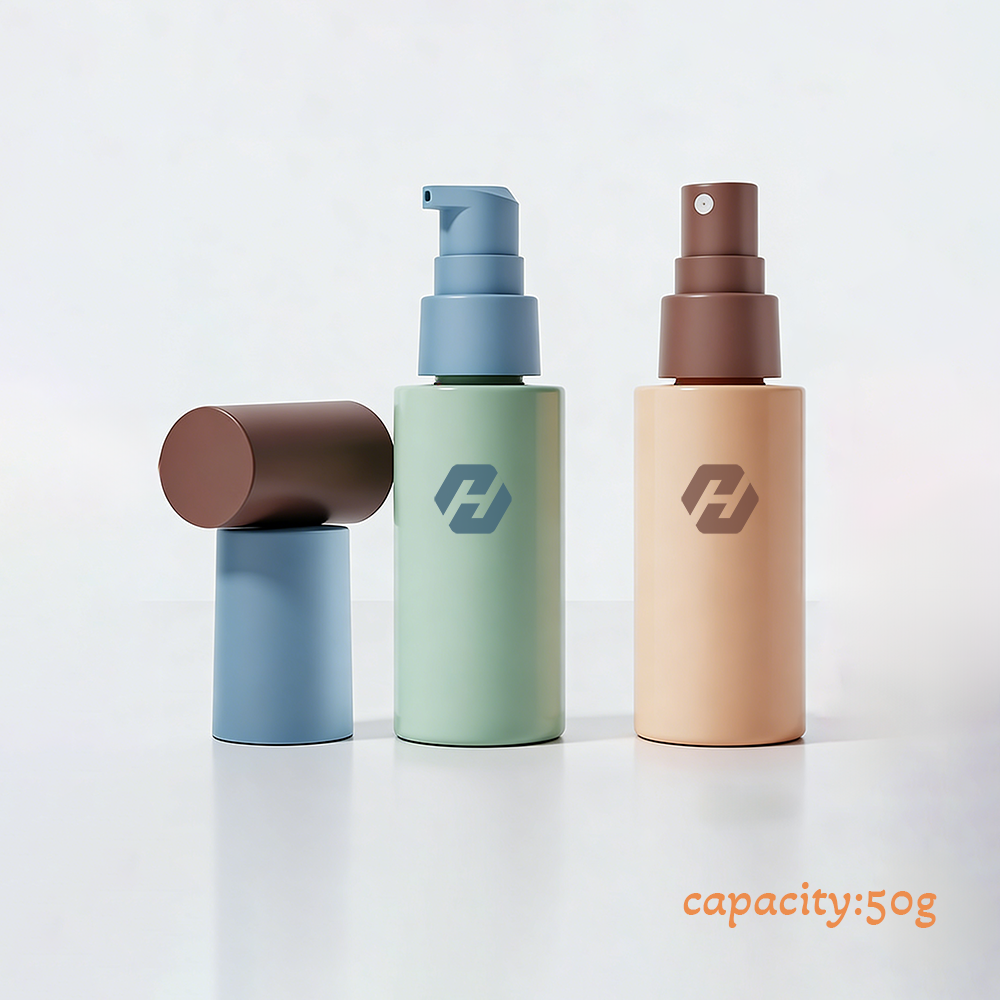
Material choice significantly impacts the performance and aesthetics of the packaging. Many manufacturers now utilize PET (Polyethylene Terephthalate) for airless systems. PET is known for its high clarity, making it look like glass while remaining shatterproof. It provides an excellent moisture barrier to keep the formula stable.
Using a PET airless pump bottle offers a balance between luxury and durability. This material is also highly recyclable, appealing to eco-conscious market segments. Its lightweight nature reduces shipping costs and the overall carbon footprint. PET has a lower melting point during recycling, saving energy compared to glass production.
The versatility of PET allows for various finishes, including matte, glossy, or frosted. Brands can also choose between different dispensing heads, such as mist sprayers or lotion pumps. This flexibility makes it suitable for a wide range of cosmetic viscosities. A high-quality PET bottle ensures the vacuum seal remains intact over long periods.
Environmental and Economic Advantages
Switching to an airless pump bottle provides long-term economic benefits for manufacturers. While the initial cost per unit may be higher, the reduction in product returns is significant. Formulas stay fresh for longer, reducing losses due to oxidation or spoilage. Brand reputation improves when customers experience consistent product quality.
From a sustainability perspective, these bottles promote “clean beauty” standards. Since the vacuum protects the liquid, manufacturers can eliminate harsh synthetic preservatives. This shift aligns with global consumer trends demanding natural and safe ingredients. The global market for airless packaging is projected to grow at a CAGR of 5.5% through 2028.
The efficiency of the vacuum system also means fewer consumer complaints. Most users find the “priming” process simple and the delivery reliable. The sleek design often requires less secondary packaging like outer boxes. This reduction in material use contributes to a leaner supply chain.
Selecting the Right Airless Bottle for Your Needs
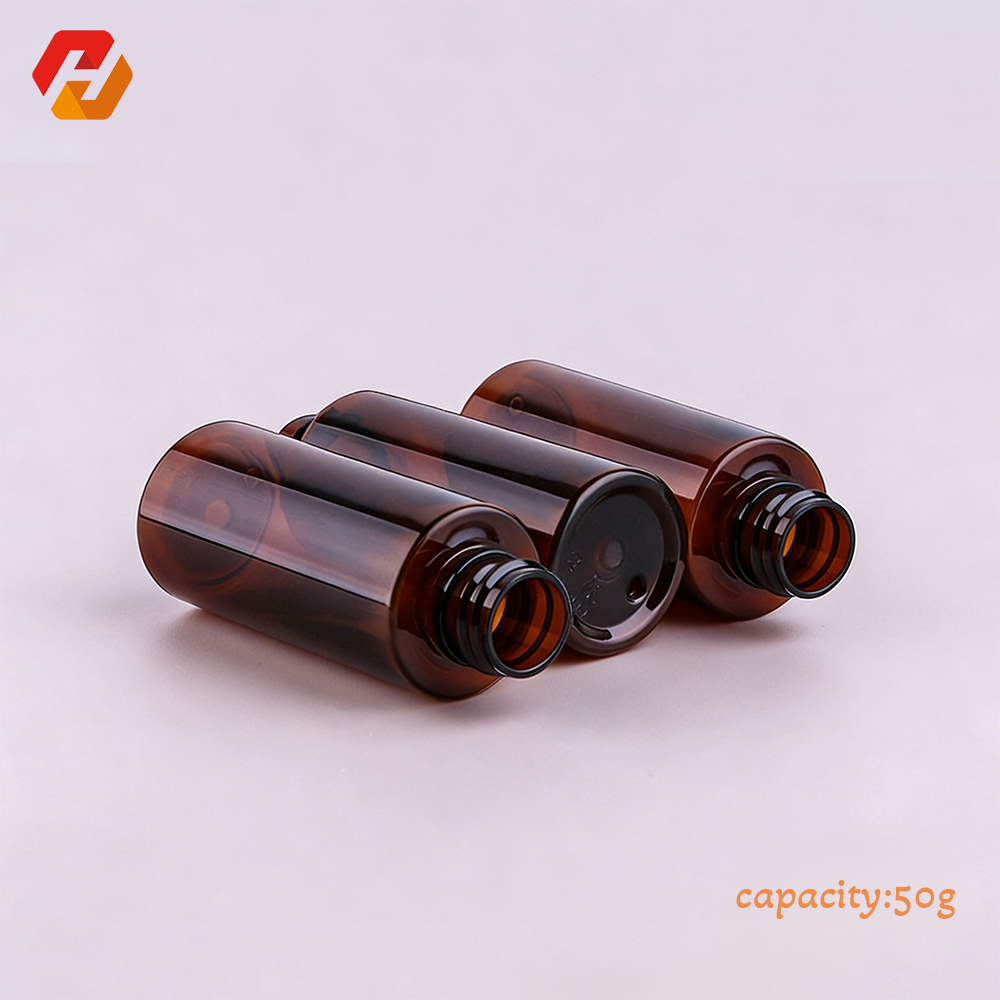
Choosing the perfect airless pump bottle depends on the specific requirements of your formula. You must consider the viscosity of the liquid to ensure the pump does not clog. Thicker creams require a stronger piston movement, while thin serums work well with mist heads. Testing the compatibility between the formula and the plastic material is essential.
Look for bottles that offer a variety of pump capacities to suit different use cases. Travel-sized options (15ml–30ml) are popular for high-potency eye serums. Larger volumes (50ml–100ml) are standard for daily moisturizers or sunscreens. The quality of the pump engine determines how many “priming” strokes are needed initially.
It is vital to evaluate the aesthetic goals of your brand alongside functionality. Clear PET bottles showcase the color of the product, while opaque walls protect light-sensitive liquids. A well-designed bottle should feel balanced in the hand and operate smoothly. For professional-grade solutions that combine these features, exploring high-quality PET airless bottles is a logical next step for your product line.
Conclusion
The airless pump bottle represents the gold standard in functional cosmetic packaging. It solves the twin problems of product oxidation and excessive waste through vacuum technology. By maintaining an airtight environment, these bottles protect sensitive ingredients and improve hygiene. Whether using PET or other plastics, this packaging choice ensures consumers get the maximum value and efficacy from their skincare.
FAQ
Q:Can you refill an airless pump bottle?
Most airless bottles are designed for single use to maintain a sterile environment. While some can be manually reset by pushing the piston down, it may compromise the vacuum seal.
Q:Why is my airless pump not dispensing?
The pump likely needs “priming” to remove trapped air in the dispensing head. Simply pump the head 10 to 20 times rapidly to engage the vacuum and lift the piston.
Q:Are airless pump bottles better than glass jars?
Yes, they are generally superior for stability and hygiene. Unlike jars, airless bottles prevent air and bacteria from reaching the product every time it is opened.
Q:Is PET plastic safe for skincare packaging?
PET is a BPA-free, non-toxic plastic that is widely approved for cosmetic use. It is highly resistant to chemicals and does not leach harmful substances into the formula.
Reference Sources
Packaging Digest – “Trends and Growth in the Global Airless Packaging Market”
https://www.packagingdigest.com/
International Organization for Standardization (ISO) – “ISO 22715: Cosmetics – Packaging and Labelling”
Sustainable Packaging Coalition – “Material Health and Recyclability of PET in Cosmetics”