
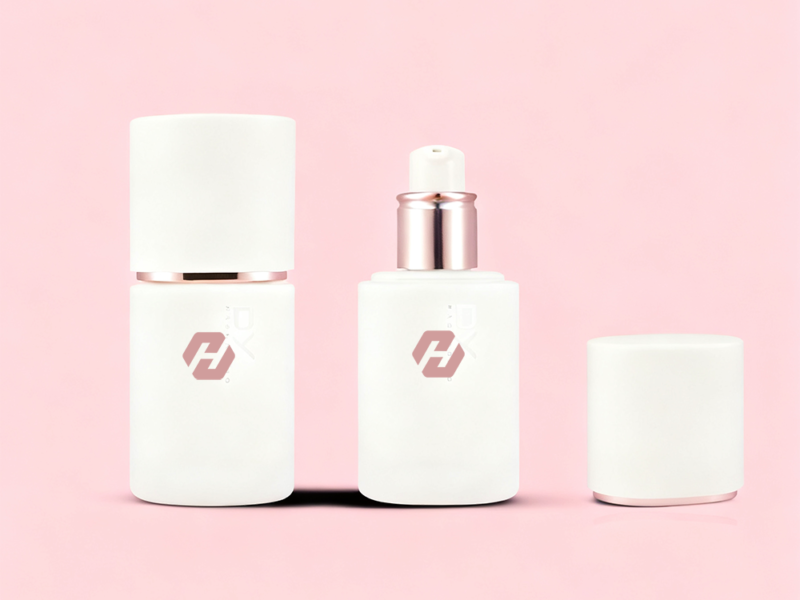
As a procurement specialist in the cosmetic industry, I understand that packaging is more than just a vessel. It is the primary defense system for your formulation. When you select airless pump bottles, you are prioritizing the longevity and efficacy of your product. Traditional dispensing methods often expose sensitive ingredients to air, leading to rapid oxidation.
For B2B buyers, the challenge lies in balancing aesthetic appeal with technical reliability. You need a container that functions perfectly from the first pump to the last drop. In this guide, I will evaluate the technical criteria for selecting these bottles, focusing on material safety and specific sizing needs.
Understanding the Vacuum Mechanism and Material Safety
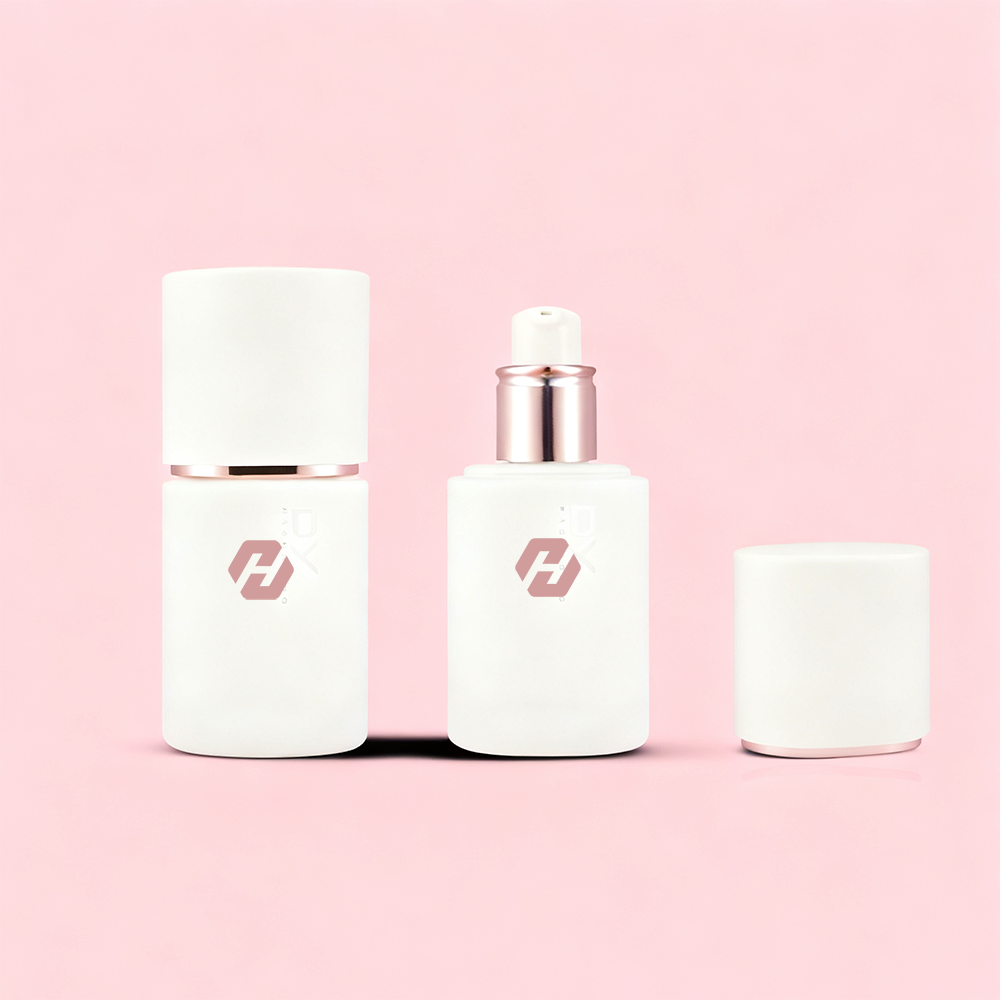
The core value of this packaging lies in its non-pressurized vacuum system. When a user presses the actuator, a piston at the bottom rises. This pushes the liquid upward without allowing air to enter the chamber.
For sensitive formulations, this mechanism is non-negotiable. It protects active ingredients like Retinol and Vitamin C from degrading. According to packaging standards outlined by industry authorities, minimizing oxygen contact significantly extends shelf life.
You must also consider the construction material. Most high-quality options utilize Polypropylene (PP) or AS plastic. These materials are widely accepted for their chemical resistance. They ensure that airless serum pump bottles do not react with the volatile compounds found in skincare oils.
Strategic Sizing: The Case for the 250ml Airless Pump Bottle
While 30ml and 50ml sizes dominate the facial care market, there is a growing demand for larger capacities. The 250ml airless pump bottle occupies a unique niche in the professional and luxury body care sectors.
I often recommend this size for high-viscosity products. These include body lotions, hair masks, and professional salon treatments. A standard dip-tube bottle often fails to dispense thick creams effectively. The airless piston system solves this by forcing the product out mechanically.
From a branding perspective, this size offers a substantial canvas for labeling. It conveys value to the consumer, suggesting a long-lasting supply of a premium product.
Aesthetic Finishes: The Appeal of the Frosted Airless Pump Bottle
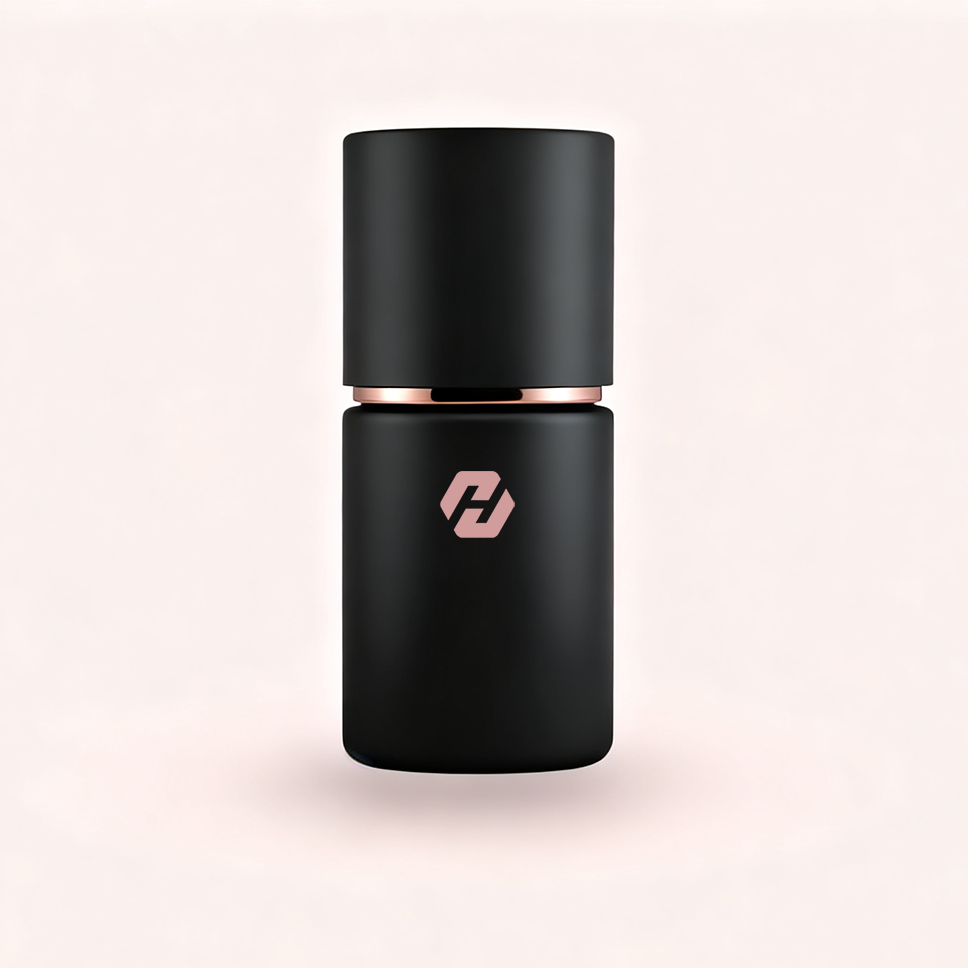
Visual impact determines shelf presence. A frosted airless pump bottle offers a sophisticated, matte finish that mimics the look of etched glass. However, it retains the durability and lightweight nature of plastic.
For airless pump bottles wholesale orders, choosing a frosted finish serves a dual purpose.
- Luxury Perception: It feels premium to the touch, elevating the perceived value of the brand.
- UV Protection: The semi-opaque finish provides a layer of light filtration. This is critical for photosensitive ingredients that might degrade under store lighting.
When sourcing these wholesale, always request samples to check the uniformity of the frosting. Poorly manufactured bottles may show scratch marks or uneven coating.
Critical Factors for Sourcing Airless Pump Bottles Wholesale
When you approach a supplier for a bulk order, you must validate their quality control processes. A failure rate of even 1% can damage your brand reputation.
Leakage Testing
You should require proof of vacuum testing. Reliable manufacturers perform vacuum tests to ensure the bottle remains sealed under pressure changes. This is vital for products that will be shipped via air freight.
Viscosity Compatibility
Not all pumps handle all liquids equally. A serum pump may clog if used with a thick clay mask. You must test the airless serum pump bottles with your specific bulk liquid. Verify that the dosage per stroke is consistent.
Supply Chain Consistency
In the B2B context, lead time is as important as product quality. Ensure your supplier has the capacity to scale production if your product becomes a best-seller.
Evaluating the Ideal Large-Capacity Solution
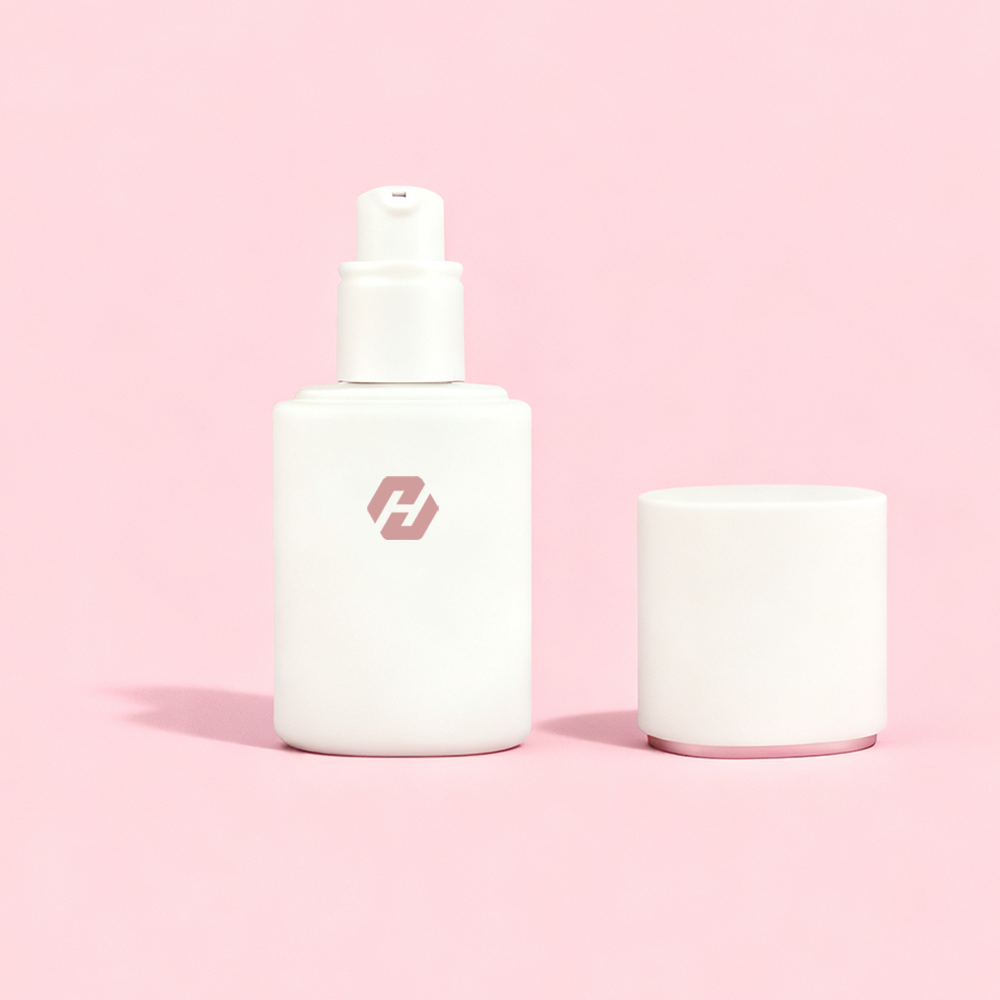
Choosing the right supplier involves analyzing the specific engineering of the bottle. This is particularly true for larger sizes where the vacuum pressure must be stronger to move the heavier piston.
When assessing a 250ml airless pump bottle, look for a robust actuator design. The pump head should be wide enough to be comfortable for dispensing body products. It must also deliver a higher output dosage than a standard face cream bottle.
You should also examine the wall thickness of the bottle. A thicker wall prevents the bottle from deforming under the vacuum pressure as the product is depleted.
For a reliable example of these specifications in action, you can investigate the 250ml Airless Pump Bottle. This specific model demonstrates the balance between a high-volume capacity and the precise engineering required to maintain a functional vacuum seal.
Summary
Selecting the right packaging requires a strict focus on functionality and material compatibility. Whether you need a standard container or a frosted airless pump bottle, the goal remains the same: formulation protection. By understanding the vacuum mechanism and verifying wholesale quality, you ensure your product remains effective for the consumer.
FAQ
Q: Why are airless pump bottles recommended for organic skincare?
A: They eliminate the need for excessive chemical preservatives by preventing air exposure and bacterial contamination.
Q: Can I reuse a 250ml airless pump bottle?
A: Generally, these bottles are designed for single use to maintain a sterile environment, though some refillable systems exist.
Q: What is the main difference between airless serum pump bottles and lotion pumps?
A: Serum pumps typically have a smaller output dosage and are engineered to handle thinner, more fluid viscosities without leaking.
Q: How do I know if my product is too thick for airless pump bottles wholesale options?
A: You must perform a viscosity test; extremely thick pastes may require a specific wide-bore pump mechanism to function correctly.
Reference Sources
U.S. Food and Drug Administration (FDA) – Cosmetics Packaging & Labeling
Cosmetics Europe – Guidelines on Cosmetic Packaging Safety
The Cosmetic, Toiletry & Perfumery Association (CTPA) – Sustainable Packaging Resources