
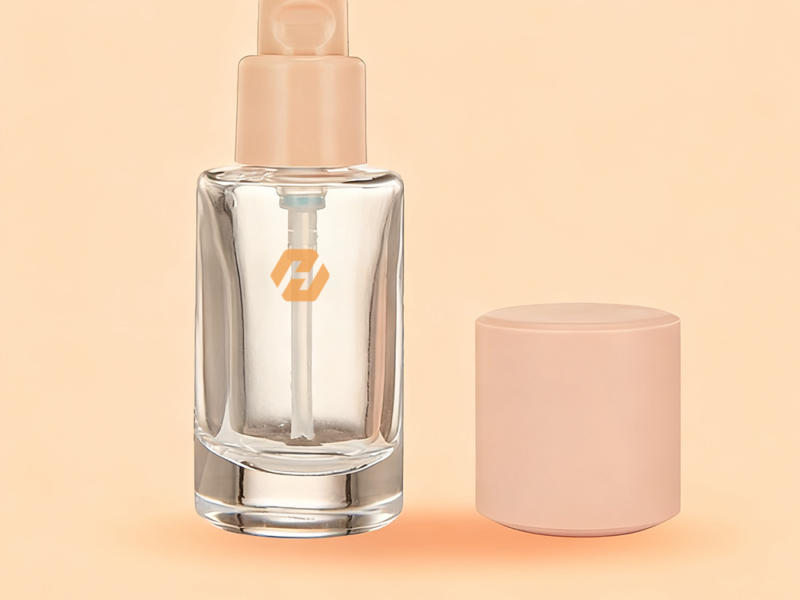
As a packaging strategist, I see one recurring challenge for skincare brands. You invest heavily in active ingredients, yet packaging failures compromise formulation stability. Airless pump bottles have emerged as the industry standard for protecting sensitive compounds.
These systems do more than dispense liquid. They provide a vacuum environment that extends shelf life and ensures near-total product evacuation. For B2B buyers, understanding the technical nuances of these bottles is critical for inventory decisions.
The Mechanics of Preservation and Performance
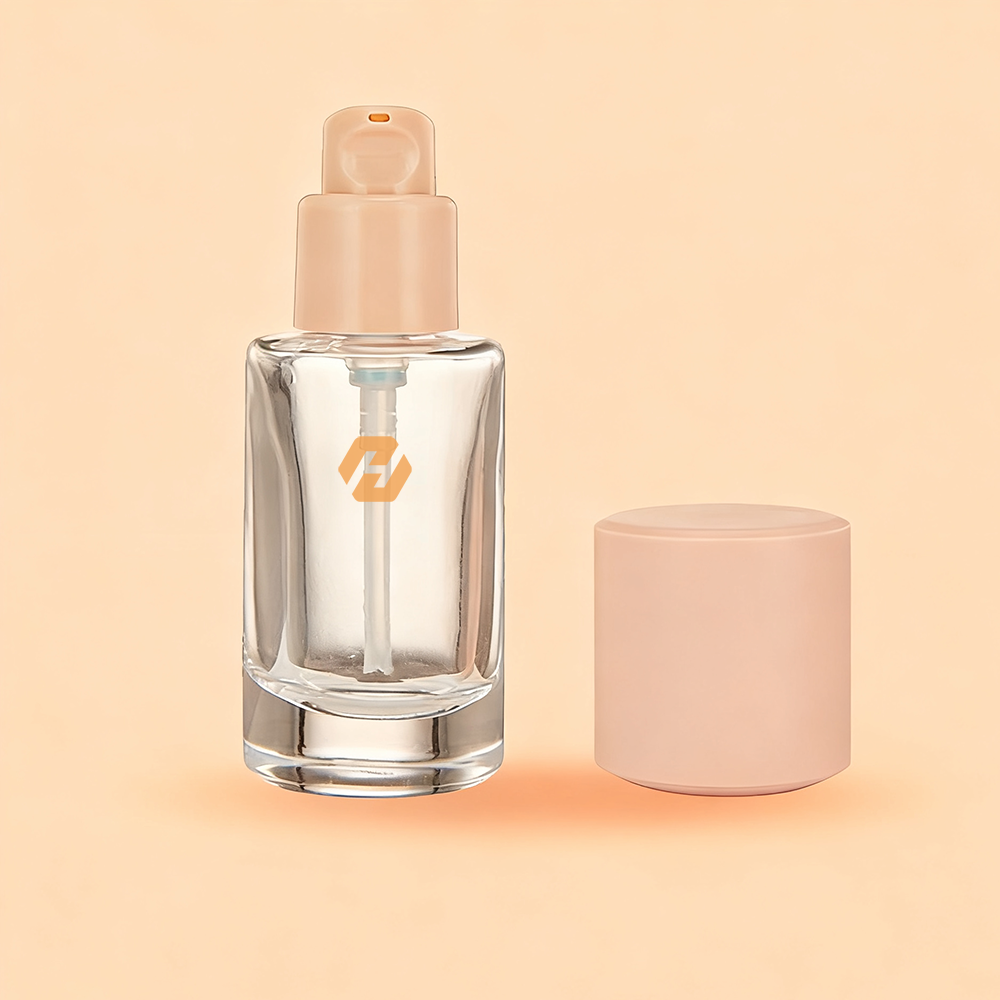
The primary value of airless pump bottles lies in their vacuum dispensing mechanism. Unlike traditional dip-tube pumps, these bottles utilize a rising piston or a collapsing pouch. When the actuator is depressed, a vacuum effect pulls the piston upward.
This design eliminates air intake during dispensing. Oxygen is the primary catalyst for degradation in active ingredients like Retinol and Vitamin C. By excluding air, you significantly delay oxidation and maintain efficacy.
From a user experience perspective, this mechanism allows for 360-degree dispensing. I have observed that this consistency builds consumer trust. Furthermore, the evacuation rate typically exceeds 95%, reducing perceived product waste.
For procurement, you must also consider dosage output. Standard airless actuators dispense precise amounts, usually between 0.20ml and 0.50ml per stroke. This precision is vital for treatment products where dosage control correlates with efficacy.
Selecting Between Opaque and Clear Airless Pump Bottle Designs
Visual presentation is as vital as formulation protection. A clear airless pump bottle offers immediate shelf appeal. It allows the consumer to see the texture and remaining quantity of the product.
However, you must evaluate the photosensitivity of your ingredients. Clear materials, usually AS (Acrylonitrile Styrene) or PETG, offer transparency but limited UV protection. If your formula degrades under light, clear packaging may require UV-blocking additives.
Opaque bottles, often made from PP (Polypropylene), provide a robust barrier against light. For high-end “cosmeceuticals,” I often recommend opaque or double-wall designs to ensure maximum stability. Your choice must balance aesthetic luxury with chemical necessity.
Additionally, material compatibility is non-negotiable. While acrylic looks luxurious, it is brittle and not compatible with all formulas. PP is more chemically resistant and durable, making it a safer choice for active-heavy formulations.
Addressing Sustainability: Can You Refill Airless Pump Bottles?
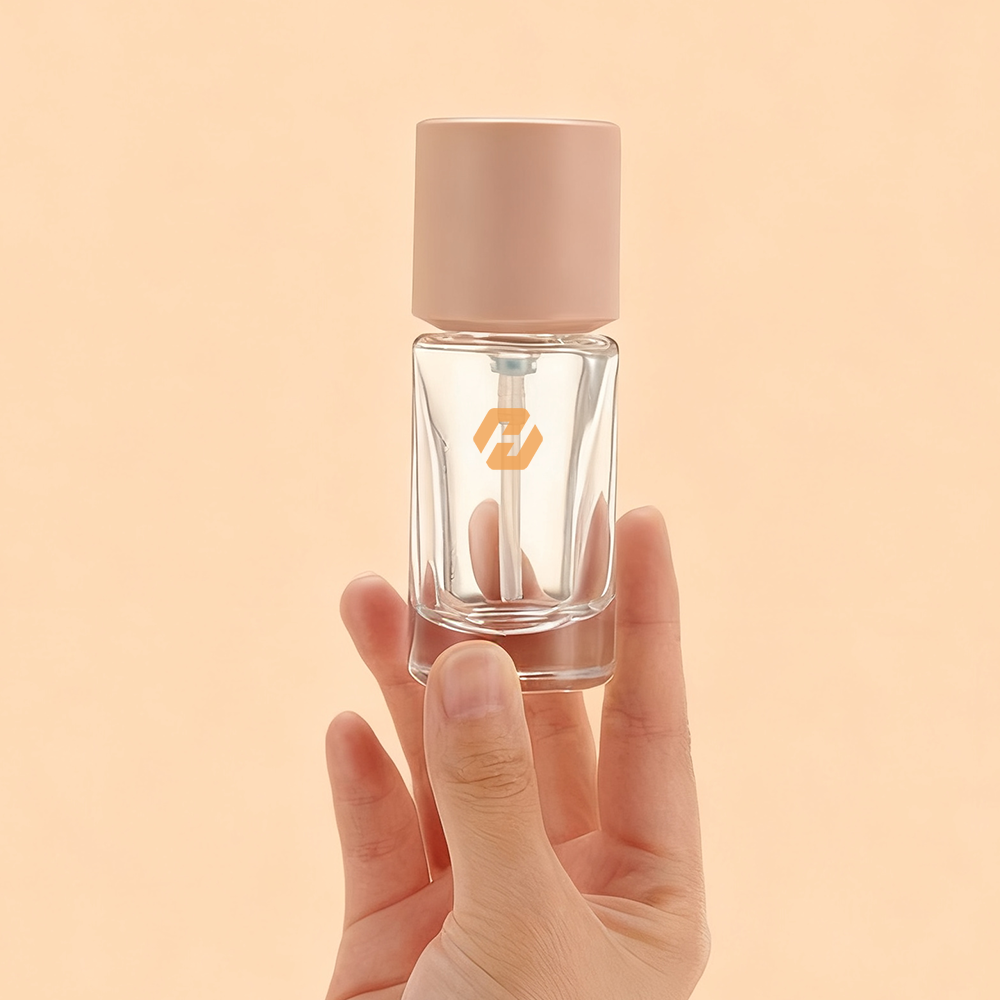
Sustainability is no longer optional in B2B procurement. A frequent question I encounter is: can you refill airless pump bottles? For standard sealed units, the answer is generally no, and for good reason.
Standard airless systems are designed to lock permanently after filling to prevent bacterial contamination. This “tamper-proof” feature is a safety requirement for many regulatory bodies. However, the market is shifting toward modular designs.
Newer “refillable cartridge” systems allow the consumer to replace the inner bottle while keeping the outer shell. This answers the query of airless pump bottle how to refill without compromising sanitary standards. Investing in these modular systems can position your brand as a leader in eco-conscious packaging.
Using PCR (Post-Consumer Recycled) materials in airless systems is another growing trend. However, ensure that the supplier validates the vacuum integrity of PCR components, as material inconsistencies can affect the seal.
The Strategic Value of the 10 ml Airless Pump Bottle
Size specification is a critical component of your SKU strategy. While 30ml and 50ml are standard for full-sized products, the 10 ml airless pump bottle serves a specific commercial function.
I recommend this size for high-value serums, eye creams, or travel sets. A 10ml volume lowers the entry price point for consumers testing a luxury product. It also functions perfectly as a premium sample for influencers or trade shows.
Small volume packaging requires precise dosage output. A 10ml airless system typically dispenses 0.15ml to 0.25ml per stroke. This precision ensures the product lasts long enough for the user to see results, encouraging a full-size purchase.
When sourcing these smaller sizes, verify the neck finish and actuator stiffness. A pump that is too hard to press on a small bottle can lead to poor user ergonomics.
Criteria for Sizing and Supplier Selection
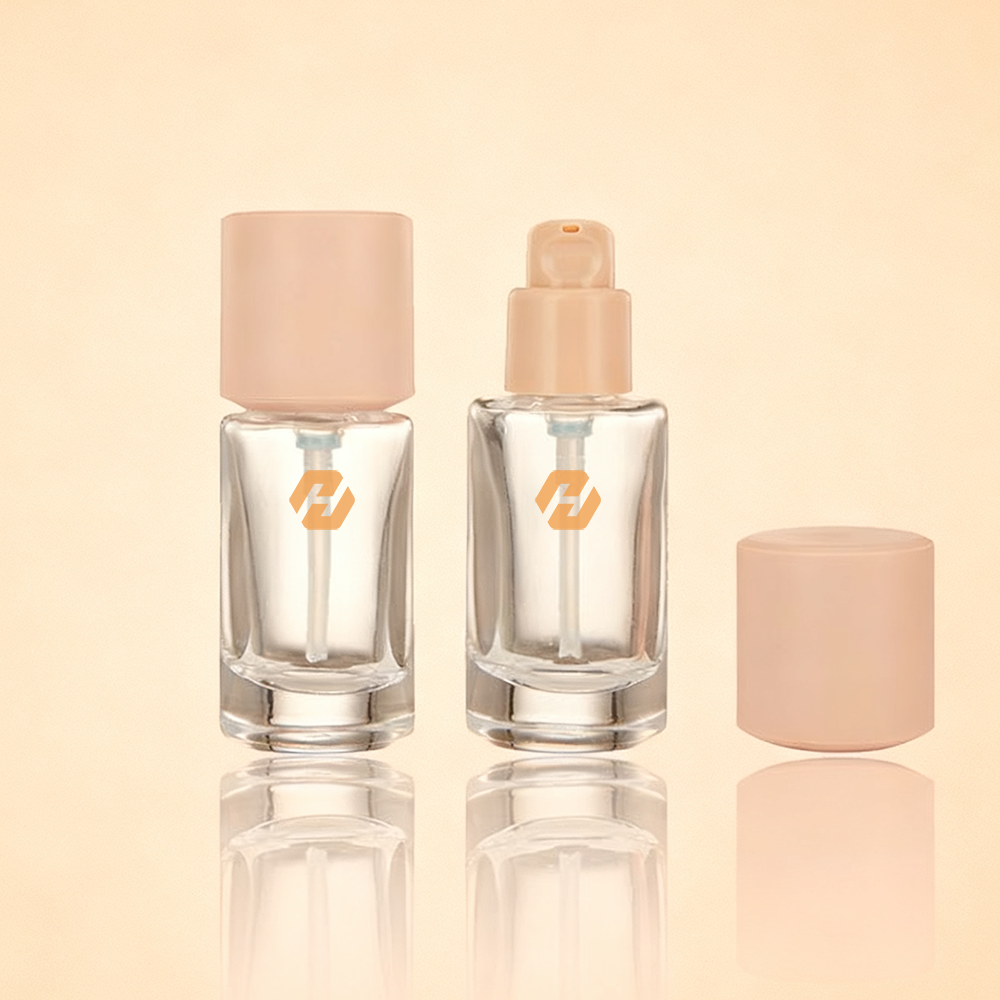
Choosing the correct packaging partner determines your product’s success. You must look beyond price and evaluate technical compatibility.
Viscosity Compatibility
Not all pumps handle all textures. Ensure the piston mechanism is rated for your formula’s thickness. High-viscosity creams may require a specific orifice size to dispense smoothly without sputtering.
Material Safety
Verify that the materials (PP, Acrylic, etc.) are compatible with your ingredients. Some essential oils react with specific plastics.
Testing Protocols
Always request samples for vacuum leakage testing. A reliable supplier will provide these for your quality assurance team.
If you are evaluating specifications for sensitive formulations, looking at established suppliers is necessary. For B2B buyers seeking diverse sizing options, including specific volumes like 15g, you might verify options available at 15g airless pump bottle for personal care.
Summary
Airless pump bottles are essential for protecting unstable formulations and enhancing user experience. Whether you select a clear airless pump bottle for aesthetics or a 10 ml airless pump bottle for sampling, technical compatibility is key. For modern brands, considering refillable designs can also drive sustainability goals.
FAQ
Q1: Can you refill airless pump bottles for personal use?
Generally, no. Standard airless bottles are designed to seal permanently to maintain a vacuum and hygiene, making them difficult to open without damage.
Q2: How does an airless pump bottle work?
It uses a vacuum mechanism with a piston at the bottom. As you pump, the piston rises, pushing the product up without letting air back inside.
Q3: Why is a 10 ml airless pump bottle popular for B2B?
It is ideal for high-potency serums, eye creams, and trial kits. It allows brands to offer lower price points or premium samples.
Q4: Are clear airless pump bottles safe for all products?
No. If your formula is sensitive to light (like Vitamin C), a clear bottle may allow degradation unless it has specific UV coatings.
Q5: What is the main benefit of airless packaging?
The primary benefit is preventing oxidation. This extends the shelf life of the product and reduces the need for heavy preservatives.
Reference Sources
U.S. Food and Drug Administration (FDA)
Cosmetics Packaging & Labeling Guide
https://www.fda.gov
The Cosmetic, Toiletry and Perfumery Association (CTPA)
packaging sustainability and standards
https://www.ctpa.org.uk