
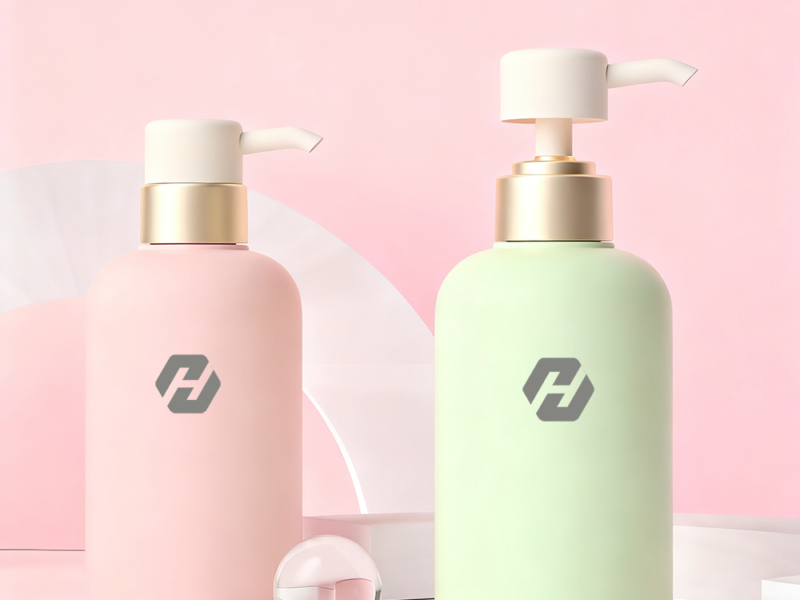
Sourcing high-quality pump bottles for shampoo and conditioner is a critical decision for brands and hospitality businesses. Professional buyers must balance durability, aesthetic appeal, and cost-efficiency to ensure long-term success. PET (Polyethylene Terephthalate) remains the industry standard because it is lightweight, shatterproof, and highly recyclable. Selecting the right reusable shampoo and conditioner bottles reduces replacement costs and supports environmental goals. Businesses that invest in premium packaging often see higher customer retention and brand perceived value.
The global market for cosmetic packaging is growing at approximately 4.5% annually. This growth reflects the increasing demand for high-capacity, durable dispensing solutions in the professional sector. Shampoo and conditioner bottles wholesale orders allow companies to maintain stock stability while lowering the price per unit. When choosing a supplier, prioritizing material safety and pump reliability is essential for product performance. High-viscosity liquids like conditioners require pumps with strong suction and consistent output.
Why PET is Ideal for Reusable Shampoo and Conditioner Bottles
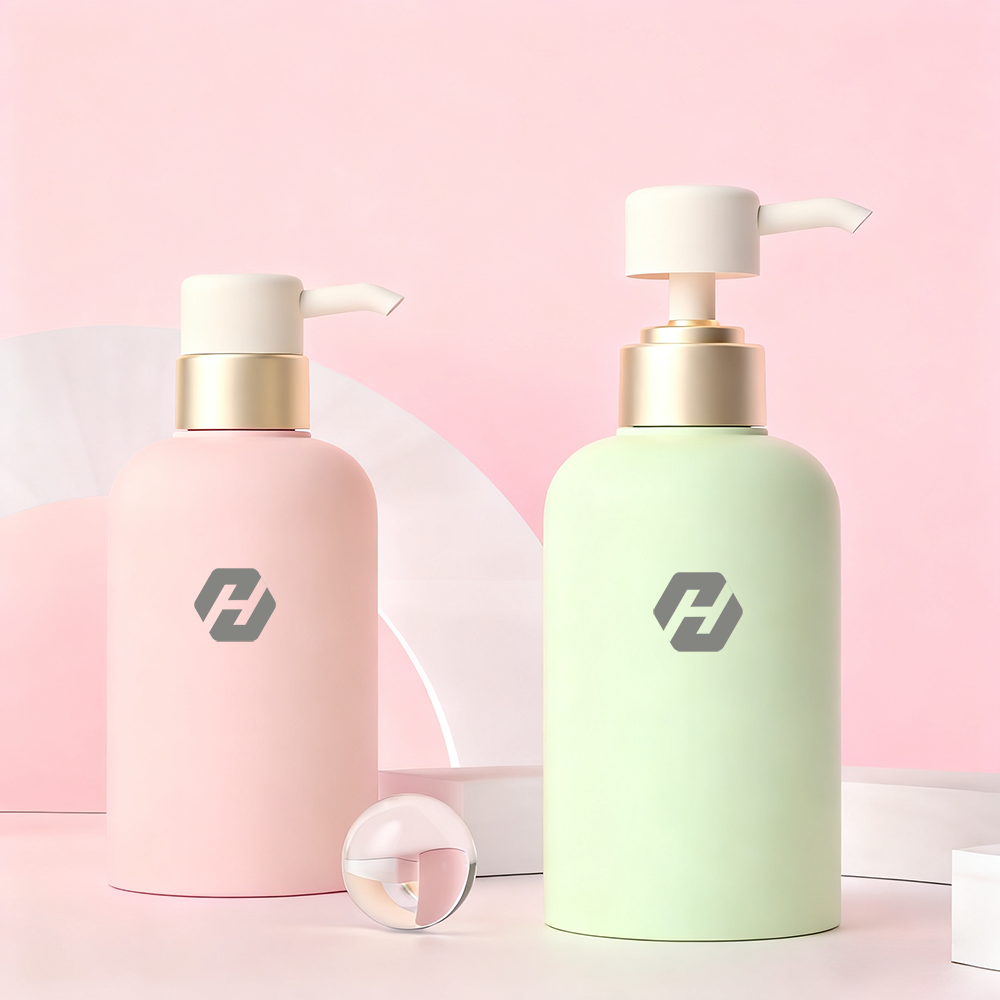
Durability is the primary factor when selecting reusable shampoo and conditioner bottles for B2B applications. PET plastic offers excellent chemical resistance, ensuring that the bottle does not react with various hair care formulas. This material is also BPA-free, making it safe for long-term consumer use in damp bathroom environments. Unlike glass, PET does not shatter, which is a crucial safety requirement for hotel showers and professional salons.
Sustainability is another major driver for choosing PET-based pump bottles for shampoo and conditioner. Statistics from the Association of Plastic Recyclers indicate that PET is the most widely recycled plastic globally. Its ability to be processed into rPET (recycled PET) helps brands meet strict environmental regulations. Many B2B buyers now prioritize reusable shampoo and conditioner bottles to align with the circular economy. This shift reduces plastic waste by up to 70% compared to single-use alternatives.
Cost-effectiveness is a significant advantage of sourcing shampoo and conditioner bottles wholesale. PET production is highly efficient, allowing for lower price points even with custom designs. Lightweight packaging also reduces shipping costs, which directly impacts the bottom line for large-scale distributors. Selecting a robust bottle ensures it can withstand multiple refills without losing its structural integrity. This longevity makes PET a superior investment for professional hair care lines.
Benefits of Blue Bottle Shampoo and Conditioner Packaging
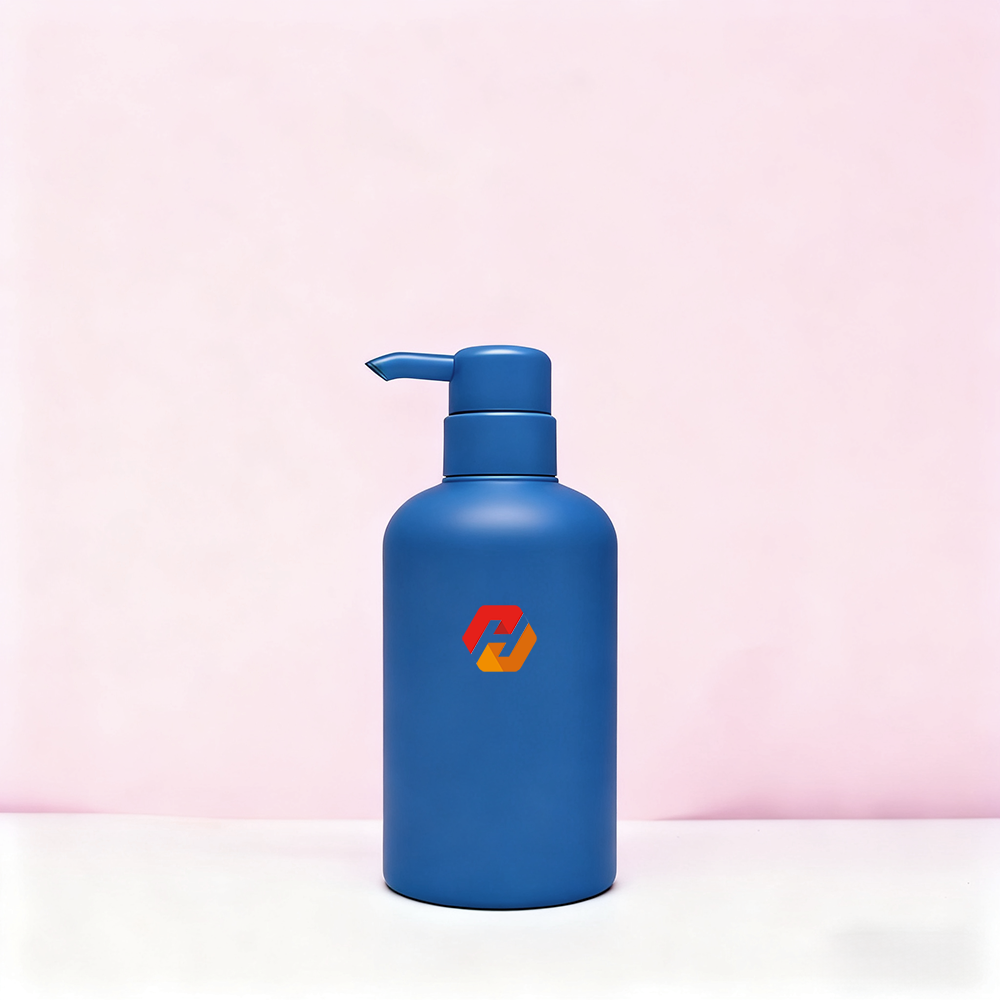
Choosing a blue bottle shampoo and conditioner design offers more than just visual appeal for a brand. Darker shades like cobalt blue provide natural UV protection for the liquid inside. This protection is vital for formulas containing natural oils or active ingredients that degrade when exposed to light. By using a blue bottle shampoo and conditioner, companies can extend the shelf life of their products. This ensures the consumer receives the full benefit of the hair care treatment.
The aesthetic of a blue bottle shampoo and conditioner often communicates a sense of premium quality and cleanliness. In the hospitality industry, blue and amber bottles are frequently used to create a “spa-like” atmosphere. This color choice hides any slight discoloration of the formula over time, maintaining a professional look. Blue bottle shampoo and conditioner options are highly popular for luxury brands aiming for a modern yet clinical aesthetic. Customizing these bottles with silk-screen printing further enhances the brand’s identity.
In terms of market psychology, blue is often associated with trust, reliability, and hydration. These are key attributes that consumers look for when purchasing hair care products. Utilizing a blue bottle shampoo and conditioner strategy can differentiate a product on crowded retail shelves. It also allows for easier color-coding between different product lines, such as moisturizing or volumizing formulas. Consistent branding through color helps build long-term customer recognition.
Managing Shampoo and Conditioner Bottles Wholesale Sourcing
Successfully managing shampoo and conditioner bottles wholesale procurement requires attention to technical specifications. Buyers must confirm the neck size, typically 24/410 or 28/410, to ensure the pump fits perfectly. A mismatch in neck size leads to leakage, which can damage the brand’s reputation and lead to inventory loss. Testing the pump’s output per stroke is also necessary to ensure controlled dispensing. Most professional pump bottles for shampoo and conditioner offer an output of 2cc to 4cc.
Quality control is the cornerstone of shampoo and conditioner bottles wholesale agreements. B2B buyers should request samples to test the thickness of the bottle walls and the smoothness of the pump mechanism. High-quality pumps should feature a locking mechanism to prevent accidental discharge during transit. This is especially important for brands selling through e-commerce platforms. Ensuring the dip tube reaches the bottom of the bottle prevents product waste and consumer frustration.
Minimum Order Quantities (MOQs) play a vital role in the financial planning of shampoo and conditioner bottles wholesale orders. Larger MOQs typically result in significant discounts but require more warehouse space. It is often beneficial to partner with a supplier that offers customization services, such as labeling or hot stamping. This integration simplifies the supply chain by reducing the number of vendors involved in the production. Reliable suppliers provide consistent lead times, which is essential for maintaining a steady market presence.
Technical Standards for Professional Pump Bottles
The functionality of pump bottles for shampoo and conditioner depends heavily on the internal spring mechanism. Professional-grade pumps often use stainless steel springs to prevent rusting when exposed to water-based formulas. This choice ensures the pump remains functional for the entire life of the product. The viscosity of the liquid determines whether a standard pump or a high-viscosity pump is required. Conditioners often require a wider internal passage to flow smoothly without clogging.
Consistency in wall thickness is a key indicator of quality for reusable shampoo and conditioner bottles. Variations in thickness can lead to “panelling,” where the bottle collapses inward as the product is used. Precision molding processes eliminate these weak spots, resulting in a more professional appearance. Many shampoo and conditioner bottles wholesale suppliers use automated testing to detect leaks before shipping. This level of rigor is necessary for products distributed in international markets.
Customization options for pump bottles for shampoo and conditioner include matte or glossy finishes. A matte finish provides a non-slip grip, which is highly practical for use in the shower. Glossy finishes, on the other hand, make colors like the blue bottle shampoo and conditioner pop and appear more vibrant. Labels should be made from waterproof materials like BOPP (Biaxially Oriented Polypropylene) to prevent peeling. These technical details collectively contribute to the user’s perception of product quality.
Strategic Selection for Business Growth
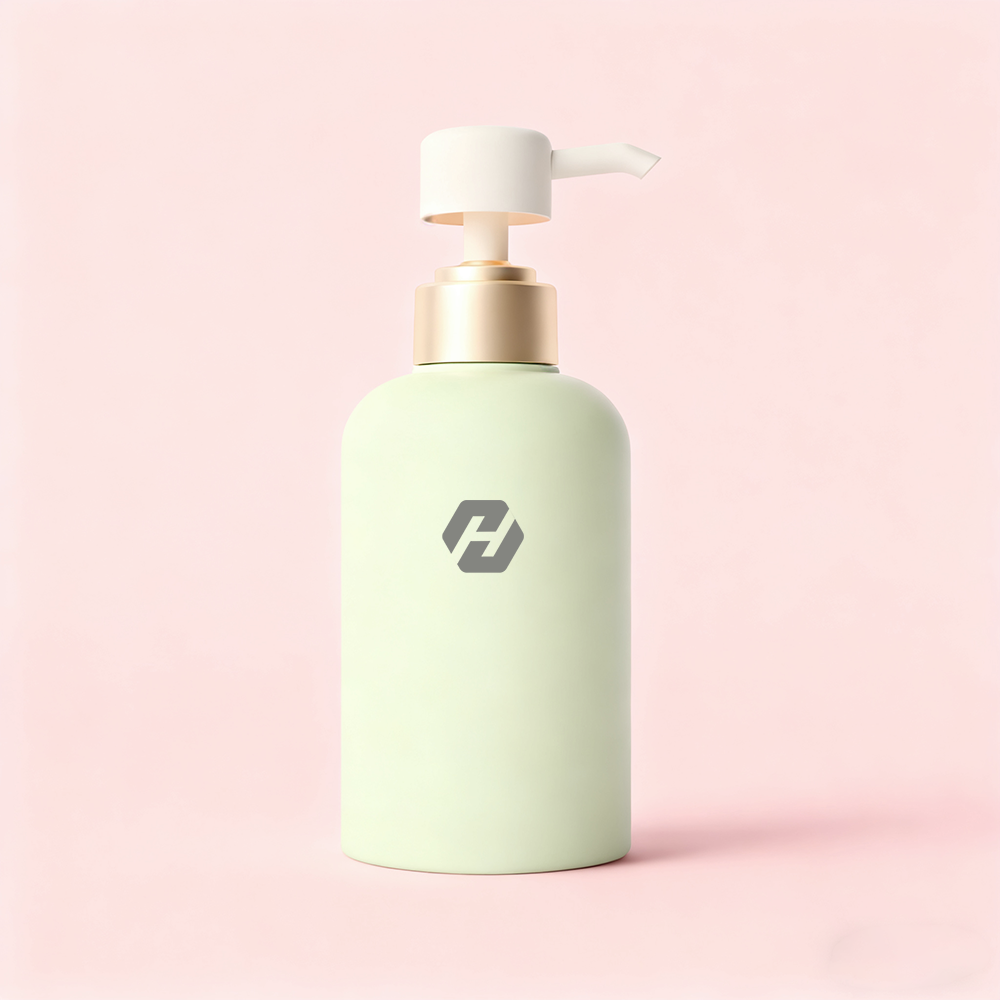
Choosing the right pump bottles for shampoo and conditioner involves analyzing the specific needs of the target audience. For salons, larger 500ml or 1000ml bottles are often preferred for back-bar use. For retail, 250ml to 400ml sizes are standard for household consumption. Providing reusable shampoo and conditioner bottles can be a unique selling proposition for eco-conscious brands. This strategy appeals to the growing demographic of consumers who want to reduce their plastic footprint.
When evaluating shampoo and conditioner bottles wholesale partners, look for those with ISO certifications. These certifications ensure that the manufacturing process adheres to international safety and quality standards. Transparent communication regarding material sourcing and production timelines is also a hallmark of a good supplier. Businesses should consider the total cost of ownership, including shipping, storage, and potential defect rates. A slightly higher initial price for better quality often saves money on returns and complaints.
Ultimately, the packaging is the first point of physical contact between the brand and the customer. High-performing pump bottles for shampoo and conditioner create a seamless user experience. Whether it is a sleek blue bottle shampoo and conditioner or a clear refillable container, quality matters. Investing in the right packaging architecture supports both the formula’s integrity and the brand’s long-term growth.
How to Select the Right PET Bottle for Your Brand
Selecting the ideal pump bottles for shampoo and conditioner requires a balance between functionality and brand identity. You should first determine the volume requirements, as 300ml and 500ml options are most common for professional use. It is important to match the pump style—such as a screw lock or a clip lock—to the intended distribution method. For e-commerce, a screw-down lock is safer for preventing leaks during shipping.
When judging quality, check for clarity in clear bottles or consistency in colored options like a blue bottle shampoo and conditioner. The weight of the bottle is a good indicator of material density and durability. A thicker wall prevents the bottle from denting and feels more premium in the hand. You should also verify that the supplier’s PET material is compatible with your specific chemical formulations. To explore professional-grade options and technical specs, you can view the detailed product range here: Empty Shampoo and Conditioner Bottles PET.
Summary
Successful B2B procurement of pump bottles for shampoo and conditioner depends on material quality and supplier reliability. Utilizing reusable shampoo and conditioner bottles supports sustainability while PET provides the necessary durability. Whether choosing a blue bottle shampoo and conditioner for UV protection or sourcing shampoo and conditioner bottles wholesale for cost savings, technical precision is the key to brand success.
FAQ
Q:Can these pump bottles for shampoo and conditioner be recycled?
Yes, PET bottles are 100% recyclable and are the most commonly processed plastic in recycling facilities worldwide.
Q:What is the standard neck size for shampoo and conditioner bottles wholesale?
The most common neck sizes for hair care products are 24/410 and 28/410, which fit a wide variety of standard pumps.
Q:How does a blue bottle shampoo and conditioner protect the product?
The blue pigment acts as a filter for UV light, preventing the degradation of light-sensitive ingredients and extending shelf life.
Q:Are reusable shampoo and conditioner bottles suitable for high-viscosity liquids?
Yes, provided you choose a pump with a larger output (e.g., 2cc or higher) designed to handle thicker liquids like conditioners.
Q:What customization is available for wholesale orders?
Most suppliers offer custom colors, silk-screen printing, hot stamping, and different pump finishes like silver or gold.
Reference Sources
Association of Plastic Recyclers (APR)
https://plasticsrecycling.org/
British Plastics Federation (BPF)
https://www.bpf.co.uk/
International Organization for Standardization (ISO)
https://www.iso.org/
Smithers Packaging Market Reports
https://www.smithers.com/