
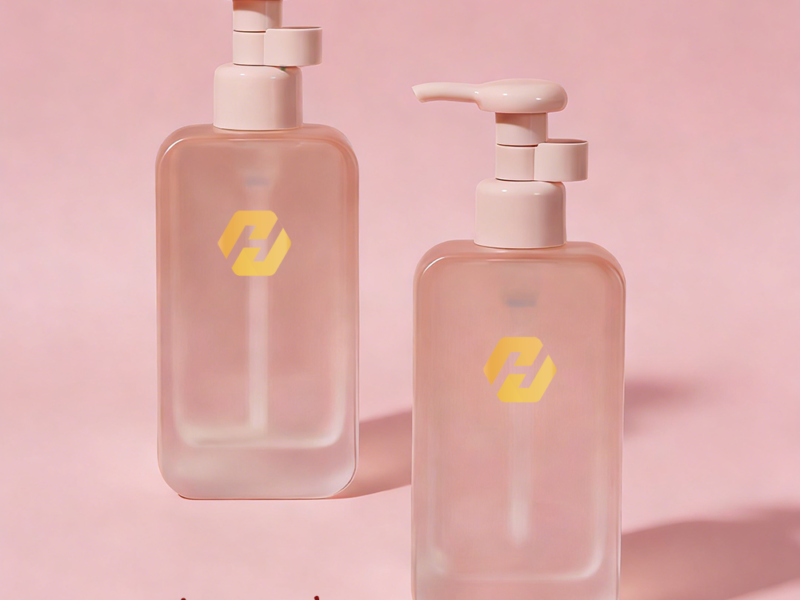
Selecting the right packaging is a critical decision for any cosmetic brand. The debate between the airless pump bottle vs pump bottle often focuses on formula integrity. Traditional pumps have served the industry for many decades with reliable functionality. However, modern formulations in 2026 require more advanced protection from environmental factors.
Understanding the mechanical differences is the first step in making an informed choice. Traditional pumps rely on a dip tube to pull liquid upward. In contrast, airless systems use a vacuum effect to move an internal piston. This distinction changes how the product interacts with oxygen and bacteria. The airless pump bottle vs pump bottle comparison reveals significant impacts on product longevity.
As consumer demand for preservative-free products grows, packaging technology must evolve. High-end serums and organic creams need a specialized environment to remain effective. Choosing the wrong container can lead to rapid oxidation or contamination. This article examines the data and mechanics behind these two popular packaging options.
How Does the Mechanism Differ in Airless Pump Bottle vs Pump Bottle?
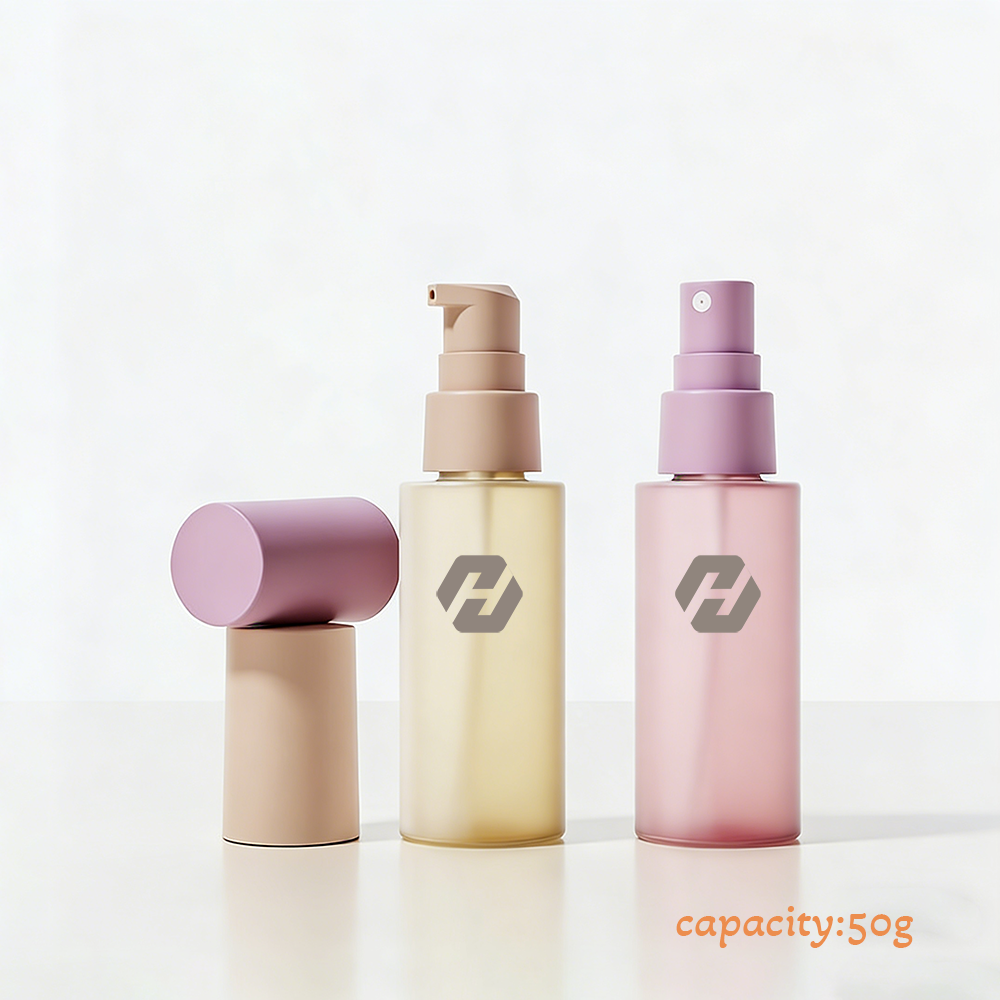
The traditional pump bottle uses a classic atmospheric pressure system. A plastic tube reaches down to the bottom of the container. When you press the head, it creates a small vacuum in the chamber. This pulls the liquid up through the tube for dispensing. Standard pumps require air to enter the bottle to replace the dispensed liquid.
In 2026, the airless pump bottle represents a major technological shift. These containers do not use a dip tube at all. Instead, they feature a moving piston at the base of the bottle. When the pump is activated, the piston moves upward. This creates a vacuum that pushes the product toward the nozzle without air contact.
The internal environment of an airless bottle remains completely sealed. No air enters the chamber during or after the dispensing process. This hermetic seal is what differentiates the airless pump bottle vs pump bottle most effectively. It ensures the product remains in a pristine, air-free state from the first use.
The Role of the Dip Tube
Dip tubes are the defining feature of traditional pump systems. They are simple to manufacture and very cost-effective for large volumes. However, they rely on gravity to keep the product at the bottom. Traditional dip tubes often fail when the bottle is tilted or near empty. This leads to consumer frustration during the final stages of product use.
The Rising Piston Advantage
The rising piston in an airless system eliminates the need for gravity. As the product is used, the piston slowly climbs the interior walls. This movement ensures that almost no residue is left behind on the sides. Airless technology allows for a much cleaner and more efficient dispensing experience. It is particularly effective for thick foundations and heavy night creams.
Understanding Atmospheric Pressure
Atmospheric pressure plays a vital role in traditional dispensing. Air must flow back into the bottle to prevent the container from collapsing. This air often carries moisture, dust, and microscopic fungal spores. Continuous air exposure is the leading cause of formula degradation in standard bottles. Airless systems bypass this requirement entirely by using mechanical vacuum pressure.
Why is the Airless Pump Bottle vs Pump Bottle Choice Critical for Product Stability?
Product stability is a primary concern for chemists developing skincare in 2026. Active ingredients like Vitamin C, retinol, and botanical oils are highly sensitive. When exposed to oxygen, these components begin to break down through oxidation. Using an airless pump bottle can preserve ingredient potency for 40% longer than traditional bottles.
Oxidation does more than just reduce the effectiveness of the product. It can change the color, scent, and texture of a premium cream. A serum that turns brown or smells rancid will likely be returned by the customer. Traditional pumps allow a fresh batch of air to enter with every single press. The airless pump bottle vs pump bottle choice directly impacts the brand’s reputation for quality.
Furthermore, microbial growth is a significant risk in non-sealed containers. Every time air enters a traditional bottle, it introduces potential contaminants. Preservatives are added to combat this, but consumers now prefer “clean” labels. Airless packaging allows brands to reduce the concentration of synthetic preservatives. Reducing chemical additives is a major selling point for modern organic skincare lines.
Protecting Sensitive Actives
Antioxidants are designed to react with oxygen to protect the skin. If they react with the air inside the bottle, they become useless. Research shows that airless systems maintain 95% of antioxidant activity over six months. Traditional pumps can result in a 30% loss of activity in the same period. This data highlights the necessity of vacuum-sealed packaging for high-performance products.
Preventing Oil Rancidity
Many luxury creams use natural plant oils like rosehip or marula oil. These oils have high levels of fatty acids that spoil when exposed to air. Rancid oils can cause skin irritation and unpleasant odors for the user. Airless bottles act as a total barrier against the oxygen that triggers rancidification. This ensures the product remains safe and pleasant to use until the end.
Managing Consistency and Texture
Air exposure can also cause water to evaporate from the formula. This leads to the product thickening or becoming crusty around the pump opening. Traditional pumps are prone to “clogging” because of this drying effect. Airless systems keep the formula at a consistent moisture level throughout its use. The first pump will have the same texture as the very last pump.
Analyzing the Performance Benefits of Airless Technology?
Performance is measured by how much product the consumer can actually retrieve. Traditional pump bottles are notorious for leaving significant residue at the bottom. Most users find it impossible to get the last 10% to 15% of the liquid out. The airless pump bottle vs pump bottle comparison shows airless designs reach a 99% evacuation rate.
This high efficiency provides better value for the customer. They feel they are getting exactly what they paid for without wasting expensive product. For the manufacturer, it reduces the need to “overfill” bottles to compensate for waste. Achieving a 99% evacuation rate significantly improves the overall consumer satisfaction score. It turns a one-time buyer into a loyal brand advocate.
Additionally, airless bottles offer a 360-degree dispensing capability. Since there is no dip tube, the orientation of the bottle does not matter. You can pump the product while holding the bottle upside down or sideways. This versatility makes airless packaging ideal for travel-sized products and active lifestyles. It provides a level of convenience that traditional pumps simply cannot match.
Dosage Precision in 2026
Modern skincare often requires very specific amounts for each application. Airless pumps provide a consistent dosage with every single stroke of the head. Most high-quality pumps are calibrated to dispense between 0.2ml and 1.0ml. Consistency in dosing ensures the user gets the correct amount of active treatment. Traditional pumps can sometimes “sputter” when air pockets form in the dip tube.
Luxury Aesthetics and Branding
The visual appeal of airless bottles is often superior to traditional plastic containers. Many feature a double-wall design that adds weight and a premium feel. Clear outer walls can showcase the rising piston, which some tech-savvy consumers appreciate. Luxury branding in 2026 relies heavily on the “high-tech” look of airless systems. It signals to the buyer that the contents are precious and well-protected.
Reducing Consumer Frustration
Nothing frustrates a consumer more than a pump that stops working halfway through. Traditional pumps often struggle with thick, high-viscosity lotions that cling to the walls. Airless systems solve this by physically scraping the walls as the piston moves. Eliminating “dead zones” in the bottle reduces negative reviews and product complaints. A smooth, reliable user experience is the foundation of modern cosmetic marketing.
Guidelines for Selecting the Right Bottle Type for Your Product?
The selection process should begin with a thorough analysis of your formula. If your product is a basic hand soap or large-volume body wash, traditional pumps are fine. They are cost-effective and the ingredients are usually stable enough for air exposure. Choosing an airless pump bottle vs pump bottle depends on the specific needs of the liquid. High-end facial treatments almost always require the advanced protection of airless technology.
When you are ready to source your containers, it is helpful to view specialized collections. You can find a wide variety of airless pump bottles that offer different aesthetic and functional features. Working with a professional supplier allows you to test for chemical compatibility. This step is vital to ensure the plastic does not react with your essential oils or actives. Testing ensures the pump mechanism handles your product’s specific viscosity without failing.
Consider the “metal-free path” feature if your formula is extremely sensitive to ions. Some airless pumps keep the product away from the metal spring entirely. This prevents any potential discoloration or chemical reactions during long-term storage. Also, evaluate the refillability of the system if sustainability is a brand pillar. Matching the packaging tech to the brand’s environmental goals is a key 2026 strategy.
Summary
In 2026, the choice between an airless pump bottle vs pump bottle is clear for premium brands. Airless bottles offer superior protection, 99% evacuation, and a luxury user experience. Traditional pumps remain a solid, cost-effective choice for stable, high-volume products. Prioritizing ingredient stability will lead you to the vacuum-sealed benefits of airless technology.
FAQ
1. Is an airless pump bottle better for natural products?
Airless pump bottles are the best choice for natural skincare because they prevent oxidation. Since many organic products contain fewer synthetic preservatives, they are vulnerable to air and bacteria. The vacuum seal keeps the formula fresh and effective for a longer duration. This technology allows brands to maintain “clean” labels without sacrificing product safety.
2. Why does a traditional pump bottle leave so much product behind?
Traditional bottles leave residue because the dip tube cannot reach the edges or the very bottom. As the liquid level drops below the tube opening, the pump begins to draw in air instead of product. This results in about 10% to 15% of the cream being wasted. Users often have to unscrew the cap and shake the bottle to get the remainder.
3. Can I use airless bottles for very thick creams in 2026?
Yes, airless bottles are actually superior for high-viscosity creams and heavy salves. The rising piston mechanism physically pushes the thick material upward toward the nozzle. This is much more effective than a dip tube, which often clogs when used with heavy substances. It ensures a smooth and consistent flow for even the thickest anti-aging formulations.
4. Are airless pump bottles more expensive than regular ones?
Yes, airless systems generally have a higher manufacturing cost due to their complex design. They require more precision parts, including the piston, specialized base, and hermetic seals. However, this cost is often offset by the reduced need for preservatives and lower return rates. Most premium brands view the extra cost as an investment in product quality and brand image.
5. How do I prime an airless pump for the first time?
You must press the pump several times to evacuate the initial air trapped in the chamber. This process is called “priming” and may take 5 to 10 pumps depending on the bottle size. Once the internal vacuum is established, the product will dispense perfectly every time. If the pump stops working, a few quick taps on the bottom can help reset the piston.
Reference Sources
Cosmetics & Toiletries: Understanding Airless Packaging Technology
Packaging Digest: Trends in Cosmetic Dispensing Systems
Journal of Cosmetic Science: Stability of Antioxidants in Different Packaging Types
International Journal of Cosmetic Science: Microbial Safety in Cosmetic Packaging