
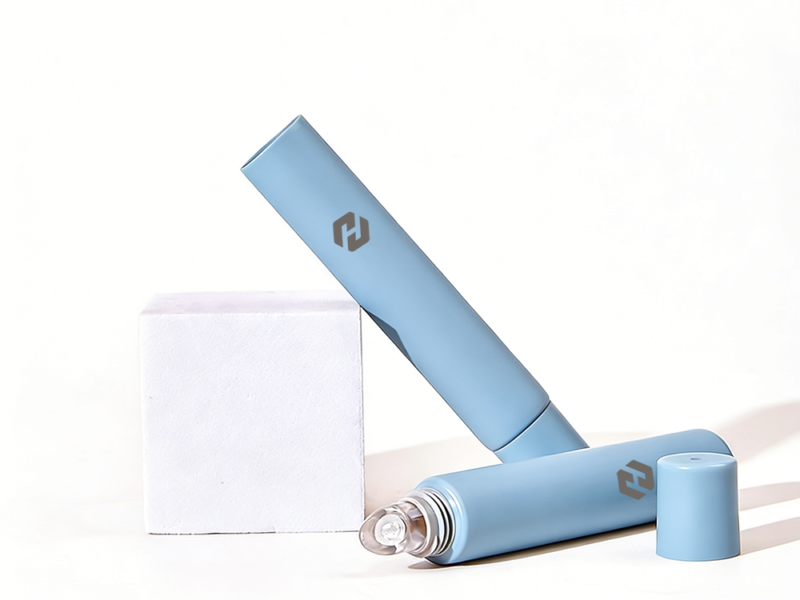
Selecting the right packaging is a critical decision for any cosmetic brand. For B2B buyers, the challenge lies in balancing aesthetic appeal with functional durability. Lip gloss tubes are not just containers; they represent your brand’s commitment to quality and user experience. Whether you are scaling a startup or managing a large-scale supply chain, understanding the technical nuances of materials and capacities is essential.
You likely face decisions regarding material compatibility, leakage prevention, and branding customization. This guide provides a professional analysis of modern packaging standards. We focus on helping you identify which specifications align with your production requirements and market positioning.
Understanding Standard Capacities: 8ml and 10ml Sizes
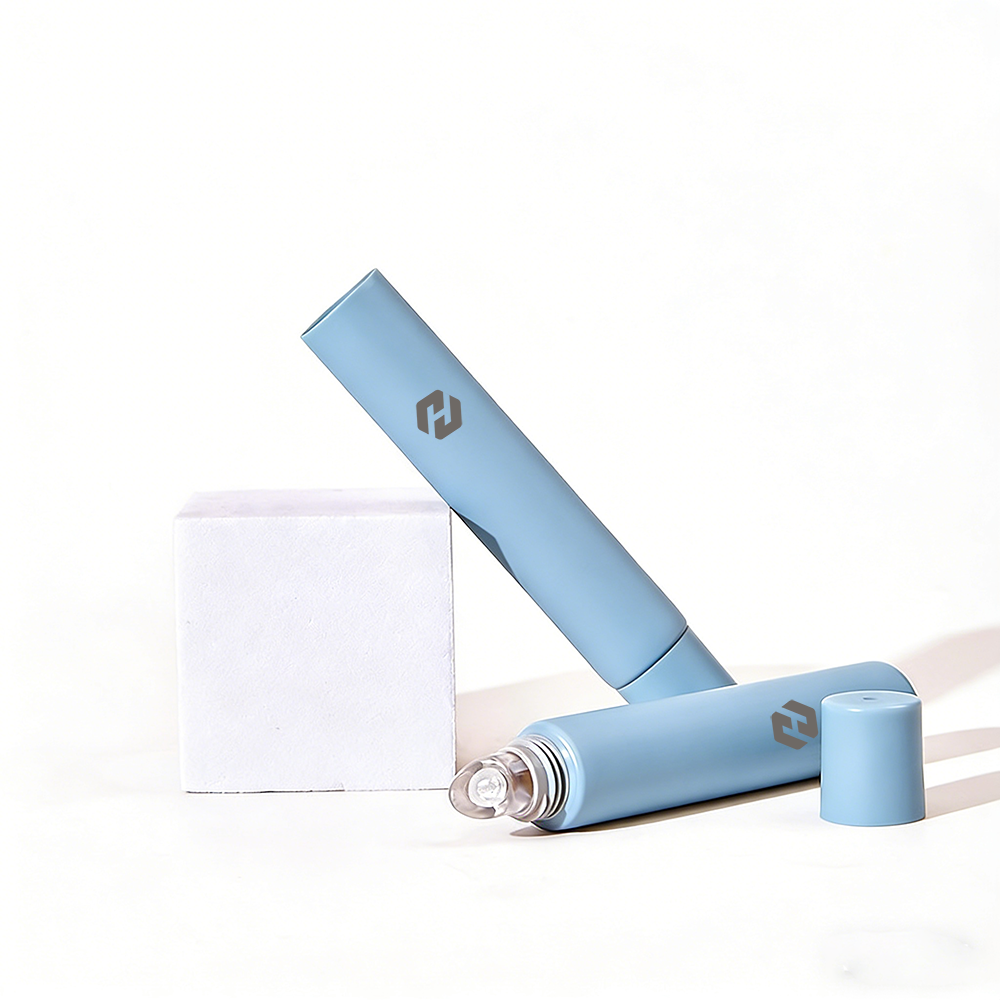
In the cosmetic industry, volume consistency is vital for pricing and consumer trust. The 8ml lip gloss tubes and 10ml lip gloss tube options are the most popular choices for retail products. Selecting between these two depends heavily on your formula’s viscosity and your target price point.
An 8ml capacity is often considered the “sweet spot” for premium lip glazes. It offers a sleek profile that fits comfortably in small handbags. For manufacturers, this size allows for a higher perceived value per milliliter. It also reduces the amount of active product needed per unit, which can improve overall profit margins.
Conversely, the 10ml size is the industry standard for daily-wear products. This volume provides enough product for extended use, making it a favorite for “value-driven” luxury lines. When choosing between these sizes, ensure your filling equipment is calibrated for the specific diameter of the tube to prevent air pockets.
Benefits of Empty Squeeze Tubes for Lip Gloss
For brands focusing on high-shine or high-viscosity formulas, empty squeeze tubes for lip gloss offer distinct functional advantages. Unlike rigid vials with wands, squeeze tubes allow the consumer to control the flow of the product precisely. This is particularly important for thicker balms or glitter-infused glosses that might clog a traditional applicator.
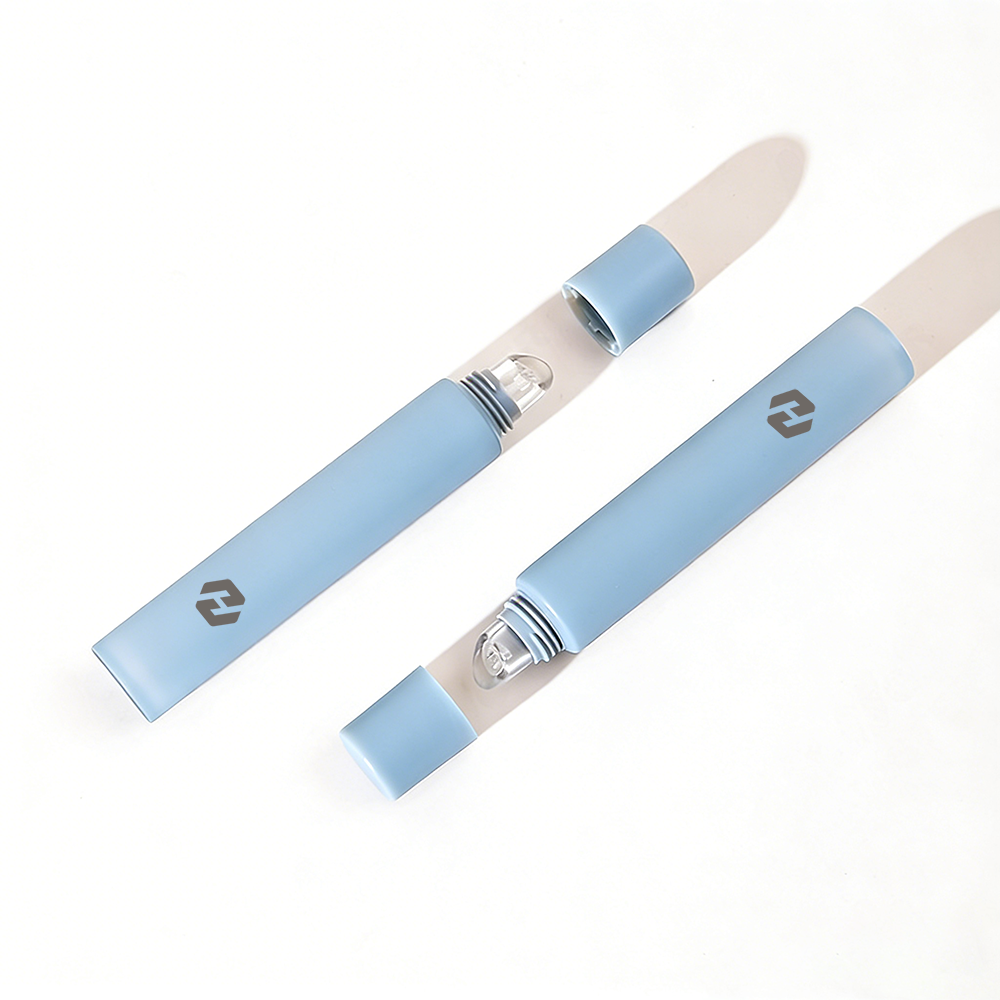
Squeeze tubes are typically made from LDPE (Low-Density Polyethylene) or multi-layer COEX plastic. These materials provide an excellent moisture barrier. This protection ensures that your formula remains stable and does not dry out over time. Furthermore, squeeze tubes are generally more cost-effective to ship due to their lightweight nature.
From a manufacturing perspective, squeeze tubes are easier to fill from the bottom before sealing. This “tail-sealing” process is efficient for high-volume production lines. It also offers a larger surface area for 360-degree branding and ingredient labeling compared to narrow cylindrical tubes.
Customization Trends: The Rise of the Blue Lip Gloss Tube
Visual differentiation is the fastest way to capture consumer attention in a crowded market. While clear packaging remains a staple, the blue lip gloss tube has emerged as a significant trend for “cool-toned” or “icy” lip collections. Using colored resins instead of surface painting ensures the color does not chip or fade.
Blue packaging often signals refreshing, hydrating, or medical-grade properties to the consumer. For B2B purchasers, sourcing pre-colored tubes can reduce the lead time required for secondary decoration. You can choose between transparent blue, which showcases the product inside, or solid opaque blue for a minimalist look.
When opting for colored tubes, it is vital to check for chemical compatibility. Ensure the pigments used in the plastic do not react with the ingredients in your lip gloss. High-quality suppliers use food-grade colorants that maintain the integrity of the formula while providing a striking shelf presence.
Evaluating Material Quality and Supplier Standards
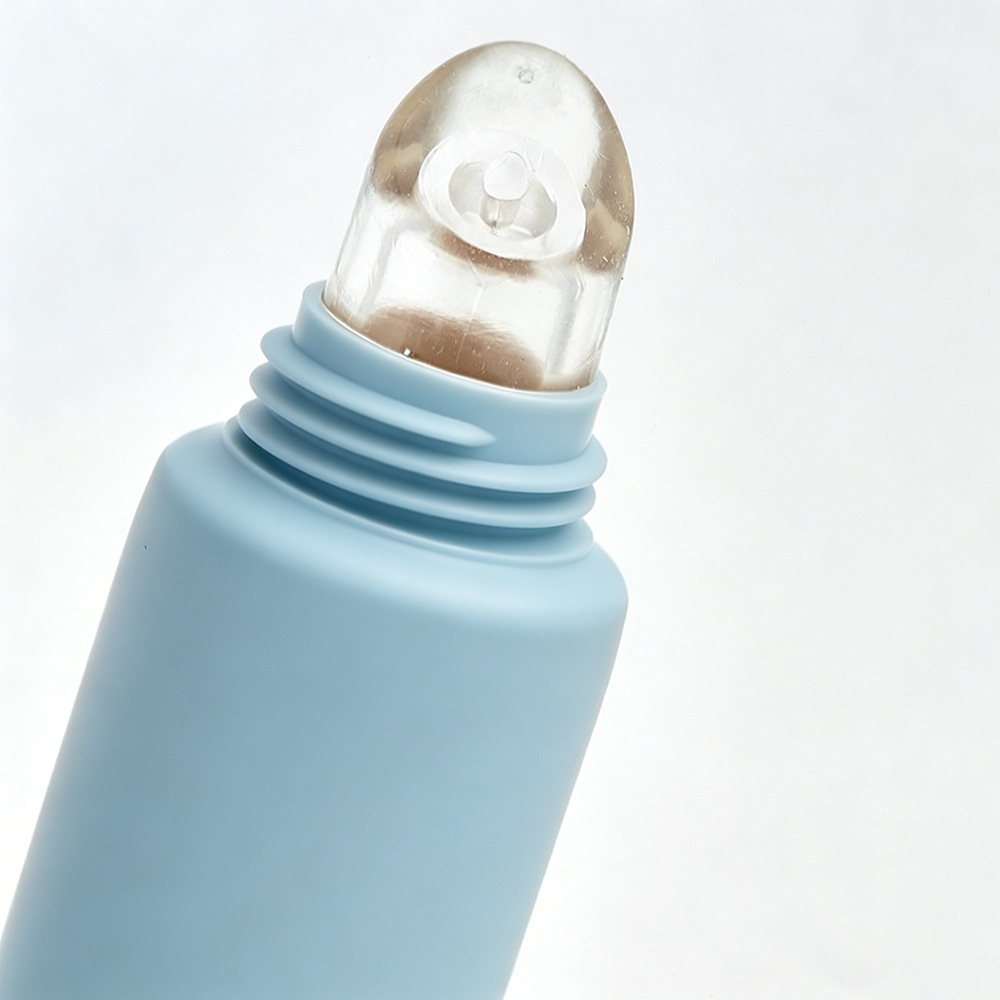
When moving from research to procurement, the technical specifications of your packaging must meet international safety standards. The quality of a tube is determined by its wall thickness, the precision of the screw threads, and the durability of the applicator tip. A “cheap” tube often leads to leaking, which can ruin a brand’s reputation instantly.
To ensure you are making a sound investment, evaluate the following criteria:
- Seal Integrity: The cap should have a “click” or a firm stop to prevent evaporation.
- Wiper Precision: For wand tubes, the internal wiper must scrape the perfect amount of product.
- BPA-Free Materials: Ensure all plastics are non-toxic and compliant with cosmetic safety regulations.
If you are currently analyzing different prototypes, it is helpful to see how various designs perform under pressure. You can explore a wide range of professional-grade options and technical drawings at Empty Lip Gloss Tubes & Containers to compare specific dimensions and material types. This will help you determine which physical structure best supports your formula’s chemical composition.
Summary of Professional Recommendations
Choosing the right lip gloss tubes requires a balance of volume, material, and visual identity. Focus on 8ml or 10ml sizes for market standard compliance. Utilize squeeze tubes for thicker formulas to ensure better user control. Finally, always verify that your supplier adheres to international safety standards to protect your brand’s longevity and consumer safety.
FAQ
Q1:What is the best material for squeeze lip gloss tubes?
LDPE (Low-Density Polyethylene) is the preferred material because it is flexible and offers a strong chemical barrier.
Q2:How do I prevent leakage in 10ml lip gloss tubes?
Ensure the tube features a high-quality internal plug or “wiper” and that the thread count on the neck matches the cap precisely.
Q3:Can I customize the color of my tubes, like a specific blue?
Yes, most manufacturers offer Pantone matching for bulk orders, allowing you to create unique blue lip gloss tubes or other brand-specific colors.
Q4:Are squeeze tubes or wand tubes better for thick gloss?
Squeeze tubes are generally better for high-viscosity products, as they do not rely on an applicator wand which can become overloaded.
Reference Sources
U.S. Food and Drug Administration (FDA): Cosmetics Packaging and Labeling Requirements. https://www.fda.gov
Cosmetics Europe: The Personal Care Association – Product Safety and Packaging Standards. https://www.cosmeticseurope.eu
Wikipedia: Plastic Bottle and Tube Manufacturing Processes. https://www.wikipedia.org