
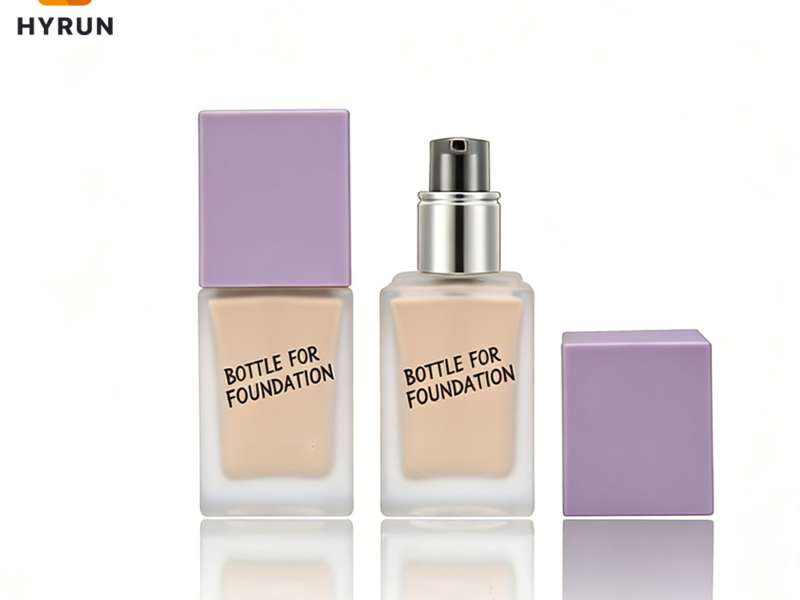
A consumer’s first physical interaction with a beauty brand isn’t the product inside; it’s the container holding it. In the competitive beauty landscape, cosmetic packaging design serves as a silent salesman, a protective barrier, and a brand ambassador. Achieving success in this sector requires more than aesthetic intuition—it demands a deep understanding of material science, manufacturing constraints, and user ergonomics. Effective design bridges the gap between a creative vision and the industrial reality of mass production.
Why Strategic Design Dictates Cosmetic Brand Longevity
Design is the intersection of form and function. For a cosmetic brand, the packaging must protect the formula’s integrity while communicating the brand’s price point and values. From a manufacturing perspective, the design must also be scalable. A beautiful glass jar that breaks during high-speed automated filling lines is a technical failure, regardless of its visual appeal.
Successful brands approach packaging by analyzing the formula first. A high-viscosity cream requires different dispensing logic than a volatile, alcohol-based serum. By aligning the physical design with the chemical requirements of the product, brands reduce waste, prevent contamination, and ensure a premium user experience from the first pump to the last.
Core Principles of Functional Cosmetic Packaging
When evaluating a design, professional engineers and brand managers focus on three primary pillars: protection, compatibility, and usability.
-
Barrier Integrity: The primary role of any vessel is to shield the contents from UV light, oxygen, and moisture. For example, active ingredients like Vitamin C or retinol are highly sensitive to oxidation. Designers often opt for airless pump systems or opaque materials to extend shelf life.
-
Chemical Compatibility: Not every plastic is suitable for every formula. Essential oils can degrade certain polymers, leading to “stress cracking” or leaching. Testing for compatibility ensures the packaging doesn’t alter the product’s pH or scent.
-
Ergonomics and Flow: The “hand-feel” of a product influences perceived value. A heavy-walled glass jar suggests luxury, while a soft-touch squeeze tube implies convenience and travel-friendliness.
| Material Type | Typical Application | Key Advantage | Manufacturing Consideration |
| Glass | Luxury Serums, Perfumes | 100% Recyclable, Inert | Heavy, higher shipping costs |
| PET Plastic | Shampoos, Lotions | High clarity, shatterproof | Lightweight, cost-effective |
| PP (Polypropylene) | Creams, Balms | High chemical resistance | Great for hinges and caps |
| Aluminum | High-end Skincare | Total light barrier | Premium aesthetic, dent-prone |
Selecting the Right Vessel for Your Formula
The architecture of your packaging must match the “delivery system” required by the consumer. Choosing between cosmetic bottles, tubes, and jars isn’t just about looks—it’s about the physics of the product.
Precision Dispensing with Bottles
Bottles are the standard for liquid and semi-liquid products. Modern design trends lean toward airless bottle technology, which utilizes a vacuum system rather than a traditional straw. This allows for 99% product evacuation, which is a major selling point for premium skincare where consumers want to use every drop.
Versatility in Cosmetic Tubes
For products like cleansers, sunscreens, or hand creams, cosmetic tubes offer unmatched portability. Engineering-wise, tubes allow for “directional dispensing.” The choice between a flip-top cap, a screw cap, or a needle-nose applicator changes how the consumer interacts with the brand. PE (Polyethylene) tubes are preferred for their flexibility and “bounce-back” memory, ensuring the tube doesn’t look deformed after half the product is gone.
Accessibility in Cosmetic Jars
High-viscosity formulations, such as thick body butters or night creams, are best suited for cosmetic jars. From a design perspective, jars offer the largest surface area for branding and labeling. Double-wall jars are a popular choice in the luxury segment; they provide a “weighty” feel and thermal insulation for the product while maintaining a standard external footprint.
Sustainability: The New Standard in Packaging Design
Sustainability is no longer an “extra” feature; it is a core requirement of modern cosmetic packaging design. However, “green” design must be backed by technical feasibility.
-
PCR (Post-Consumer Recycled) Plastics: Many brands are moving toward 30% to 100% PCR content. This reduces the carbon footprint but requires careful color matching, as recycled resins can have a slight grayish or yellowish tint.
-
Mono-material Design: Traditional pumps often contain metal springs and multiple plastic types, making them impossible to recycle. High-level design now focuses on mono-material pumps (entirely made of PP, for instance) that can be thrown directly into the recycling bin without disassembly.
-
Refillable Systems: This involves a durable outer shell (often glass or heavy-weight plastic) and a thin, replaceable inner pod. This design strategy encourages brand loyalty and significantly reduces plastic waste over the product’s lifecycle.
The Role of Decoration and Finish in Brand Success
Once the structural engineering is finalized, the secondary design phase—decoration—takes over. This is where the brand identity is solidified. Technical methods include:
-
Silk Screen Printing: Ideal for bold, solid colors and tactile finishes. It offers high durability against the oils and chemicals found in cosmetics.
-
Hot Stamping: Used for metallic accents (gold/silver) that signify luxury.
-
Frosted vs. Glossy Finishes: A frosted finish on a glass bottle can hide minor formula separations and provide a “cool” touch, whereas high-gloss finishes emphasize product clarity.
-
Metallization: A vacuum process that gives plastic parts a metallic appearance without the weight or cost of actual metal.
Compliance and Safety Standards
Professional packaging design must adhere to global safety standards. In the US, the FDA regulates cosmetic labeling and safety, while in Europe, the Regulation (EC) No 1223/2009 sets strict guidelines.
Designers must ensure that:
-
BPA-Free Materials: Ensuring no harmful chemicals leach into the formula.
-
Tamper-Evident Seals: Protecting the consumer from contaminated products.
-
Child-Resistant Closures: Necessary for certain chemical peels or high-concentration actives.
Engineering a Successful Product Launch
To ensure a smooth transition from design to the retail shelf, brand owners should follow a rigorous testing protocol. This includes “leak tests” (vacuum testing), “torque tests” (ensuring caps aren’t too hard or too easy to open), and “drop tests” (simulating shipping hazards).
By focusing on these technical and ergonomic “tips,” a brand ensures that its cosmetic packaging design isn’t just a pretty container, but a high-performing component of its business strategy. Success is found where beautiful aesthetics meet reliable engineering.
FAQ
What is the most eco-friendly material for cosmetic packaging?
Glass is infinitely recyclable and chemically inert, making it very eco-friendly. However, its weight increases shipping emissions. For plastics, Mono-material PP or high-percentage PCR (Post-Consumer Recycled) plastics are currently the industry standard for balancing sustainability with functional performance.
How does packaging design affect product shelf life?
Design influences shelf life primarily through barrier properties. Airless dispensers prevent oxygen from degrading sensitive ingredients like Vitamin C. Opaque or UV-coated materials protect formulas from light-induced spoilage. Proper sealing prevents moisture loss or bacterial contamination.
What is the difference between primary and secondary packaging?
Primary packaging is the container in direct contact with the product (e.g., the bottle, tube, or jar). Secondary packaging is the outer box or wrapping used for branding, protection during shipping, and displaying mandatory regulatory information.
Why are airless pumps better for premium skincare?
Airless pumps don’t use a dip tube; instead, they use a vacuum platform. This prevents the product from being exposed to air, reduces the need for heavy preservatives, and ensures the consumer can use almost 100% of the contents.
How do I choose between a tube and a jar for a new cream?
The choice depends on viscosity and hygiene. If the cream is thick (high viscosity) and intended for luxury use, a jar is preferred. If the product is thinner or the brand emphasizes hygiene and “on-the-go” use (avoiding finger-dipping), a squeeze tube is the superior choice.
Reference Sources
-
ISO 22715: Cosmetics — Packaging and labelling.
-
Sustainable Packaging Coalition (SPC): Guidelines for recycled content in plastic packaging.
-
FDA Cosmetics Guidance: Proper labeling and material safety requirements.
-
ASTM D3475: Standard Classification of Child-Resistant Packages.