
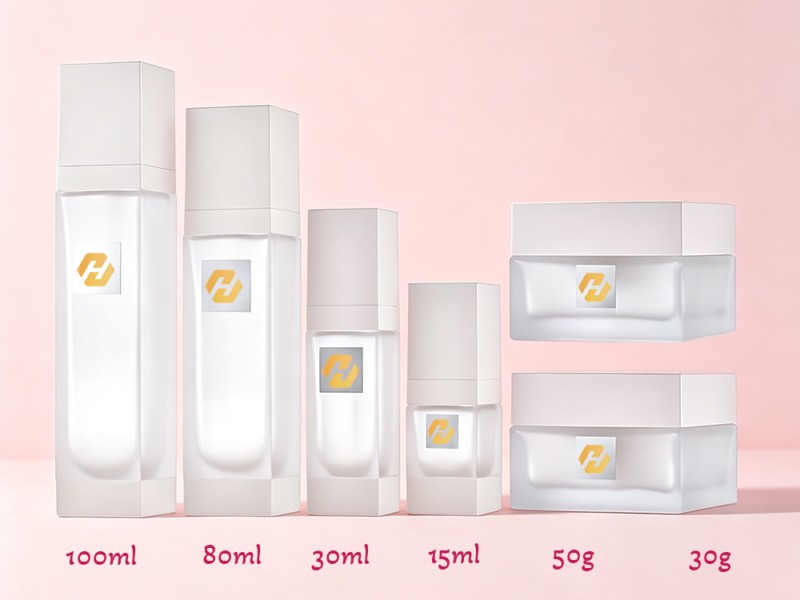
Securing the right cosmetic packaging supplier for skincare formulas is a critical step in product development. The packaging does more than just hold the product; it acts as a functional barrier that protects active ingredients, dictates the user experience, and directly influences brand perception on the shelf.
For OEM project managers and brand procurement teams, selecting a manufacturing partner requires technical due diligence. A supplier must offer scalable production, precise material engineering, and robust quality control to prevent issues like formula oxidation, leakage, or plastic degradation.
This guide covers how to evaluate manufacturing capabilities, select appropriate packaging formats, and navigate the B2B procurement workflow efficiently.
What Makes a Reliable Cosmetic Packaging Supplier for Skincare?
In large-volume production, consistency is the primary metric of success. Evaluating a cosmetic packaging supplier for skincare goes beyond checking their catalog. Procurement consultants typically look for specific manufacturing and operational indicators to verify a supplier’s reliability.
-
Material Traceability: The factory must source high-grade, virgin resins or certified PCR (Post-Consumer Recycled) materials. Contaminated plastics can leach into sensitive skincare formulas.
-
Quality Management Systems: Look for ISO 9001 certification for manufacturing consistency and compliance with GMP (Good Manufacturing Practice) standards.
-
Tooling Capabilities: A mature supplier maintains an in-house tooling workshop. This reduces the lead time for custom molds and allows for faster iteration during the prototyping phase.
-
Secondary Processing: In-house capabilities for silk-screen printing, hot stamping, UV coating, and frosting ensure better color matching and minimize transit damage between sub-contractors.
Core Packaging Formats for Skincare Formulas
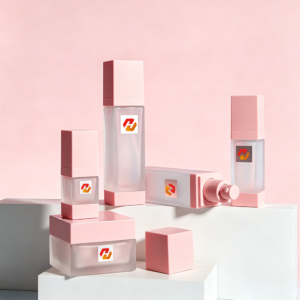
Different skincare products require specific dispensing mechanisms and barrier properties. When evaluating a supplier’s catalog, procurement teams typically segment their needs into three primary categories based on formula viscosity and application methods.
Precision Dispensing Systems (Bottles)
Liquid formulas such as serums, toners, and light lotions require precise dosing and protection from air exposure. Airless pump bottles are highly recommended for active-rich formulas like Vitamin C or Retinol, as they utilize a vacuum system to push the product upward, preventing oxidation. Dropper bottles and sprayers are standard for lower-viscosity fluids.
Explore comprehensive ranges of cosmetic bottles to find specific pump outputs (e.g., 0.2cc vs. 0.5cc per stroke) that match your formulation’s dose requirements.
High-Viscosity Containment (Jars)
Heavy creams, body butters, and gel-based sleeping masks require wide-mouth access. Jars must be engineered with tight-fitting inner liners (gaskets) to prevent air ingress and moisture loss over time. Double-wall acrylic designs are frequently chosen in this category for their premium, glass-like aesthetic without the associated shipping weight or fragility.
Suppliers with extensive cosmetic jars manufacturing lines usually offer capacity options ranging from 15g for eye creams up to 250g for body products.
Flexible Barrier Solutions (Tubes)
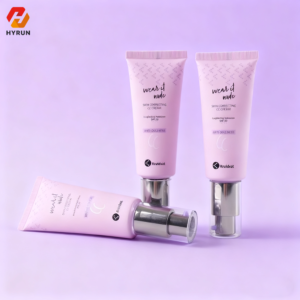
For high-volume daily consumables like facial cleansers, exfoliants, and sunscreens, tubes offer cost-effective manufacturing and shipping. Flexible packaging must be evaluated on its barrier properties. ABL (Aluminum Barrier Laminate) provides superior light and oxygen protection, making it ideal for pharmaceutical-grade skincare. PE (Polyethylene) extruded tubes offer excellent memory and bounce-back, suitable for standard wash-off products.
Matching the right closure—such as flip-top or screw caps—with high-quality cosmetic tubes ensures consumer convenience and prevents leakage during transit.
Quick Comparison: Packaging Formats
| Format Type | Typical Application | Recommended Materials | Primary Barrier Concern |
| Airless Bottles | Serums, Anti-aging Lotions | PP, AS, PETG | Oxygen exposure, UV light |
| Cream Jars | Thick Moisturizers, Balms | Glass, PP, Acrylic | Moisture loss, Contamination |
| Squeeze Tubes | Cleansers, SPF Creams | PE, ABL, PBL | Formula separation, Leakage |
Material Selection and Formula Compatibility
Choosing the wrong polymer can result in catastrophic product failures. Skincare formulations often contain essential oils, high-acidity ingredients, or volatile solvents that interact with packaging materials.
Polypropylene (PP)
PP is a highly stable, heat-resistant plastic with excellent chemical resistance. It is the standard choice for airless pumps, jar inner bowls, and caps. It rarely reacts with skincare chemicals and offers a strong moisture barrier.
Polyethylene Terephthalate (PET)
PET is renowned for its glass-like clarity and impact resistance. It is heavily utilized for toner bottles and lightweight jars. However, highly concentrated essential oils can sometimes degrade standard PET, requiring compatibility testing.
Glass
For premium skincare lines and highly reactive formulas (like pure facial oils or acid peels), glass remains the most inert option. It is impermeable to air and moisture. The tradeoff involves higher shipping costs, tooling expenses, and breakage risks during filling and transit.
Post-Consumer Recycled (PCR) Plastics
Driven by global sustainability mandates, many brands are transitioning to 30% to 100% PCR packaging. Procurement teams must verify that the supplier uses structurally sound PCR, as high percentages can sometimes affect color consistency and mechanical strength.
The OEM Procurement and RFQ Workflow
Engaging a manufacturing partner requires a structured approach to secure accurate pricing and realistic production timelines.
-
Submit a Detailed RFQ: Your Request for Quotation should include capacity (ml/g), material preferences, surface finish (matte, glossy, soft-touch), printing requirements, and estimated order volumes.
-
Request Dummy Samples: Before committing to bulk orders, test physical samples for mechanical function. Check the pump action, thread alignment on screw caps, and overall material thickness.
-
Initiate Compatibility Testing: Always perform stability testing. Fill the samples with your actual formula and subject them to varying temperatures (usually 4°C to 45°C) for 4 to 12 weeks to check for paneling, leakage, or plastic degradation.
-
Approve Pre-Production Samples (PPS): Once testing passes, the supplier will produce a small batch with your exact color and print specifications. Production should only scale after PPS sign-off.
Aligning Procurement with Specialized Facilities
Consolidating your supply chain minimizes logistical friction and ensures color uniformity across a product range. When a brand requires a cohesive aesthetic across toners, serums, and heavy creams, working with a supplier that maintains integrated production lines for bottles, tubes, and jars is highly advantageous.
By leveraging a unified factory infrastructure, procurement managers can group minimum order quantities (MOQs), streamline the quality inspection process, and ensure that a specific Pantone color applied to a PET bottle exactly matches the finish on a PP jar lid. Engaging a comprehensive supplier allows brands to focus on formulation and marketing while relying on the manufacturer for structural integrity and regulatory compliance.
FAQ
What is the standard MOQ for custom skincare packaging?
Most B2B manufacturing facilities require a Minimum Order Quantity (MOQ) of 10,000 units per sku for custom-colored or printed packaging. Standard in-stock items with no customization may be available at lower quantities (e.g., 1,000 to 5,000 units), while complex multi-layer tubes often require an MOQ of 20,000 units.
How long does standard compatibility testing take?
Compatibility and stability testing typically takes between 4 to 12 weeks. The formulation is placed in the intended packaging and exposed to elevated temperatures, UV light, and humidity to ensure the plastic does not warp, the formula does not degrade, and the printing does not flake off.
What is the difference between ABL and PE cosmetic tubes?
PE (Polyethylene) is a widely used extruded plastic offering high flexibility and bounce-back, ideal for basic lotions and cleansers. ABL (Aluminum Barrier Laminate) includes a thin layer of aluminum foil integrated into the plastic, providing maximum protection against oxygen and light for sensitive, active-heavy formulas.
Can a supplier create custom molds for unique bottle shapes?
Yes. If standard molds do not fit your brand identity, a supplier can open custom tooling. Lead times for custom molds generally range from 25 to 45 days, followed by sampling and mass production. Tooling costs depend on the material and complexity of the design.
Reference Sources
-
ISO 9001:2015: Quality management systems – Requirements (Standard for manufacturing consistency and defect reduction).
-
ASTM D3475 – 20: Standard Classification of Child-Resistant Packages (Applicable for specialized pharmaceutical-grade skincare).
-
FDA Code of Federal Regulations Title 21: Requirements for cosmetic product labeling and packaging safety standards.
-
ISO 22716:2007: Cosmetics — Good Manufacturing Practices (GMP) — Guidelines on Good Manufacturing Practices.