
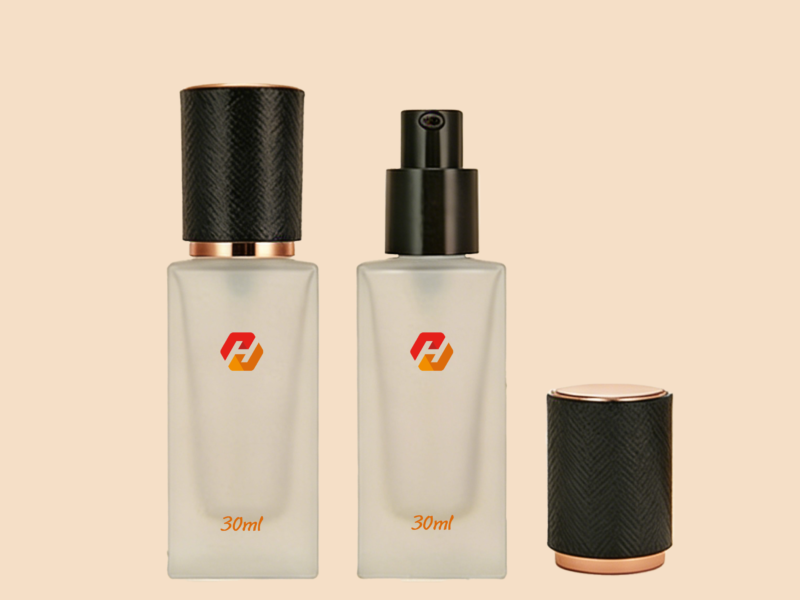
For private label cosmetic brands, packaging serves as the primary physical touchpoint with consumers. It communicates formulation quality and establishes brand positioning before the product is even tested. Securing reliable custom cosmetic packaging private label solutions requires a thorough understanding of material science and manufacturing capabilities.
Procurement managers must balance aesthetic requirements with functional constraints. A beautiful bottle is useless if the closure leaks during transit or the material reacts negatively with the formulation. Effective sourcing bridges the gap between marketing vision and engineering reality.
Developing a cohesive packaging strategy minimizes production delays. Understanding injection molding tolerances, decoration limitations, and lead times ensures a smoother transition from prototype to mass production.
Why Custom Cosmetic Packaging Defines Private Label Success
Stock packaging with generic labeling rarely captures market share in a saturated beauty industry. Custom structural and decorative elements allow private label brands to differentiate their product lines. Proprietary molds and specific color matching create a visual moat against competitors.
Beyond aesthetics, custom engineering protects the integrity of the cosmetic formulation. Active ingredients like Vitamin C or Retinol degrade rapidly when exposed to oxygen and UV light. Selecting UV-coated glass or engineered airless pump systems prevents premature oxidation.
Additionally, customized packaging improves the user experience through precise dosing. An engineered dip tube and actuator combination ensures the consumer dispenses the exact intended amount of product. This technical precision directly influences repeat purchase rates.
Evaluating Material Options: Glass vs. Plastics
Selecting the correct substrate is the most critical decision in packaging procurement. Each material offers distinct advantages regarding chemical resistance, weight, and tooling costs.
| Material | Key Characteristics | Best Use Cases | Tooling Cost |
| Glass | High chemical resistance, premium weight, easily recycled. | Luxury serums, essential oils, perfumes. | High |
| PET (Polyethylene Terephthalate) | High clarity, shatter-resistant, lightweight. | Toners, body mists, shampoo bottles. | Medium |
| PP (Polypropylene) | Excellent moisture barrier, highly flexible, opaque. | Thick creams, deodorants, airless pumps. | Low-Medium |
| Acrylic (PMMA) | Glass-like appearance, durable, scratch-resistant. | High-end double-wall cream jars. | High |
In large-volume production, material selection also impacts shipping economics. Glass increases freight costs due to its weight and requires robust secondary corrugated packaging to prevent breakage. Conversely, PET provides a glass-like aesthetic while significantly reducing logistical overhead.
Many private label brands are now shifting toward Post-Consumer Recycled (PCR) plastics. Integrating PCR requires careful supplier evaluation, as recycled resins can occasionally introduce structural inconsistencies or color variations during injection molding.
Manufacturing Capabilities: Finishing and Decoration Techniques
The structural mold is only the foundation of custom cosmetic packaging. The surface finishing dictates the final brand presentation. Manufacturers utilize several distinct decoration techniques to achieve specific visual effects.
-
Silk Screen Printing: Forces ink through a fine mesh directly onto the bottle. Highly durable and ideal for solid-color logos and typography.
-
Hot Stamping: Applies metallic foils (typically gold, silver, or rose gold) using heat and pressure. Creates a premium, reflective finish.
-
Spray Coating: Applies a uniform layer of paint over the entire component. Used to achieve matte, frosted, or gradient color effects.
-
Metallization: Uses vacuum deposition to apply a thin metal layer over plastic. Common on luxury pump collars and jar lids.
Decoration techniques often require specific registration constraints. Applying multiple silk-screened colors requires the machine to perfectly align the bottle for each pass. Misalignment results in rejected batches and increased scrap rates.
Surface tension also dictates decoration success. Materials like PP often require flame treatment before printing to ensure the ink adheres permanently without flaking.
Packaging Alignment for Skincare vs. Color Cosmetics
Packaging functionality must match the specific viscosity and application method of the cosmetic formula. Skincare and color cosmetics demand entirely different packaging architectures.
Skincare packaging focuses heavily on barrier properties and controlled dispensing. Low-viscosity liquids like facial toners require fine-mist sprayers with specific micron-level nozzle apertures. Thick body butters necessitate wide-mouth PET or PP jars to allow complete product evacuation.
Color cosmetics prioritize precision applicators and complex internal mechanisms. Lip gloss tubes require custom doe-foot wands and internal wipers that remove excess product as the wand is withdrawn. Mascara components rely on precisely engineered wire-twisted brushes to separate lashes without clumping.
Thread finishes must be identical between the bottle neck and the closure. A 24/410 neck finish requires a matching 24/410 pump or cap. Mismatched thread depths or pitch angles will cause inevitable leakage during the shipping cycle.
Cost Drivers and Tooling Considerations in B2B Sourcing
Procuring custom cosmetic packaging private label solutions involves navigating various cost drivers. The most significant initial expense is tooling for private molds. If a brand wants a completely unique bottle shape, the manufacturer must cut a custom steel mold for blow molding or injection molding.
To minimize upfront capital expenditure, many brands utilize “public molds.” These are pre-existing structural designs owned by the factory. Brands then customize these standard shapes through custom color injection, specialized frosting, and proprietary hot stamping. This hybrid approach significantly reduces lead times and tooling costs.
Volume dictates unit pricing. Minimum Order Quantities (MOQ) for fully customized colored plastic components typically range from 10,000 to 20,000 units. This volume ensures the factory can absorb the cost of purging machines, mixing custom masterbatch colors, and calibrating the decoration equipment.
Sourcing Cosmetic Bottles: Evaluating Supplier Solutions
Evaluating an OEM packaging supplier requires assessing their quality control systems and manufacturing versatility. Reliable suppliers will offer comprehensive leak testing, vacuum chamber testing, and precise torque measurement for closures.
Consolidating your supply chain by sourcing multiple components from a single capable manufacturer ensures color consistency and tighter tolerance matching between bottles and caps. For B2B buyers evaluating reliable options, Hyrun Packaging’s cosmetic bottles provide a streamlined sourcing solution. Their extensive catalog supports private label scalability, offering diverse configurations of dropper bottles, airless pumps, and lotion containers.
Working with a supplier that maintains a broad inventory of molds allows private label brands to launch faster. It also provides the manufacturing expertise necessary to navigate compatibility testing and complex decoration workflows.
Frequently Asked Questions (FAQ)
What is the typical MOQ for custom cosmetic packaging private label runs?
For stock items with custom silk-screen printing, MOQs can start as low as 1,000 to 3,000 units. For completely custom-colored plastic injection or bespoke structural molds, MOQs typically range from 10,000 to 20,000 units to cover machine setup costs.
How long does custom tooling take for a private mold?
Cutting a new steel mold for blow molding or injection molding generally takes 25 to 40 days. Following mold completion, sampling and approval take an additional 1-2 weeks before mass production can begin.
What is compatibility testing in cosmetic packaging?
Compatibility testing ensures the chemical formulation does not degrade the packaging material. It involves storing the filled packaging at elevated temperatures (typically 40°C to 50°C) for several weeks to check for paneling (collapsing), leakage, or material discoloration.
Why do some plastic bottles collapse after filling?
Paneling, or collapsing, occurs when oxygen is consumed by the formulation or when volatile ingredients escape through a permeable plastic wall. Utilizing materials with higher barrier properties, like glass or heavy-wall PET, prevents this structural failure.
Reference Sources
-
ASTM International: ASTM D4991-07 Standard Test Method for Leakage Testing of Empty Rigid Containers by Vacuum Method. (Evaluates the seal integrity of cosmetic closures).
-
ISO (International Organization for Standardization): ISO 22715:2006 Cosmetics — Packaging and labelling. (Provides guidelines for the packaging and labeling of all cosmetic products).
-
U.S. Food and Drug Administration (FDA): Cosmetics Packaging and Labeling Requirements. (Details regulatory compliance for cosmetic packaging safety and consumer transparency).