
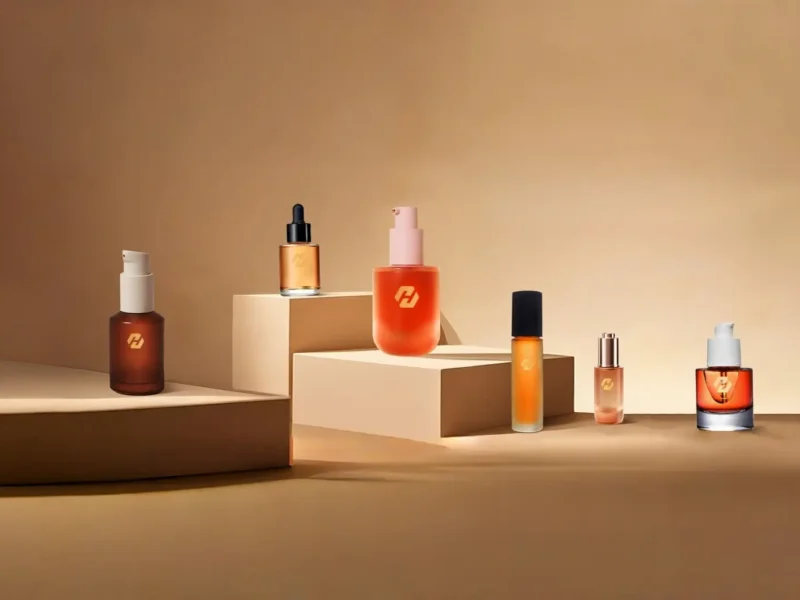
In the beauty industry, the container is as critical as the formula it holds. Custom cosmetic packaging serves two primary purposes: preserving chemical integrity and establishing brand identity on a crowded shelf. For brand owners and procurement managers, moving from a concept to a finished primary container involves navigating material science, engineering tolerances, and complex manufacturing workflows.
Developing a bespoke packaging solution is not merely about aesthetics. It requires a deep understanding of how different materials interact with active ingredients and how dispensing mechanisms impact the user experience. This guide breaks down the professional technical path to bringing custom packaging to market.
Step 1: Selecting the Primary Container Architecture
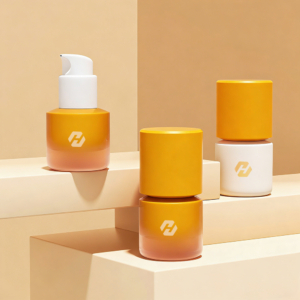
The first decision in custom cosmetic packaging is selecting the vessel type based on the product’s viscosity and chemical requirements. The choice usually falls into three industrial categories: bottles, tubes, or jars. Each serves a specific functional purpose.
1. Cosmetic Bottles: For Liquids and Serums
Bottles are the standard for low-to-medium viscosity products. When designing custom cosmetic bottles, brands must choose between standard dip-tube pumps or airless systems. Airless technology is preferred for preservative-free formulas as it prevents oxidation by using a vacuum piston mechanism.
2. Cosmetic Tubes: For Squeezable Formulations
Tubes are ideal for cleansers, hand creams, and sunscreens. Engineering considerations for cosmetic tubes include the “bounce-back” memory of the plastic and the barrier properties. Multi-layer tubes (EVOH) are often required for products containing active ingredients that might permeate standard plastic.
3. Cosmetic Jars: For High-Viscosity Creams
Jars provide a premium feel and are best for thick formulations that cannot be easily pumped. Design choices for cosmetic jars include single-wall for a minimalist look or double-wall for a luxury, weighted feel.
| Feature | Bottles | Tubes | Jars |
| Ideal Viscosity | Low to Medium | Medium | High |
| Typical Materials | PET, Glass, PP | PE, ABL, PBL | PET, Glass, Acrylic |
| Dispensing Method | Pump, Spray, Dropper | Flip-cap, Nozzle | Manual (Spatula) |
| Barrier Protection | High (Airless options) | Moderate to High | Low (Wide opening) |
Step 2: Material Science and Compatibility Testing
Selecting a material for custom cosmetic packaging involves balancing aesthetics with chemical stability. Not every plastic is compatible with every formula.
PET (Polyethylene Terephthalate): Highly transparent and recyclable. It is excellent for oils but can be sensitive to high heat during the filling process.
PP (Polypropylene): Naturally translucent or opaque. PP has high chemical resistance and is the industry standard for caps and closures.
Glass: The gold standard for luxury and inertness. It offers a zero-permeability barrier, making it perfect for volatile fragrances or acidic serums.
PCR (Post-Consumer Recycled): An essential choice for brands focusing on sustainability. PCR resins can be blended with virgin materials at 30% to 100% ratios.
Always conduct a 12-week compatibility test. Place your formula in the sample packaging at elevated temperatures (usually 45°C) to simulate shelf-life aging. Check for discoloration, leakage, or container warping.
Step 3: Engineering the Dispensing Mechanism
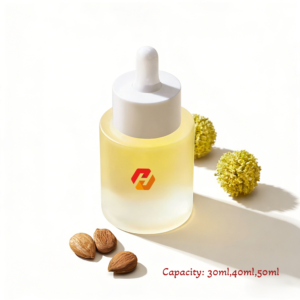
The “User Interface” of your packaging is the pump or closure. In custom cosmetic packaging, the technical specifications of the pump are measured by “output” (e.g., 0.2cc vs 0.5cc per stroke).
Treatment Pumps: Designed for precise dosing of high-value serums.
Lotion Pumps: Larger outputs for body care.
Mist Sprayers: Fine atomization for toners and hair care.
Torque Specifications: Ensure the closure torque is calibrated. Too loose leads to leakage during shipping; too tight makes it inaccessible for the consumer.
Step 4: Customization and Decoration Techniques
Once the structure is finalized, branding is applied through various industrial decoration methods. This stage defines the visual impact of the custom cosmetic packaging.
Silk Screen Printing: Provides a tactile, raised ink feel. It is durable and offers vibrant colors.
Hot Stamping: Uses heat and foil to create metallic finishes (gold, silver, rose gold).
UV Coating/Metallization: Gives plastic components a chrome or metallic appearance.
Soft Touch Finish: A spray-on coating that gives the plastic a velvet-like texture.
Step 5: Managing the Manufacturing Workflow
For brands ready to move into production, understanding the lead times and quality control (QC) checkpoints is vital. A typical OEM/ODM workflow for custom packaging follows this trajectory:
Technical Drawing Approval: Finalizing the 2D/3D CAD files.
Tooling/Mold Creation: For unique shapes, a custom mold is required. This usually takes 35–45 days.
Pre-production Samples (PPS): These are the first units from the actual mold for final approval.
Mass Production: Injection or blow molding of the components.
Inline Inspection: Checking for “sink marks,” “flash” (excess plastic), and color consistency.
Vacuum Leakage Testing: Testing the finished sets in a vacuum chamber to ensure seals hold under pressure changes.
Summary
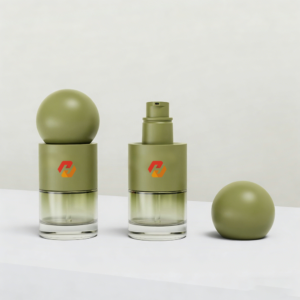
Successful custom cosmetic packaging requires a synergy between chemical compatibility, mechanical engineering, and brand aesthetics. By following a structured manufacturing workflow—from container selection to rigorous vacuum testing—brands can ensure their packaging protects the formula while enhancing shelf appeal. Choosing a partner that manages both component production and decoration reduces assembly risks and ensures a consistent finished product.
FAQ
1. What is the typical MOQ for custom cosmetic packaging?
For standard shapes with custom colors or printing, MOQs typically range from 5,000 to 10,000 units. For fully custom-molded shapes, MOQs often start at 10,000 to 20,000 units due to the setup costs of industrial injection molding machinery.
2. How do I prevent packaging from leaking during air freight?
You must specify a vacuum leak test during the quality control phase. Most industrial standards require the packaging to withstand -0.05MPa to -0.08MPa for 5 minutes without any visible leakage from the pump or closure.
3. Is PCR plastic more expensive than virgin plastic?
Generally, yes. PCR (Post-Consumer Recycled) material involves higher collection and processing costs. Expect a 10% to 20% price premium depending on the percentage of recycled content requested for your custom packaging.
4. How long does the entire custom packaging process take?
If using existing molds with custom decoration, the timeline is 30–45 days. If a new mold is required for a unique design, the timeline extends to 75–90 days to account for tooling, sampling, and mass production.
5. Can I use a glass jar for a product with high alcohol?
Yes, glass is chemically inert and is the preferred material for high-alcohol or highly volatile formulations. Ensure the lid liner (PE or pressure-sensitive) is also alcohol-resistant to prevent evaporation over time.
Reference Sources
ISO 9001:2015 Quality Management Systems Standard
ASTM D3475 Standard Classification for Packaging