
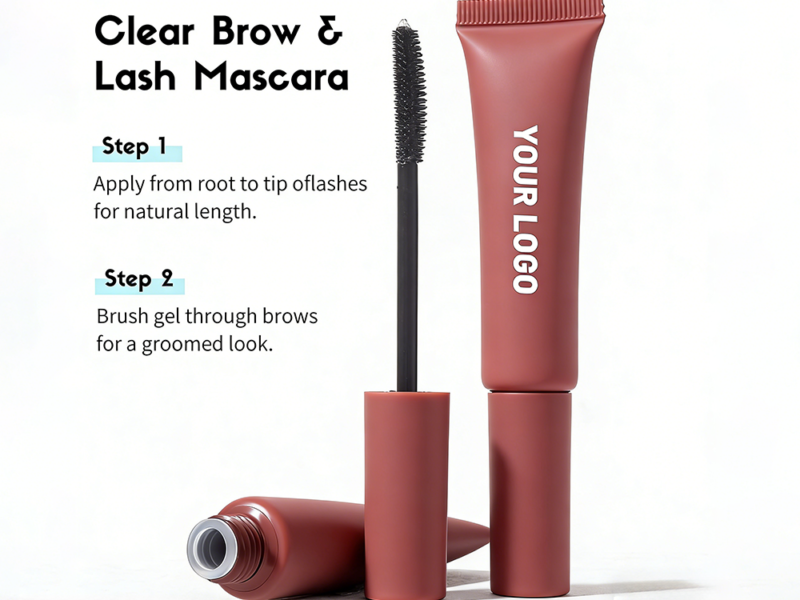
Selecting the right mascara tube packaging is a critical engineering decision that bridges the gap between a high-performance formula and a premium user experience. For product managers and cosmetic engineers, the challenge lies in balancing aesthetic customization with airtight integrity and applicator precision.
In the competitive beauty landscape, the mascara tube is more than a container; it is a complex delivery system where the internal wiper, the brush bristles, and the chemical stability of the resin must work in perfect synchronization. This guide explores the technical specifications and commercial considerations essential for sourcing high-quality custom mascara solutions.
Material Selection and Chemical Compatibility
The primary function of mascara tube packaging is to maintain the formula’s viscosity and prevent microbial contamination. Choosing the right resin is the first step in ensuring shelf-life stability.
Common Resins in Mascara Tube Manufacturing
-
PETG (Polyethylene Terephthalate Glycol): Preferred for its high transparency and excellent chemical resistance. It is often used for heavy-wall “glass-like” tubes.
-
ABS (Acrylonitrile Butadiene Styrene): Known for its high gloss and impact resistance. It is the standard for colored, opaque tubes that require electroplating or UV coating.
-
AS (Acrylonitrile Styrene): Offers superior clarity and stiffness but is more brittle than PETG. It is highly resistant to essential oils often found in waterproof formulas.
-
PP (Polypropylene): Frequently used for the inner bottle or the wiper due to its flexibility and high fatigue resistance.
When sourcing custom mascara tubes, brands must conduct compatibility testing. Some solvent-based waterproof formulas can cause stress cracking in certain plastics. Engineering teams should request samples for a 4–8 week stability test at elevated temperatures to ensure the resin does not react with the formula.
Engineering the Applicator System: Brushes and Wipers
The “performance” of a mascara is 50% formula and 50% applicator. In custom packaging projects, the interaction between the brush and the wiper determines the dosage and the final look on the lashes.
Brush Material Dynamics
-
Nylon/Fiber Brushes: These are traditional twisted-wire brushes. By varying the fiber diameter and the “cut” of the bristles, manufacturers can achieve different levels of volumizing or lengthening.
-
Silicone/Molded Brushes: Produced via injection molding, these allow for precise geometric shapes (e.g., comb-like structures). They are ideal for defining and separating lashes.
The Critical Role of the Wiper
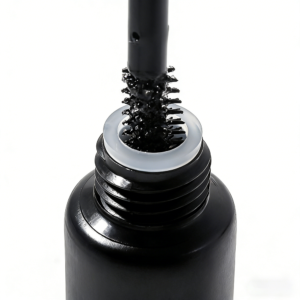
The wiper is often the most overlooked component. Its orifice diameter must be calibrated to the brush’s outer diameter. If the wiper is too loose, the brush will carry too much product, leading to clumping. If it is too tight, it can strip the brush dry or cause “popping” (air pressure buildup) during extraction. For high-viscosity formulas, a wiper with a dual-lip design is often recommended to ensure a clean stem.
| Component | Key Specification | Importance |
| Tube Body | Wall Thickness | Structural integrity and “premium” weight feel. |
| Wiper | LDPE/PP Durometer | Flexibility for consistent product stripping. |
| Cap | Torque Specification | Prevents drying and ensures airtight seal. |
| Brush | Bristle Density | Dictates the “load” and distribution of formula. |
Customization and Surface Decoration Techniques
For MOFU (Middle of Funnel) buyers, the aesthetic appeal is what differentiates a product on the shelf. Modern manufacturing allows for high-fidelity branding through various secondary processes.
-
Silk Screen Printing: Best for bold, solid colors and tactile textures. It is durable and resistant to the oils found in cosmetic bags.
-
Hot Stamping: Utilizes heat and foil to create metallic finishes (Gold, Silver, Rose Gold). This is the industry standard for luxury positioning.
-
UV Coating & Electroplating: Provides a mirror-like metallic finish or a high-gloss protective layer that prevents scratching.
-
Soft Touch / Matte Finish: Achieved through specialized spray coatings, providing a premium, non-slip grip.
When designing custom artwork, ensure that the “tolerance zone” near the cap closure is respected to avoid ink chipping during the assembly process.
Sourcing Logistics: MOQ, Lead Times, and Prototyping
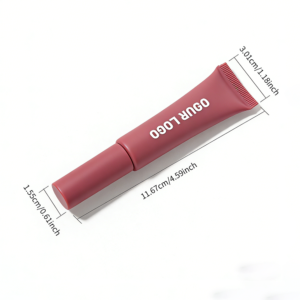
In a commercial B2B context, the transition from design to mass production involves several logistical milestones. According to Hyrun Packaging’s technical standards, a typical OEM workflow follows a specific sequence.
The Procurement Workflow
-
Tooling Evaluation: If a brand requires a unique shape, a new injection mold must be created. This typically carries a lead time of 35–45 days.
-
Sampling (Pre-production): Once the mold is ready, “first-off” samples are sent for color matching (Pantone) and functional testing.
-
MOQ Requirements: For custom-colored resins and specialized printing, Minimum Order Quantities usually range from 10,000 to 20,000 units. Standard stock components may have lower thresholds.
-
Mass Production: Once samples are approved, production usually takes 30–40 days, depending on the complexity of the decoration.
Quality Control and Compliance Standards
Professional packaging suppliers must adhere to international standards to ensure consumer safety.
-
Airtightness Testing: Vacuum testing (often -0.05Mpa for 5 minutes) ensures the tube does not leak during air transport or temperature fluctuations.
-
BPA-Free Compliance: Ensuring materials are safe for cosmetic use, often verified through SGS or FDA-approved lab reports.
-
Torque Testing: Measuring the force required to open and close the cap to ensure consistency across batches.
For brands looking to scale, partnering with a manufacturer that offers integrated services—from molding to final decoration—reduces the risk of component mismatch and simplifies the supply chain.
FAQ
Q1: What is the most common reason for mascara packaging failure?
The most frequent failure is “drying out” caused by a poor airtight seal. This is usually due to an incompatible cap torque or a poorly fitted wiper that allows air ingress over time.
Q2: Can I use sustainable materials for custom mascara tubes?
Yes. Many manufacturers now offer PCR (Post-Consumer Recycled) plastic options. However, note that PCR may slightly affect the clarity of transparent tubes and may have different chemical resistance profiles than virgin resins.
Q3: How do I choose between a silicone brush and a nylon brush?
It depends on the formula. Thick, volumizing formulas often perform better with nylon brushes that can “hold” more product. Defining or “clean-look” mascaras typically pair better with molded silicone brushes.
Q4: What are the standard lead times for custom-printed mascara tubes?
For existing molds with custom printing, expect 30–45 days. If a custom mold is required, the total lead time can extend to 75–90 days.
Reference Sources
-
ISO 22716: Cosmetics — Good Manufacturing Practices (GMP).
-
ASTM D3475: Standard Classification of Child-Resistant Packages (relevant for chemical safety).
-
SGS Cosmetic Packaging Testing Services: Standards for heavy metal limits and phthalate content in plastics.
-
International Safe Transit Association (ISTA): Testing protocols for packaging durability during shipping.