
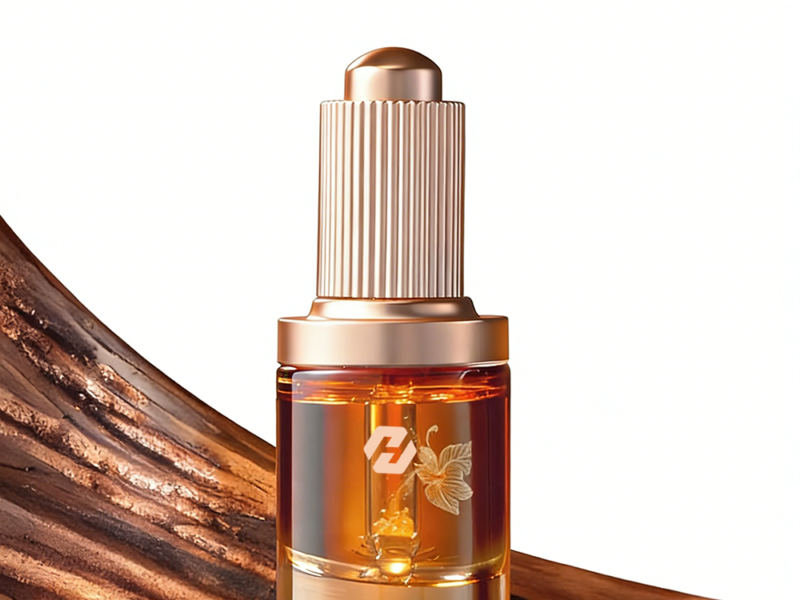
As a packaging strategist, I see many brands underestimate the complexity of selecting the right container. You need a solution that protects photosensitive formulas while ensuring precise dosage for the end user. Finding high-quality dropper glass bottles is about balancing chemical stability, regulatory compliance, and consumer usability. This guide helps you evaluate technical specifications to secure the best packaging for your inventory.
Why the Amber Glass Bottle with Dropper is the Standard
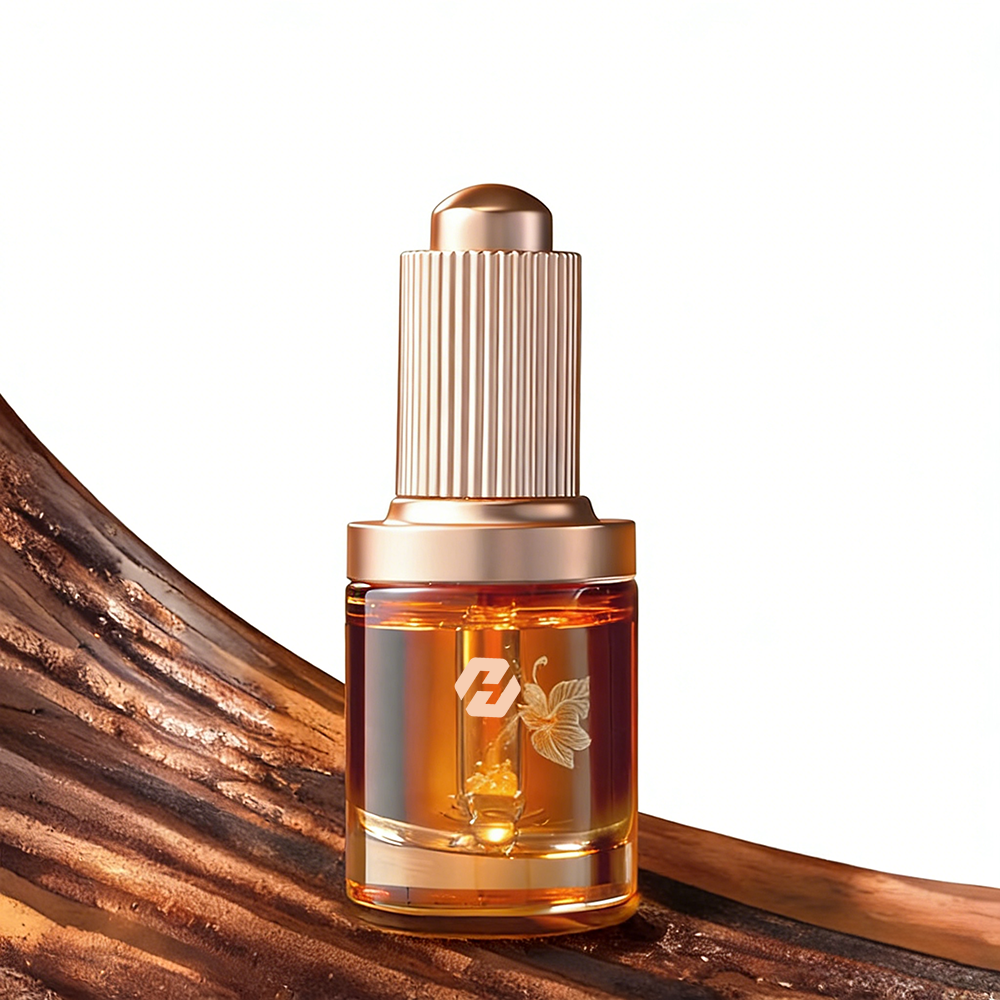
For B2B buyers in the cosmetic and pharmaceutical sectors, light protection is a non-negotiable requirement. An amber glass bottle with dropper is not just an aesthetic choice; it is a functional necessity for product preservation.
According to the United States Pharmacopeia (USP), containers must protect contents from photochemical degradation. Amber glass specifically filters out ultraviolet (UV) light in the critical shorter wavelengths. This filtration prevents oxidation, which can render active ingredients in serums or essential oils ineffective.
Clear or frosted glass does not offer this inherent protection without secondary coatings. When I audit supply chains, I verify that the amber color is intrinsic to the glass melt. Sprayed-on amber coatings can scratch or chip, compromising the formulation’s integrity over time.
Assessing Glass Integrity and ISO Standards
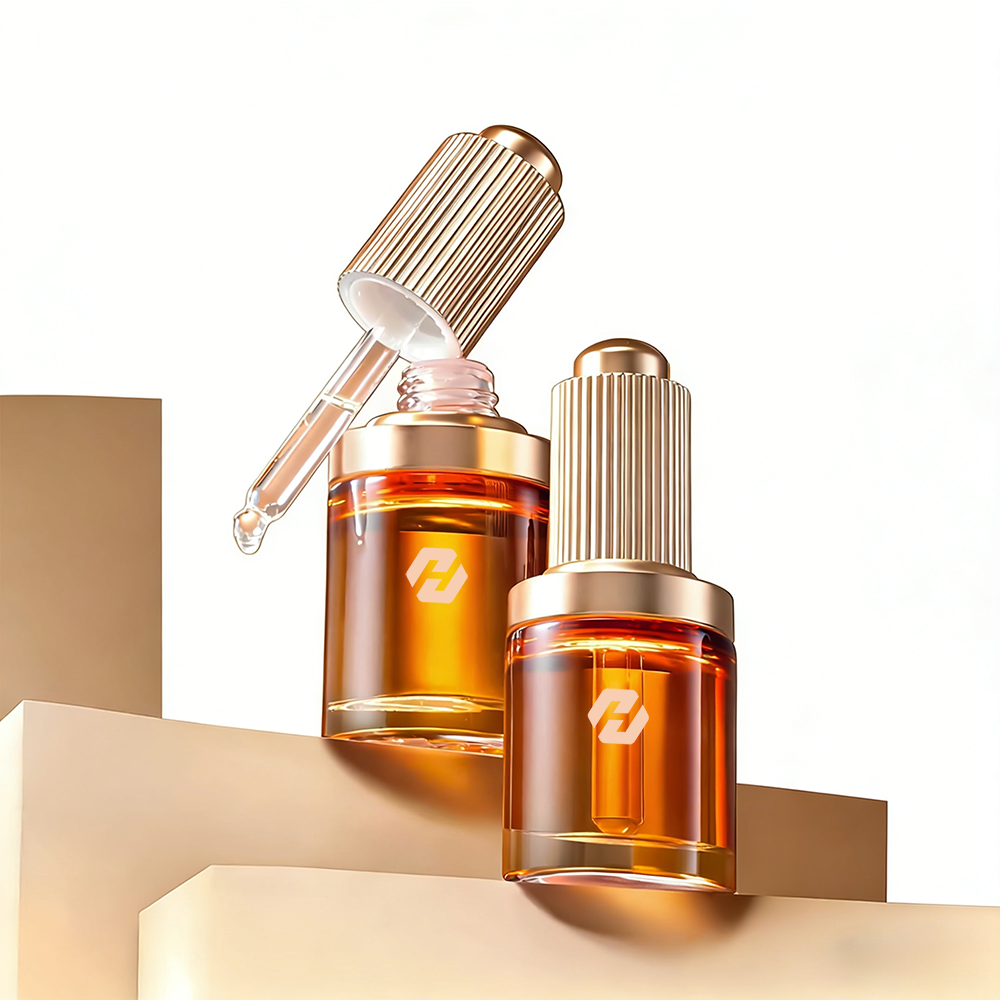
Glass is generally favored for its chemical inertness, but not all glass is created equal. When sourcing small glass dropper bottles, you must verify the hydrolytic resistance of the material. This ensures that alkali ions from the glass do not leach into your liquid product.
The International Organization for Standardization (ISO) provides benchmarks, such as ISO 719, for testing the hydrolytic resistance of glass grains. For most cosmetic and general pharmaceutical applications, Type III soda-lime glass is the industry standard. It provides sufficient chemical resistance for oils and tinctures while remaining cost-effective.
You should also inspect the physical uniformity of the bottle walls. Uneven glass distribution can lead to weak points, increasing breakage rates during shipping or filling lines. A consistent manufacturing process ensures that the bottle can withstand the mechanical stress of capping machines.
The Strategic Value of Empty 30ml Amber Glass Dropper Bottles
In the current B2B market, empty 30ml amber glass dropper bottles represent the “sweet spot” for inventory management. This specific volume dominates the skincare and essential oil markets for several logical reasons.
First, 30ml (approximately 1 fluid ounce) is the standard retail size for facial serums and treatments. It provides a perceived high value to the consumer while keeping the unit cost manageable for the brand. From a logistics perspective, this size is efficient to palletize and ship.
Second, the 30ml size typically utilizes a DIN 18 neck finish. This standardization is crucial. It allows you to source caps, pipettes, and bulbs from various suppliers if necessary without compatibility issues. Relying on standard sizing reduces supply chain risks significantly.
Evaluating Supplier Specifications for Packaging Success

Selecting a supplier involves more than just comparing price sheets. You must evaluate the technical compatibility of the packaging components to prevent leakage and evaporation.
When you assess a product, such as 30ml amber glass bottles with dropper, look for precise neck finishes. The interaction between the bottle neck and the dropper cap determines the seal tightness. A poor fit leads to oxidation of the product and messy leaks during transit.
I also recommend examining the bulb material. Whether you choose nitrile, silicone, or rubber, the material must be chemically compatible with your specific formula. By verifying these details against the supplier’s specifications, you ensure a safe and professional experience for your customers.
Summary
Selecting the right packaging requires balancing UV protection, chemical resistance, and standard sizing. Amber glass bottle with dropper configurations offer the best defense for light-sensitive formulas. Prioritizing empty 30ml amber glass dropper bottles with verified ISO compliance ensures product safety and brand reliability.
FAQ
Q: What is the main benefit of amber glass over clear glass?
A: Amber glass naturally filters UV light, protecting photosensitive ingredients from degradation and oxidation.
Q: What neck size is standard for 30ml dropper bottles?
A: The DIN 18 (18mm) neck finish is the global standard for 30ml bottles, ensuring compatibility with most dropper caps.
Q: Can I use these bottles for acidic formulations?
A: Yes, high-quality glass is chemically inert and typically suitable for acidic cosmetic formulations, though testing is always recommended.
Q: Are glass dropper bottles recyclable?
A: Yes, glass is 100% recyclable and can be reprocessed endlessly without losing quality or purity.
Reference Sources
United States Pharmacopeia (USP) – General Chapters: <660> Containers—Glass
https://www.usp.org/
Glass Packaging Institute (GPI) – Glass Recycling Facts and Benefits
https://www.gpi.org/
U.S. Food and Drug Administration (FDA) – CFR Title 21: Tamper-Evident Packaging
https://www.fda.gov/