
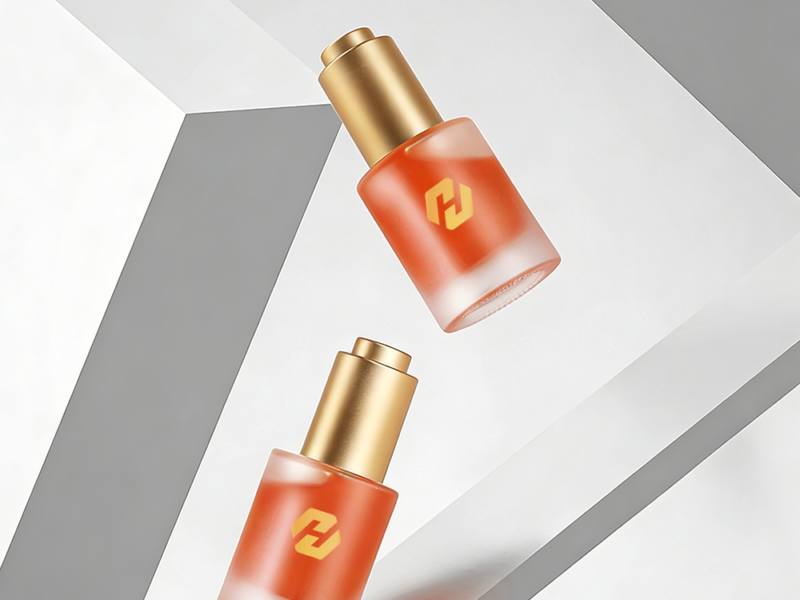
As a procurement specialist in the cosmetic and pharmaceutical sectors, I know packaging defines product integrity. Sourcing the right dropper glass bottles is a critical decision. It impacts chemical stability, shipping durability, and consumer perception. This guide investigates the technical and aesthetic criteria for selecting the ideal packaging for your formulation.
Evaluating Glass Types for Formulation Stability
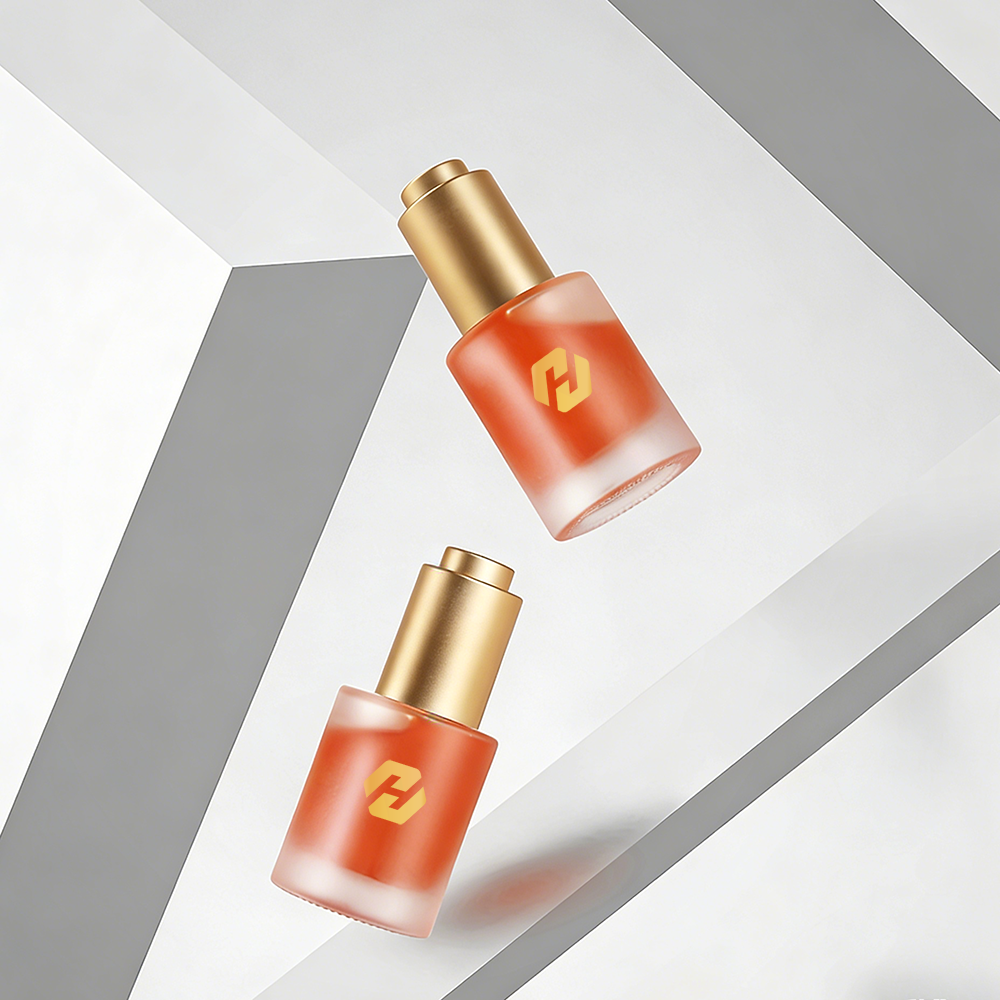
The first step in your investigation must be the material composition. Not all glass offers the same level of protection. In the wholesale market, you will typically encounter Type I and Type III glass.
Type III soda-lime glass is the standard for most cosmetic applications. It is chemically inert and suitable for oils and serums. Clear glass dropper bottles wholesale suppliers often provide this grade because it balances cost with performance.
However, aggressive formulations may require Type I borosilicate glass. This material offers higher hydrolytic resistance. You must assess your liquid’s pH and active ingredients before finalizing the glass type. A mismatch can lead to leaching or pH shifts in your product.
The Strategic Advantage of a Frosted Glass Dropper Bottle
Once the material is selected, we move to surface treatment. A frosted glass dropper bottle serves a dual purpose: aesthetics and protection.
Technically, frosting is created through acid etching or sandblasting. This process disrupts the surface of the glass. The result is a diffusion of light. While amber glass blocks UV rays, frosted glass reduces direct light intensity.
This is crucial for light-sensitive ingredients like Vitamin C or Retinol. Furthermore, the tactile experience of frosted glass signals luxury to the consumer. It provides a non-slip grip, which is practical for oily skincare products. This finish elevates a standard container into a premium brand asset.
Why 30ml Frosted Glass Dropper Bottles Are the Standard
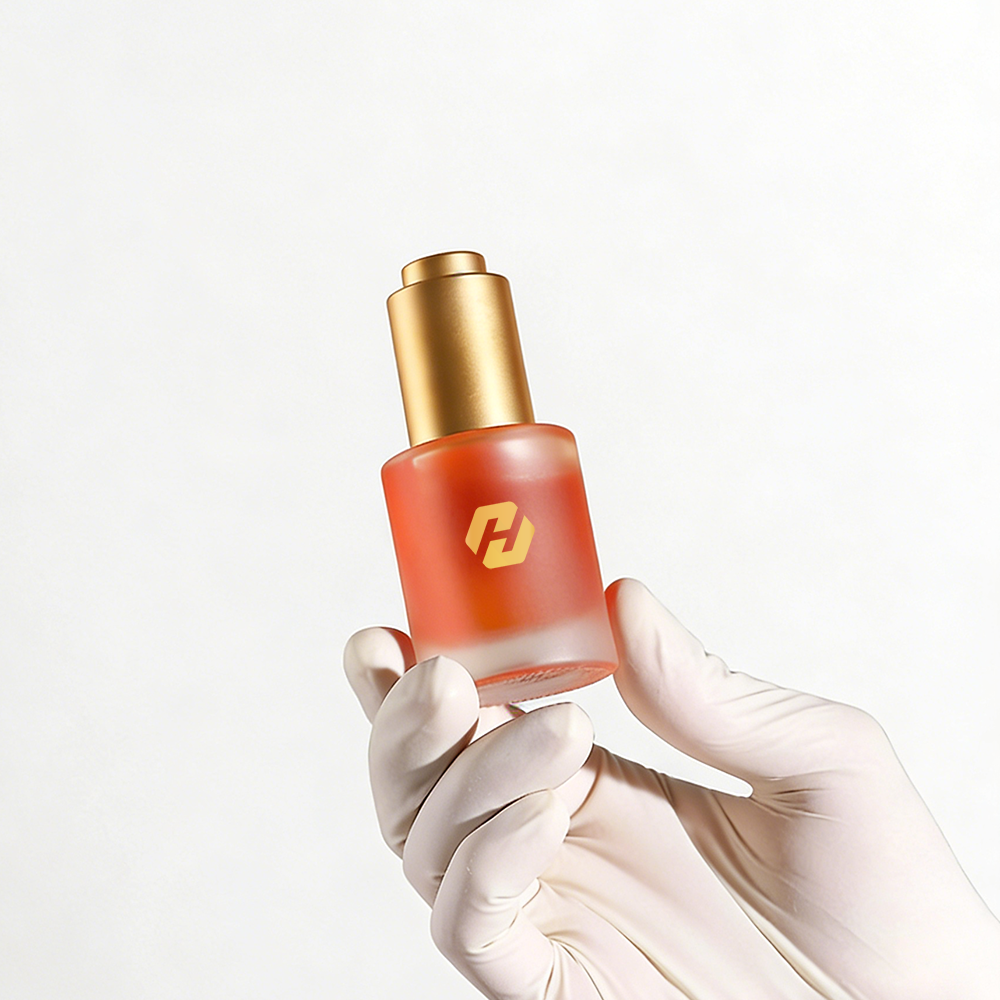
In the B2B sector, volume standardization drives logistics efficiency. The 30ml frosted glass dropper bottles represent the industry “sweet spot.”
This volume corresponds to the typical usage cycle of facial serums (30 to 60 days). It is large enough to justify the price point but small enough to prevent oxidation before the product is finished.
From a manufacturing perspective, 30ml molds are widely available. This availability ensures consistent stock levels for your supply chain. It also standardizes the neck finish, usually adhering to GPI (Glass Packaging Institute) standards like 18/410 or 20/400. This makes sourcing compatible dropper assemblies significantly easier.
Navigating Custom Glass Dropper Bottles and Branding
differentiation is the key to survival on a retail shelf. Off-the-shelf options are cost-effective, but custom glass dropper bottles establish brand identity.
Customization goes beyond color. It involves secondary processing techniques. Silk screen printing allows for crisp, permanent text directly on the bottle. Hot stamping applies metallic foils for a high-end look.
You should also consider spray coating. This allows you to achieve specific Pantone colors while retaining the glass’s weight and feel. When investigating suppliers, ask for adhesion test reports. This ensures the decoration will not peel or fade during shipping or consumer use.
Defining Your Supply Chain Criteria
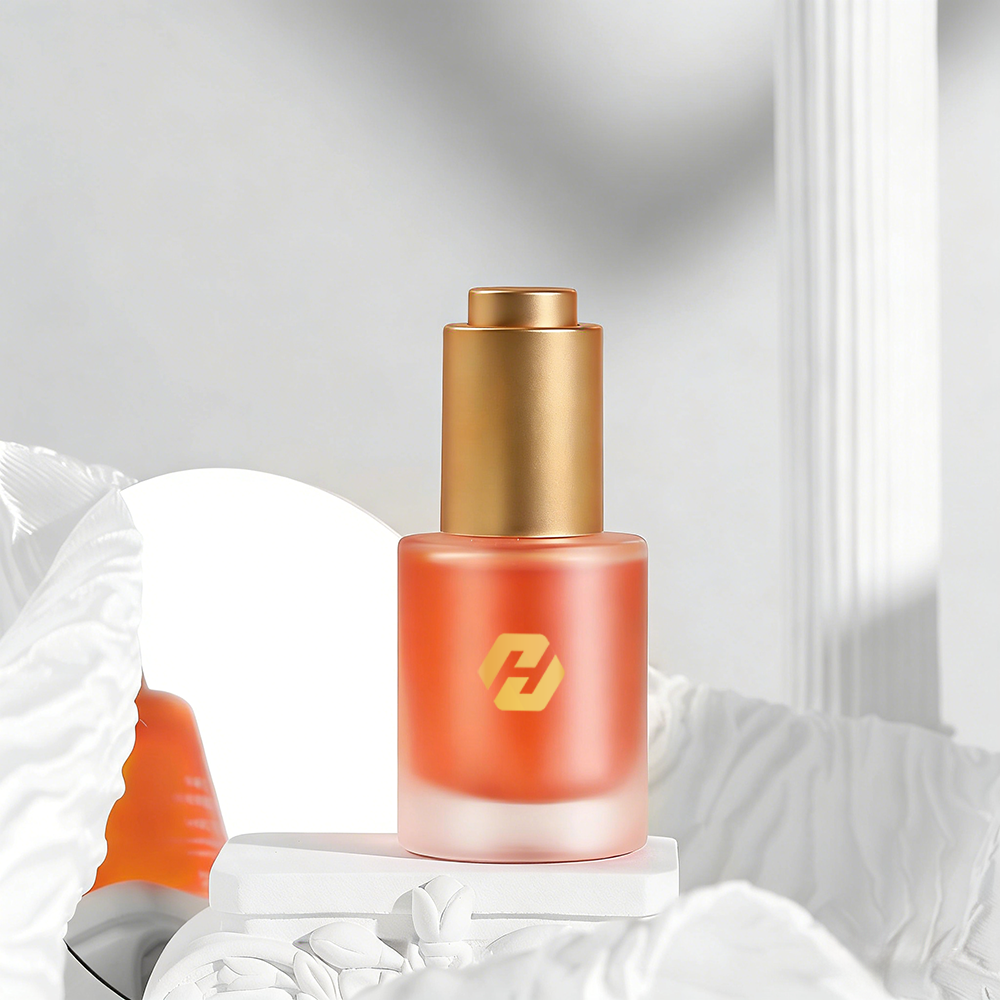
Choosing a supplier requires a strict vetting process. I recommend focusing on consistency and tolerance levels.
First, verify the neck finish dimensions. A loose fit between the bottle and the dropper cap leads to leakage. This is a critical failure point in e-commerce.
Second, examine the uniformity of the frosting or color coating. Poor quality control results in patchy finishes that damage brand reputation.
Finally, assess the minimum order quantities (MOQ) relative to customization capabilities. You need a partner who balances scale with flexibility.
If you are currently evaluating suppliers for high-quality packaging, I suggest you review the specifications for the frosted glass dropper bottle 30ml or custom. This resource provides specific technical details on finish options and dimensional accuracy that can serve as a benchmark for your procurement standards.
Summary
Successful sourcing depends on balancing chemical compatibility with brand aesthetics. You must verify glass quality, evaluate the protective benefits of a frosted glass dropper bottle, and ensure precise neck finishes. 30ml frosted glass dropper bottles offer the best balance of market acceptance and supply chain efficiency. Always validate customization adhesion before mass production.
FAQ
Q: What is the main difference between clear and frosted glass dropper bottles?
A: A frosted glass dropper bottle has a treated surface that diffuses light and provides a premium, non-slip texture compared to clear glass.
Q: Why are 30ml frosted glass dropper bottles the most common size?
A: 30ml frosted glass dropper bottles align with the standard 30-day usage cycle for serums and utilize widely available manufacturing molds.
Q: Can I get custom colors on glass dropper bottles?
A: Yes, custom glass dropper bottles can be spray-coated to match specific Pantone colors while maintaining the glass structure.
Q: How do I ensure the dropper cap fits the bottle correctly?
A: You must match the bottle’s neck finish (e.g., 18/410) exactly with the dropper assembly specifications to prevent leakage.
Q: Are frosted glass bottles more expensive than clear ones?
A: Yes, the additional acid etching or sandblasting process typically results in a slightly higher cost per unit than clear glass dropper bottles wholesale.
Reference Sources
U.S. Pharmacopeia (USP) – USP General Chapter <660> Containers—Glass
Glass Packaging Institute (GPI) – Industry Standards for Finishes
ASTM International – Standard Specification for Glass Containers