
Introduction
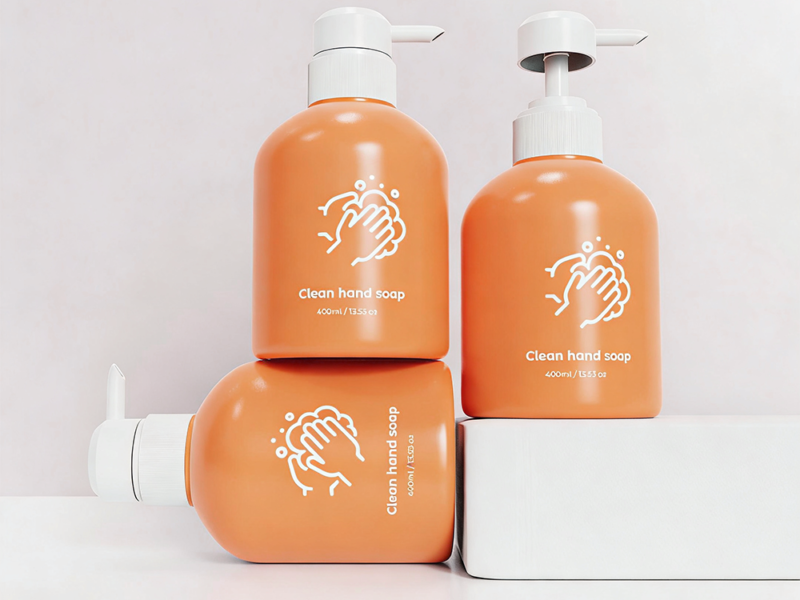
In 2026, for skincare brands, the wholesale of face wash bottles is of great significance. Packaging is not only a container for products but also an important part of brand image building. This guide is designed for skincare brands looking to wholesale face wash bottles and provides comprehensive information on various aspects.
Market Trends in 2026
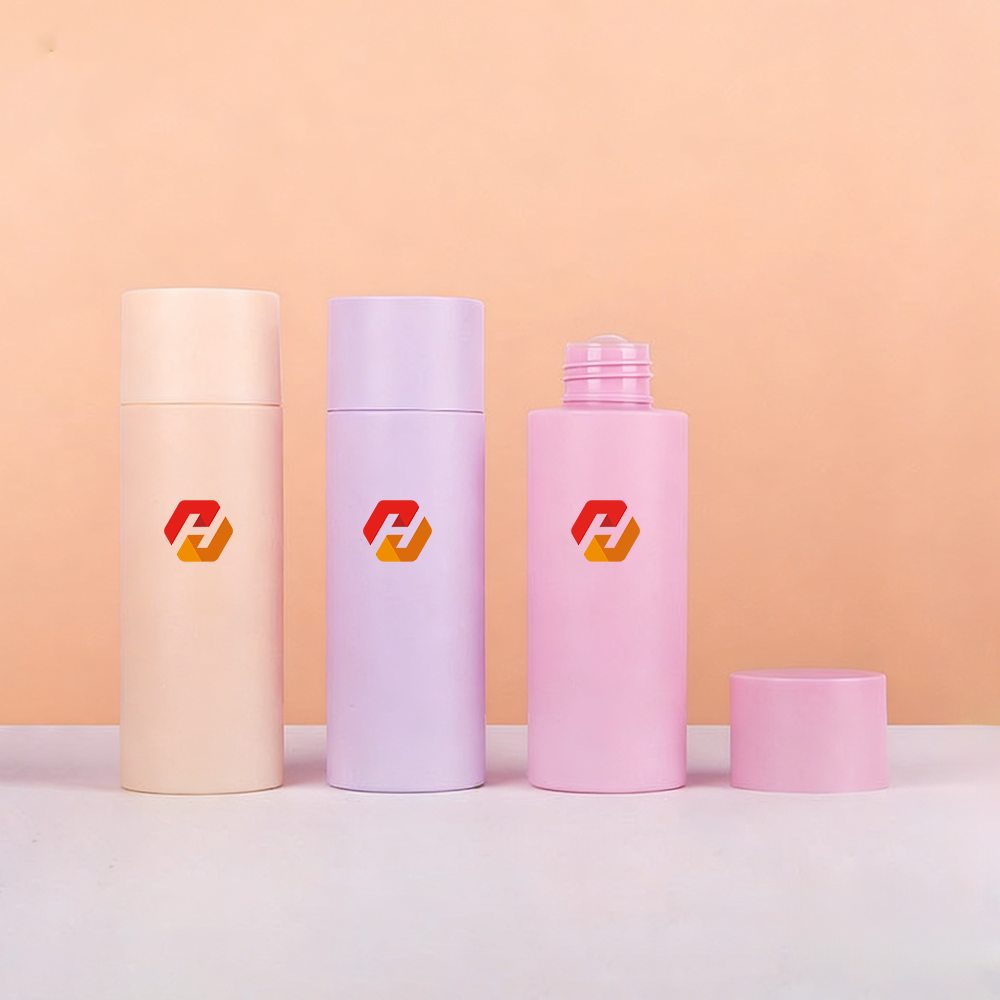
According to a report from Grand View Research, the global market for cosmetic packaging, including face wash bottles, is expected to continue growing in 2026. There is an increasing demand for eco – friendly and innovative packaging solutions. Consumers are more conscious about the environmental impact of packaging, so biodegradable and recyclable materials for face wash bottles are becoming more popular. Also, smart packaging features such as QR codes for product information and usage instructions are on the rise.
Choosing Wholesalers and Manufacturers
- Industry Hidden Pain Points and Scenario – Based Solutions
- Pain Point 1: Doubts about Supplier Qualifications (Difficult to Screen/High Risk of Pitfalls)
- Hidden Problem: Small and medium – sized brands often have difficulty verifying that suppliers have ‘over 5 years of compliance experience’. According to a 2025 survey by the China Packaging Association, the compliance rate of new – entrant suppliers is only 32%.
- Solution Steps:
- Check business information: Use platforms like Dun & Bradstreet, Qichacha, or Tianyancha to verify the registration years (completed within 2.1 working days).
- Request qualification documents: Ask for ISO 9001/ISO 22716 certifications (EU Cosmetics Regulations).
- On – site inspection (optional): Request to visit the production workshop and keep records of ‘equipment ledgers + factory quality inspection reports from the past 3 years’.
- Case: A skincare brand with an annual production capacity of 500,000 pieces in 2025 screened out 3 suppliers meeting L’Oreal’s certification through verification, saving 20% on packaging costs.
- Pain Point 2: Vague Quality Parameters (No Standard for Testing/Difficult to Accept)
- Hidden Problem: Key indicators such as the pumping life and sealing performance of the pump body lack clear standards. A certain brand suffered a loss of over $500,000 per year due to product deterioration caused by seal leakage.
- Solution Steps:
- Pressure test: Use a 0.3MPa pressure testing machine and ensure no leakage within 24 hours (Source: ISO 11607 – 1 Packaging Integrity Standard).
- Capacity verification: Detect a ±2% capacity deviation through a precision weighing instrument (error ≤0.2ml for 100ml bottles).
- Life verification: Use an electric pressing machine to test for ≥1000 times without failure (Source: China Packaging Federation’s ‘Performance Standard for Pump – Type Containers’).
- Case: A cross – border e – commerce brand (with a monthly sales volume of over 100,000 pieces) reduced the return rate from 8% to 1.2% through 3 rounds of sample testing (including 30 – day storage at 45°C high temperature).
- Pain Point 3: Lack of Bargaining Chips in Negotiation (Difficult to Lower Price/Short Payment Terms)
- Hidden Problem: Small and medium – sized buyers have difficulty getting discounts due to insufficient order volume. A supplier quoted $1.2 per piece, and only a 3% reduction was offered for an annual purchase of 100,000 pieces.
- Negotiation Phrases: ‘If we order 100,000 pieces, can you lower the unit price to $0.9 per piece and provide a 60 – day payment period? We can sign a 1 – year framework agreement.’
- Bargaining Skills:
- Compare data: List the quotes of 3 suppliers and mark ‘the industry average price for similar products is $0.85 per piece’.
- Bind long – term cooperation: Provide a commitment of ‘annual purchase volume ≥500,000 pieces’ to get tiered discounts.
- Pain Point 1: Doubts about Supplier Qualifications (Difficult to Screen/High Risk of Pitfalls)
- Professional Dimension Breakdown and Quantitative Standards
- Core Parameter Analysis
- Pump Body Performance: The pumping life should be ≥1000 times without failure (Test step: Press at a constant speed with a 0.5kg force and record the number of mechanical failures).
- Sealing Performance: Maintain no leakage under 0.3MPa pressure for 24 hours (Source: ISO 11607 – 1, applicable to cosmetic/medical packaging).
- Capacity Accuracy: ±2% capacity deviation (Operation: Randomly select 50 samples from each batch and detect by electronic balance weighing method).
- Compliance Standard Comparison
- Domestic Certification: GMPC 2024 version (must meet EU Cosmetics Regulations requirements).
- International Certification: FDA 21 CFR 175.300 (Food Contact Material Safety Standard).
- Core Parameter Analysis
Product Types
There are various types of face wash bottles in the market. Plastic bottles are popular due to their lightweight, low cost, and ease of customization. Glass bottles offer a high – end look and better protection for the product but are heavier and more fragile. There are also squeeze tubes, which are convenient for dispensing and are often used for travel – sized products.
Customization Services
Customization services for face wash bottles provide several advantages. Brands can design the shape, color, and label of the bottle according to their brand image. For example, a brand can choose a unique bottle shape to stand out on the shelves. Custom labels can carry brand stories, ingredients, and usage instructions, enhancing brand communication with consumers.
Price and Cost
The price of face wash bottles in wholesale is affected by multiple factors. Material cost is a major one; for example, glass bottles are generally more expensive than plastic ones. The complexity of customization also impacts the price. Larger order volumes usually lead to lower unit prices. According to industry data, an order of 100,000 pieces may get a 10 – 15% discount compared to an order of 10,000 pieces.
Logistics and Transportation
When it comes to logistics and transportation, it’s important to choose a reliable carrier. Consider the packaging’s fragility; for glass bottles, extra cushioning materials should be used. Also, calculate the shipping time and cost.
Procurement Checklist (Appendix)
- Supplier Qualification Items
- Business license/Tax registration certificate (Established for ≥5 years).
- Production license/Cosmetic production license (if applicable).
- International certification documents (ISO 9001/ISO 22716/FDA compliance).
- Quality Inspection Items
- Pump body: Pumping life ≥1000 times without failure.
- Sealing: No leakage in a 0.3MPa 24 – hour pressure test.
- Capacity: ±2% accuracy (detected by electronic balance).
- Negotiation Key Items
- Minimum order quantity (MOQ): ≤10,000 pieces per batch.
- Payment terms: ≥45 days (applicable conditions for tiered discounts).
Conclusion
In 2026, skincare brands looking to wholesale face wash bottles should pay attention to market trends, carefully choose suppliers, understand product types and customization options, and manage price and logistics factors. It is recommended to follow the checklist in stages. First, verify supplier qualifications, and then lock in 2 – 3 alternative suppliers for further negotiation and cooperation.