
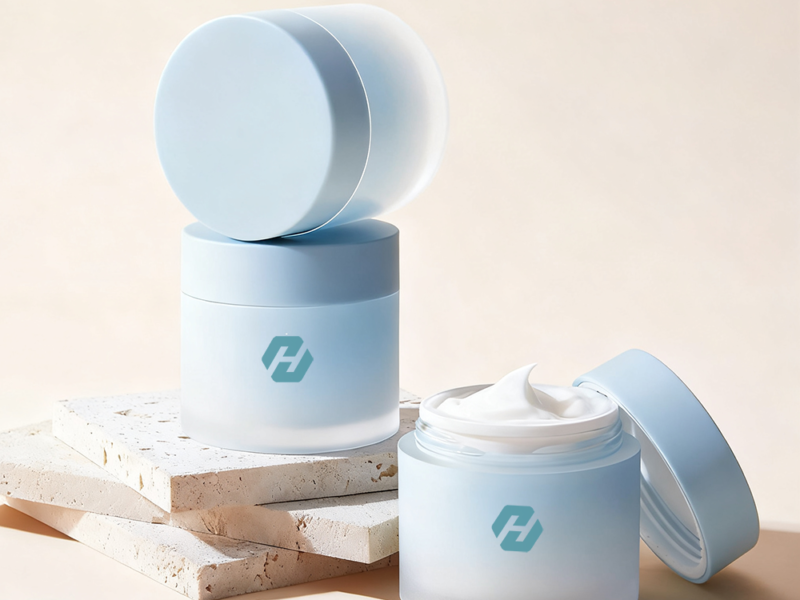
Selecting the right housing for beauty products involves balancing aesthetics and chemistry. Brand owners must ensure that formulas remain stable and uncontaminated over time. Choosing the correct cosmetic packaging materials is the most critical step in this process.
The packaging serves as the first point of contact for the consumer. It communicates brand values while protecting active ingredients from light and air. High-quality materials can significantly extend the shelf life of premium skincare.
Modern consumers increasingly prioritize both functionality and environmental impact. Therefore, understanding the properties of glass, plastic, and metal is essential for success. This guide explores how different materials influence product performance and brand perception.
What Are the Most Common Cosmetic Packaging Materials?
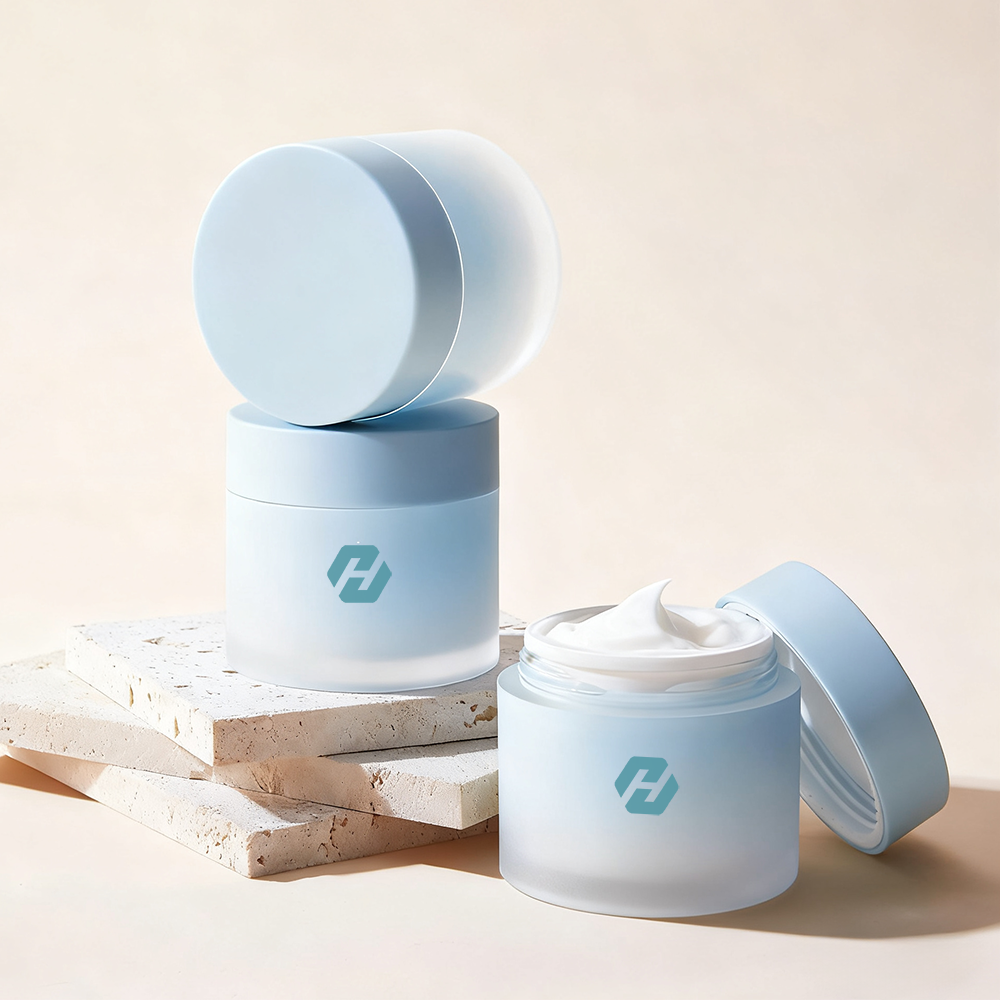
The industry relies on a few primary materials to meet diverse formulation needs. Glass remains a favorite for high-end serums and perfumes due to its premium weight. It is chemically inert and does not react with complex ingredients.
Plastics like PET and PP offer versatility and shatter resistance for bathroom use. These materials are lightweight, which reduces shipping costs and carbon footprints. They are often used for cleansers, body lotions, and hair care products.
Metal packaging, specifically aluminum, is gaining popularity for its infinite recyclability. It provides an excellent barrier against oxygen and moisture. Many luxury brands use aluminum tubes for hand creams and masks to ensure durability.
| Material | Weight | Barrier Protection | Recyclability | Typical Use |
| Glass | High | Excellent | High | Serums, Creams, Perfume |
| PET Plastic | Low | Moderate | High | Toners, Lotions |
| Aluminum | Low | High | Very High | Tubes, Balm Tins |
Why Glass Is Often the Best Choice for Skincare
Glass is a non-porous material that provides superior protection for sensitive formulas. It prevents the migration of chemicals between the container and the product. This makes it ideal for organic products that lack heavy preservatives.
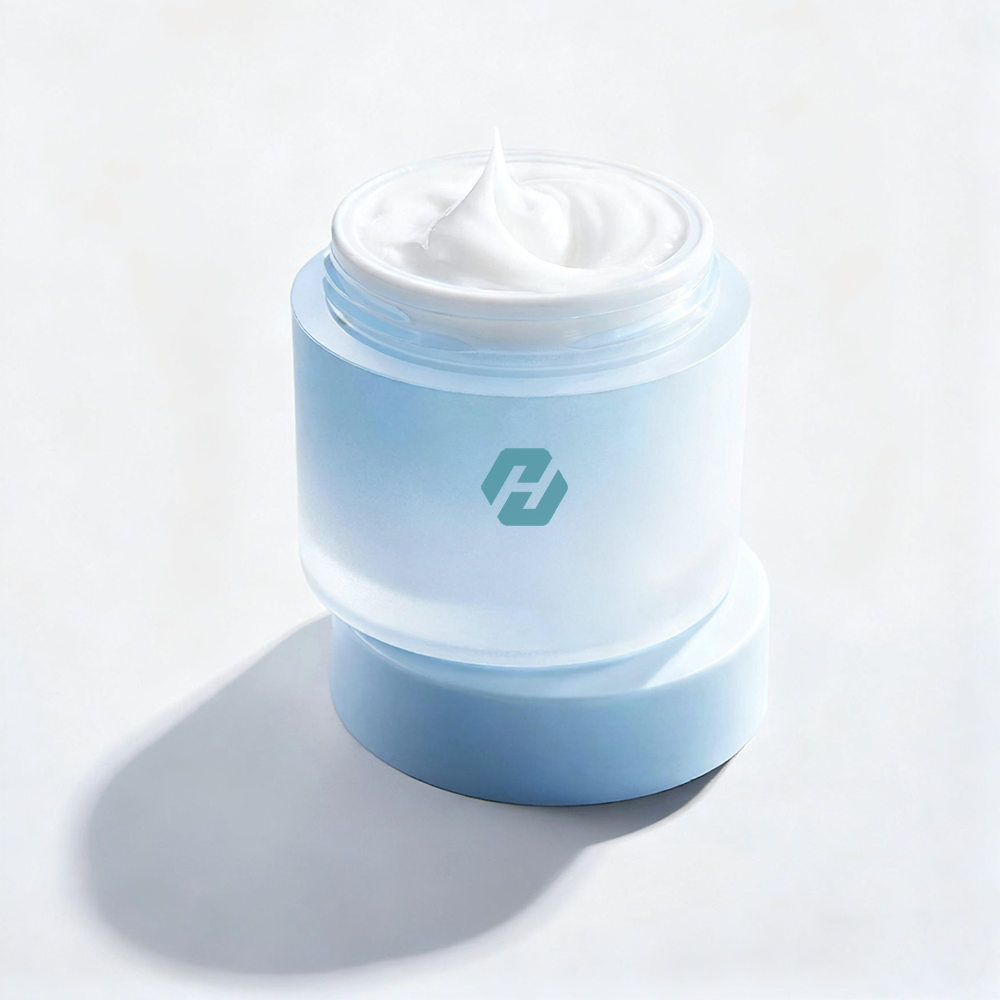
Frosted glass finishes are particularly effective at diffusing light. This helps protect light-sensitive ingredients like Vitamin C and Retinol from degrading. Research suggests that cosmetic packaging materials made of glass enhance the perceived value of a brand.
The global cosmetic glass packaging market was valued at approximately $3.5 billion in 2023. It is projected to grow at a steady rate of 4.5% annually. This growth reflects the increasing demand for sustainable and premium packaging solutions worldwide.
Sustainability is a major driver for choosing glass over traditional plastics. Glass can be recycled indefinitely without losing its purity or quality. Many luxury brands now offer refillable glass jars to minimize waste.
Choosing Sustainable Plastic Alternatives
Not all plastics are equal when it comes to environmental impact. PET (Polyethylene Terephthalate) is highly recyclable and widely accepted by curbside programs. It offers high clarity, making it a great substitute for glass in travel-sized items.
PP (Polypropylene) is another common choice for caps and jars. It is known for its high melting point and chemical resistance. Brands often use PP for products that require a sturdy, opaque container.
PCR (Post-Consumer Recycled) plastic is the leading choice for eco-conscious brands. Using PCR reduces the need for virgin plastic production and lowers energy consumption. This shift helps brands meet the growing consumer demand for circular economy practices.
How to Determine the Best Packaging for Your Formula
The choice of cosmetic packaging materials depends largely on the product’s viscosity. Thick creams require wide-mouth jars for easy access and application. Liquid serums work best with droppers or pump dispensers to control dosage.
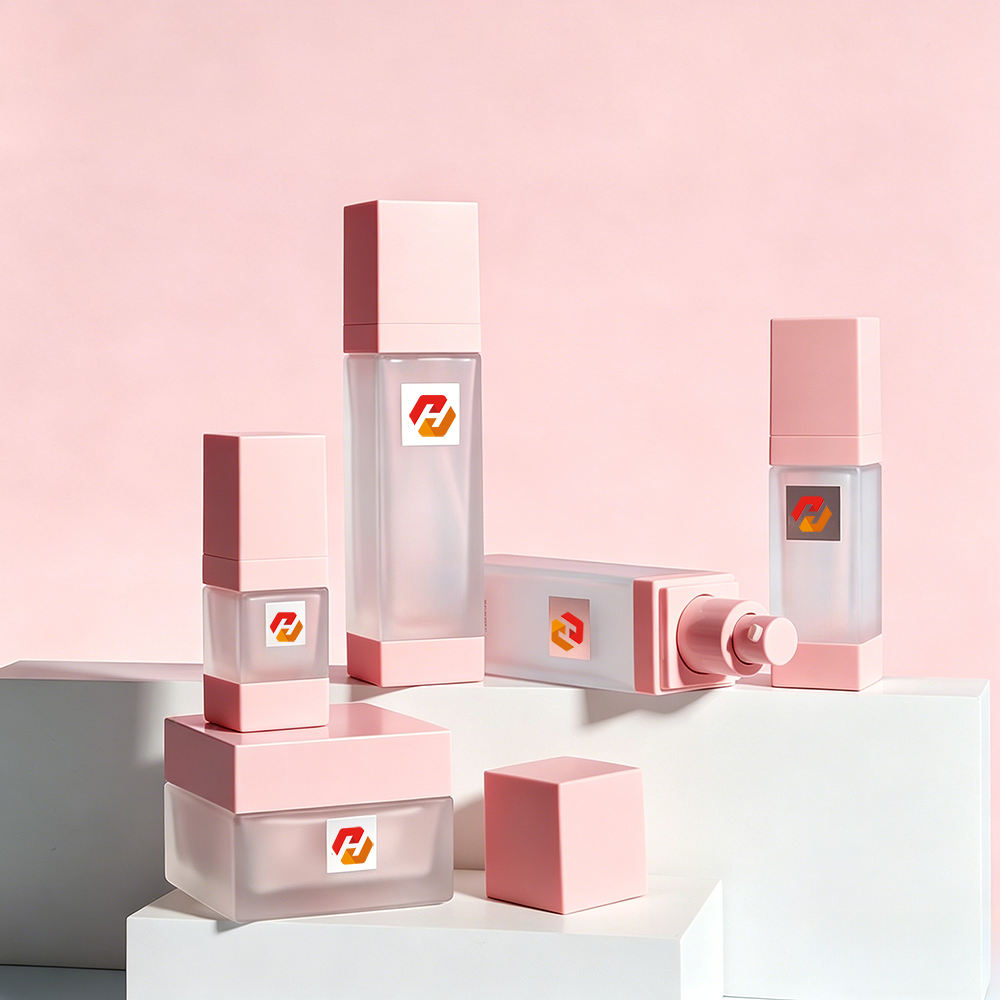
You should also consider the “compatibility test” before finalizing your selection. Some essential oils can degrade certain plastics over time. Testing ensures the packaging does not leak or change the product’s color.
Refillable designs are becoming a standard for sustainable luxury brands. A heavy glass base can be reused multiple times with lightweight plastic inserts. This strategy reduces the overall plastic usage by up to 70% per refill cycle.
High-quality glass jars with frosted finishes offer a tactile experience that plastic cannot match. The weight of the glass provides a sense of luxury and permanence. Choosing a 100g capacity is often ideal for face creams meant for daily use.
Conclusion
Selecting the right cosmetic packaging materials requires a balance of protection, luxury, and sustainability. Glass remains the top choice for stability and premium branding, while recycled plastics offer practical solutions. By choosing durable and refillable options, brands can meet consumer expectations for quality and environmental responsibility.
FAQ
Q:Which material is best for organic skincare?
Glass is the best material for organic skincare because it is chemically inert. It ensures that no synthetic chemicals from the packaging leach into the natural formula.
Q:Is glass more eco-friendly than plastic?
Yes, glass is generally more eco-friendly because it is infinitely recyclable without losing quality. While some plastics are recyclable, they often degrade in quality during each recycling cycle.
Q:Why is frosted glass used in cosmetic packaging?
Frosted glass is used to protect light-sensitive ingredients from UV degradation. It also provides a premium, slip-resistant texture that enhances the user experience.
Q:What is the benefit of refillable cosmetic jars?
Refillable jars significantly reduce environmental waste by allowing the outer container to be reused. This system lowers the carbon footprint and encourages long-term brand loyalty.
Reference Sources
Glass Packaging Institute: Benefits of Glass Packaging
https://www.gpi.org/
Association of Plastic Recyclers: Plastic Recyclability Guidelines
https://plasticsrecycling.org/
Cosmetics Europe: The Personal Care Association
https://cosmeticseurope.eu/