
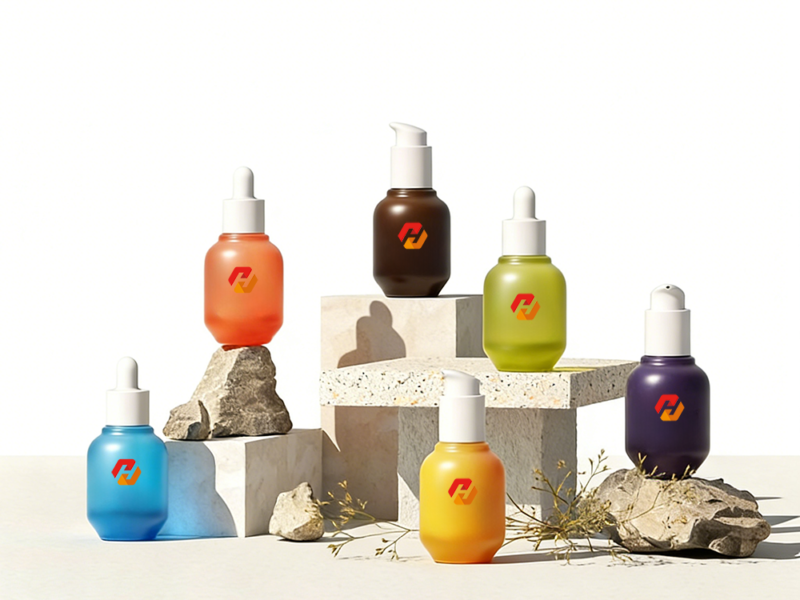
Packaging defines the identity of a premium skincare brand. In 2026, the demand for glass cosmetic bottles wholesale continues to surge among luxury developers. Glass offers a unique combination of chemical stability and high-end aesthetics. It remains the top choice for formulas containing active botanical ingredients.
The global glass packaging market is projected to reach $85.2 billion by late 2026. This growth reflects a major shift away from single-use plastics. Consumers now associate the weight and clarity of glass with product efficacy. Brands must understand the technical nuances of this material to make informed purchases.
Selecting the right supplier requires more than just looking at price points. You must evaluate material purity, manufacturing precision, and shipping safety. This guide provides a comprehensive framework for navigating the wholesale glass market. We will explore how to ensure your packaging reflects your brand’s commitment to quality.
Why Choose Glass Cosmetic Bottles Wholesale for Your Brand?
Glass is an inorganic material that does not react with complex chemical formulas. This makes it the safest option for high-performance serums and essential oils. Unlike plastic, glass does not permit gas exchange, which prevents oxidation. This preservation is critical for maintaining the shelf life of organic products.
In 2026, sustainability is no longer optional for beauty brands. Glass is 100% recyclable and can be processed without any loss in purity. Surveys show that 80% of premium consumers prefer glass over plastic packaging. By choosing glass cosmetic bottles wholesale, you demonstrate a clear commitment to environmental responsibility.
The psychological impact of glass packaging cannot be overstated. A heavy glass bottle provides a sense of luxury and permanence. It creates a tactile experience that justifies a higher retail price for your customers. Most successful skincare launches in 2026 utilize custom glass designs to build brand trust.
Chemical Stability and Product Integrity
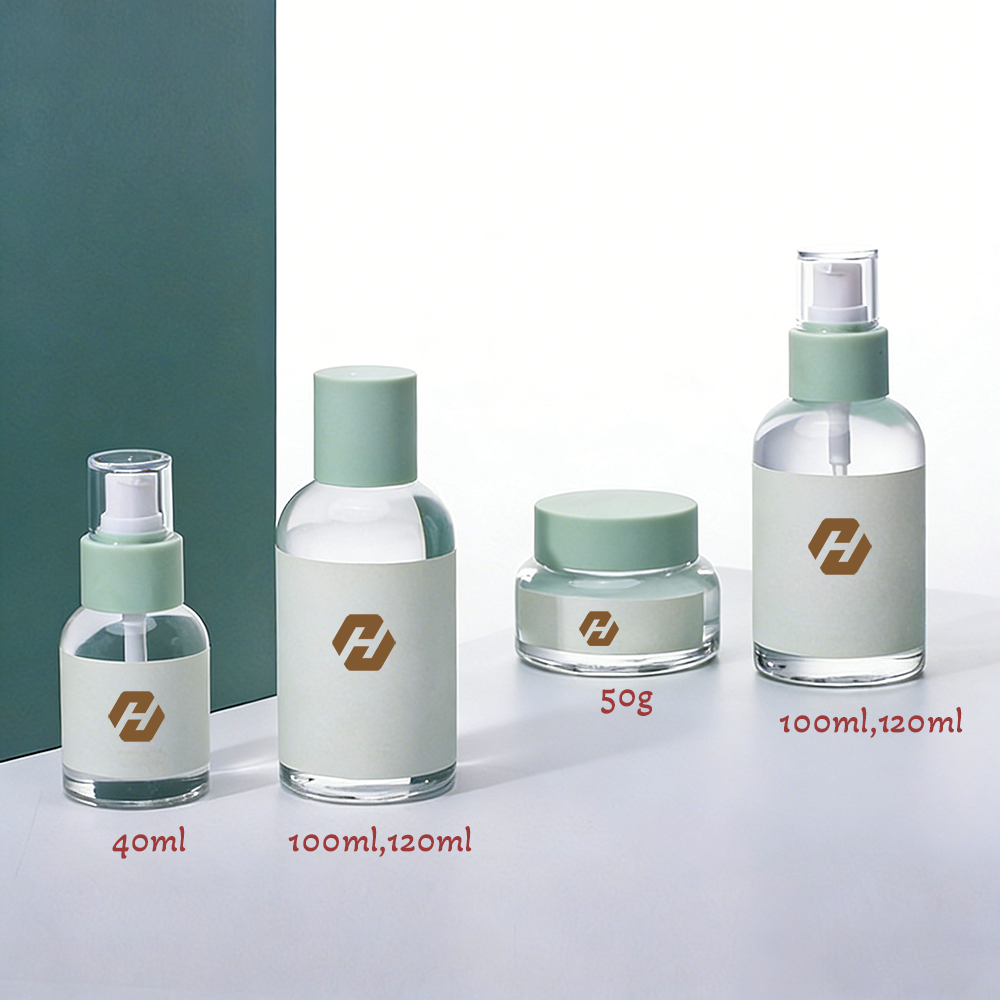
Glass is naturally resistant to a wide range of pH levels. This property ensures that your formula remains pure from production to the final use. Many advanced anti-aging ingredients can degrade if they come into contact with certain polymers. Glass acts as a total barrier against these potential contaminants.
Furthermore, glass does not leach phthalates or bisphenol A into the product. These safety concerns are increasingly important to health-conscious shoppers in 2026. Glass cosmetic bottles wholesale provide a “clean” packaging solution for clean beauty brands. This chemical neutrality protects the integrity of both the scent and the texture.
Sustainable Packaging Trends in 2026
The circular economy has become a core focus for the global beauty industry. Glass bottles are ideal for refillable systems, which are trending heavily this year. Customers can return empty bottles or purchase refills to reduce their carbon footprint. This model builds long-term loyalty and reduces overall waste.
Modern manufacturing has also reduced the carbon intensity of glass production. Many suppliers now use a higher percentage of cullet, or recycled glass, in their batches. This reduces energy consumption by approximately 3% for every 10% of recycled glass used. Choosing glass cosmetic bottles wholesale supports these green manufacturing initiatives.
| Performance Metric | Glass Packaging | Recycled Plastic |
| Barrier Property | Absolute (Zero Permeability) | Variable (Permeable) |
| Refill Potential | High (Durable) | Low (Wear and Tear) |
| Chemical Leaching | None | Possible over time |
| Consumer Perception | Premium / Luxury | Mass Market / Economy |
How to Evaluate Quality When Buying Glass Cosmetic Bottles Wholesale?
Quality control is the most critical aspect of the procurement process. High-quality glass should be free from visual defects like bubbles or stones. These flaws are not just cosmetic; they represent structural weaknesses in the bottle. Always inspect samples under bright light to verify the glass’s clarity.
Wall thickness must be consistent throughout the entire bottle structure. Uneven glass distribution can lead to breakage during the filling process or during transit. Professional manufacturers use automated inspection systems to measure thickness at multiple points. This ensures that every bottle in your glass cosmetic bottles wholesale order meets safety standards.
Thermal shock resistance is another vital factor for skincare packaging. Glass must withstand rapid temperature changes without cracking or shattering. This is especially important for products that might be stored in bathrooms or shipped globally. Reliable suppliers provide technical data sheets detailing the thermal endurance of their products.
Understanding Glass Material Grades
Most cosmetic containers utilize Type III soda-lime glass for general applications. It is affordable and highly versatile for lotions, shampoos, and creams. This grade provides sufficient chemical resistance for the majority of beauty products. It is the industry standard for bulk packaging solutions in 2026.
For high-end perfumes or highly acidic serums, Type I borosilicate glass is preferred. This material offers the highest level of chemical and thermal resistance available. While more expensive, it provides an extra layer of security for volatile ingredients. Choosing the right grade depends on the specific needs of your formula.
Essential Quality Control Tests
You should always perform a vertical load test on your wholesale samples. This measures how much pressure the bottle can take before it collapses. This is crucial for high-speed automated filling lines where pressure is applied to the neck. Glass cosmetic bottles wholesale must be strong enough to withstand industrial processing.
Leakage testing is equally important for oils and liquid foundations. Fill the bottle with your product and place it in a vacuum chamber. This simulates the pressure changes experienced during air freight. If the seal holds, you can be confident in the bottle’s closure system.
What Are the Most Popular Types of Glass Cosmetic Bottles Wholesale?
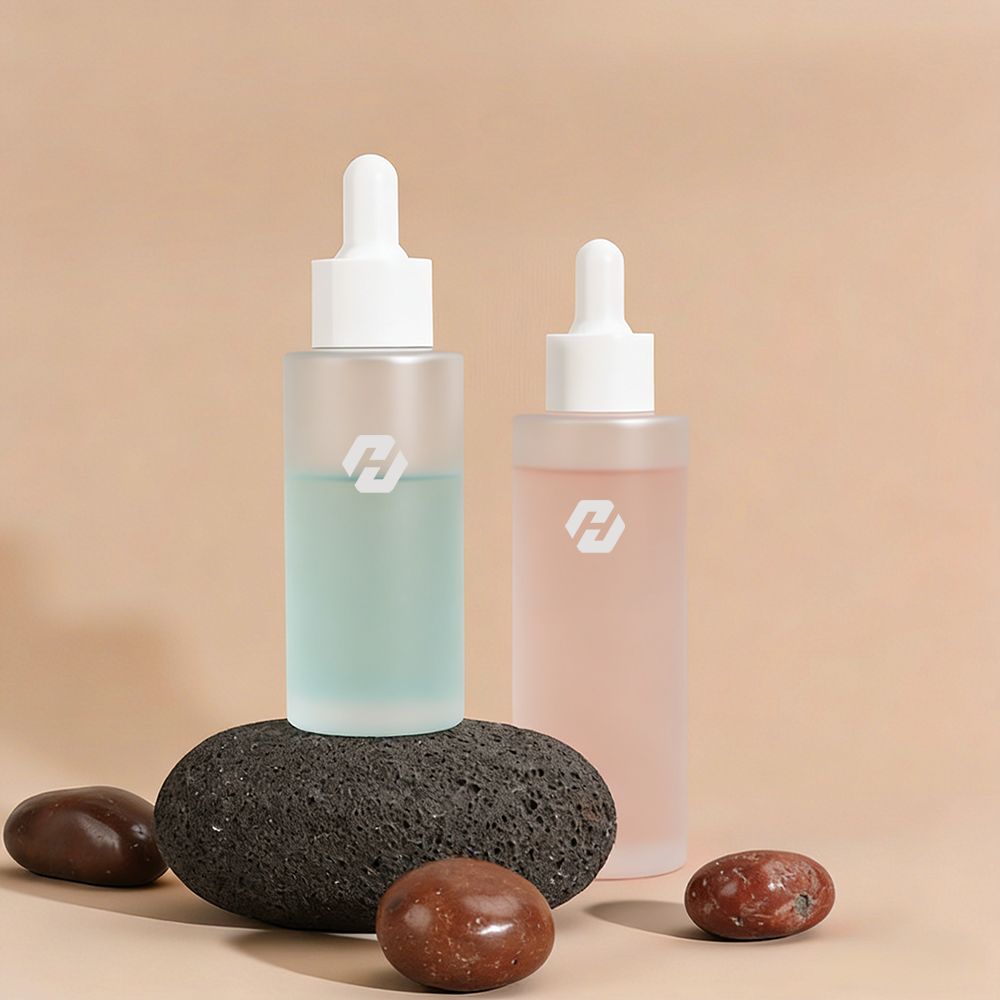
The shape and function of your bottle should align with the product’s use. Dropper bottles are the most popular choice for facial oils and concentrated serums. They allow for precise dosage, which consumers appreciate for expensive treatments. The glass pipette adds to the professional feel of the brand.
Pump bottles are ideal for liquid foundations, primers, and lightweight lotions. They prevent the product from being exposed to air and bacteria during use. This helps maintain the efficacy of preservatives over several months. Many glass cosmetic bottles wholesale options now feature airless pump technology for maximum protection.
Jars remain the standard for thick creams, masks, and body butters. Wide-mouth glass jars allow the user to easily access every bit of the product. These are often paired with heavy glass lids or sustainable bamboo closures. The aesthetic versatility of jars makes them a favorite for luxury spa collections.
Selecting the Right Closure Systems
The closure is as important as the bottle itself for maintaining product safety. You must ensure that the liner material is compatible with your specific formula. Common liner materials include PE, PTFE, and various induction seals. A poor match can lead to evaporation or chemical reactions.
In 2026, many brands are opting for child-resistant closures for certain active products. These caps require a “push and turn” motion to open, providing extra safety. Ensure your glass cosmetic bottles wholesale supplier can provide matching, tested closures. This creates a unified look and guarantees a perfect fit.
Color and Coating Options for UV Protection
Amber and cobalt blue glass are classic choices for light-sensitive products. These colors filter out harmful UV rays that can cause ingredients to break down. This is particularly important for products containing retinol or Vitamin C. Tinctures and oils benefit greatly from these protective hues.
Frosted glass provides a modern, high-end look while offering some light diffusion. It hides any separation that might occur in natural formulas over time. For a completely custom look, many brands use organic spray coatings in specific brand colors. These coatings are durable and can be applied in matte or glossy finishes.
How to Select the Right Hyrun Packaging Solution for Your Brand?
Selecting a packaging partner involves evaluating their ability to scale with your growth. You should look for a provider that offers a diverse range of styles and sizes. A supplier with a comprehensive cosmetic bottles catalog allows you to source all your needs in one place. This consistency simplifies your logistics and ensures a uniform brand appearance.
Consider the customization services offered by your potential partner. Successful brands in 2026 often use silk-screen printing or hot stamping to display their logos. These permanent decoration methods are much more durable than traditional paper labels. By choosing a supplier that handles both production and decoration, you reduce the risk of errors.
Finally, prioritize a supplier that offers transparent communication regarding lead times. Global supply chains can be unpredictable, so reliability is a major asset. A partner that provides physical samples and technical support is invaluable for your development process. Evaluating these factors will lead you to a packaging solution that enhances your brand’s market position.
Summary
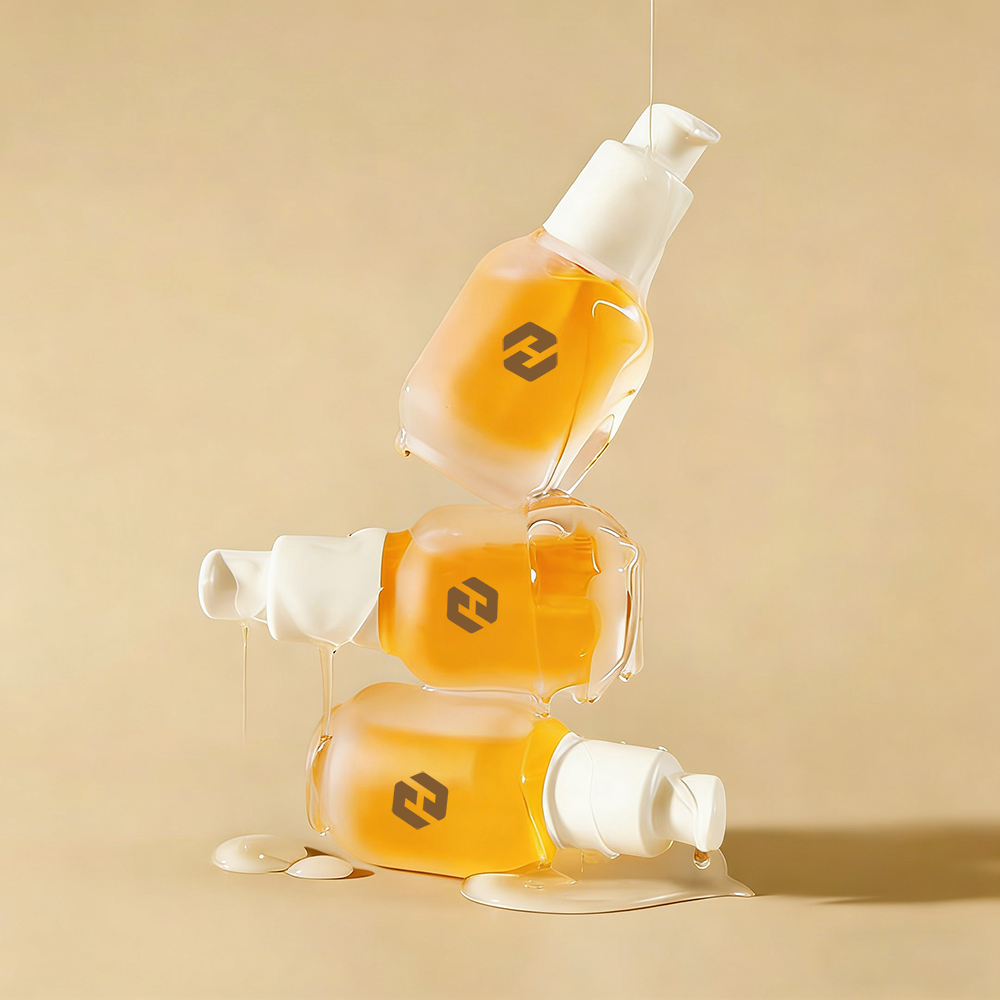
Choosing glass cosmetic bottles wholesale involves a detailed analysis of material quality, functional design, and supplier reliability. In 2026, brands must prioritize chemical stability and sustainability to meet modern consumer expectations. Selecting the right glass grade and closure system ensures that your premium skincare products remain safe and effective.
FAQ
1. What are the benefits of using glass over plastic for skincare?
Glass is chemically inert and does not leach harmful substances into your products. It provides a superior oxygen barrier that prevents the oxidation of sensitive ingredients. Furthermore, glass is perceived as a luxury material that enhances brand value and consumer trust.
2. How can I ensure the glass bottles won’t break during shipping?
You must work with a supplier that uses professional export packaging standards. This includes the use of thick cardboard dividers and reinforced outer cartons. Always ask about the supplier’s average breakage rate, which should ideally be under 1% for bulk shipments.
3. What is the difference between flint glass and amber glass?
Flint glass is clear and offers maximum product visibility, which is great for colorful formulas. Amber glass provides high-level UV protection by blocking light wavelengths below 450nm. Choose amber glass if your product contains photosensitive active ingredients like essential oils.
4. Can I get custom colors for my wholesale glass bottles?
Yes, most wholesale suppliers offer various decoration techniques like spray painting and frosting. You can match the glass to your specific brand colors using Pantone references. These coatings are applied during the secondary processing phase to ensure a durable and high-quality finish.
5. What is the typical minimum order quantity for wholesale glass?
Minimum order quantities (MOQ) vary depending on whether the bottle is a stock item or custom. For standard shapes, MOQs can be as low as 5,000 pieces in 2026. Custom molds or specialized colors usually require higher volumes to justify the production run.
Reference Sources
Grand View Research – Glass Packaging Market Size and Share Analysis
Fortune Business Insights – Cosmetic Packaging Market Growth Trends
Glass Packaging Institute – Industry Standards for Container Glass
FEVE The European Container Glass Federation – Sustainability and Circularity in Glass