
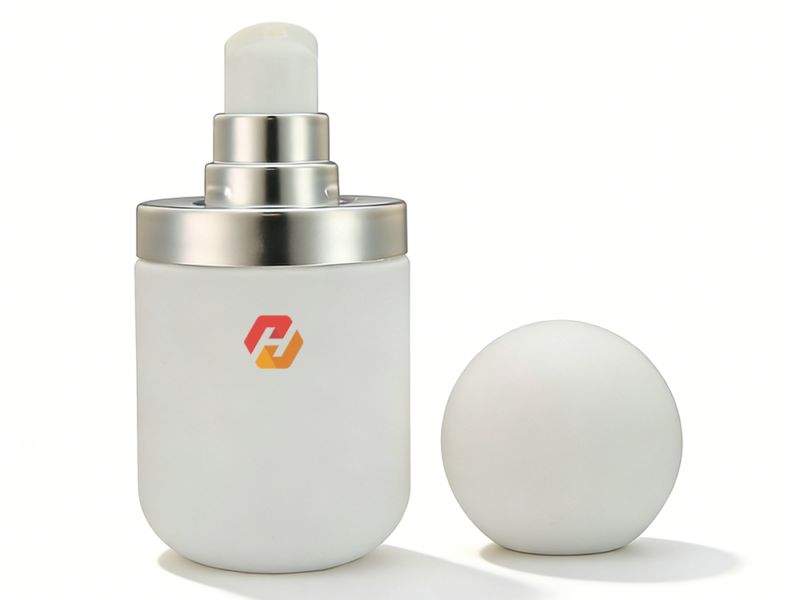
As a packaging strategist, I often see brands struggle to balance aesthetics with function when selecting dropper glass bottles for their product lines. You might think amber glass is the only choice for protection, or clear glass for purity, but there is a superior option. White opal glass offers a unique solution that elevates shelf appeal while strictly safeguarding photosensitive ingredients.
The Functional Superiority of Opal Glass
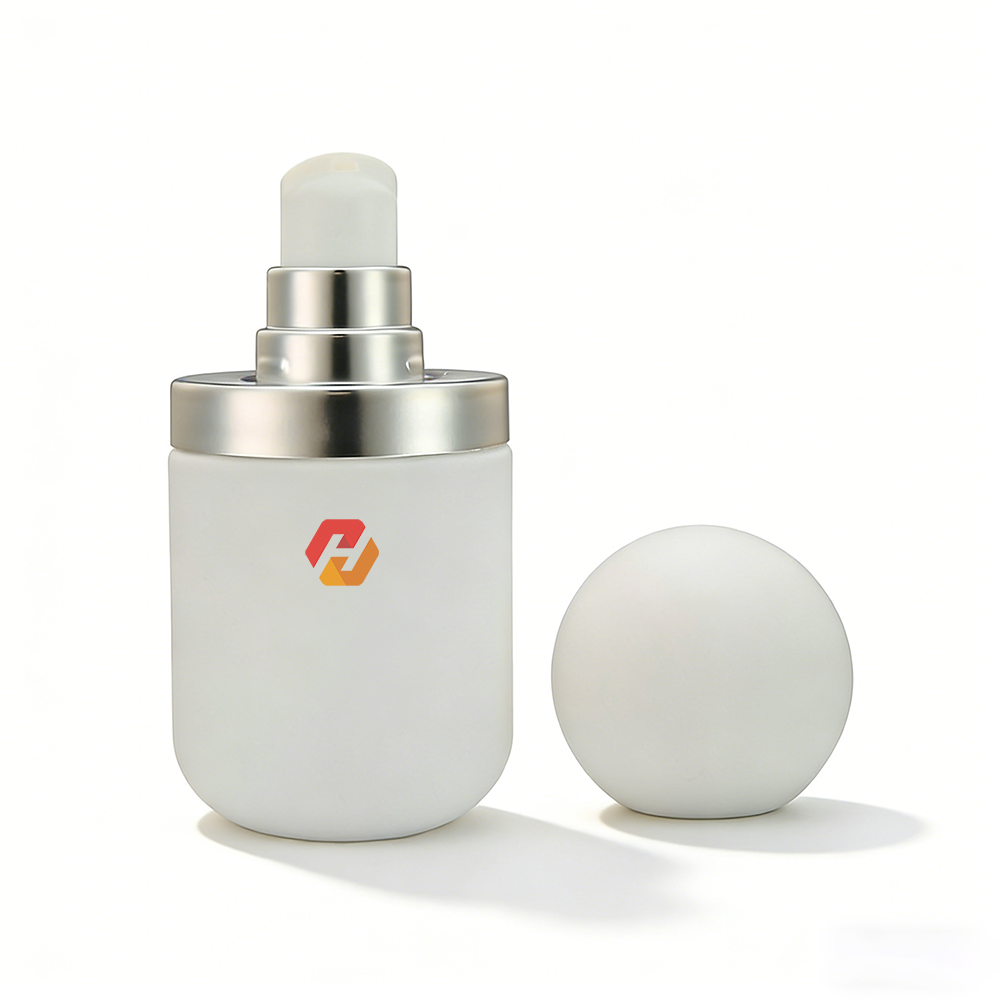
When you evaluate small glass dropper bottles for active formulations, light blocking is a critical technical requirement. Many high-value serums containing Vitamin C or retinol degrade rapidly when exposed to ultraviolet (UV) light.
Unlike standard clear glass, a white glass dropper bottle made from true opal glass provides a dense physical barrier. This material is not merely painted; it is structurally opaque due to the addition of cryolite during the melting process. This opacity reflects a broad spectrum of light, effectively reducing photo-oxidation rates.
For B2B buyers, this means extended shelf life. You can promise retailers and consumers that the product inside remains potent from the first drop to the last.
Painted vs. True Opal: A Critical B2B Distinction
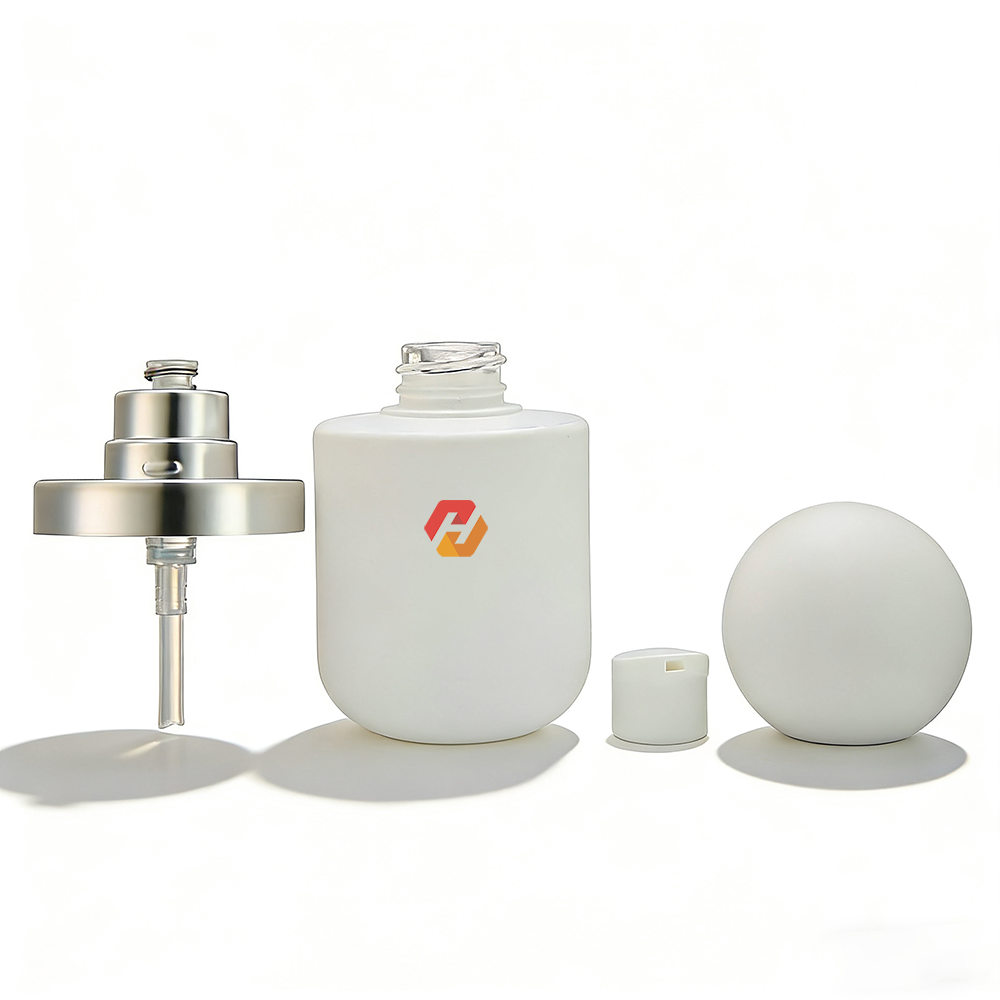
In the glass dropper bottles wholesale market, distinguishing between “painted white” and “solid opal” is vital for quality control.
Painted (Sprayed) Glass
This is standard clear glass coated with white paint. While cost-effective, it carries significant risks for premium brands. The coating can scratch during shipping, revealing the clear glass beneath. Furthermore, aggressive essential oils may eventually dissolve internal coatings, leading to contamination.
Solid Opal Glass
True opal glass maintains its white color throughout the container wall.
- Durability: It is scratch-resistant and chemically inert.
- Tactile Quality: It mimics the heavy, cool feel of porcelain.
- Consistency: The color never fades or peels.
Investing in solid opal ensures your packaging withstands the rigors of daily use without degrading.
Branding Potential of Custom Glass Dropper Bottles
White serves as the ultimate neutral canvas for brand differentiation. When designing custom glass dropper bottles, the base color dramatically influences the clarity of your artwork.
Amber or cobalt bottles often limit designers to gold or silver stamping to ensure readability. In contrast, white glass supports the full CMYK color spectrum. You can utilize silk-screen printing for sharp, minimalist text or hot stamping for metallic accents that pop against the glossy finish.
Additionally, white glass simplifies color matching for product lines. Whether you are packaging a face oil or a chemical peel, the uniform white base ensures your brand colors look identical across different bottle sizes.
How to Audit Manufacturer Quality
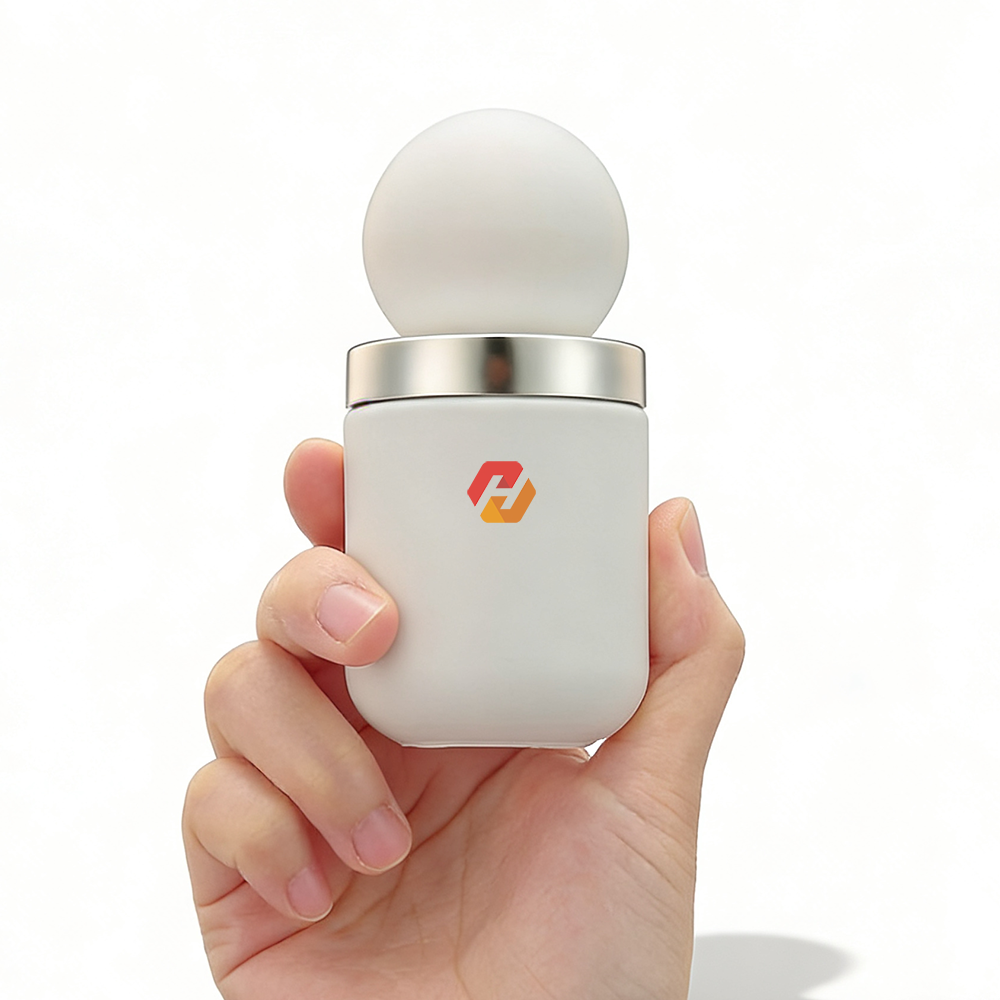
Choosing a supplier involves more than comparing price lists; you must verify the structural integrity of the glass.
1. Inspect Wall Thickness Distribution
Hold a sample against strong light. Premium opal glass must have uniform thickness. Thin areas represent weak points that cause breakage during capping or transit.
2. Verify Neck Precision
The bottle neck dictates the seal quality. Irregular molding can prevent the dropper from creating a vacuum seal, causing leaks. A professional supplier guarantees precision-molded necks for airtight closure.
3. Check for Material Purity
Lower-grade opal glass may appear grayish or yellowish. Always request a “pure white” standard sample to ensure the batch matches your brand’s aesthetic requirements.
If your brand requires packaging that meets these rigorous B2B standards, Hyrun Packaging supplies high-grade white glass dropper bottles. Their opal glass offers the consistent wall thickness and pure whiteness necessary for luxury skincare applications.
Conclusion
Selecting the right dropper glass bottles is a strategic decision that impacts product efficacy and brand perception. White glass dropper bottle packaging, specifically solid opal glass, offers a robust alternative to fragile painted options. By prioritizing material quality and manufacturing precision, you ensure your product remains safe, stable, and visually commanding.
FAQ
Q: Does opal glass offer better UV protection than clear glass?
A: Yes, opal glass provides significantly higher UV protection due to its opacity, making it suitable for light-sensitive formulations.
Q: Can I recycle opal glass dropper bottles?
A: Yes, opal glass is fully recyclable in standard glass recycling streams, similar to amber or flint glass.
Q: What is the main advantage of silk-screen printing on white glass?
A: Silk-screen printing on white glass offers superior color vibrancy and contrast compared to printing on dark or clear glass.
Q: Are these bottles compatible with acidic serums?
A: Yes, true opal glass is chemically inert and safe for acidic serums, unlike some painted bottles that may react.
Reference Sources
Glass Packaging Institute (GPI) – Glass Container Specifications
Cosmetic, Toiletry and Perfumery Association (CTPA) – Packaging & Sustainability
ASTM International – Standard Specification for Glass Containers