
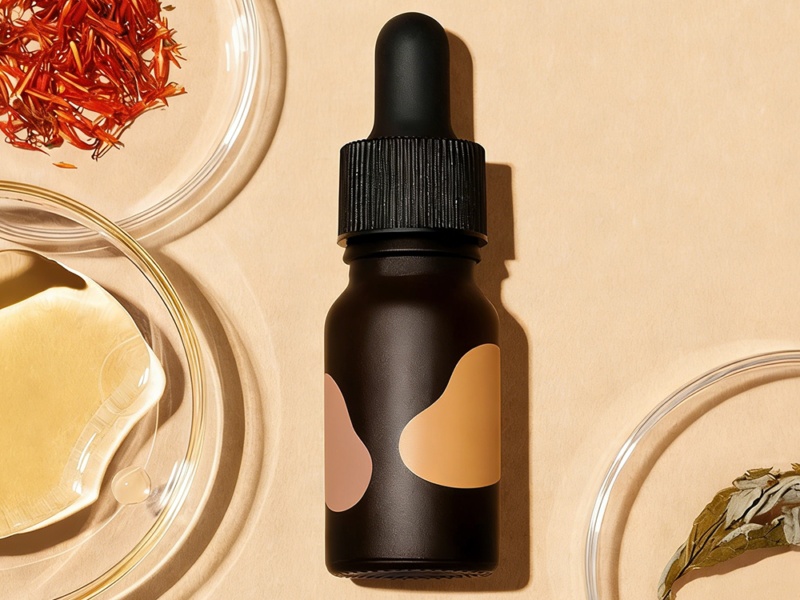
Sourcing the correct packaging is more than an aesthetic choice; it is a critical business decision. As a procurement professional or brand owner, you know that the right serum glass bottle protects your formulation’s integrity. Poor packaging choices can lead to oxidation, contamination, and significant financial loss.
I have evaluated numerous packaging supply chains. My goal here is to help you match technical specifications with your brand’s needs. We will examine glass types, UV protection, and capacity strategies to ensure your product remains stable from the warehouse to the consumer’s shelf.
Understanding Glass Types and Chemical Stability
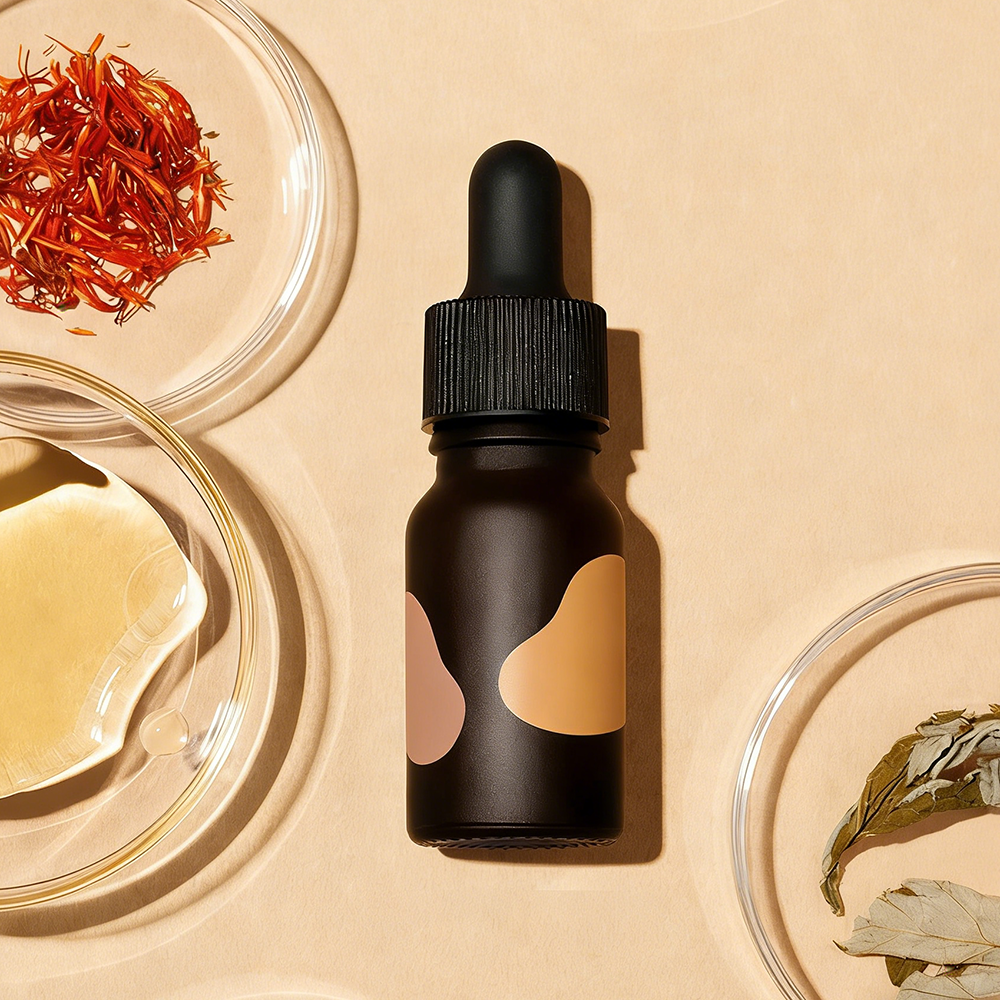
Not all glass is created equal in the eyes of regulatory bodies. When selecting packaging for active cosmetic formulas, you must distinguish between Type I (borosilicate) and Type III (soda-lime) glass.
According to the U.S. Pharmacopeia (USP), glass containers are classified by their hydrolytic resistance. This measures how likely the glass is to interact with the liquid inside. For high-potency serums, chemical inertness is non-negotiable.
Most general cosmetic serums function well in high-quality soda-lime glass. However, aggressive formulations with high acidity or alkalinity may require the superior resistance of borosilicate. B-end users must verify that the manufacturer complies with ISO standards for glass grain tests. This ensures the container will not leach substances that alter your serum’s pH or efficacy.
Why Amber Serum Glass Bottles Are Critical for Active Ingredients
Light sensitivity is the primary enemy of many high-performance ingredients, such as Retinol and Vitamin C. If your formula contains photosensitive compounds, a standard clear bottle is a liability.
The amber serum glass bottle is the industry standard for UV protection. USP standards for light transmission typically require that amber glass blocks the majority of light between 290 nm and 450 nm. This range covers the most damaging ultraviolet spectrum.
While spray-coated bottles (painted glass) can offer some protection, they often lack the consistency of true amber glass. The color in true amber glass is part of the material matrix, not a surface treatment. For B2B buyers ensuring long-term shelf life, prioritizing intrinsic amber glass is a safer investment for light-sensitive SKUs.
Choosing Between Frosted and Clear Finishes
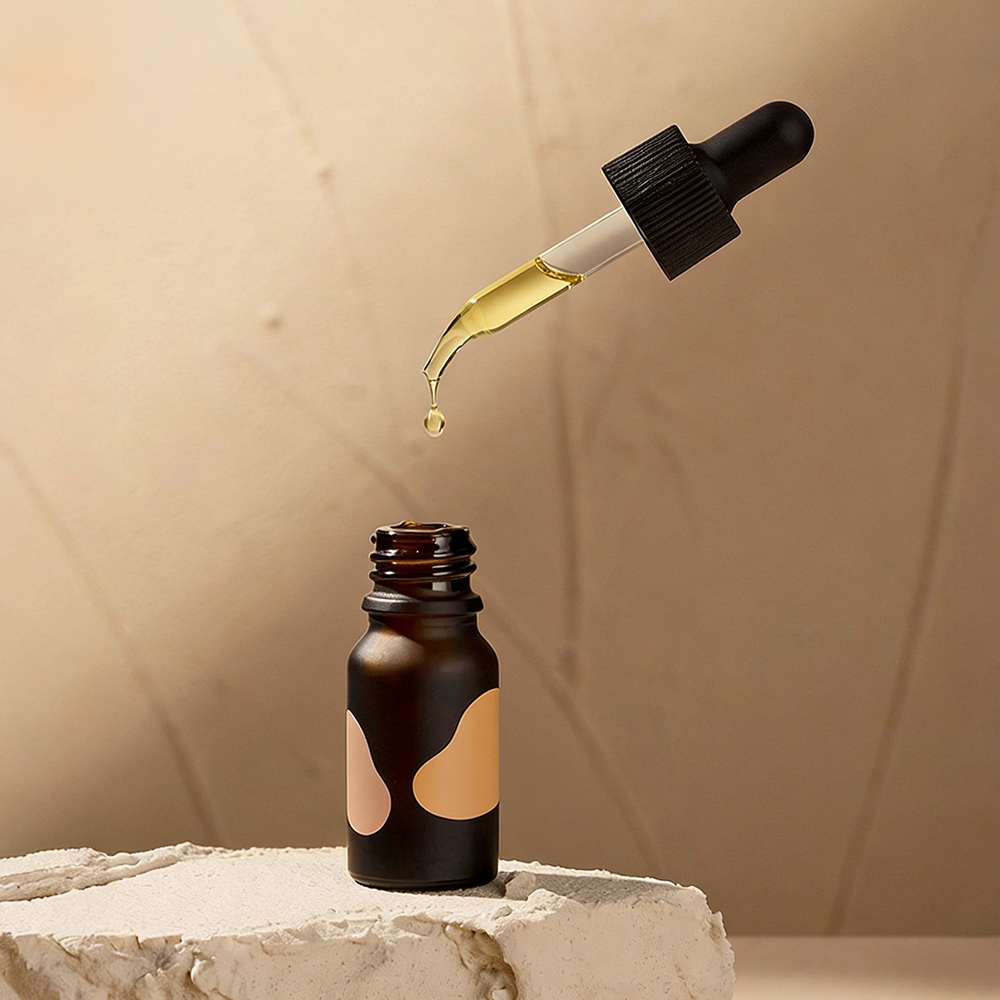
Once stability is secured, you must address market positioning. A frosted glass serum bottle offers a distinct tactile and visual advantage in the premium segment.
Frosting involves acid-etching or sandblasting the surface, creating a matte finish. From a branding perspective, this diffuses light, softening the appearance of the liquid inside. It also hides minor fingerprints during handling, maintaining a clean look on the retail shelf.
However, be aware that frosting is a secondary process. It does not significantly alter the UV protection properties of the base glass. If you need both a matte look and UV protection, you should request frosting on an amber or colored base. Do not rely on frosting alone to protect unstable ingredients.
Optimizing Capacity: The Strategic Value of 30ml Bottles
Volume selection impacts your pricing strategy and consumer usage rates. The glass serum bottle 30ml is the undisputed “gold standard” for facial serums globally.
Standardizing on 30ml simplifies your supply chain. Most filling lines, labeling machines, and secondary packaging (boxes) are optimized for this specific diameter and height. This compatibility reduces your production downtime and tooling costs.
Conversely, small glass serum bottles (5ml to 15ml) serve a different strategic purpose. They are essential for:
- High-concentration treatments (eye serums).
- Discovery sets or sample kits.
- Travel-size retail extensions.
B2B buyers should look for suppliers who offer the same neck finish (e.g., DIN 18) across different sizes. This allows you to use the same dropper assembly for both your 15ml and 30ml bottles, drastically reducing inventory complexity.
Evaluating Supplier Specifications for Dropper Bottles
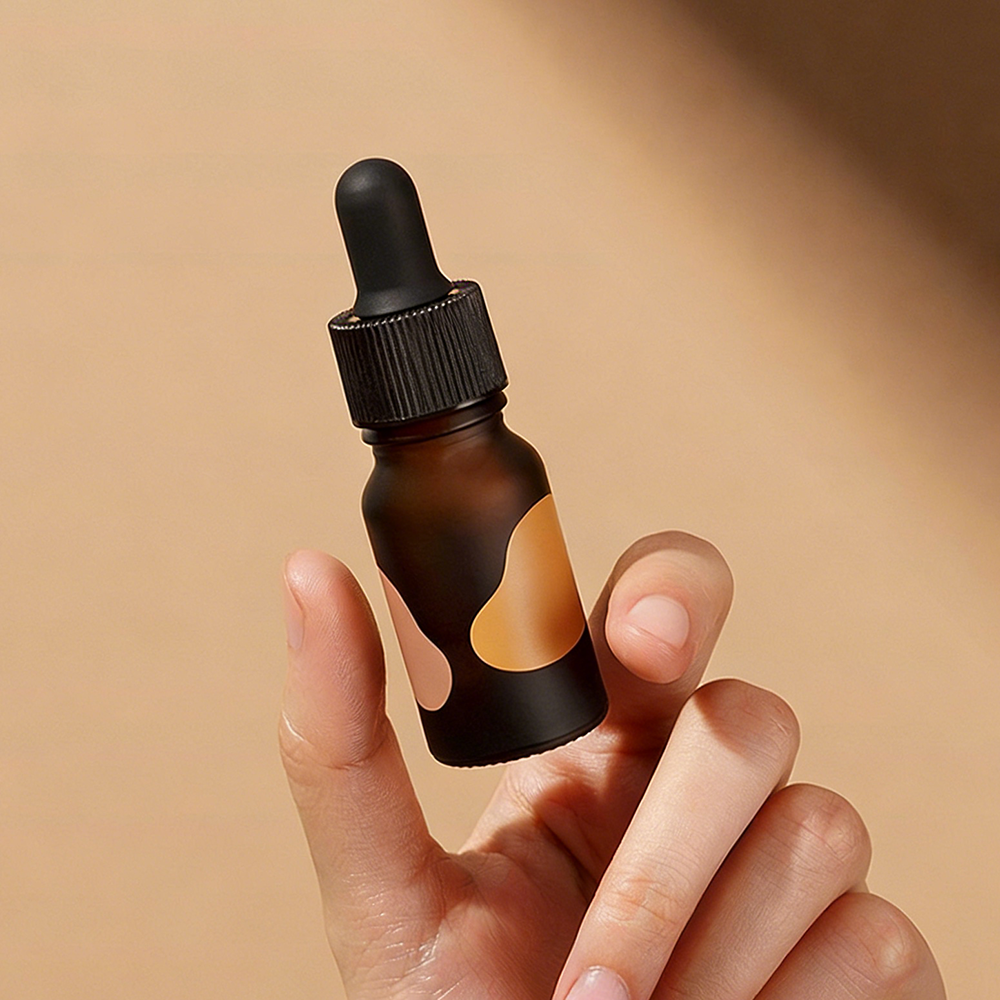
When you are ready to finalize your procurement list, you must audit the specific parameters of the bottle-to-cap fit. A leaked serum destroys brand trust instantly.
You need to verify the neck finish standards. A precise DIN 18 neck ensures that standard dropper assemblies seal tightly, preventing evaporation or leakage. I recommend checking the dimensional tolerance provided by the manufacturer.
Furthermore, consider the holistic product range. A supplier that provides a full gradient of sizes allows you to scale your product line without switching vendors. For example, viewing a comprehensive catalog like the Amber Glass Dropper Bottles page allows you to compare 5ml, 10ml, and 30ml options side-by-side. Seeing these specifications confirms if the supplier understands the need for consistent neck sizes across different capacities.
Summary
Selecting the correct serum glass bottle requires balancing chemical inertness, UV protection, and operational efficiency. By prioritizing true amber serum glass bottle options for active ingredients and standardizing on the glass serum bottle 30ml size, you mitigate risk. Ensure your packaging protects your formula to safeguard your brand’s reputation.
FAQ
Q: Why is glass preferred over plastic for serum packaging?
A: Glass is impermeable and chemically inert, meaning it will not react with the serum or allow oxygen to degrade the formula, aligning with Glass Packaging Institute sustainability and safety guidelines.
Q: Does a frosted glass serum bottle provide UV protection?
A: No, frosting is a surface finish for aesthetics; unless the base glass is amber or opaque, UV light can still penetrate and potentially degrade photosensitive ingredients.
Q: What is the benefit of using small glass serum bottles like 10ml?
A: Smaller bottles are ideal for high-potency formulas (like eye serums) where usage is low, or for creating “discovery kits” to lower the entry price for new customers.
Q: Can I recycle amber serum glass bottles?
A: Yes, glass is 100% recyclable, and amber glass retains its protective properties through the recycling process, making it a sustainable choice for eco-conscious brands.
Reference Sources
U.S. Pharmacopeia (USP) – USP <660> Containers—Glass
Glass Packaging Institute (GPI) – Glass Recycling & Sustainability