
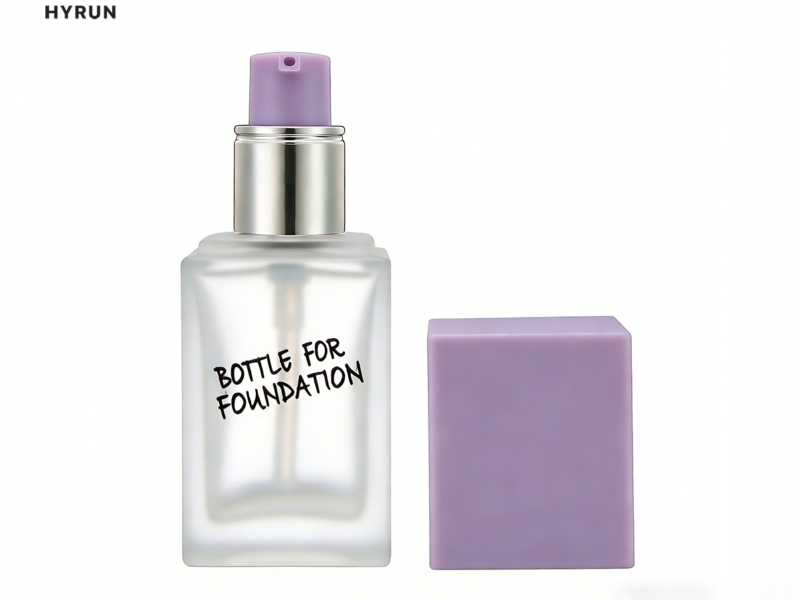
Selecting the right skincare packaging for brands involves a complex intersection of chemistry, engineering, and brand psychology. For a formulation to remain effective from the factory to the consumer’s vanity, the container must provide more than just aesthetic appeal; it must act as a controlled environment.
The primary challenge in cosmetic manufacturing is stability. Active ingredients like Vitamin C, retinol, and botanical oils are highly sensitive to environmental triggers such as ultraviolet (UV) light and oxygen. Choosing the wrong substrate or dispensing mechanism can lead to oxidation, ingredient degradation, or even chemical leaching from the container itself.
This guide analyzes the technical requirements of modern skincare containers, helping brand owners and product managers navigate the transition from laboratory samples to market-ready retail units.
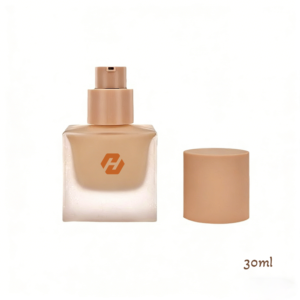
The Functional Roles of Skincare Packaging
In the B2B skincare sector, packaging is defined by its ability to fulfill three primary technical roles: protection, compatibility, and precision dispensing. A failure in any of these areas can result in product recalls or a loss of consumer trust.
1. Formula Protection (The Barrier Function)
The packaging must provide a high moisture and oxygen barrier. For aqueous formulations, preventing evaporation is critical to maintaining the correct concentration of preservatives and active ingredients. For oil-based products, the barrier must prevent oxygen ingress that leads to rancidity.
2. Chemical Compatibility
Not all formulas “get along” with all plastics. For instance, high concentrations of essential oils can stress-crack certain types of plastic. Engineers must evaluate the “leachables and extractables” to ensure that the packaging material does not react with the product’s pH or solvent system.
3. Controlled Dispensing
The user experience is dictated by the delivery system. Whether it is a fine-mist sprayer for a toner or a high-viscosity pump for a heavy night cream, the mechanical output must be consistent. Inconsistent dosage or “clogging” at the nozzle are common manufacturing hurdles that must be addressed during the sourcing phase.
Technical Material Science: Choosing the Right Substrate
When sourcing from specialized suppliers like HYRUN, brands typically choose between four primary materials based on the formula’s chemical profile and the brand’s price point.
Polyethylene Terephthalate (PET)
PET is the industry standard for liquid soaps, toners, and cleansers. It is prized for its glass-like clarity and high impact resistance. From a manufacturing standpoint, PET is lightweight, which significantly reduces shipping costs and carbon footprint compared to glass.
Polypropylene (PP)
PP is a “workhorse” material often used for bottle caps, pumps, and cream jars. It has excellent chemical resistance, particularly against acidic or alkaline formulations. Most importantly, PP is highly heat-resistant, making it suitable for “hot-fill” production processes.
Acrylic (PMMA)
For luxury skincare brands, acrylic is often the material of choice. It offers a premium, heavy-wall feel and exceptional transparency. Acrylic is frequently used in double-walled jars where the inner bowl is made of PP (for compatibility) and the outer shell is Acrylic (for aesthetics).
Glass
Glass remains the gold standard for high-end serums. It is chemically inert, meaning it will not react with any skincare ingredient. However, its weight and fragility present logistical challenges. For light-sensitive ingredients, amber or cobalt glass is used to filter out harmful UV rays.
| Material | Clarity | Chemical Resistance | Durability | Sustainability |
| PET | High | Moderate | High | Recyclable (PCR available) |
| PP | Translucent | High | High | Highly Recyclable |
| Acrylic | Very High | Moderate | Moderate | Lower recyclability |
| Glass | High | Excellent | Low | Infinitely Recyclable |
Understanding Airless vs. Traditional Dispensing Systems
One of the most significant advancements in skincare packaging for brands is the rise of airless technology. Traditional lotion pumps utilize a dip tube, which leaves a significant amount of “dead space” or air inside the bottle as the product is used.
How Airless Systems Work
An airless bottle utilizes a mechanical pump and a rising piston. As the user presses the pump, a vacuum is created, and the internal piston moves upward, pushing the product toward the nozzle.
Advantages of Airless Technology:
-
Zero Waste: Consumers can extract up to 99% of the product, increasing perceived value.
-
Preservative Reduction: Because the formula is never exposed to air, brands can often use lower concentrations of synthetic preservatives.
-
360-Degree Dispensing: The vacuum system allows the bottle to be pumped from any angle, including upside down.
Traditional Dip-Tube Pumps
For high-volume, lower-cost products like body lotions or foaming cleansers, traditional pumps remain the standard. These rely on atmospheric pressure. While effective, they are not suitable for highly unstable ingredients like pure L-ascorbic acid, which would oxidize rapidly upon contact with the air in the head-space.
Selecting Packaging Based on Product Viscosity
A common mistake in procurement is selecting a bottle based on looks rather than the “flow” (rheology) of the product. The viscosity of the formula dictates the diameter of the pump orifice and the type of closure required.
-
Low Viscosity (Toners/Micellar Water): These require fine-mist sprayers or simple “disc-top” caps. If the orifice is too large, the product will leak or dispense too quickly.
-
Medium Viscosity (Serums/Lotions): These are best suited for treatment pumps or airless bottles. The pump must be able to “prime” (pull the liquid up) efficiently.
-
High Viscosity (Butters/Heavy Creams): These often require wide-mouth jars. If a pump is used, it must be a “high-output” pump specifically designed to handle thick, non-Newtonian fluids.
Design and Decoration: Beyond the Surface
In the competitive landscape of retail, “shelf appeal” is driven by secondary processes. Once the base container (like a cosmetic bottle) is selected, brands apply various decorative techniques:
-
Silk Screen Printing: Ideal for bold, solid colors and tactile logos.
-
Hot Stamping: Uses heat and foil to create metallic finishes (Gold, Silver, Rose Gold).
-
Frosting/Matte Coating: Changes the surface energy of the plastic or glass to provide a soft-touch feel, which is often associated with premium clinical brands.
-
Electroplating: A process that gives plastic components a true metallic look, often used for luxury caps and collars.
Sustainability Trends in Brand Packaging
The modern consumer demands eco-friendly solutions. For skincare brands, this typically manifests in three ways:
-
PCR (Post-Consumer Recycled) Plastics: Using resins made from recycled milk jugs or water bottles. This reduces the reliance on virgin petroleum-based plastics.
-
Refillable Systems: Designing a high-quality outer “shell” (often glass or acrylic) with a replaceable inner “pod” made of thin PP. This reduces plastic waste by up to 70% upon repeat purchases.
-
Mono-material Packaging: Engineering a pump where the spring, housing, and nozzle are all made from the same plastic (e.g., all PP). This allows the consumer to recycle the entire unit without disassembly.
FAQ
What is the best material for organic skincare products?
Glass or PP (Polypropylene) are generally preferred. Organic formulas often contain high levels of essential oils or natural acids that can degrade lower-quality plastics. Glass is inert and provides the highest level of chemical stability.
How do I prevent my serum from changing color in the bottle?
Color change is usually a sign of oxidation or UV degradation. To prevent this, use airless packaging to eliminate oxygen exposure and opaque or UV-coated bottles to block light.
What is the difference between PET and PETG?
PETG is a “glycol-modified” version of PET. It is tougher, more impact-resistant, and easier to thermoform than standard PET. It is often used for thicker-walled bottles that require extra clarity and durability.
Is airless packaging worth the extra cost?
For “active” skincare containing peptides, Vitamin C, or Retinol, yes. The cost of the packaging is offset by the extended shelf life of the product and the reduced risk of consumer complaints regarding product efficacy.
Reference Sources
-
ISO 22716:2007 – Cosmetics — Good Manufacturing Practices (GMP) — Guidelines on Good Manufacturing Practices.
-
The Glass Packaging Institute (GPI) – Technical standards for glass container manufacturing and chemical resistance.
-
Sustainable Packaging Coalition (SPC) – Guidelines on PCR integration and recyclability in cosmetic containers.
-
ASTM D3475 – Standard Classification of Child-Resistant Packages (relevant for certain chemical treatments).