
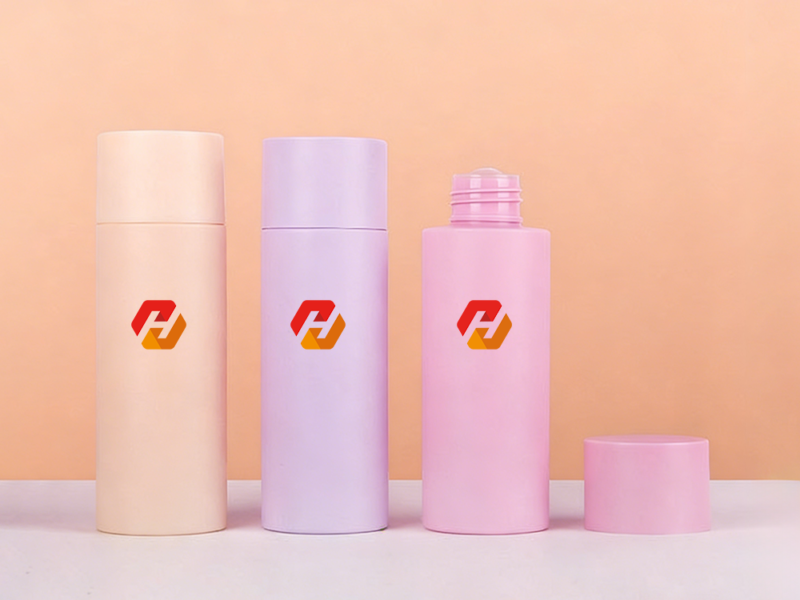
Packaging acts as the silent ambassador for your skincare brand. When sourcing a face wash bottle, you are not just buying plastic containers; you are investing in product stability and user experience. B2B buyers must navigate complex material specifications and manufacturing standards to ensure safety. A poor choice can lead to chemical leaching, pump failure, or brand damage. This guide examines the critical technical and commercial factors necessary for making an informed procurement decision.
Material Compatibility and Technical Specifications
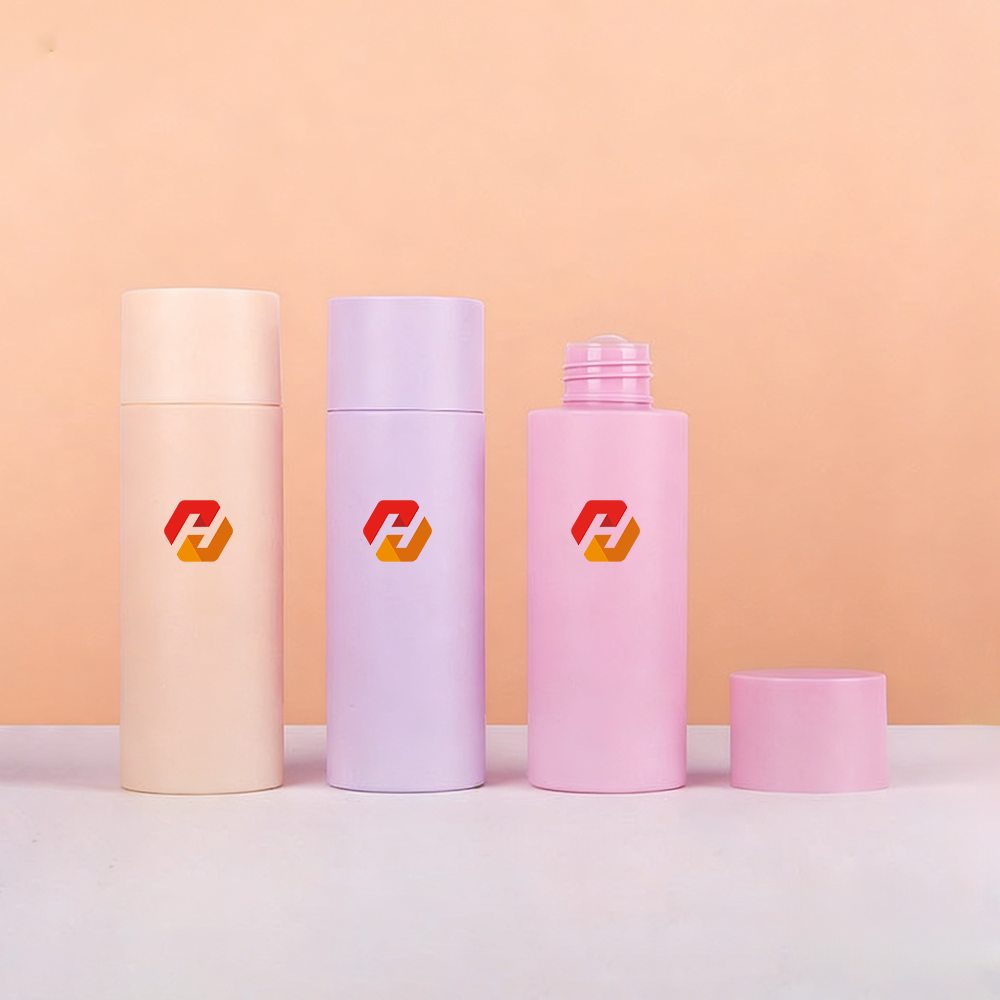
The most critical step in sourcing is selecting the correct resin. Not all plastics react well with active skincare ingredients. You must verify that the raw materials meet safety standards for cosmetic use.
Polyethylene Terephthalate (PET) is the industry standard for transparent packaging. According to the Plastics Industry Association, PET offers a high strength-to-weight ratio and excellent clarity. It allows consumers to see the texture of the product inside. It creates a premium look often desired for gel-based cleansers.
High-Density Polyethylene (HDPE) provides a different set of advantages. It is known for its high chemical resistance and matte finish potential. If your formula contains strong active ingredients or essential oils, HDPE is often the safer choice to prevent container degradation.
You must also consider sustainability trends in your material selection. Many brands now request Post-Consumer Recycled (PCR) plastics to meet environmental goals. However, utilizing PCR can slightly alter the color clarity of the bottle. Always test your formula against these recycled materials to ensure stability.
Regulations dictate that these materials must be safe for contact with the human body. References from the U.S. Food and Drug Administration (FDA) indicate that food-contact substances must not migrate into the product in harmful quantities. Always request material safety data sheets (MSDS) from your supplier to verify compliance.
Evaluating a Face Wash Bottle Manufacturer
Finding a reliable partner is as important as the product itself. When vetting a face wash bottle manufacturer, you must look beyond the price list. Manufacturing consistency is the true marker of quality.
A reputable face wash bottle factory in china often holds international certifications. The International Organization for Standardization (ISO) provides the ISO 9001 standard for quality management systems. A factory with this certification has demonstrated a consistent ability to provide products that meet customer and regulatory requirements.
You should also audit their quality control (QC) procedures regarding mold maintenance. Worn molds lead to inconsistent neck finishes, such as the common 24/410 standard. This manufacturing defect is the primary cause of pump leakage during transit. Ask potential suppliers about their mold replacement schedules and air-pressure testing protocols.
Communication efficiency is another vital evaluation metric. Your supplier must provide clear timelines for prototyping and mass production. A lack of transparency in the early stages often signals potential delays in delivery.
Navigating Face Wash Bottle Wholesale Economics
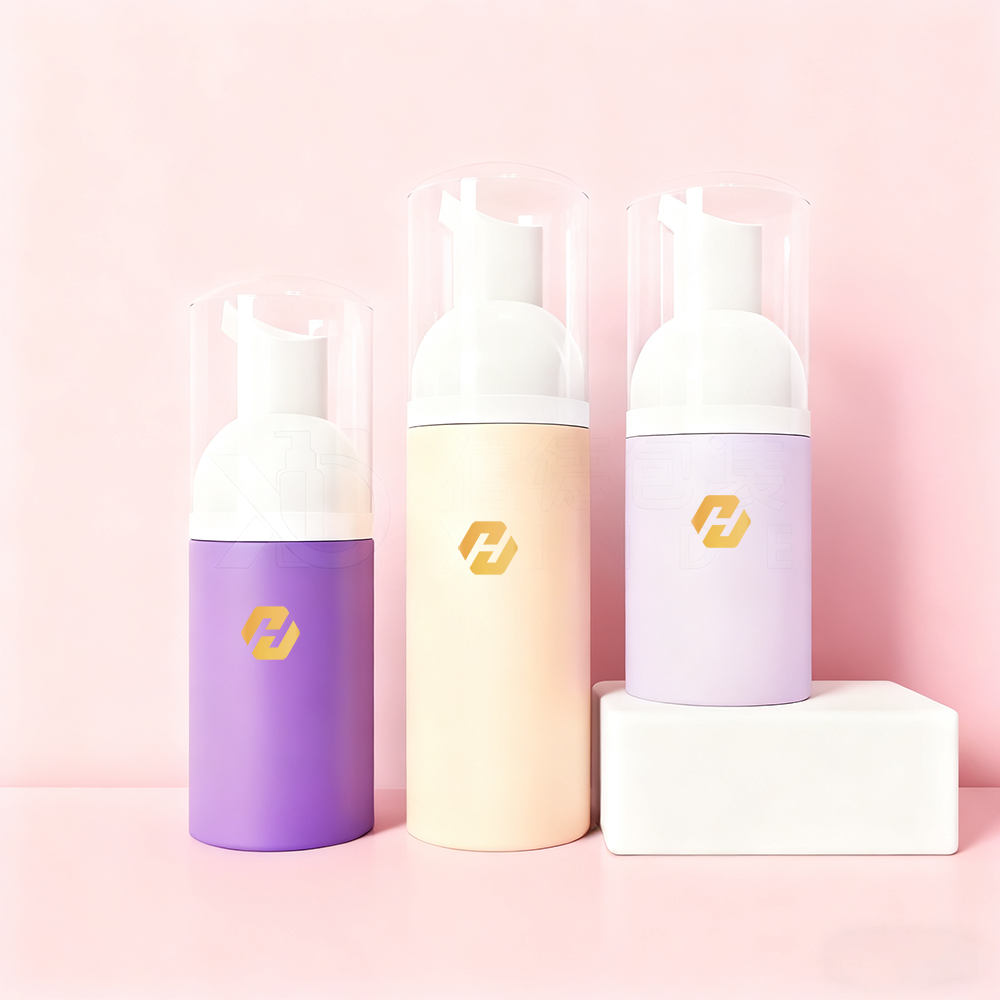
Understanding the cost structure of the face wash bottle wholesale market helps you negotiate better terms. The unit price is heavily influenced by the weight of the preform and the complexity of the decoration.
Minimum Order Quantity (MOQ) is the first hurdle for many growing brands. Custom colors usually require higher MOQs because the manufacturer must purge the injection molding machines. Standard clear or white bottles typically have lower thresholds, allowing for smaller initial runs.
Decoration costs also vary significantly based on your design choices. Silk screen printing is durable but costs more per color pass. Labeling is often cheaper for multi-colored designs but requires a seamless application surface. You must balance your aesthetic requirements with your budget constraints early in the negotiation process.
Logistics also play a huge role in the final landed cost. Shipping “air” inside empty bottles increases volume weight significantly. Discuss Incoterms like FOB (Free on Board) versus EXW (Ex Works) to understand your true liability.
Selecting the Right Dispensing Mechanism
The pump or cap is the most mechanical part of the package. A failure here renders the entire product useless. You must match the dispenser type to your formula’s viscosity.
Foaming pumps require a specific ratio of air to liquid to function correctly. If your formula is too thick, the mesh filter in the pump will clog. Conversely, standard lotion pumps work well for creams but require a precise spring stiffness to ensure smooth actuation.
Test the “suck-back” mechanism of the pump carefully. High-quality pumps prevent product from dripping after use. This feature is essential for maintaining a clean and hygienic user experience for the end consumer.
Criteria for Choosing Your Packaging Partner
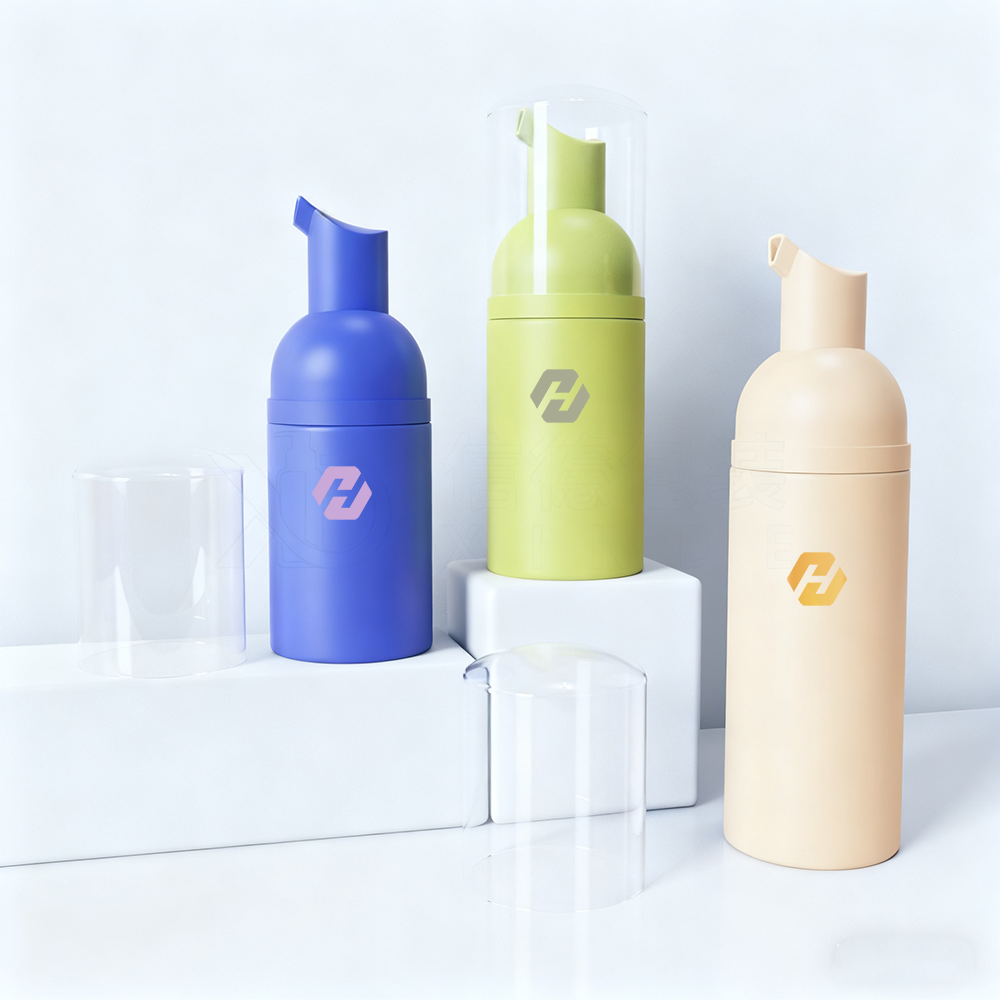
Selecting the right supplier involves balancing technical capability with logistical reliability. You need a partner who understands both the engineering of the pump and the aesthetics of the bottle.
Look for suppliers who offer modular solutions. This allows you to mix and match different pump styles with various bottle shapes. It provides flexibility without the cost of opening new custom molds.
Prioritize suppliers who provide physical samples before mass production. You must test the compatibility of your specific formula with the bottle material and pump mechanism in real-world conditions.
Conclusion
Sourcing the right face wash bottle requires a balance of material science and supply chain due diligence. You must prioritize chemical compatibility, verify manufacturer certifications, and test pump functionality. A strategic approach to these factors ensures your product remains safe and your brand reputation remains intact.
FAQ
Q1: What is the best material for a face wash bottle?
PET is best for transparency and aesthetic appeal, while HDPE is superior for chemical resistance and durability against potent ingredients.
Q2: How do I verify the quality of a face wash bottle factory in China?
Request their ISO 9001 certification and ask for detailed reports on their air-pressure leakage testing protocols.
Q3: What affects the cost of face wash bottle wholesale orders?
The primary cost drivers are the resin weight, the complexity of the decoration (printing vs. labeling), and the total order volume (MOQ).
Q4: Why do some face wash pumps clog or fail?
Failure often occurs when the formula viscosity does not match the pump mechanism, such as using a thick gel in a foaming pump.
Q5: What is the standard neck finish for face wash bottles?
Common neck finishes include 24/410 and 28/410, which determine the compatibility of the bottle with various pumps and caps.
Reference Sources
Plastics Industry Association – Resin Identification Codes and Material Properties
https://www.plasticsindustry.org
International Organization for Standardization (ISO) – ISO 9001:2015 Quality Management Systems