
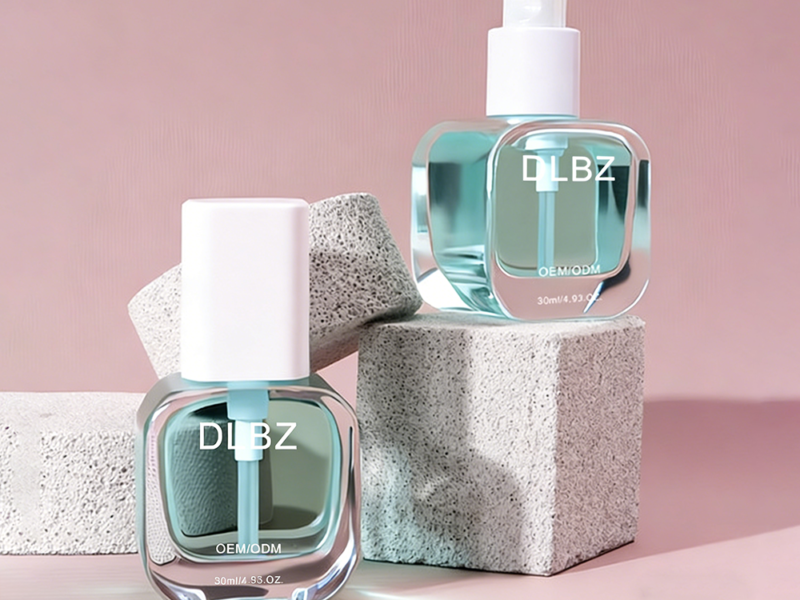
As a packaging procurement specialist, I understand that selecting the right container is critical for brand positioning. A glass perfume bottle serves as more than just a vessel; it is the physical embodiment of the fragrance inside. You are likely navigating the complex challenge of balancing aesthetic appeal with manufacturing durability and supply chain reliability. This guide analyzes the technical criteria necessary for vetting suppliers and ensuring your packaging meets global quality standards.
Evaluating Glass Perfume Bottles Wholesale for Quality
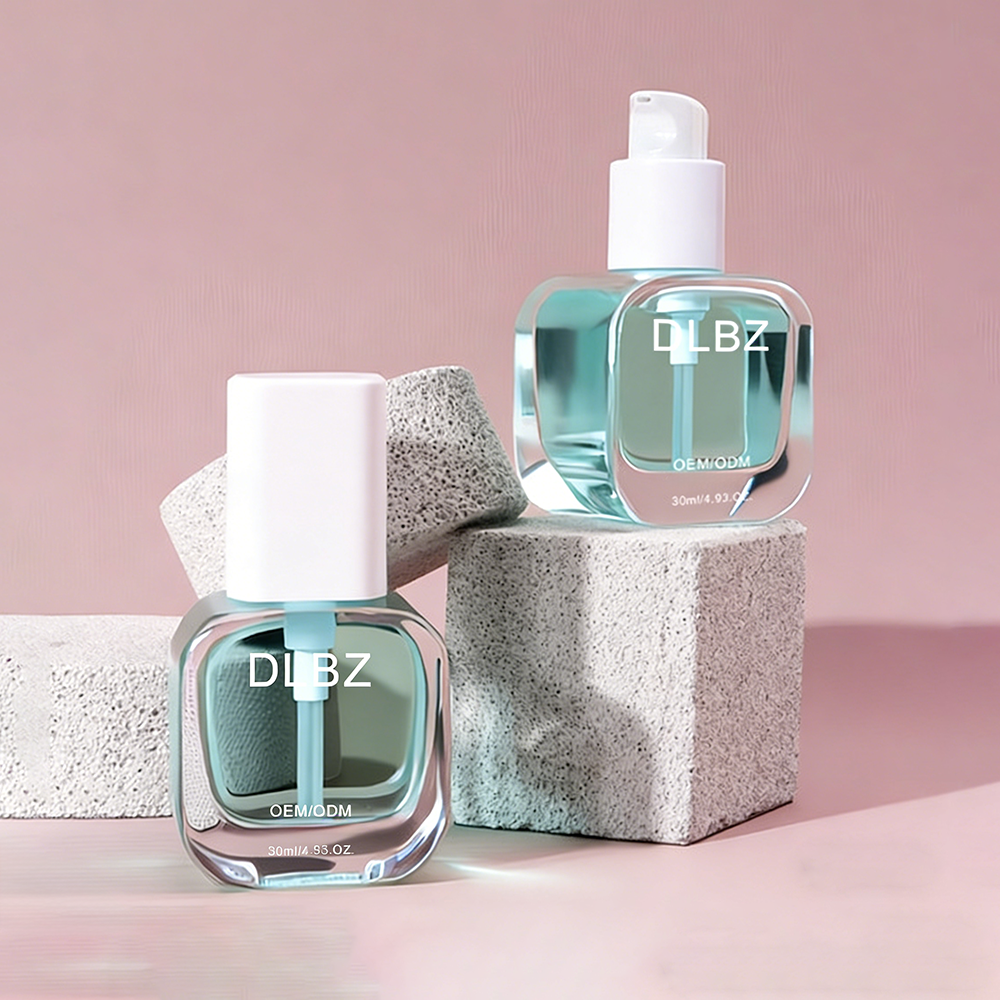
When you search for glass perfume bottles wholesale , the primary differentiator is the grade of the glass material. In the cosmetic industry, clarity determines the perceived value of the final product. We typically categorize glass into levels such as “flint,” “extra flint,” and “super flint.”
Super flint glass is the industry standard for high-end perfumery. It offers exceptional transparency and a refractive index that mimics crystal. According to the Glass Packaging Institute (GPI) , glass is the only widely used packaging material considered “GRAS” (Generally Recognized As Safe) by the FDA. This chemical inertness ensures the volatile essential oils in your perfume do not react with the container.
However, visual inspection is not enough. You must verify that the manufacturer controls the iron content in the sand mixture. High iron content leads to a greenish or bluish tint, which is unacceptable for luxury clear glass applications. Always request samples to compare clarity against a pure white background.
Technical Standards and Thermal Shock Resistance
A beautiful bottle must also be a durable one. During the filling and capping process, glass containers endure significant stress. Additionally, global shipping exposes cargo to rapid temperature fluctuations. This makes thermal shock resistance a non-negotiable metric.
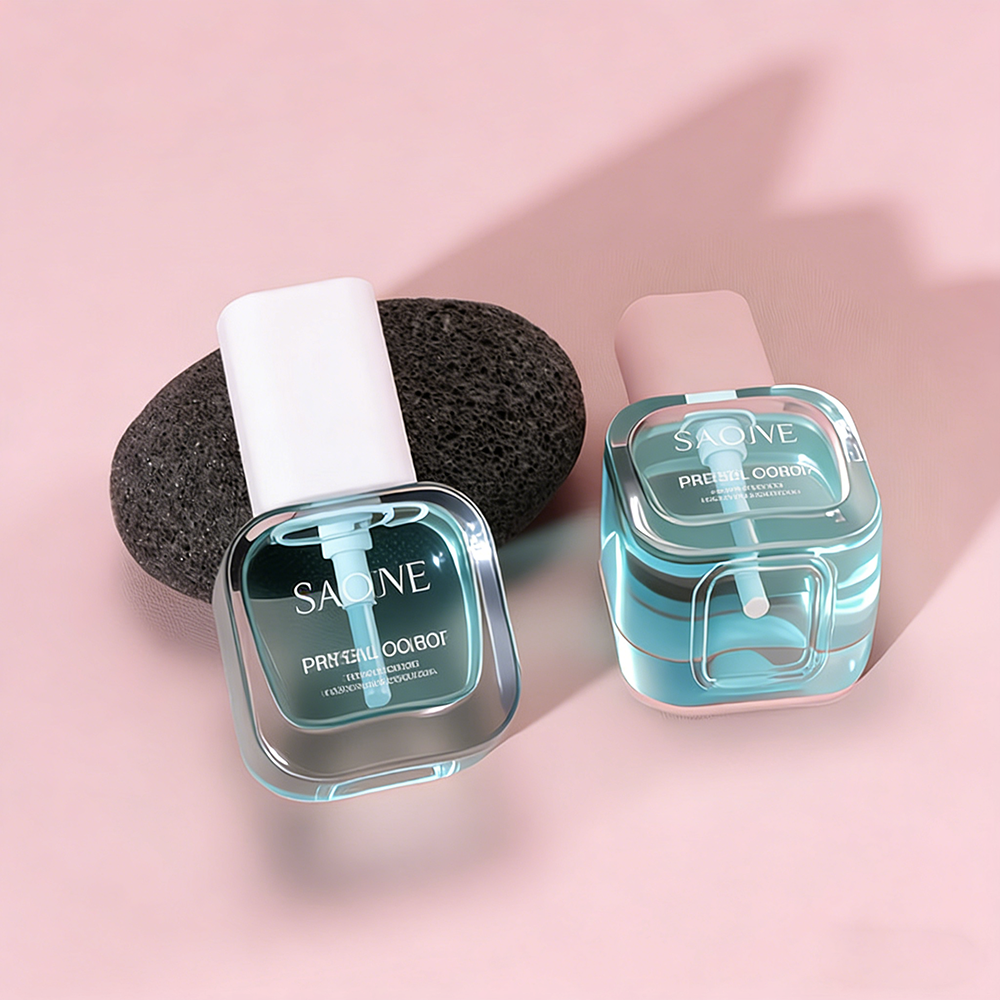
Referencing ISO 7459 standards helps you quantify this durability. This standard specifies the test methods for determining the thermal shock resistance of glass containers. A reliable glass perfume bottle should withstand sudden temperature changes of at least 42°C without cracking.
If a supplier cannot provide data on thermal endurance, you risk product loss during the filling stage. Ruptures on the assembly line cause expensive downtime and wasted fragrance concentrate. I always recommend asking for a Quality Assurance (QA) report that specifically references these ISO testing protocols before signing a contract.
Key Features When Finding a Glass Perfume Bottle for Sale
When investigating a glass perfume bottle for sale , you must look beyond the silhouette. The engineering of the “finish” (the neck of the bottle) dictates the functionality of the spray pump.
Common industry standards include the FEA 15 or FEA 20 crimp neck. Inconsistencies in the neck diameter by even a fraction of a millimeter can lead to leakage. The European Container Glass Federation (FEVE) emphasizes that precision in the glass forming process is vital for closure integrity.
Furthermore, consider the distribution of glass weight. A “heavy bottom” or thick base is a hallmark of luxury packaging. It lowers the center of gravity, making the bottle more stable on retail shelves. It also adds a tactile weight that consumers associate with premium pricing. When reviewing blueprints or 3D renderings, specifically measure the base thickness relative to the side walls to ensure symmetry.
Assessing Heavy-Wall Construction and Customization
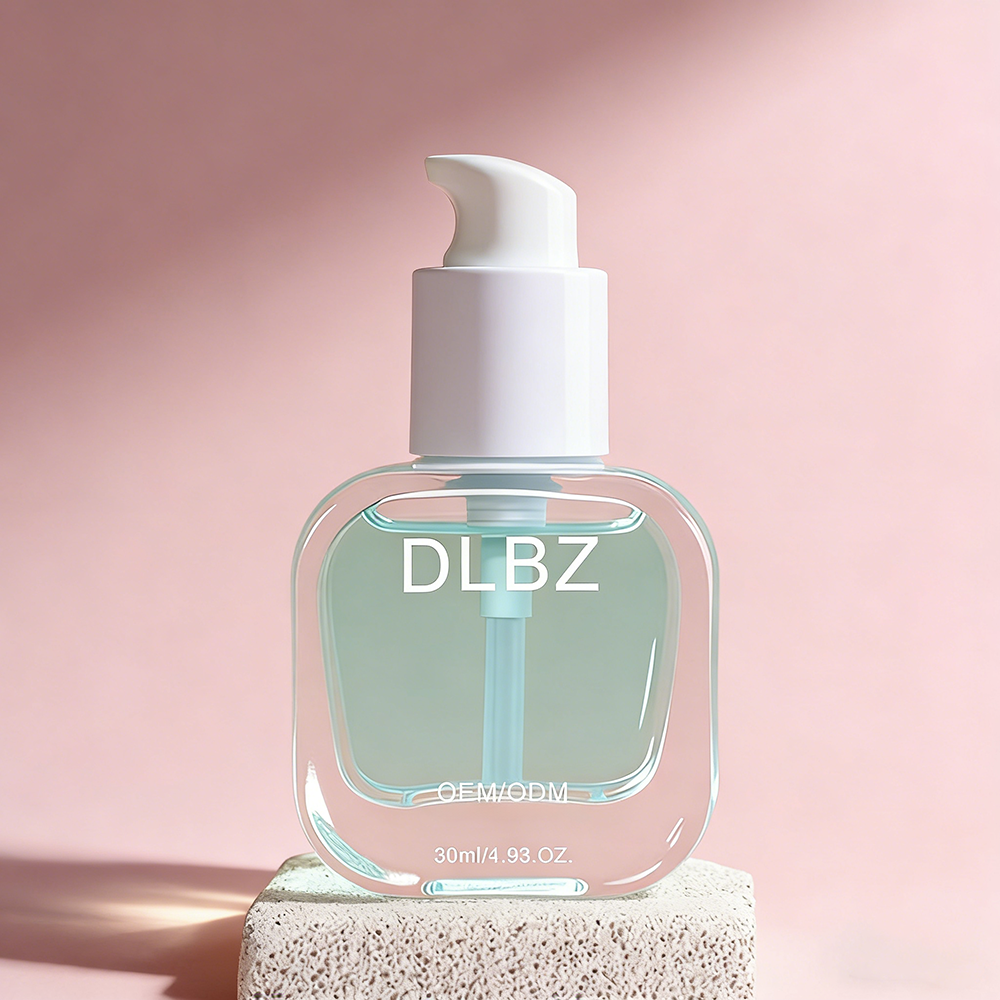
Choosing the right partner often involves evaluating their ability to produce heavy-wall glass for smaller capacities. Niche fragrances and high-concentration parfums often utilize 30ml formats.
You should assess whether the supplier can maintain optical clarity in thicker glass sections. Thicker glass is harder to cool evenly, which can lead to optical distortions if the manufacturing process is not precise.
How to verify manufacturing capability:
Check Wall Uniformity: Look for consistent thickness in the shoulders and base.
Examine the Punt: The internal curve at the bottom should be centered and smooth.
Review Heavy-Bottom Samples: Evaluate small-format bottles to see if they retain a premium feel despite their size.
For a practical example of heavy-wall construction in a 30ml format, you can review the specifications of this Glass Serum Bottle 30ml Wholesale OEM. Analyzing the dimensional drawings and clarity of such vessels provides a solid benchmark for what a capable manufacturer can achieve in premium glass packaging.
Summary
Sourcing the ideal glass perfume bottle requires a balance of aesthetic judgment and technical rigor. By strictly adhering to material standards like ISO 7459 and prioritizing “super flint” clarity, you protect your brand’s reputation. Your choice of packaging is the first interaction a customer has with your product; ensure it conveys the quality they expect.
FAQ
Q1: What is the difference between flint and super flint glass?
Flint glass is standard clear glass, while super flint is a premium grade with higher purity and brilliance, often used for luxury glass perfume bottles wholesale .
Q2: Why is ISO 7459 important for perfume bottles?
ISO 7459 measures thermal shock resistance, ensuring the bottle will not crack during filling or temperature changes during shipping.
Q3: Can I use a glass serum bottle for perfume?
Yes, many 30ml glass bottles designed for serums use the same high-quality glass and neck standards suitable for oils and perfumes.
Q4: What is the standard neck size for a glass perfume bottle?
The most common standards are FEA 15 and FEA 20, designed to fit standard crimp pumps securely to prevent leakage.
Reference Sources
Glass Packaging Institute (GPI)
Benefits of Glass Packaging
International Organization for Standardization (ISO)
ISO 7459:2004 Glass containers — Thermal shock resistance and thermal shock endurance — Test methods