
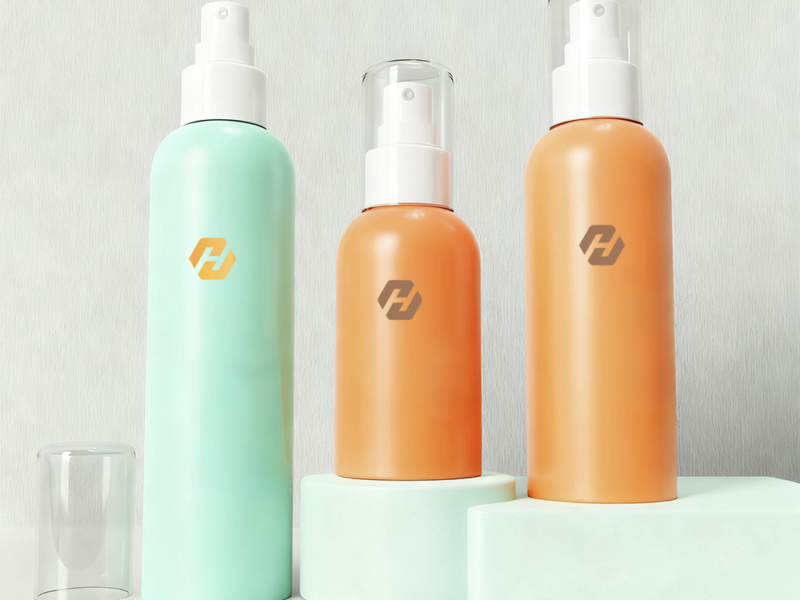
Sourcing a professional spray pump bottle requires an understanding of mechanical precision and material compatibility. For B2B buyers and product developers, the container is as important as the formula inside. A high-quality dispensing system ensures that the user receives a consistent dose with every application. Professional-grade empty pump spray bottles are engineered to prevent leaks and withstand the chemical stresses of active ingredients. This analysis focuses on the technical specifications that define premium packaging for the cosmetic and pharmaceutical sectors.
Technical Standards for the Best Pump Spray Bottle
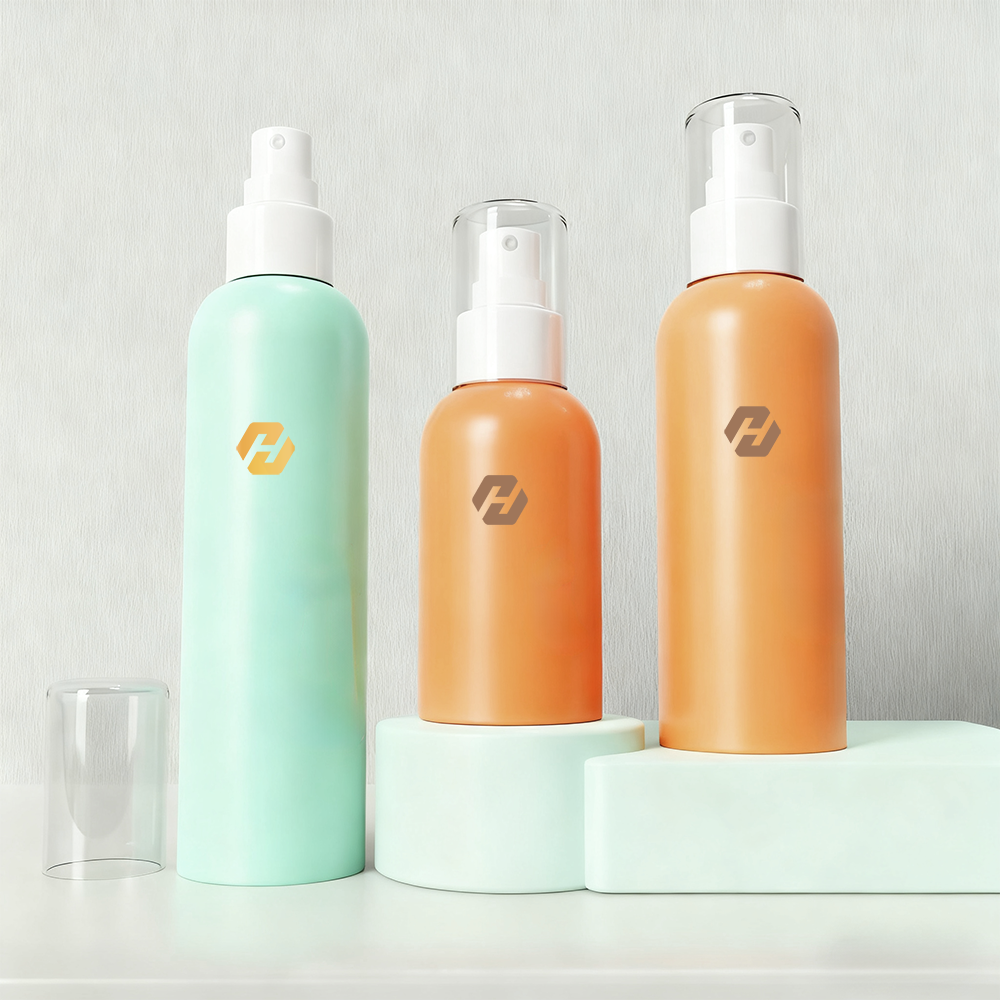
The best pump spray bottle must provide a precise discharge volume, typically ranging from 0.1cc to 0.25cc per stroke. This consistency is vital for products like facial toners or medicinal sprays where dosage matters. High-performance pumps utilize a specialized engine with a stainless steel spring for rapid “bounce back” action. Most professional units are tested to handle over 3,000 actuations without mechanical failure. This durability ensures the packaging lasts as long as the product volume allows.
Material density is a significant factor in the perceived quality of empty pump spray bottles. Professional PET (Polyethylene Terephthalate) bottles often feature a wall thickness of 1.0mm or greater to prevent deformation. These containers must pass vacuum leak tests at pressures of approximately 30 kPa for 30 minutes. This level of testing guarantees that the product will not leak during high-altitude shipping or temperature fluctuations. Furthermore, the internal dip tube must be cut to a precise “V” or “U” shape to reach the bottom corners.
Spray pattern quality distinguishes professional hardware from budget alternatives. A superior nozzle creates a fine mist with a particle size distribution between 50 and 90 microns. This fine atomization is essential for even coverage on the skin or surfaces. Professional spray pump bottle components are often designed with a “short-stroke” mechanism to reduce finger fatigue during extended use. These technical details directly influence consumer satisfaction and brand loyalty in competitive markets.
How to Prime a Spray Bottle Pump for Performance
Understanding how to prime a spray bottle pump is a fundamental requirement for quality control and customer service teams. Priming is the physical process of evacuating air from the pump chamber to create a vacuum. This vacuum pulls the liquid from the bottle up through the dip tube. Most professional-grade pumps require between 4 and 8 initial strokes to reach a full prime. If a pump fails to prime within 10 strokes, it usually indicates a loose connection or a compromised gasket.
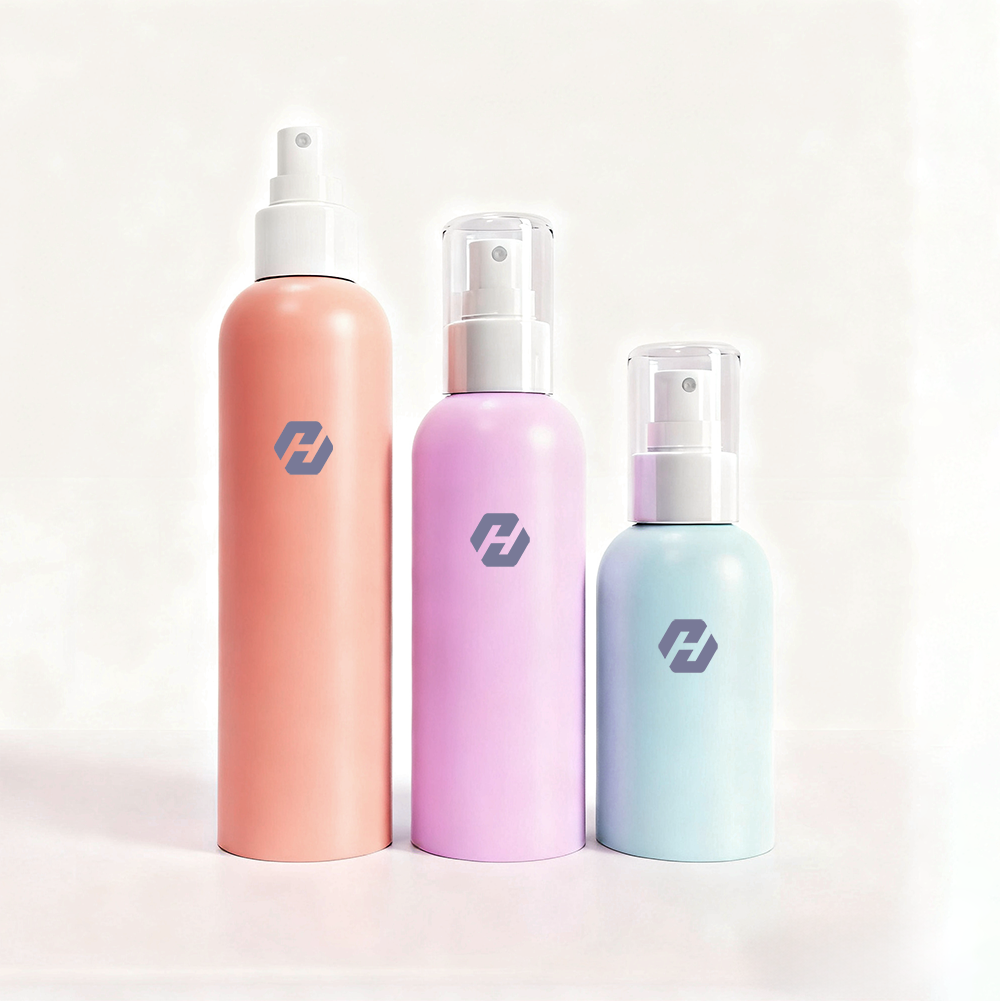
Environmental conditions can affect the efficiency of the priming process. Cold temperatures increase the viscosity of many liquids, making them harder to pull through the internal valves. If you encounter resistance, warming the bottle slightly can often resolve the issue. Professional users should also ensure the nozzle is not in a “locked” position if the pump features a twist-lock head. Empty pump spray bottles stored in dusty environments should be flushed with filtered water before the first use.
For high-viscosity products, priming may take longer due to the weight of the liquid. In these cases, it is helpful to press the pump slowly and allow it to return fully to the top position. This gives the liquid enough time to enter the chamber before the next compression. If the pump loses its prime during use, check the dip tube for cracks or air gaps. Maintaining a tight seal at the bottle neck is the most effective way to prevent losing the prime over time.
Collaborating with Custom Bottle Spray Pump Manufacturers
Working with experienced custom bottle spray pump manufacturers allows brands to tailor packaging to specific formula requirements. Professional manufacturers provide detailed technical drawings and material safety data sheets (MSDS) for every component. These facilities usually operate under ISO 9001 and ISO 14001 certifications to ensure consistent output. When sourcing, request samples to conduct compatibility tests with your specific chemical formulations. This prevents issues such as “crazing” or plastic degradation over long-term storage.
Customization goes beyond color and branding to include functional modifications. You can specify different orifice sizes in the nozzle to adjust the spray angle from narrow to wide. Professional custom bottle spray pump manufacturers also offer various closure sizes, such as 18/410, 20/410, or 24/410, to match your bottle neck. They can also provide “over-caps” that protect the pump from accidental discharge during transit. These features are critical for products sold in retail environments or used in professional travel kits.
Sustainability is now a primary focus for most custom bottle spray pump manufacturers. Many now offer PCR (Post-Consumer Recycled) PET options that maintain the same clarity and strength as virgin plastic. Ask your manufacturer for their “sustainability portfolio” to see how they reduce carbon footprints during production. Choosing a manufacturer that offers both the bottle and the pump as a set can reduce logistics costs and ensure a perfect fit. Always verify that the manufacturer conducts 100% automated inspection on the pump engines before shipping.
Identifying Quality in Empty Water Toner Spray Bottles
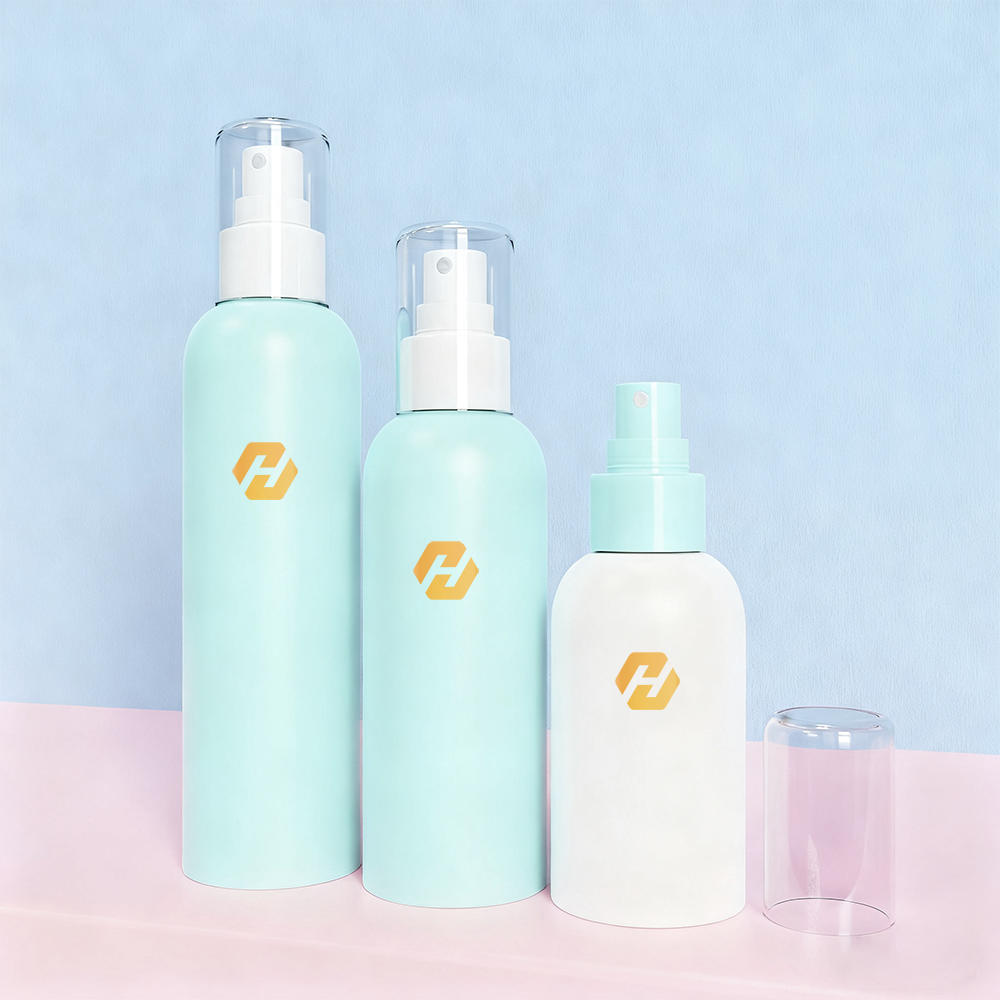
When selecting a container like the Empty Water Toner Spray Bottles, focus on the transparency and the seal integrity. A high-clarity bottle allows the end-user to monitor product usage and enhances the visual appeal of the liquid. The neck finish must be smooth and free of burrs to ensure the pump gasket seats perfectly. For professional applications, a screw-on pump is often preferred over a crimp-on style for easier recycling and refilling. These containers are specifically designed to handle thin, watery liquids without dripping or “spitting.”
The ergonomics of the bottle shape play a role in how the professional user interacts with the product. A slender, cylindrical design is easier to grip and fits well in standard professional holsters or salon stations. Furthermore, look for empty pump spray bottles that utilize a “no-metal contact” path if your formula is sensitive to oxidation. This means the liquid never touches the internal metal spring, preserving the purity of high-end skincare products. By prioritizing these structural features, you ensure the packaging supports the brand’s professional image.
Summary
The acquisition of a high-quality spray pump bottle depends on verifying technical specs like discharge volume and vacuum resistance. Professionals must understand how to prime a spray bottle pump and select empty pump spray bottles that match their formula’s viscosity. Partnering with certified custom bottle spray pump manufacturers ensures that the packaging meets rigorous safety and performance standards. Choosing the right components is essential for maintaining product efficacy and delivering a premium experience.
FAQ
Q:What material is best for an empty pump spray bottle?
PET plastic is generally considered the best material for professional use. It offers high clarity, excellent chemical resistance, and is fully recyclable.
Q:How many times should I pump to prime a new bottle?
Most professional pumps require 4 to 8 strokes to remove air from the system. If the liquid is thick, it may require up to 12 strokes.
Q:Can custom bottle spray pump manufacturers match my brand color?
Yes, most manufacturers can produce pumps and bottles in custom Pantone colors. This usually requires a minimum order quantity (MOQ) of 5,000 to 10,000 units.
Q:What causes a spray pump to leak at the neck?
Leaking at the neck is usually caused by an incompatible thread size or a missing gasket. Ensure the bottle neck finish (e.g., 20/410) matches the pump closure exactly.
Q:How do I clean a clogged spray nozzle?
Soak the pump in warm, soapy water and actuate it several times to clear the internal path. Avoid using needles or pins, as these can damage the precision-engineered orifice.
Reference Sources
ASTM International: Standard Test Methods for Container Leakage
https://www.astm.org/
The Association of Plastic Recyclers: PET Packaging Design Guidance
https://plasticsrecycling.org/
Cosmetics Europe: The Personal Care Association Standards
https://www.cosmeticseurope.eu/