
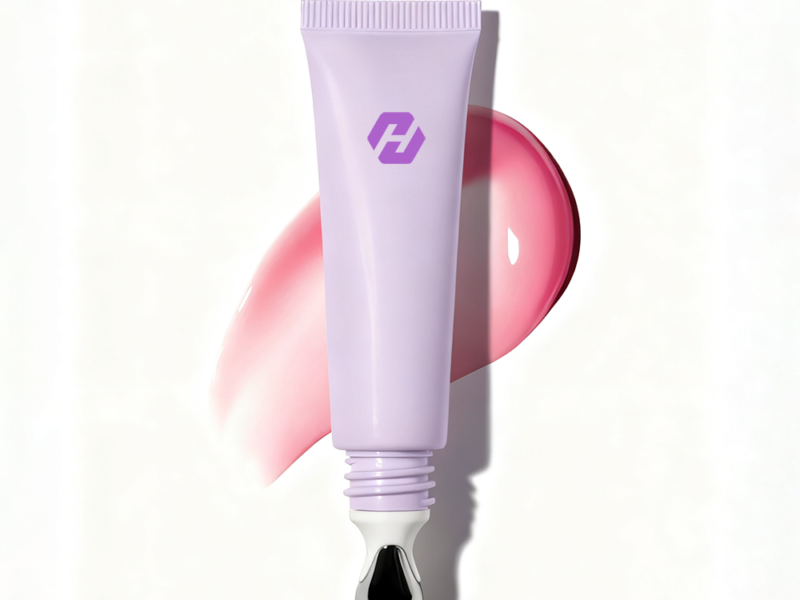
Sourcing the right packaging is critical for cosmetic brand success. I know that finding reliable lip gloss tubes involves more than just aesthetics; it requires a deep understanding of material safety and functionality. As a B2B buyer, you must navigate regulatory standards while ensuring the product appeals to the end consumer. This guide provides a professional framework for evaluating packaging partners. We will explore how to select containers that protect your formula and elevate your brand identity.
Ensuring Material Compliance and Safety Standards
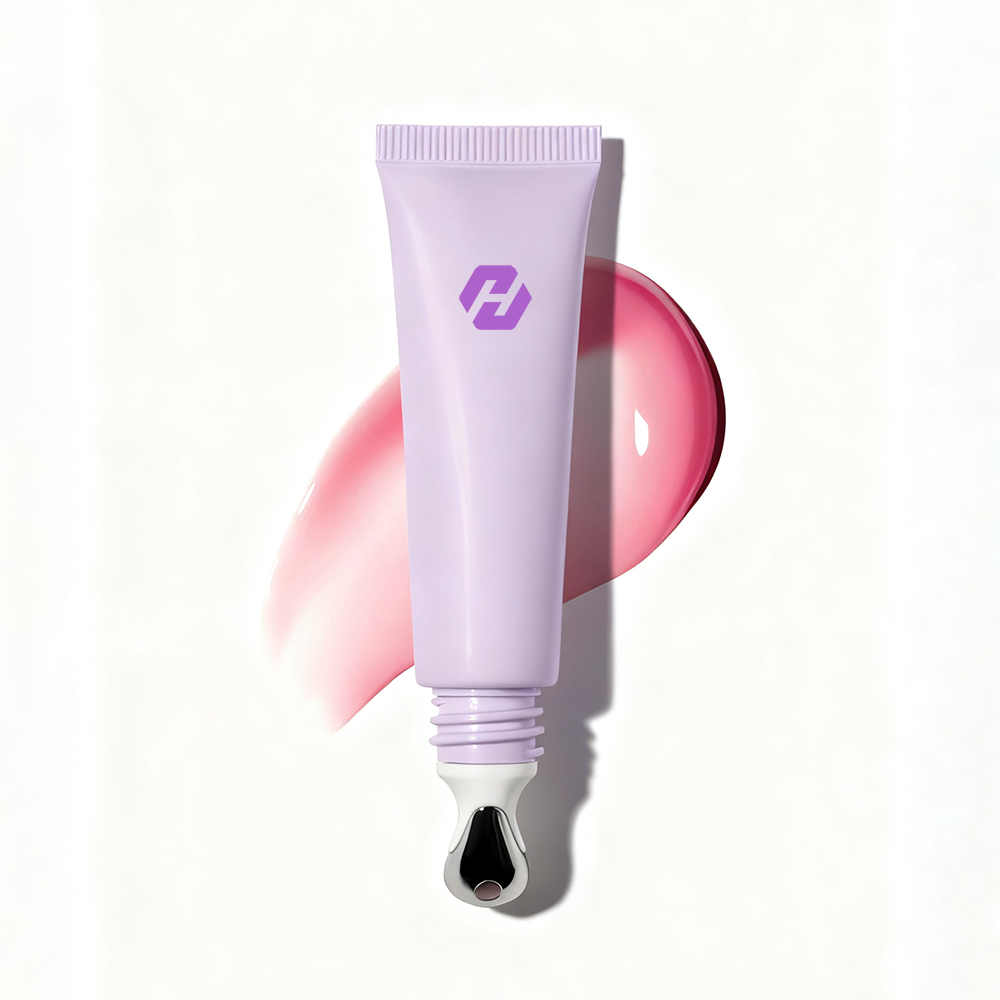
The most critical factor in selecting lip gloss tubes is the chemical compatibility of the material. Your packaging must not react with the cosmetic formula it holds. According to the U.S. Food and Drug Administration (FDA), packaging materials must protect the product against contamination and spoilage.
Common materials include PE (Polyethylene) and PP (Polypropylene). These plastics are widely accepted for their stability. However, you must verify that your supplier adheres to Good Manufacturing Practices (GMP).
Failure to verify material safety can lead to product degradation. It may also result in costly recalls or regulatory fines. Always request material safety data sheets (MSDS) before finalizing a bulk order.
Why Lip Gloss Squeeze Tubes Offer Superior Functionality
Lip gloss squeeze tubes are a preferred choice for many brands due to their versatility. Unlike rigid containers, squeeze tubes allow the consumer to extract nearly all the product. This reduces waste and improves user satisfaction.
From a manufacturing perspective, squeeze tubes offer variable barrier properties. You can choose between Mono-layer, 2-layer, or 5-layer (EVOH) structures. The International Organization for Standardization (ISO) outlines specific standards (ISO 22715) for packaging designed to handle various viscosities.
Multi-layer tubes prevent oxidation and preserve volatile ingredients. This is essential for formulas containing active ingredients or natural oils. Choosing the right layer structure extends the shelf life of your cosmetic product.
Maximizing Brand Impact with Custom Lip Gloss Tubes
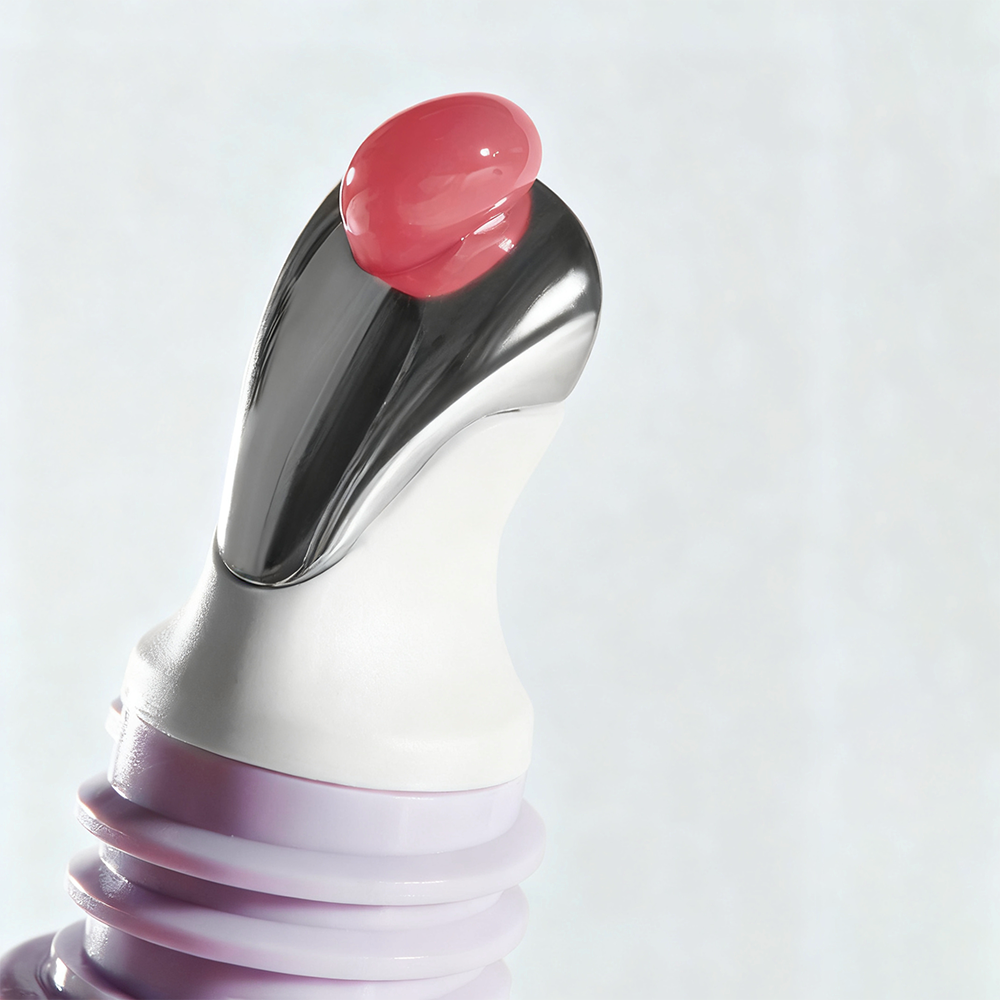
In a crowded market, custom lip gloss tubes serve as a primary differentiator. B2B buyers should look for suppliers who offer diverse decoration technologies. Standard options include offset printing, silkscreen printing, and hot stamping.
For example, a specific pink lip gloss tube might require Pantone matching to align with your brand guidelines. Accurate color reproduction is vital for maintaining brand consistency across different product lines.
Advanced customization also includes the applicator tip. Options range from slanted tips for direct application to roller balls. The choice of applicator must match the viscosity of the gloss to prevent leakage or clogging.
Evaluating Eco-Friendly Packaging Solutions
Sustainability is no longer optional in the beauty industry. The Association of Plastic Recyclers (APR) provides guidelines on design for recyclability. Buyers are increasingly shifting toward Post-Consumer Recycled (PCR) plastics or sugarcane-derived bio-plastics.
Using PCR materials reduces the reliance on virgin fossil fuels. However, you must ensure the recycled content does not compromise the tube’s integrity. High-quality lip gloss squeeze tubes can incorporate PCR while maintaining a premium feel.
Sugarcane PE is another viable option. It mimics the properties of standard polyethylene but is carbon negative. Selecting these materials demonstrates a commitment to environmental responsibility without sacrificing performance.
How to Select the Right Supplier for Your Needs
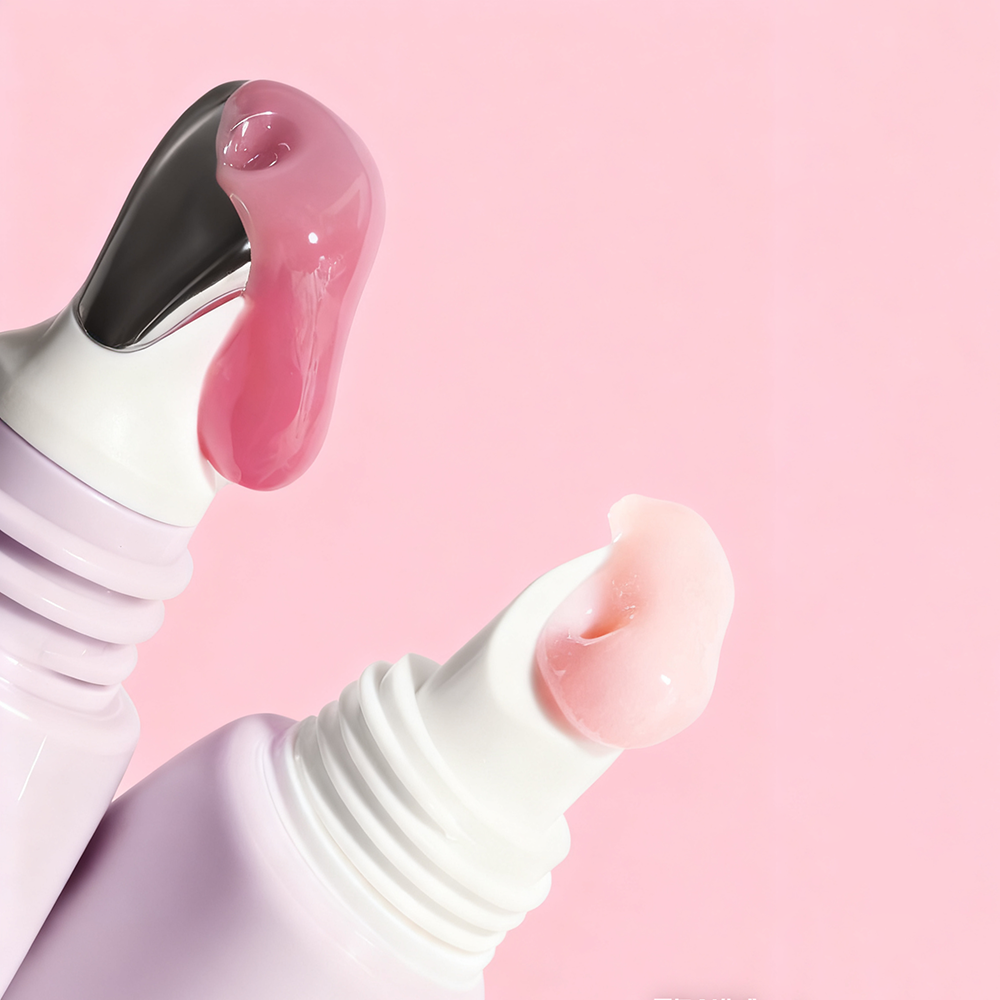
Choosing a manufacturing partner requires balancing cost, quality, and sustainability. You need a supplier that understands the technical nuances of lip gloss tubes.
Key Criteria for Evaluation:
- Material Certification: Can they prove their materials are food-grade or cosmetic-grade?
- Customization Capabilities: Do they offer the specific specific custom lip gloss tubes your design team requires?
- Eco-Friendly Options: Are they transparent about the percentage of PCR or bio-material used?
For brands prioritizing green solutions, specialized suppliers can offer distinct advantages. For instance, Hyrun Packaging provides specific solutions for lip gloss squeeze tube containers that focus on eco-friendly materials like sugarcane and PCR.
When reviewing a supplier like this, check if their production capabilities align with your volume needs. A partner who specializes in eco-friendly extrusion can often guide you through the transition from traditional plastics. This ensures your move to sustainable packaging is seamless and compliant.
Summary
Selecting the right lip gloss tubes requires a strategic approach to safety, functionality, and design. You must prioritize material compliance to meet FDA standards and consider the user benefits of lip gloss squeeze tubes. Whether you need a unique pink lip gloss tube or a sustainable solution, custom lip gloss tubes are essential for brand differentiation.
FAQ
Q: What is the best material for lip gloss squeeze tubes?
A: LDPE (Low-Density Polyethylene) is often preferred for its flexibility and squeezability, while EVOH layers are added for barrier protection against oxidation.
Q: How do I ensure my custom lip gloss tubes are sustainable?
A: Look for suppliers offering PCR (Post-Consumer Recycled) content or Sugarcane PE, and verify their claims against standards from organizations like the Association of Plastic Recyclers.
Q: Can I get a specific color like a pink lip gloss tube matched exactly?
A: Yes, professional manufacturers use the Pantone Matching System (PMS) to ensure the tube color matches your specific brand requirements exactly.
Q: What is the minimum order quantity (MOQ) for custom tubes?
A: MOQs vary by manufacturer but typically range from 5,000 to 10,000 units for fully custom printed tubes.
Q: Why are multi-layer tubes important for lip gloss?
A: Multi-layer tubes (such as 5-layer EVOH) prevent air from entering the tube and volatile ingredients from escaping, effectively extending the product’s shelf life.
Reference Sources
U.S. Food and Drug Administration (FDA) – Cosmetics & U.S. Law
https://www.fda.gov
The Association of Plastic Recyclers (APR) – APR Design® Guide for Plastics Recyclability
https://plasticsrecycling.org