
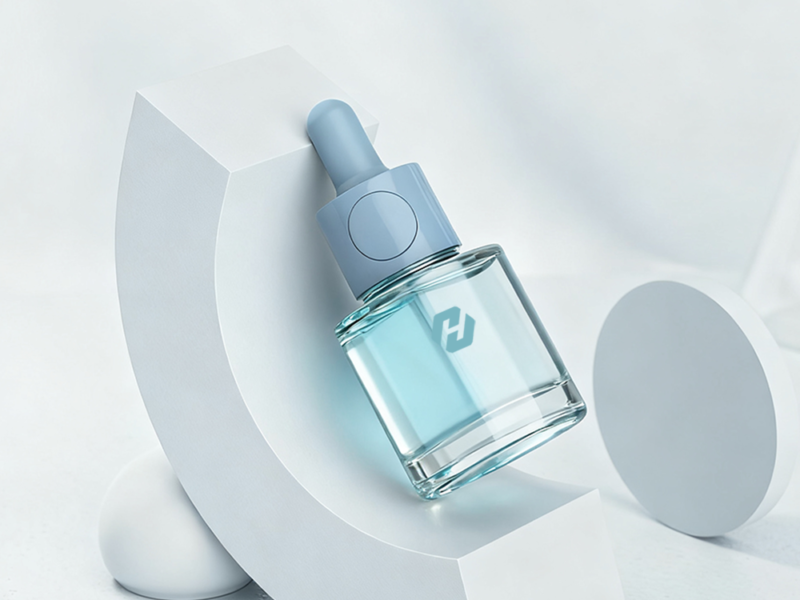
When you are tasked with sourcing packaging for essential oils or serums, the search for dropper bottles glass wholesale is about more than just finding a supplier. It is about securing the integrity of your formulation. I have found that slight variations in glass composition or neck finish can lead to product oxidation and leakage. This guide focuses on the technical criteria you need to evaluate, specifically for the industry-standard 1 oz glass dropper bottles.
Understanding Glass Material Grades
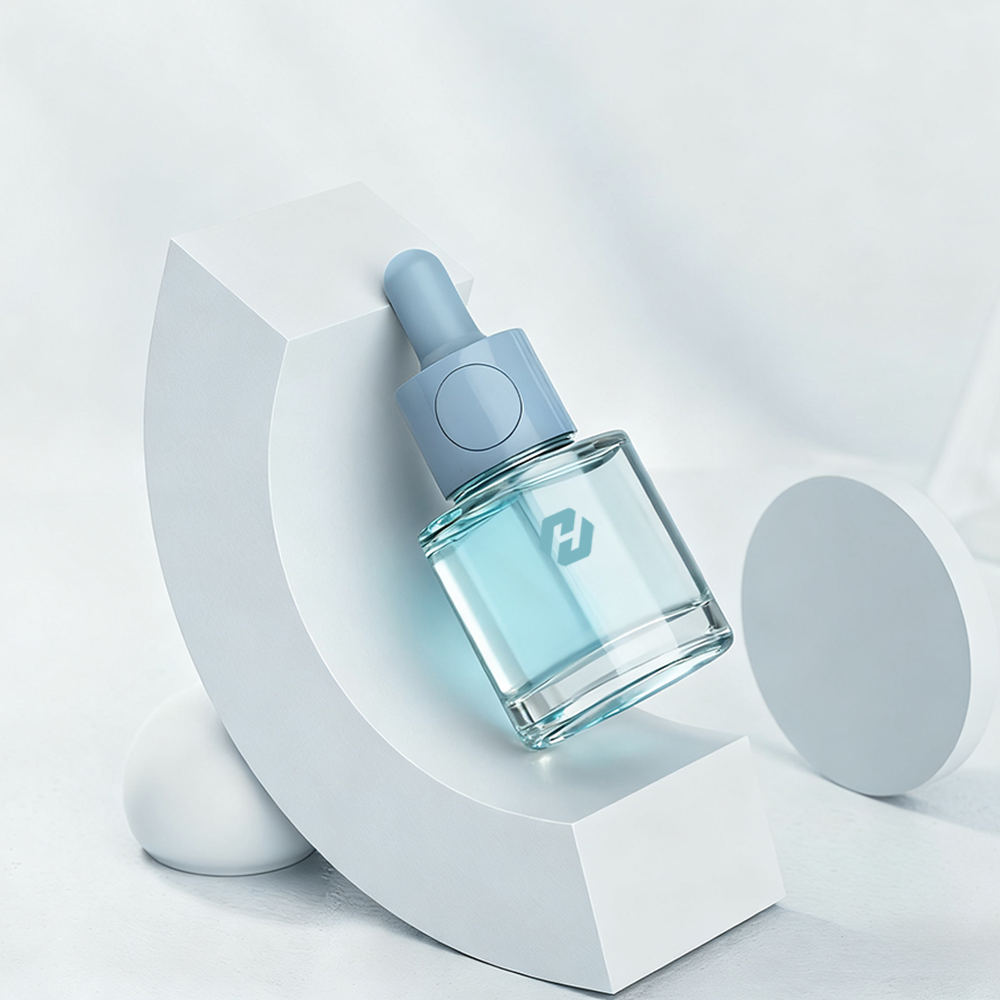
In my experience analyzing packaging defects, the root cause is often the glass type itself. When purchasing dropper bottles glass wholesale, you must confirm if the manufacturer uses Type III Soda-Lime glass or Type I Borosilicate glass.
For the majority of cosmetic and pharmaceutical applications, Type III glass is the standard. According to the United States Pharmacopeia (USP), Type III glass has sufficient chemical resistance for storing anhydrous liquids and oils. It is the material you will most commonly encounter in the wholesale market.
However, you must ensure the glass has passed hydrolytic resistance testing. This confirms that alkali from the glass will not leach into your product, which could alter the pH of your serum. I always advise requesting a certificate of analysis (COA) that explicitly states compliance with USP or Ph. Eur. standards before placing a bulk order.
The Science Behind 1 oz Blue Glass Dropper Bottles
You have likely noticed the prevalence of colored glass in the market. 1 oz blue glass dropper bottles (often Cobalt Blue) provide a critical functional benefit: actinic ray protection. This is not just for branding; it is a stability requirement for light-sensitive ingredients.
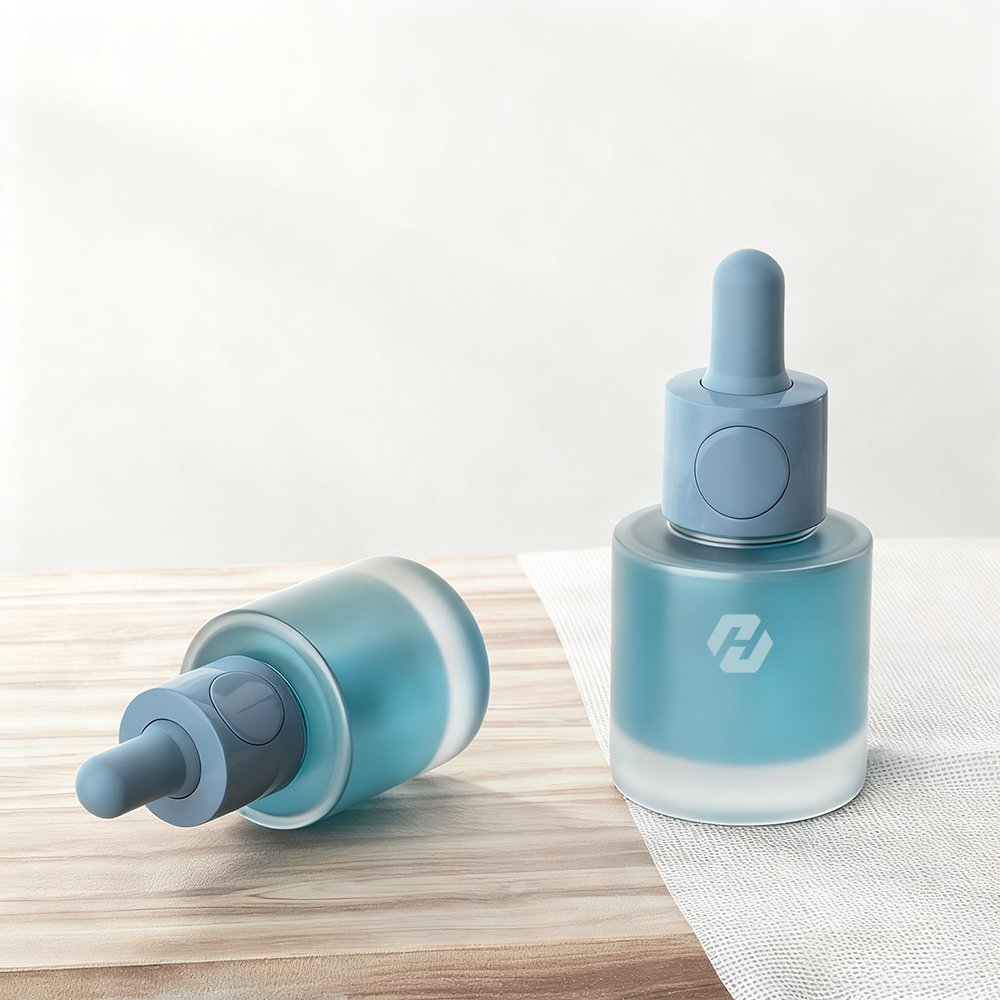
UV light can accelerate the degradation of photosensitive compounds like Vitamin C or Retinol. The Glass Packaging Institute (GPI) notes that colored glass filters specific wavelengths of light. While amber glass offers the highest protection, cobalt blue provides a significant barrier compared to flint (clear) glass.
A critical sourcing detail I recommend checking is whether the glass is “colored in the melt” or “sprayed.” True cobalt blue glass has the color integrated during the melting process. Sprayed glass can scratch, losing its protective barrier. For professional B2B sourcing, always insist on melt-colored glass to ensure consistent protection throughout the product’s shelf life.
Why the 1 oz Size is the B2B Sweet Spot
The 1 oz glass dropper bottles (30ml) dominate the personal care market for a reason. From a cost perspective, this size optimizes shipping weight versus product value.
In terms of production, the 1 oz bottle typically uses a standardized 20/400 neck finish. This is a massive advantage for you. It means you are not locked into a single supplier for caps or droppers. You can source pipettes from one vendor and bottles from another if necessary, mitigating supply chain risks.
However, “standard” does not mean identical. Tolerances vary between manufacturers. A 20/400 finish from one factory might have a slightly different “T” dimension (thread diameter) than another. I have seen production lines halted because a new batch of bottles didn’t fit the existing capping chucks perfectly. Always test your closure compatibility with samples from the specific wholesale lot you intend to buy.
Evaluating Supplier Specifications
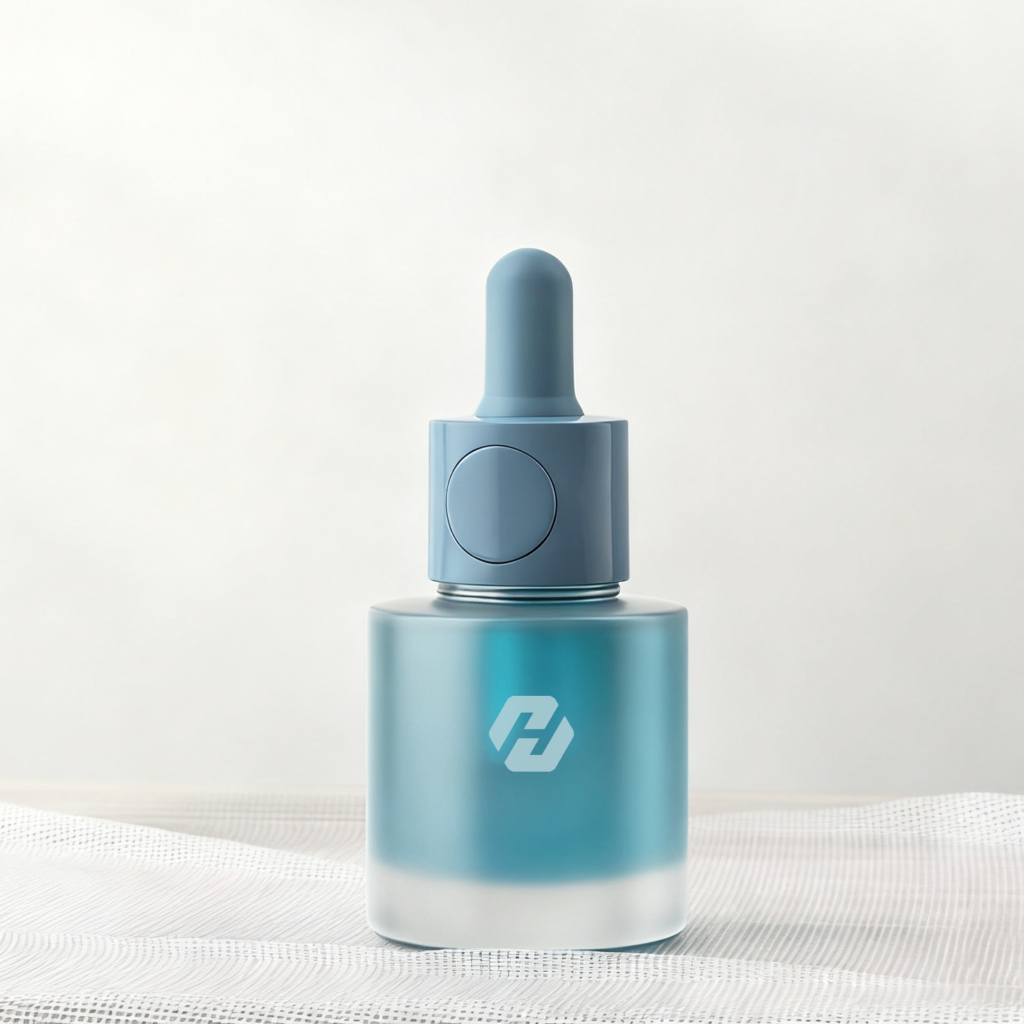
When you are ready to finalize a dropper bottles glass wholesale order, you need to look beyond the price per unit. You must evaluate the physical robustness of the container. A key metric is the vertical load resistance—how much pressure the bottle can take during the capping process.
Poorly manufactured bottles often have uneven wall thickness, known as a “wedge bottom.” This creates weak points that shatter under pressure. I recommend cutting a sample bottle in half to visually inspect the wall uniformity.
If you are looking for a benchmark of what professional specifications look like, you can examine the details provided by specialized suppliers. For instance, Hyrunpkg offers 1 oz blue glass dropper bottles that demonstrate the standard neck finishes and color consistency required for commercial use. Checking their product parameters can give you a solid baseline for what to expect from high-quality wholesale glass. Using such clear examples helps you define the acceptance criteria for your own quality control protocols.
Conclusion
Sourcing dropper bottles glass wholesale effectively demands a focus on material science and dimensional accuracy. By prioritizing true cobalt 1 oz blue glass dropper bottles and verifying Type III glass standards, you ensure your product remains safe and effective. Proper due diligence on neck finishes will save you from costly production failures down the line.
FAQ
Q1: What is the best glass type for essential oil dropper bottles?
Type III Soda-Lime glass is the industry standard for essential oils as it offers excellent chemical resistance and value.
Q2: Why should I choose 1 oz blue glass dropper bottles over clear ones?
Blue glass provides UV protection that prevents light-sensitive ingredients from degrading, whereas clear glass offers no such protection.
Q3: What does the 20/400 neck finish mean for 1 oz bottles?
It refers to a specific screw thread standard: 20mm outer diameter with a thread style of 400 (one turn), ensuring compatibility with standard droppers.
Q4: How can I tell if the blue glass is painted or solid color?
Scratch the surface with a sharp object; if the color comes off, it is painted. True cobalt glass is blue throughout the material.
Q5: Are wholesale glass dropper bottles sterilized?
Typically, wholesale bottles are “clean packed” but not sterilized. You usually need to wash or sterilize them before filling, depending on your product.
Reference Sources
United States Pharmacopeia (USP)
USP <660> Containers – Glass
https://www.usp.org/
Glass Packaging Institute (GPI)
Glass Container Standards & Categories
https://www.gpi.org/
U.S. Food and Drug Administration (FDA)
Guidance for Industry: Container and Closure System Integrity
https://www.fda.gov/