
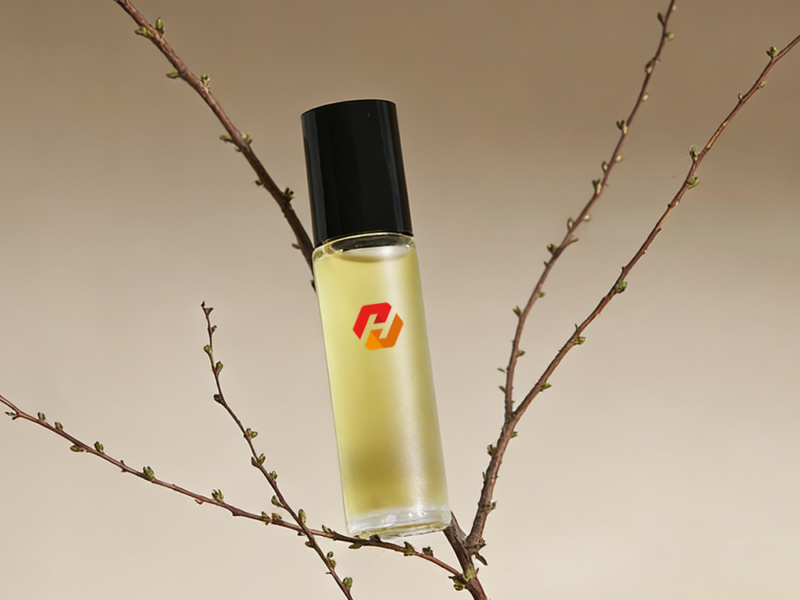
Sourcing packaging for liquid cosmetics requires precision. As a procurement manager or brand owner, you know that glass roll on bottles are more than just containers. They are the delivery system for your product. A single leaking bottle can ruin a customer’s experience and damage your brand reputation. This guide explores the technical criteria necessary for selecting high-performance roller packaging.
Why Glass Integrity Matters for Essential Oils
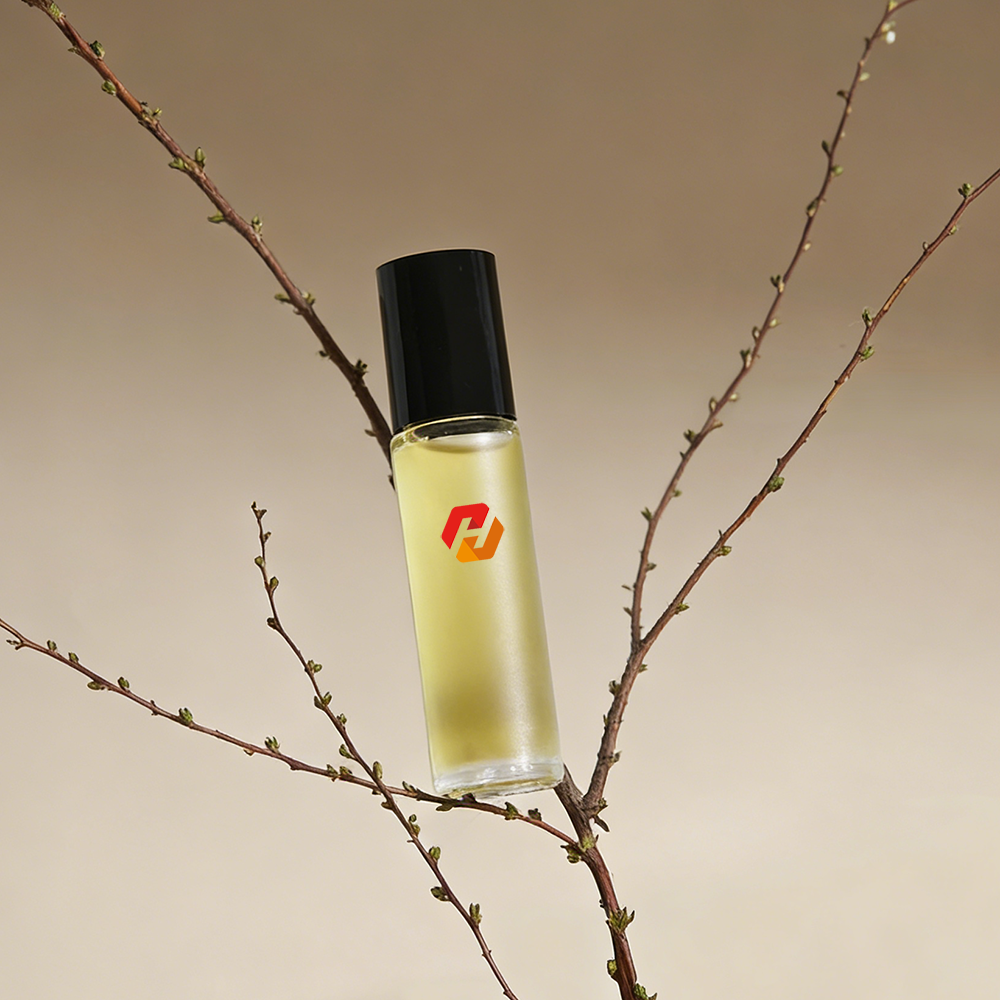
Not all glass is created equal. When sourcing glass roll on bottles for essential oils, you must prioritize hydrolytic resistance. This property determines how well the glass resists water leaching alkali ions.
According to the International Organization for Standardization (ISO), glass is classified by its chemical resistance. Type I borosilicate glass offers the highest resistance. It is ideal for potent, undiluted essential oils that might interact with standard soda-lime glass.
Clear glass roll on bottles are popular for displaying product purity. However, they lack natural UV protection. If your formulation is photosensitive, you must verify if the manufacturer applies UV-blocking coatings. For wholesale glass roll on bottles, always request data sheets confirming the glass type classification (Type I, II, or III).
Evaluating Roller Fitments and Leakage Risks
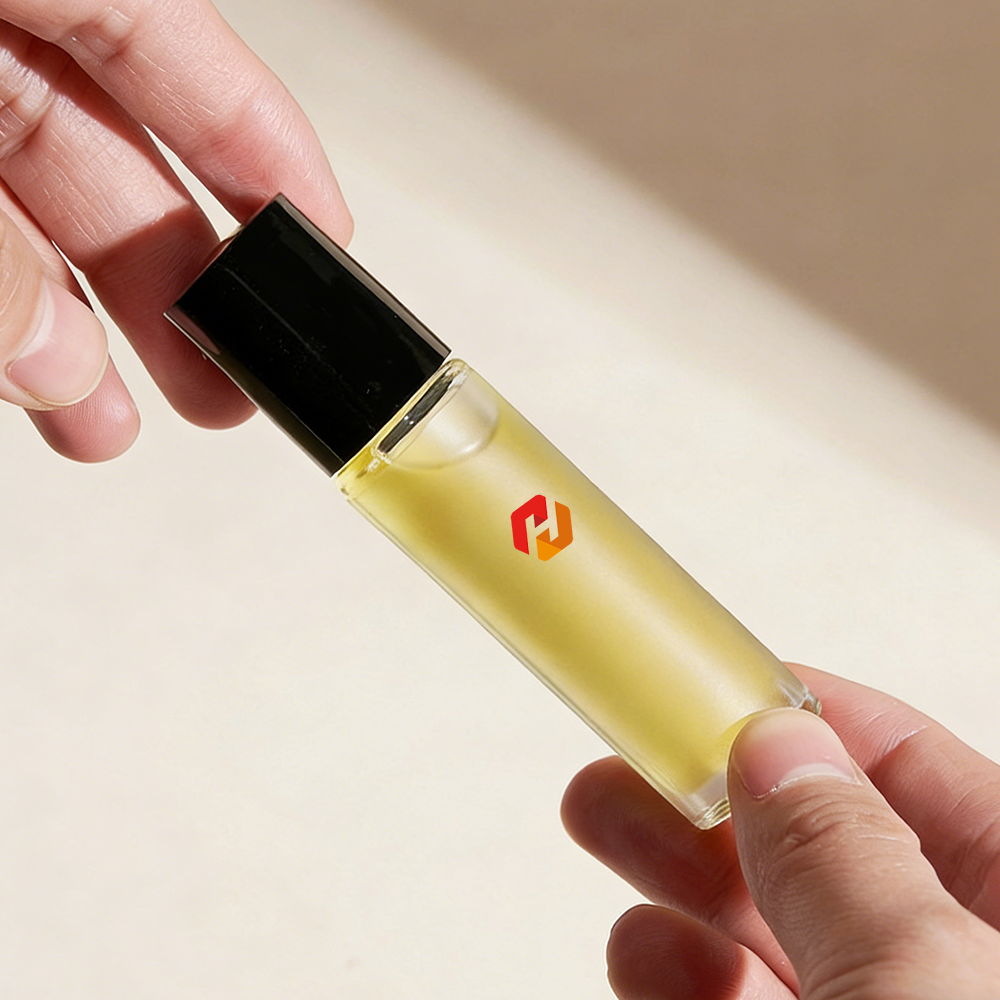
The most critical component of this packaging is the roller ball fitment. A bottle is useless if the ball does not rotate smoothly or if the housing allows leakage.
High-quality fitments rely on precise tolerances between the ball and the housing. The American Society for Testing and Materials (ASTM) outlines standard test methods for determining leakage in packaging. You should ask suppliers if their fitments undergo vacuum decay testing.
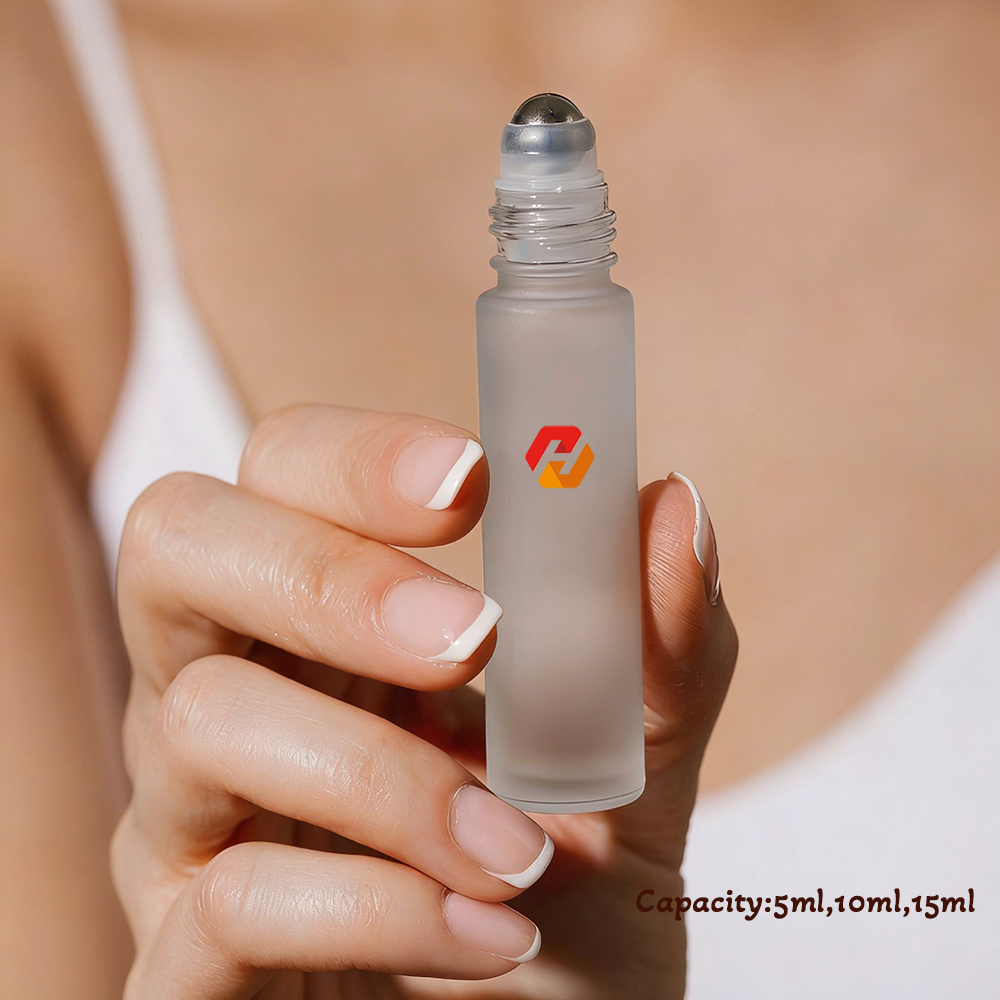
Stainless steel balls are generally preferred over plastic for premium applications. They provide a cooling effect and resist chemical degradation. Plastic balls may warp when exposed to certain essential oils, leading to failure. Ensure your supplier tests the compatibility of the fitment material with your specific bulk liquid.
Specifying Dimensions for Small Formats
Small glass roll on bottles are the industry standard for perfumes and therapeutic blends. The most common capacities are 5ml, 10ml, and 15ml.
Consistency in neck finish is vital for automated filling lines. The Glass Packaging Institute (GPI) sets voluntary standards for container finishes. A slight deviation in the bottle neck diameter can cause the roller fitment to pop out during transit.
When evaluating samples, measure the neck interior diameter against the fitment plug. It must create a friction fit that is tight enough to prevent leaks but loose enough for assembly. Consistent dimensions reduce downtime in your production facility.
How to Assess Supplier Manufacturing Capabilities
Choosing the right manufacturing partner involves more than comparing price lists. You must evaluate their ability to deliver consistent quality and customization options.
Look for suppliers who offer transparency regarding their mold tolerances and inspection processes. A reliable partner should provide options for custom decoration, such as frosting or screen printing, without compromising structural integrity.
When you view product specifications, check for detailed volume and dimension listings. For example, you can view detailed specifications for essential oil roller bottles to understand standard industry tolerances. This level of detail usually indicates a supplier understands the technical needs of B2B clients.
Summary
Selecting the right glass roll on bottles safeguards your product quality. You must evaluate the glass type (ISO standards), verify fitment precision (ASTM testing), and ensure dimensional consistency. Prioritizing these technical factors ensures your packaging performs reliably for the end consumer.
FAQ
Q1:What is the best glass type for strong essential oils?
Type I borosilicate glass is the best choice because it offers superior chemical inertness and hydrolytic resistance compared to soda-lime glass.
Q2:How do I prevent glass roll on bottles from leaking?
You must ensure the roller ball housing fits the bottle neck with a precise interference fit and test compatibility with your liquid’s viscosity.
Q3:Are clear glass roll on bottles safe for all products?
No, clear glass does not filter UV light, so it is unsuitable for photosensitive ingredients unless an additional UV coating is applied.
Q4:What is the standard neck size for small glass roll on bottles?
The most common neck finish for 5ml to 15ml roller bottles is the GPI 16mm standard, though proprietary finishes also exist.
Q5:Why choose stainless steel balls over plastic?
Stainless steel balls offer a premium feel, better chemical resistance to oils, and smoother application than plastic alternatives.
Reference Sources
International Organization for Standardization (ISO)
ISO 719: Glass — Hydrolytic resistance of glass grains at 98 degrees C
https://www.iso.org
American Society for Testing and Materials (ASTM)
ASTM D3078: Standard Test Method for Determination of Leaks in Flexible Packaging by Bubble Emission
https://www.astm.org
Glass Packaging Institute (GPI)
GPI Container Finish Standards
https://www.gpi.org