
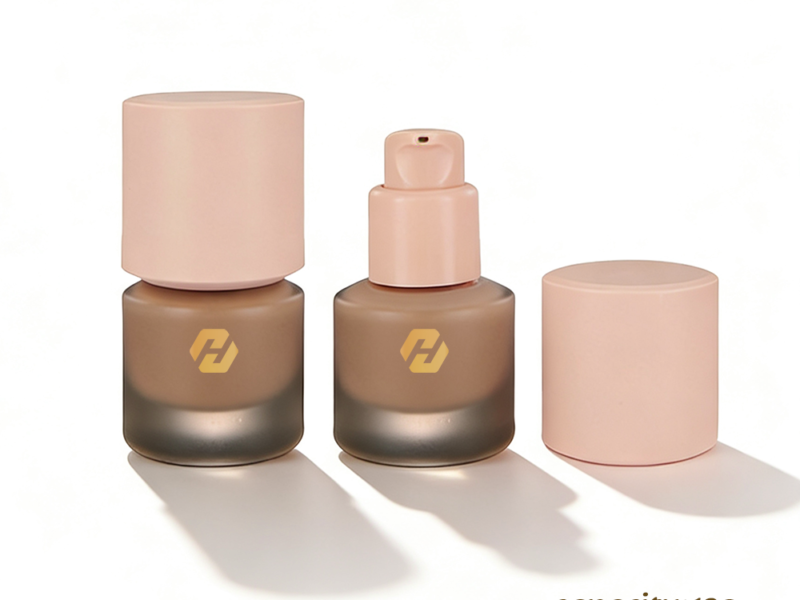
I have witnessed numerous product launches struggle due to packaging incompatibility. As a B2B buyer, choosing the right glass pump bottles is about protecting your formula’s integrity, not just aesthetics. Your packaging must withstand shipping stress while delivering a precise user experience.
In this guide, I will analyze the technical criteria for selecting glass bottles with pumps. We will examine material properties, pump mechanics, and critical quality standards. This information will help you secure packaging that supports high-end cosmetic formulations without compromising supply chain efficiency.
Why Choose Glass Bottles with Pumps for Active Formulas?
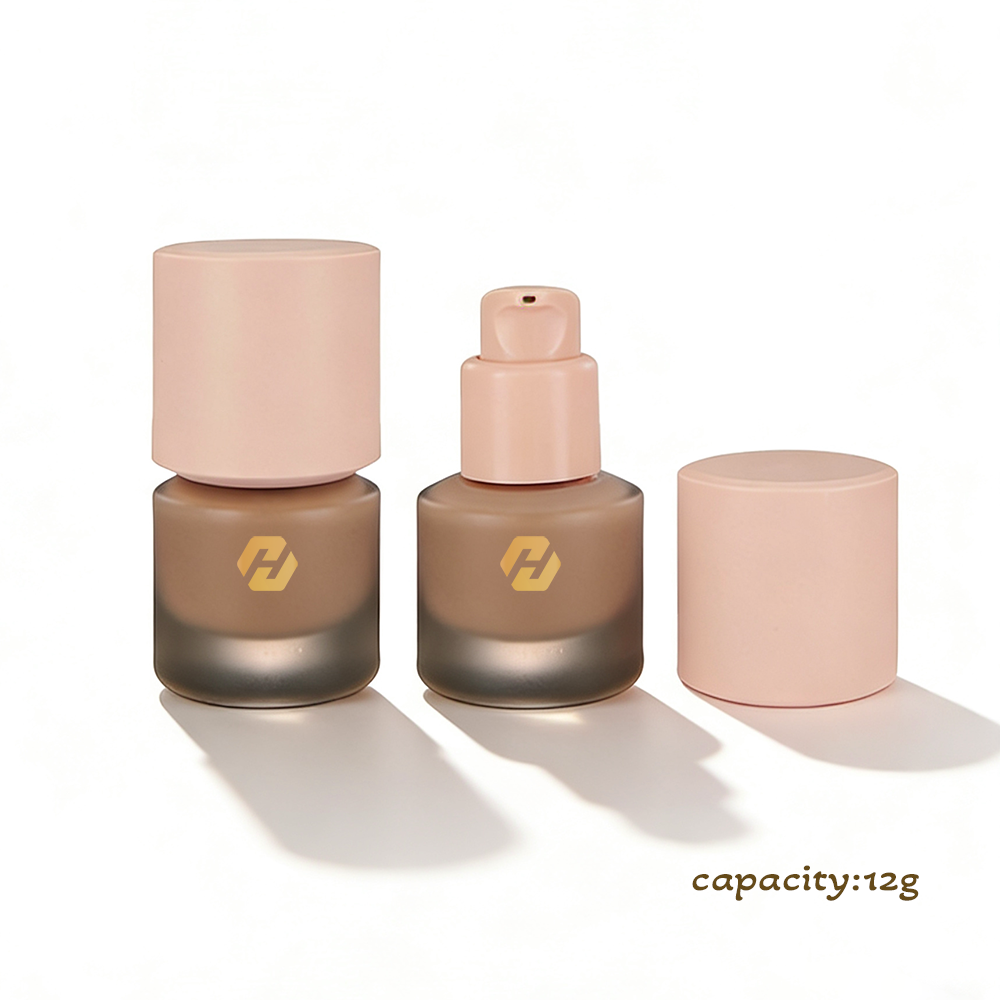
The primary reason to select glass over plastic involves chemical stability. Glass bottles with pumps provide an inert environment for your product. According to the Glass Packaging Institute, glass is non-porous and impermeable. It does not chemically interact with the product inside.
This is critical for “clean beauty” or medical-grade skincare. Ingredients like Retinol, Vitamin C, and acids are highly volatile. They can degrade when exposed to oxygen or react with certain plastics. Glass acts as a total barrier against these external factors.
Furthermore, glass conveys a premium status to the consumer. The weight and clarity of the material suggest luxury and value. For B2B buyers, this translates to a higher retail price point capability for the final SKU.
The Mechanics of a Glass Push Down Pump Dispenser Bottle
The functionality of the pump is as important as the bottle itself. A glass push down pump dispenser bottle relies on a complex internal engine. You must understand the difference between atmospheric and airless systems.
Actuator and Spring Design
The standard atmospheric pump uses a dip tube to draw liquid upward. When the user presses the actuator, a piston compresses a spring. This creates pressure that forces the product out.
For sensitive formulas, I recommend pumps with an external spring mechanism. This design keeps the metal spring outside the fluid path. It prevents metallic contamination or rust if your formula has a low pH.
Viscosity and Priming
Your choice of pump must match the product’s viscosity. A standard cream pump handles thicker lotions, while a mist sprayer is for liquids. You must verify the “priming” count with your supplier. This refers to how many times a user must pump before the product dispenses. A quality dispenser should prime in 3 to 5 strokes.
Precision Sizing: The Role of the 12g Glass Pump Bottle
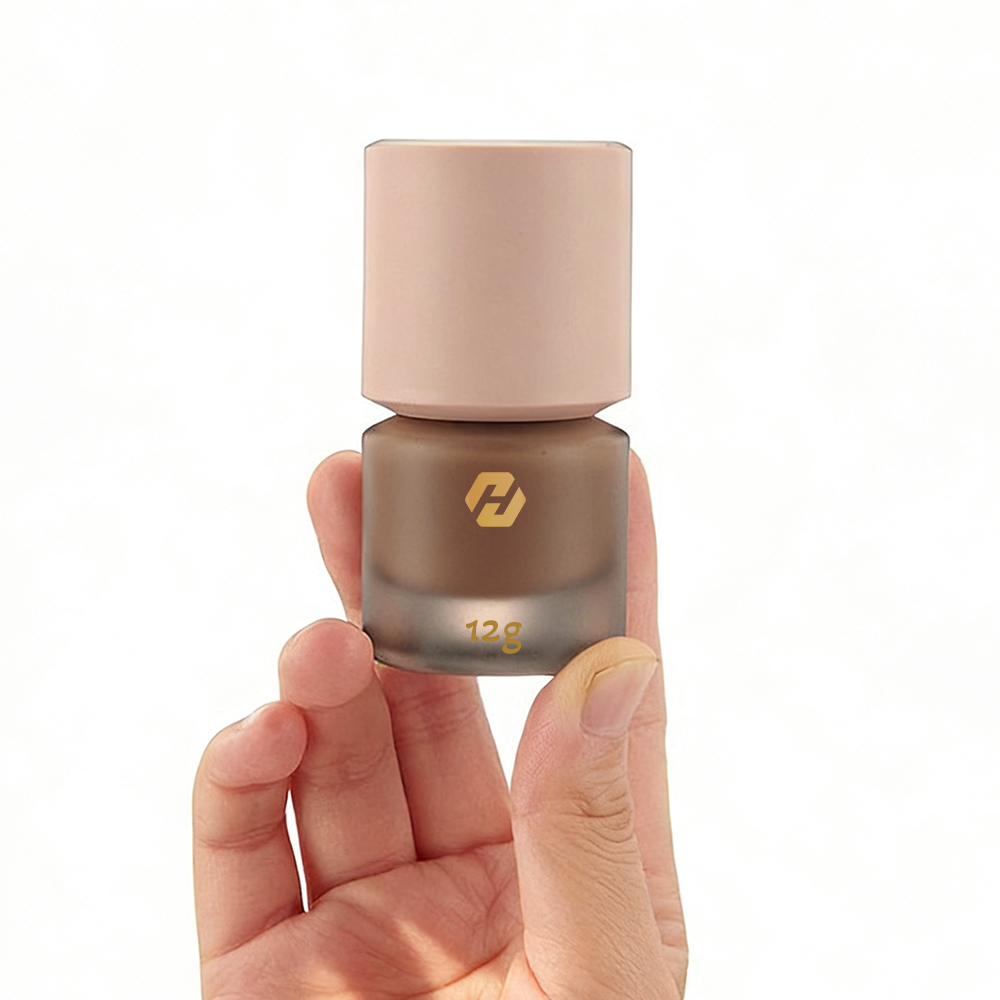
Sizing directly impacts cost and consumer application habits. While 30ml is standard for foundations, the 12g glass pump bottle is gaining traction in niche markets. This size is ideal for concentrated serums, eye creams, or high-coverage concealers.
Volume Accuracy and Overflow Capacity
In manufacturing, we look at Overflow Capacity (OFC). A 12g glass pump bottle must have a precise OFC to ensure the fill line looks consistent on the shelf. If the glass molding is inconsistent, customers may think a bottle is underfilled.
Travel and Sampling
The 12g size also serves as a premium travel size or a deluxe sample. It allows consumers to test a luxury product without buying a full 30ml or 50ml unit. For B2B procurement, adding this size can diversify your product range with minimal tooling investment if the supplier already has the mold.
Evaluating Manufacturing Standards and Tolerances
Inconsistent glass manufacturing leads to breakage on the filling line. You must enforce strict quality control standards with your packaging partner.
Wall Thickness Distribution
High-quality glass has an even wall thickness. Cheaper production often results in “heavy bottoms” but thin, fragile shoulders. Inspect the bottle for optical distortion, which indicates uneven cooling during the molding process. Even distribution ensures the bottle survives capping torque and shipping impact.
Neck Finish Compatibility
The neck finish of the bottle must match the pump collar perfectly. If the glass bottles with pumps have a 20/410 neck, the pump must be calibrated to that exact thread standard. A mismatch of even 0.1mm can cause leakage. This is a common failure point in the cosmetic supply chain.
Sustainability and Regulatory Compliance
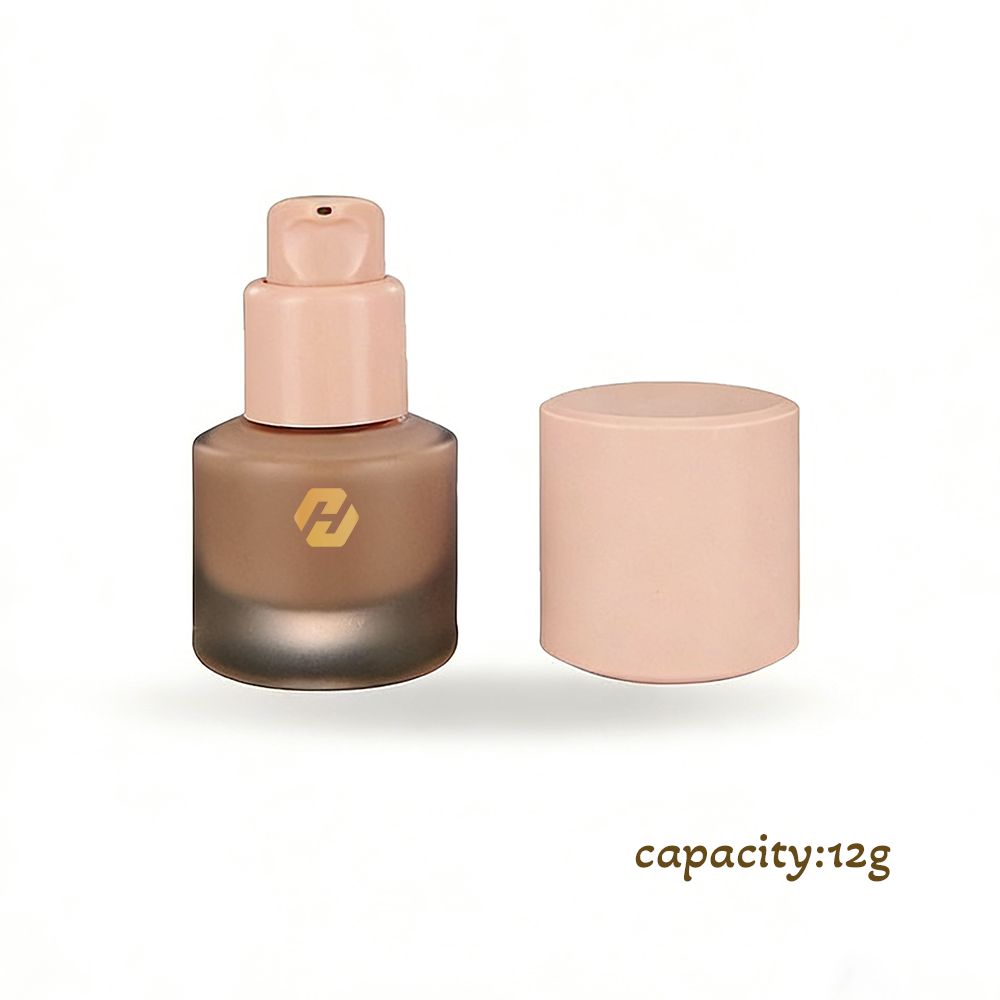
Sustainability is no longer optional for B2B buyers. The European Container Glass Federation (FEVE) highlights that glass is 100% recyclable and can be recycled endlessly without loss of quality.
PCR Glass Options
Many suppliers now offer Post-Consumer Recycled (PCR) glass. This reduces the carbon footprint of your packaging. However, PCR glass may have a slight tint. You must decide if clear “flint” glass or slightly tinted PCR glass aligns better with your brand image.
FDA and Safety
Packaging must comply with safety regulations. The U.S. Food and Drug Administration (FDA) regulates that packaging must not transmit harmful substances to cosmetics. Glass is generally recognized as safe (GRAS), making compliance easier compared to complex plastics.
Assessing Packaging Suitability for Your Brand
When you are ready to select a supplier, you need to validate their specific product offering. Using a reference like the Hyrunpkg solution allows you to benchmark quality.
Criteria for Validating the Product:
- Pump Output: Does the pump dispense the correct dosage (e.g., 0.2ml vs. 0.5ml) for your specific formula?
- Decoration Capabilities: Can the glass surface accept silk-screening, hot stamping, or spraying?
- Seal Integrity: Does the pump lock securely to prevent accidental dispensing during transit?
Proper validation involves requesting samples and conducting a compatibility test. Fill the bottle with your bulk product and store it at elevated temperatures for 30 days. This ensures the gasket inside the pump does not swell or degrade.
Reliable suppliers will provide technical drawings and OFC data upfront. This transparency reduces the risk of production delays later.
If you are currently sourcing packaging for foundation or sunscreen, you can examine specific specifications at this Glass Bottle with Pump for Foundation Sunscreen.
Conclusion
Selecting the right glass pump bottles requires balancing aesthetic appeal with technical performance. By prioritizing chemical inertness, verifying pump mechanics, and inspecting manufacturing tolerances, you reduce supply chain risks. Glass bottles with pumps ultimately protect your brand reputation by ensuring the consumer receives a pristine, functional product.
FAQ
Q: Can glass pump bottles handle high-viscosity foundations?
A: Yes, provided you select a pump with a wider dip tube and a higher output engine designed for creams.
Q: What is the advantage of a glass push down pump dispenser bottle over a dropper?
A: Pumps minimize air exposure and bacterial contamination from fingers, preserving the formula’s longevity better than droppers.
Q: Are 12g glass pump bottles customizable?
A: Yes, manufacturers can customize 12g bottles with specific colors, frosting, or hot-stamping to match brand identity.
Q: Do I need to clean glass bottles before filling?
A: Yes, despite high manufacturing standards, industrial washing or air-blowing is standard procedure before filling to remove dust.
Q: How do I prevent glass breakage during shipping?
A: Ensure your supplier uses partition trays or cellular dividers in master cartons to prevent glass-on-glass contact.
Reference Sources
Glass Packaging Institute (GPI) – Benefits of Glass Packaging
U.S. Food and Drug Administration (FDA) – Cosmetics Packaging & Labeling