
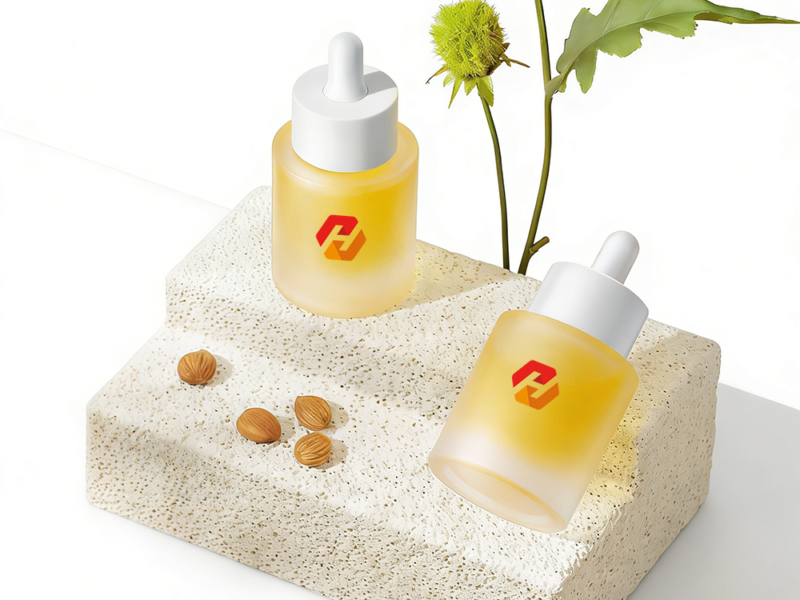
As a packaging strategist, I always emphasize that selecting the perfect dropper glass bottles involves evaluating material stability, capacity, and sustainability. Brands must assess chemical compatibility, UV protection needs, and dispensing accuracy to ensure product integrity. Choosing the correct packaging directly impacts the shelf life and perceived value of your liquid cosmetics.
I created this guide to explain how you can make informed packaging decisions for your liquid cosmetics and essential oils. By understanding these key factors, your procurement teams can source containers that align with both functional requirements and brand identity.
What Makes Borosilicate Glass the Standard for Dropper Glass Bottles?
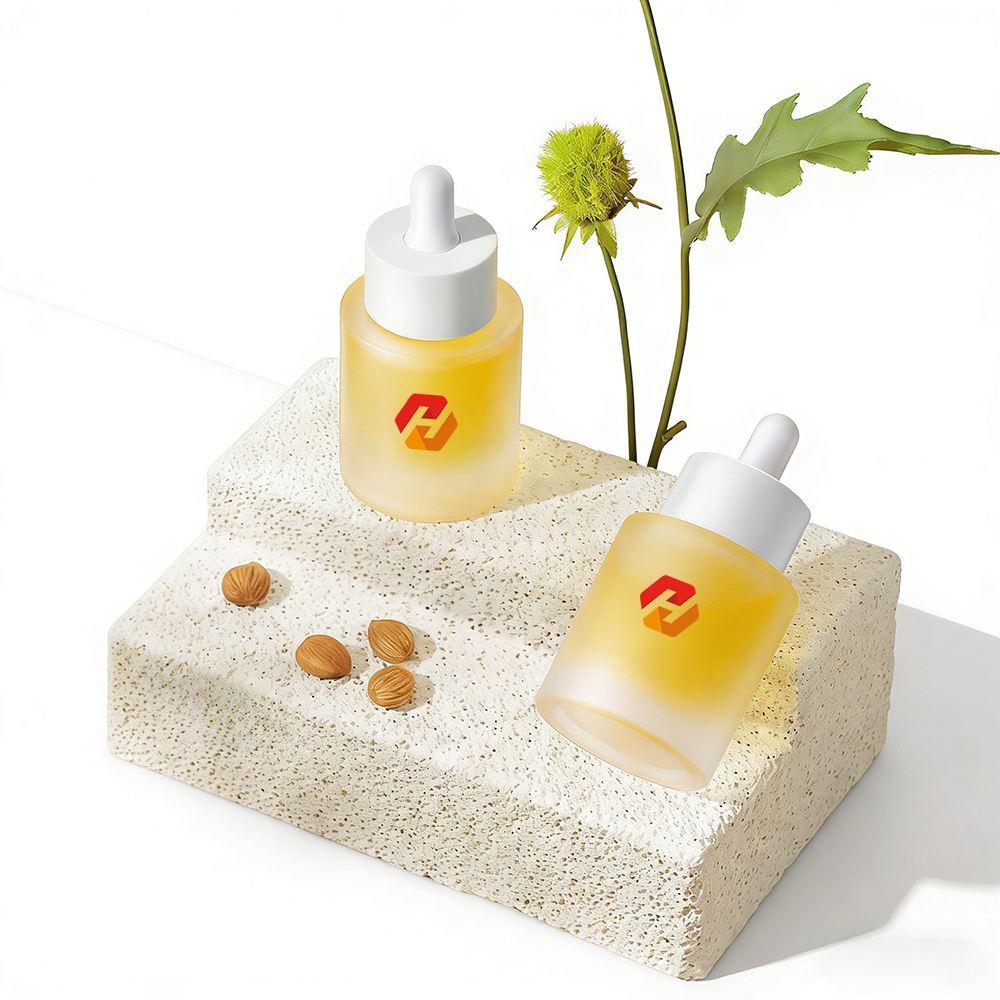
In my experience, the primary consideration for liquid packaging is the chemical interaction between the product and its container. Active skincare ingredients and pure essential oils can react negatively with standard plastic materials. This reaction may cause packaging degradation or product contamination over time.
Borosilicate glass prevents these issues because it is highly chemically inert. Using chemically stable glass ensures your organic compounds maintain their purity and therapeutic effectiveness. Industry data shows the global cosmetic glass packaging market is expanding at a 4.3% annual growth rate.
This market growth is largely driven by brands prioritizing formulation safety and premium aesthetics. Glass provides an excellent barrier against oxygen and moisture penetration. Darker tinted variants, such as amber or cobalt blue, can block up to 90% of harmful UV radiation.
Protecting light-sensitive liquids with tinted glass significantly extends their usable shelf life. Thermal stability is another crucial advantage for manufacturing and filling processes. Borosilicate glass can withstand high sterilization temperatures without cracking or warping.
This specific property is particularly beneficial for brands producing medical-grade serums or high-end cosmetics. Your packaging must endure various temperature fluctuations during global transport and warehousing.
How to Select Between 1 oz and 2 oz Glass Dropper Bottles?
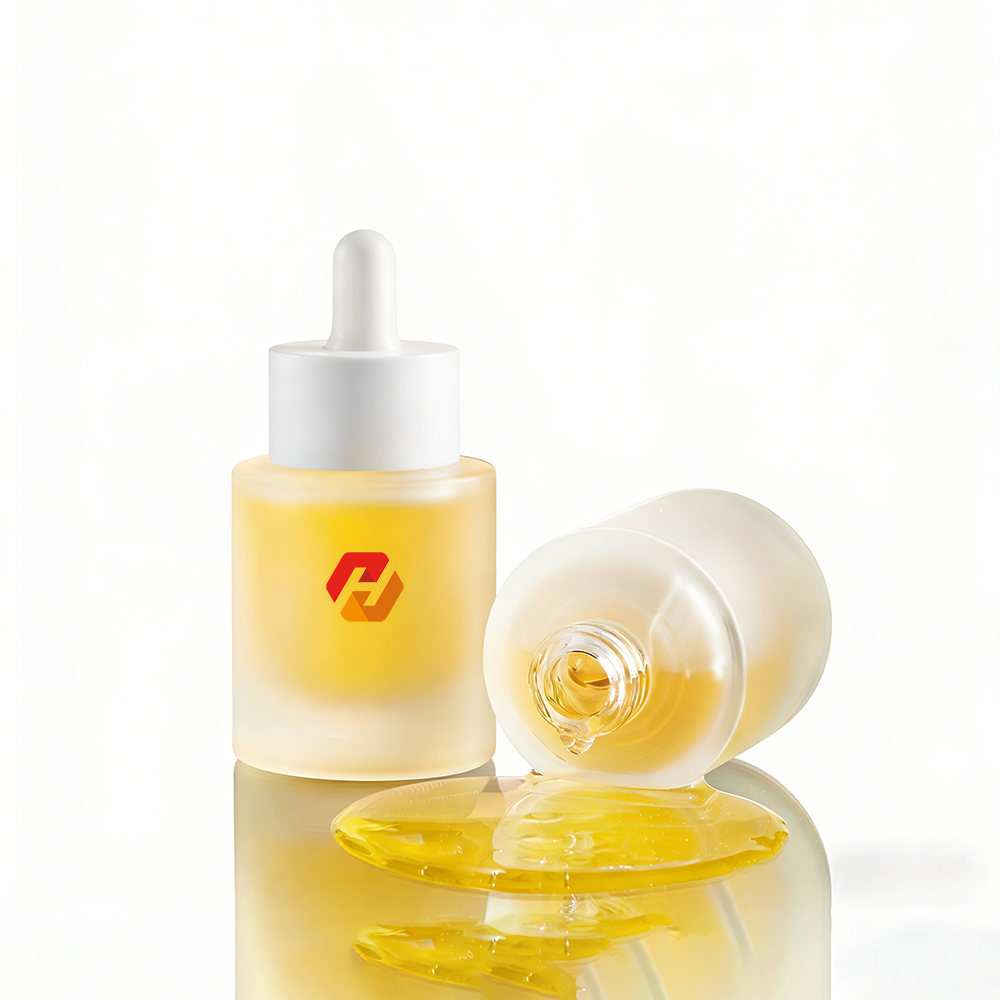
I frequently advise brands that sizing your packaging correctly depends entirely on the product application and consumer usage habits. 1 oz glass dropper bottles are typically the industry standard for premium facial serums. They are also the preferred choice for highly concentrated essential oils where users only need a few drops.
This specific volume strikes an optimal balance between perceived luxury and practical daily usage. For products requiring larger application doses, 2 oz glass dropper bottles offer much better long-term value. These larger containers are generally utilized for body oils, hair treatments, and liquid foundations.
The increased capacity reduces the frequency of consumer repurchases while maintaining a premium glass feel. Procurement managers should carefully analyze their product’s typical application volume before finalizing bottle dimensions.
Small glass dropper bottles under 30ml serve a completely different strategic purpose in retail. These compact sizes are perfect for travel kits, promotional sampling, and limited-edition product launches. They allow consumers to test expensive formulations safely before committing to a full-sized purchase.
Selecting a cohesive range of sizes helps build a recognizable and versatile product portfolio.
Why Can You Recycle Glass Dropper Bottles for Sustainable Branding?
I always remind clients that sustainability is a massive driving force in the modern B2B packaging industry. Glass is infinitely recyclable and can be melted down repeatedly without losing its structural integrity. This circular lifecycle significantly lowers the overall carbon footprint for eco-conscious cosmetic brands.
Integrating recyclable packaging into your supply chain directly appeals to environmentally aware consumers. The recycling process for these specific closures requires proper consumer education. Many buyers frequently ask, can you recycle glass dropper bottles entirely as one single unit?
The answer is generally no, because the dropper assembly consists of mixed materials. The rubber bulb and plastic collar must be separated from the glass pipette and bottle. Brands have a strict responsibility to clearly communicate these separation steps on their product labels.
Proper disassembly ensures the glass components enter the recycling stream without contaminating the batch. Using mono-material packaging or offering refillable options can further enhance your brand’s sustainability profile. Clear recycling instructions on your packaging build brand trust and promote genuine environmental responsibility.
How to Determine the Best Customization for Your Packaging Needs?
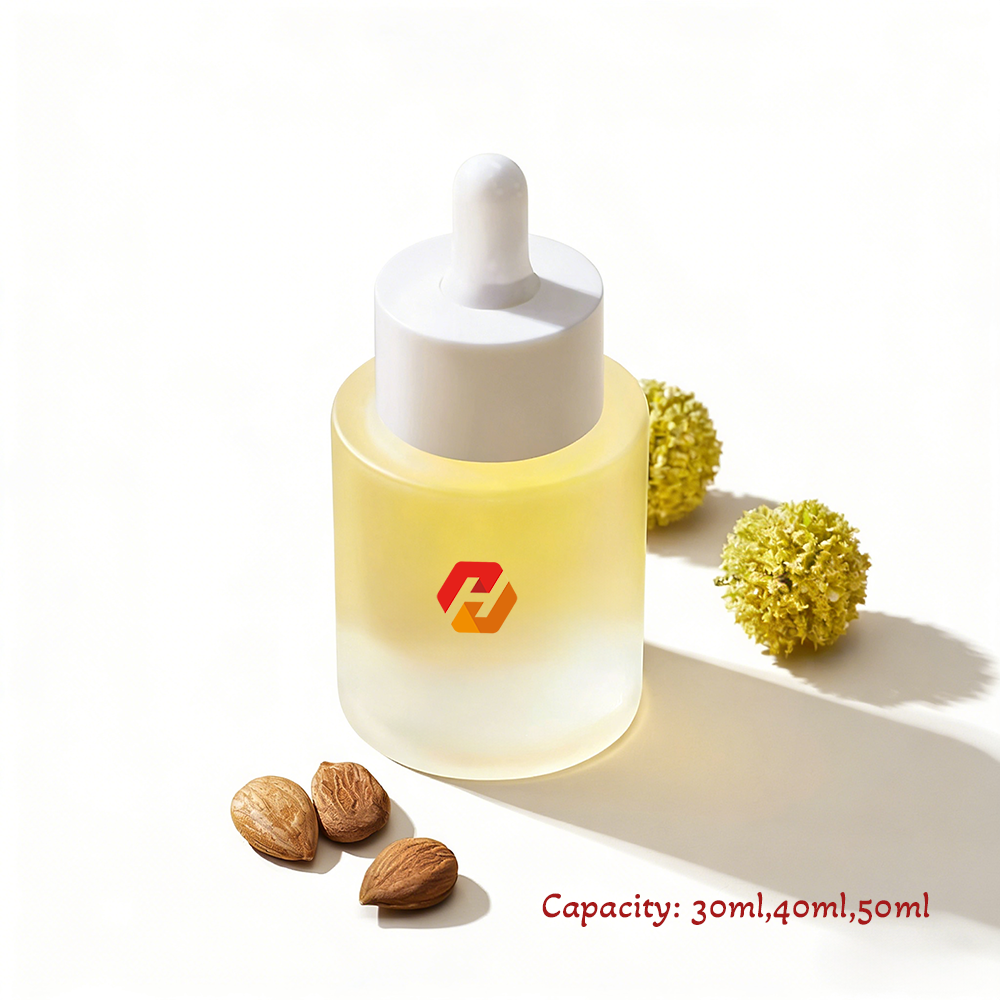
When I evaluate packaging suppliers for clients, I prioritize manufacturing flexibility and strict quality control. Reliable providers offer custom Pantone color matching to perfectly align with your brand identity. Partnering with a flexible manufacturer ensures your packaging meets both aesthetic demands and functional requirements.
Determining the right supplier involves reviewing their minimum order quantities and customization capabilities. Exploring wholesale options at Hyrunpkg allows you to seamlessly secure premium 1 oz, 2 oz, and 4 oz glass containers. Their catalogue features diverse surface finishes and precise PP dropper assemblies.
I highly recommend requesting physical samples before committing to large bulk orders. Testing the dropper mechanism with your specific liquid viscosity prevents costly dispensing issues later.
Choosing the appropriate dropper glass bottles requires balancing formulation safety, accurate sizing, and environmental responsibility. Your packaging must protect sensitive ingredients while delivering a seamless and luxurious user experience. By prioritizing chemically inert glass and educating consumers on proper recycling methods, your brand can confidently deliver sustainable products.
FAQ
Q1:Are small glass dropper bottles suitable for highly concentrated essential oils?
Yes, small glass dropper bottles are generally ideal for potent oils because they minimize prolonged air exposure. Darker glass tints like amber can provide crucial UV protection to maintain chemical stability.
Q2:Can you recycle glass dropper bottles with the dropper attached?
No, you typically cannot recycle the entire unit together due to the mixed materials involved. The rubber bulb and plastic cap must be removed from the glass components before placing them in the recycling bin.
Q3:What is the standard use for 1 oz glass dropper bottles?
These specific bottles are primarily used for premium facial serums, tinctures, and concentrated aromatherapy blends. Their 30ml capacity provides an optimal balance between product longevity and daily usage convenience.
Q4:Why is glass preferred over plastic for liquid cosmetics?
Glass is chemically inert and will not react with strong active ingredients or pure essential oils. It also offers a premium tactile feel that significantly enhances the overall brand perception.
Reference Sources
Cognitive Market Research – Global Cosmetic Glass Packaging Market Analysis
https://www.cognitivemarketresearch.com
Mordor Intelligence – Cosmetic Perfumery Glass Bottle Packaging Market
https://www.mordorintelligence.com
Roetell Glass – Why Glass Is the Best Packaging Material for Essential Oils
Grand View Research – Glass Packaging Market Size, Share & Growth Report