
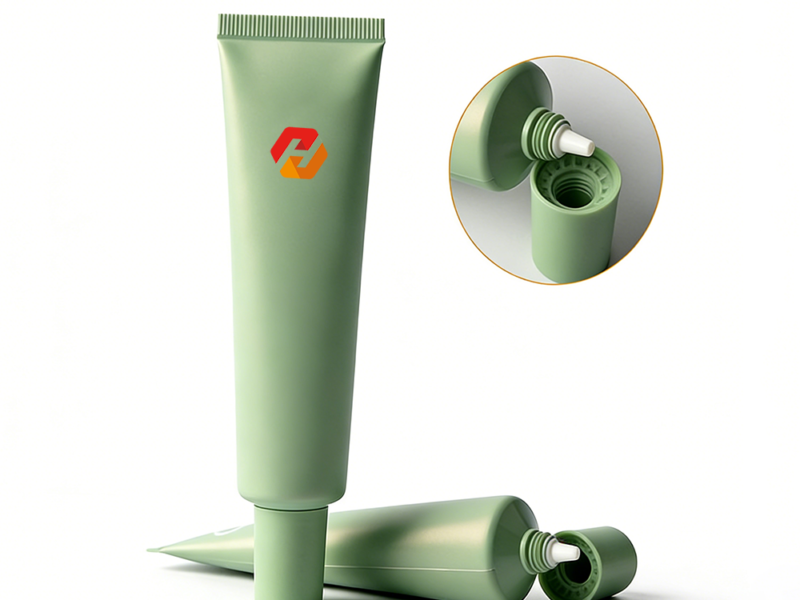
Selecting a premium eye cream green tube is a strategic decision for any professional skincare brand. This specific packaging format is widely recognized for its association with soothing and organic eye care formulas. For professional buyers, the priority is finding a solution that balances aesthetic appeal with high-performance functionality. The most effective eye cream green tube utilizes medical-grade Polyethylene (PE) and features an integrated zinc alloy applicator for targeted treatment. These components ensure product stability and provide a superior user experience. This article explores the technical standards and sourcing strategies essential for procuring high-quality eye packaging.
Market data indicates that the demand for specialized cosmetic tubes is rising globally. Industry reports suggest a 5.2% growth in the cosmetic tube segment through 2028. This growth is driven by the need for portable and hygienic dispensing systems. Brands increasingly favor the 10ml size for concentrated eye serums. This capacity minimizes formula exposure to air and maintains ingredient potency over time. A professional sourcing strategy must focus on these technical nuances to ensure long-term product success.
What Defines Professional Eye Cream Tube Packaging?
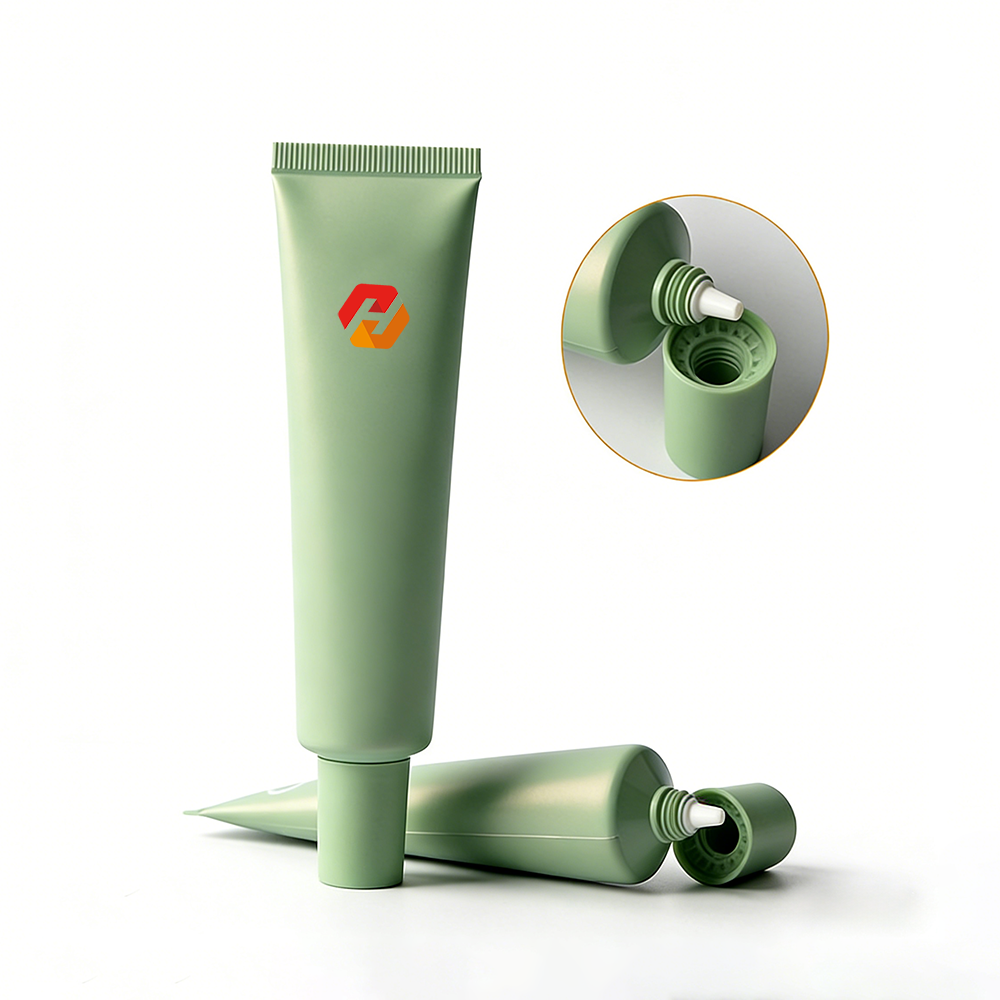
High-quality eye cream tube packaging must provide an exceptional barrier against environmental factors. Most professional-grade tubes feature a five-layer structure including an EVOH (Ethylene Vinyl Alcohol) layer. This internal barrier significantly reduces the oxygen transmission rate to less than 0.1 cc/m² per day. Preventing oxidation is crucial for eye creams containing sensitive active ingredients like retinol or peptides. Without this protection, the formula may lose its clinical efficacy within weeks of opening.
The physical durability of the tube is another critical factor for professional users. A high-quality tube should withstand internal pressure without leaking or cracking at the seams. Manufacturers typically conduct “burst tests” to ensure the tube remains intact during high-pressure filling and shipping. Furthermore, the internal coating must be chemically inert. This prevents the packaging material from reacting with the skincare formula. Testing for compatibility is a standard requirement for professional B2B procurement.
User convenience and hygiene are the third pillars of effective eye cream tube packaging. Professionals look for designs that allow for precise, one-handed application. Airless tube systems are particularly popular because they utilize a vacuum effect to dispense the product. This design ensures that up to 98% of the contents can be extracted, reducing product waste. Consumers highly value the ability to use every drop of a premium eye serum.
Key Features of a Premium Eye Cream Green Tube
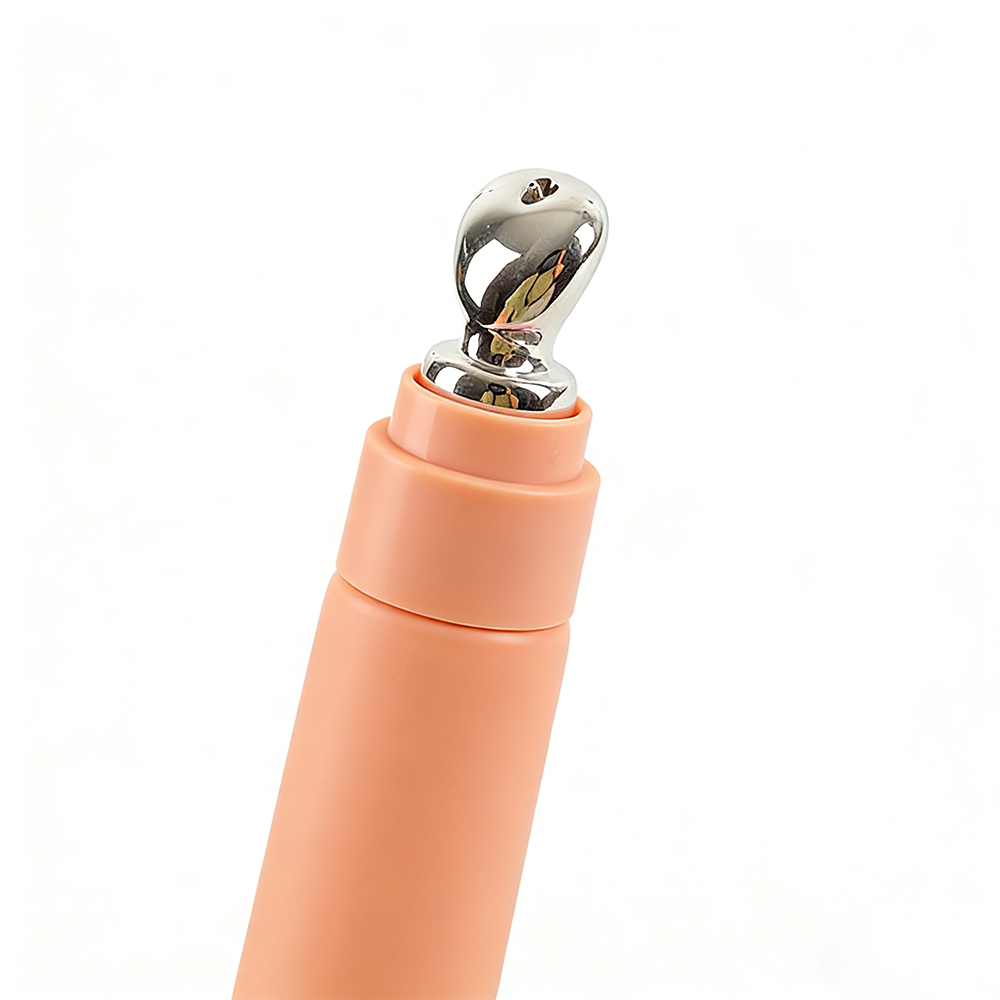
The visual impact of an eye cream green tube communicates freshness and natural efficacy to the consumer. However, the true value of a professional tube lies in its applicator technology. Many top-tier green tubes incorporate a zinc alloy massage head. These metallic tips offer a natural cooling sensation that stays 2 degrees Celsius cooler than the surrounding skin. This “cryo-effect” helps to reduce puffiness and soothe the delicate skin around the eyes instantly.

The ergonomic design of the applicator head is vital for effective product delivery. A smooth, rounded tip allows the user to massage the serum into the skin without causing friction. This action improves localized blood circulation and enhances the absorption of active ingredients. For professional brands, this added functionality justifies a higher price point for the finished product. It transforms a simple container into a professional-grade skincare tool.
In terms of aesthetics, a professional eye cream green tube should feature consistent color matching across all production batches. Advanced manufacturers use computerized colorimetry to ensure the green hue remains uniform. Options like matte finishing or soft-touch coatings provide a luxury feel that appeals to high-end consumers. The use of hot-stamping or high-resolution silk screening can further elevate the brand’s visual identity. These details are essential for building trust with sophisticated professional users.
How to Evaluate Top Eye Cream Tube Manufacturers
Identifying reliable eye cream tube manufacturers requires a review of their production certifications. A professional facility should operate under ISO 9001 or ISO 22716 (GMP for Cosmetics) standards. These certifications guarantee that the manufacturer follows strict quality control protocols throughout the assembly process. Working with a certified manufacturer reduces the risk of batch-to-batch variations. This reliability is fundamental for brands maintaining a global supply chain.
The technical capabilities of eye cream tube manufacturers must include advanced decoration and molding options. Leading factories utilize automated assembly lines to integrate complex components like zinc alloy heads. They should also provide a cleanroom environment (Class 100,000) for manufacturing medical or high-purity tubes. This prevents dust and microbial contamination during the molding phase. Professional buyers should request site audits or virtual factory tours to verify these conditions.
Sustainability is a growing priority in the manufacturing sector. Many professional manufacturers now offer eco-friendly alternatives such as PCR (Post-Consumer Recycled) plastics. These materials allow brands to maintain the classic eye cream green tube look while reducing carbon footprints. A reputable manufacturer will provide detailed data on the percentage of recycled content used. They must also ensure that the recycled material meets safety standards for cosmetic contact.
Selecting Reliable Eye Cream Tube Suppliers
When choosing eye cream tube suppliers, logistics and communication are as important as the product itself. A professional supplier acts as a consultant, helping brands choose the right tube diameter and head type. They should provide physical samples and 3D mockups early in the development stage. This proactive approach helps brands avoid costly design errors before mass production begins. Clear communication regarding lead times and Minimum Order Quantities (MOQs) is essential for planning.
Reliable eye cream tube suppliers offer comprehensive testing services to their clients. These tests include vacuum leak tests, cap torque tests, and print adhesion tests. Ensuring the printing does not flake or peel during use is critical for brand reputation. Suppliers should also have established relationships with global shipping partners. This ensures that the delicate tubes and massage heads arrive at the filling facility without damage.
Professional suppliers often provide a “one-stop” solution, including secondary packaging like boxes and inserts. This streamlines the procurement process for brand managers and ensures design consistency. When evaluating a supplier, check their track record with other international skincare brands. Longevity in the industry is often a strong indicator of financial stability and service quality. Always insist on a formal contract that outlines quality expectations and defect replacement policies.
Standards for Choosing the Best 10ml Eye Serum Tube
Determining the ideal packaging for a new eye care product depends on your specific formulation needs. A 10ml eye cream tube with a massage head is the optimal choice for high-end serums. You should prioritize tubes that offer a smooth dispensing mechanism and a securely attached applicator. The wall thickness should be balanced to provide both flexibility and structural integrity. Professionals focus on these technical details to ensure the product performs consistently from the first drop to the last.
For technical specifications and customization options for professional eye care, you can explore the details here: Custom 10ml Eye Serum Eye Cream Tube.
Summary
The most effective eye cream green tube for professional use combines a 5-layer barrier structure with a cooling zinc alloy applicator. Success in sourcing depends on selecting manufacturers with ISO certifications and suppliers who provide rigorous quality testing. Focusing on functional ergonomics and material stability ensures a high-performance product. This approach allows brands to deliver professional results while maintaining a premium aesthetic.
FAQ
Q1: Why is the zinc alloy head preferred for eye cream tubes?
Zinc alloy provides an immediate cooling effect that helps reduce inflammation and puffiness around the eyes. It also allows for a hygienic application that does not require the user to touch the product directly.
Q2: What materials are commonly used for high-end eye cream tubes?
Professional tubes typically use multi-layer Polyethylene (PE) with an EVOH barrier layer. This combination provides flexibility while protecting the formula from oxygen and light degradation.
Q3: How do manufacturers ensure the green color of the tube is consistent?
Manufacturers use computerized color matching and spectrophotometers to monitor pigments during the extrusion process. This ensures that every production run matches the brand’s specific color standards perfectly.
Q4: Is a 10ml capacity sufficient for a professional eye serum?
Yes, 10ml is the industry standard for concentrated eye serums because it ensures the product is used while it is still fresh. It also provides a compact and portable format for modern consumers.
Q5: Can these tubes be recycled by the consumer?
Many modern tubes are made from mono-material PE or include PCR content, making them easier to recycle. However, consumers should remove the metal applicator head before placing the tube in recycling bins.
Reference Sources:
ASTM International – Standard Guide for Sourcing and Testing Cosmetic Packaging
https://www.astm.org/
U.S. Food and Drug Administration – Cosmetic Packaging and Labeling Regulations
https://www.fda.gov/
Sustainable Packaging Coalition – Environmental Standards for Plastic Packaging
https://sustainablepackaging.org/