
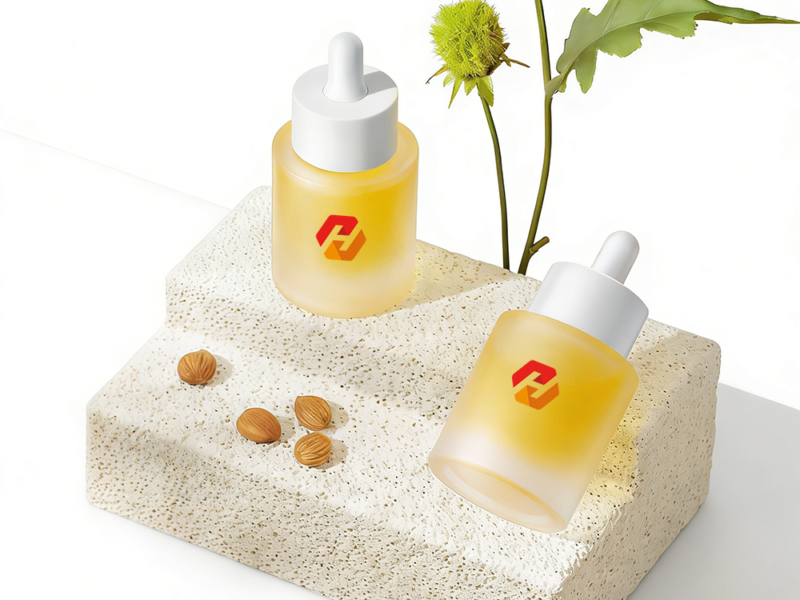
The skincare industry relies heavily on effective packaging to preserve delicate formulas. A high-quality serum bottle does more than just hold a liquid product. It acts as a primary defense against environmental factors like light, air, and bacteria.
Without the right container, expensive active ingredients can lose their efficacy within weeks. Modern consumers in 2026 look for both aesthetic appeal and functional integrity in their skincare. Manufacturers must balance these needs when selecting packaging for oils, acids, and vitamins.
A well-designed serum bottle enhances the user experience while ensuring product safety. This guide explores the diverse world of serum packaging to help you make informed decisions. Understanding the technical aspects of packaging is crucial for any beauty professional.
Serums often contain volatile compounds like Vitamin C or Retinol. These ingredients require specific barrier properties to remain stable over time. Choosing the wrong material can lead to oxidation and customer dissatisfaction.
Proper packaging also reflects the brand’s commitment to quality and sustainability. In the competitive landscape of 2026, the right container can define a product’s market success. Let us delve into the specific types and materials that define the modern skincare industry.
Why Is a Vacuum System the Most Effective Serum Bottle Design?
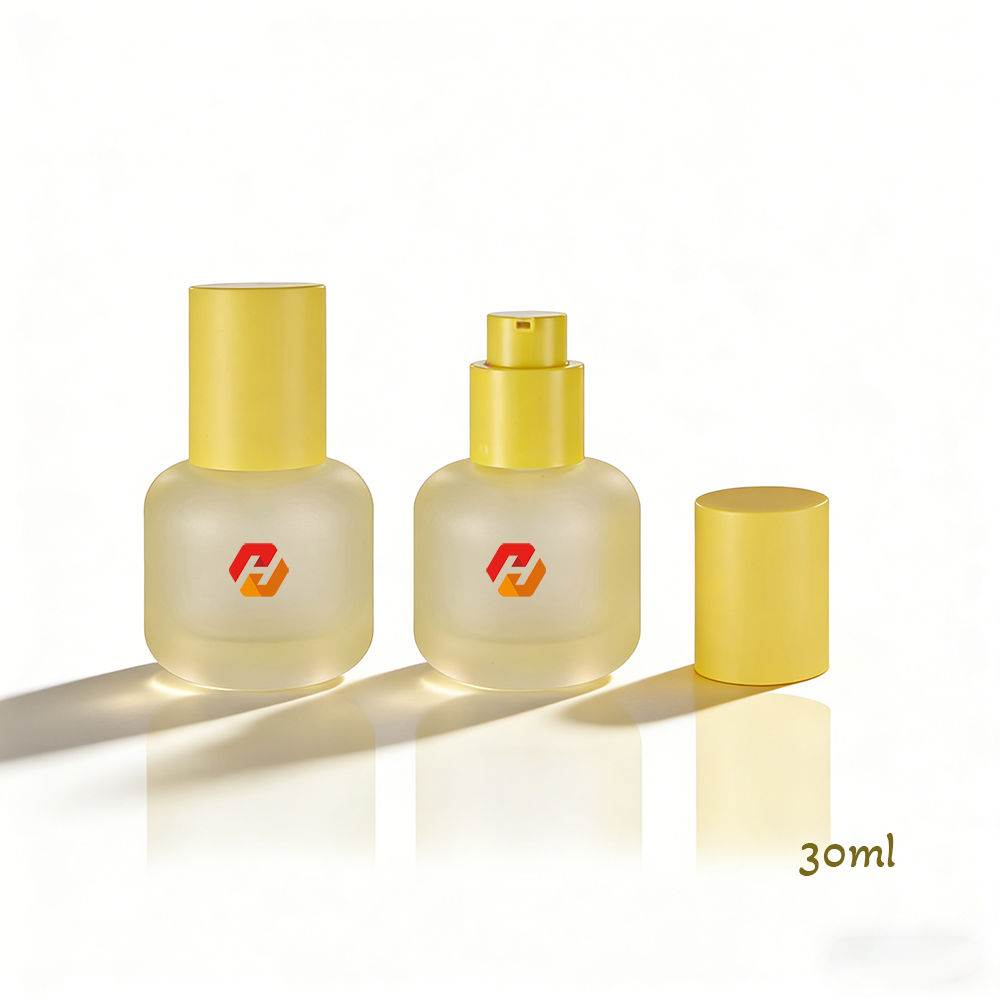
Airless pump bottles represent the gold standard for protecting sensitive skincare formulas. These containers utilize a vacuum system to dispense the product without introducing air. Airless serum bottles prevent oxidation by eliminating the headspace found in traditional jars.
This technology is essential for preservative-free or highly concentrated serums. Research indicates that certain vitamins can degrade by 30% faster when exposed to air. An airless serum bottle maintains a sealed environment from the first use to the last.
The internal piston moves upward as the product is dispensed. This mechanism ensures that the formula never comes into contact with external contaminants. In 2026, this feature is highly valued by brands focusing on “clean beauty” standards.
Protecting Sensitive Formulas
Many high-potency serums are prone to rapid chemical breakdown. Exposure to oxygen triggers oxidative stress within the liquid formula. Using an airless serum bottle can extend the shelf life of active ingredients by up to 40%.
This protection is vital for products containing high levels of L-ascorbic acid. It also helps maintain the color and texture of the serum over time. Consumers appreciate knowing their investment remains effective until the bottle is empty.
Maximizing Product Usage
Traditional droppers often leave a significant amount of product at the bottom. Airless systems solve this problem by pushing the liquid upward. Vacuum-based serum bottles allow for a product evacuation rate of over 95%.
This efficiency reduces waste and improves the perceived value of the skincare item. It also provides a consistent dosage with every single pump. Precision is key when dealing with powerful dermatological treatments.
Key Types of Serum Bottles in Modern Skincare
Dropper bottles remain the most iconic choice for the skincare industry. They feature a glass or plastic pipette attached to a screw-on cap. Glass dropper serum bottles allow for precise, drop-by-drop application on the skin.
This design is popular for facial oils and hydrating hyaluronic acid serums. It offers a classic, laboratory-style aesthetic that consumers trust. However, the open-bottle design requires careful handling to avoid contamination.
Pump bottles offer a convenient and hygienic alternative to droppers. They reduce the risk of cross-contamination because the user never touches the internal product. Serum bottles with treatment pumps are perfect for thicker, gel-like formulations.
The Versatility of Dropper Bottles
Droppers come in various materials, including glass, plastic, and even silicone. They are ideal for formulas that require localized application. A classic glass serum bottle with a dropper provides a luxury feel that resonates with premium brands.
In 2026, many brands use “push-button” droppers for a modern twist. These offer a more controlled release than traditional rubber bulbs. They also look sleeker on a bathroom vanity or retail shelf.
Innovations in Treatment Pumps
Treatment pumps are designed to handle higher-viscosity liquids than standard pumps. They often include locking mechanisms to prevent accidental leaks during travel. A high-quality pump serum bottle ensures that the formula remains uncontaminated during daily use.
The dosage can be calibrated to dispense exactly 0.2ml or 0.5ml per stroke. This level of control is essential for clinical-grade skincare. It helps users follow specific application protocols recommended by dermatologists.
Specialty Roll-On Designs
Roll-on bottles are gaining popularity for targeted skincare treatments. They feature a metal or plastic ball that massages the serum into the skin. Roll-on serum bottles are specifically designed for the delicate eye area or spot treatments.
The cooling sensation of a metal ball can help reduce puffiness. This format is portable and mess-free, making it a favorite for on-the-go consumers. It is an excellent choice for serums targeting dark circles or fine lines.
Comparing Materials: Glass vs. Plastic Serum Bottles
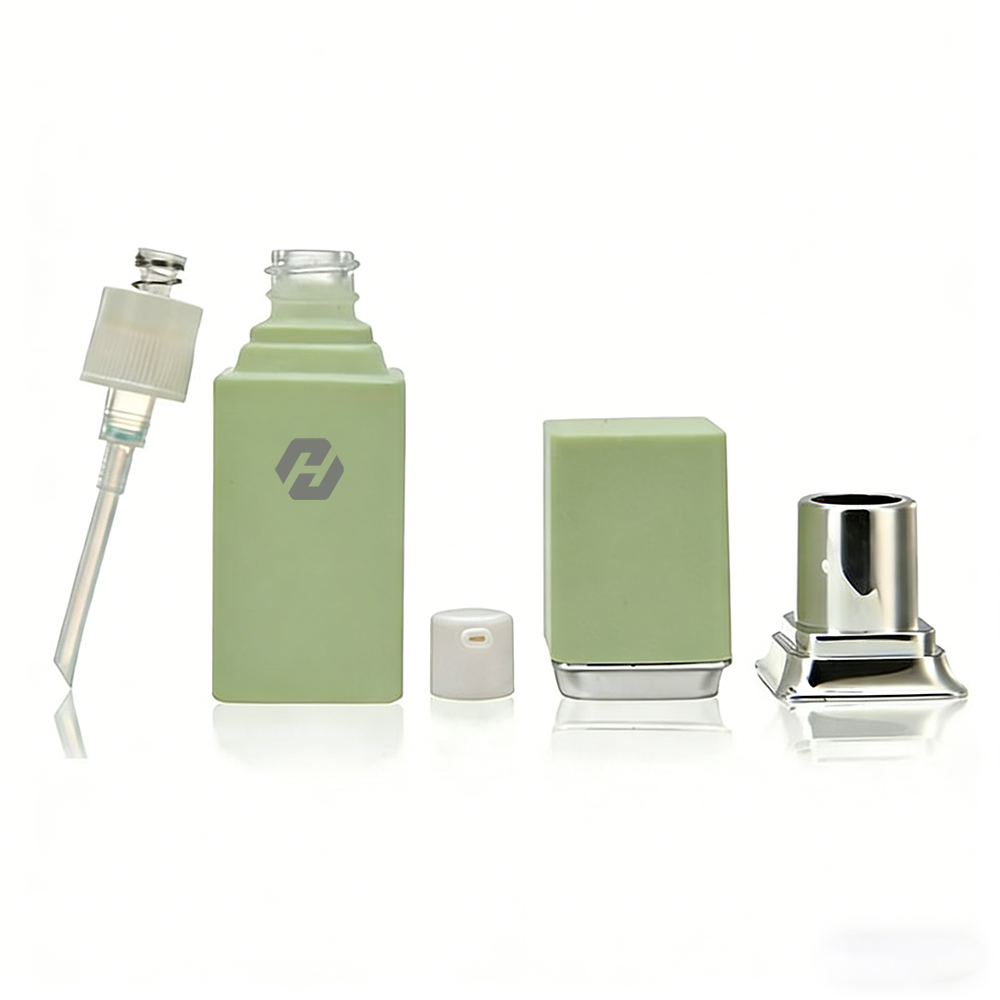
Glass is a traditional favorite due to its premium feel and chemical inertness. It does not react with the ingredients inside, ensuring the formula remains pure. Borosilicate glass serum bottles offer superior thermal and chemical resistance for high-end products.
Glass is also infinitely recyclable, appealing to eco-conscious brands and shoppers. In 2026, the demand for recycled glass continues to rise globally. However, glass is heavier and more fragile than most plastic alternatives.
Plastic options like PET and PP provide durability and lightweight benefits. These materials are less likely to break during shipping or daily handling. High-quality plastic serum bottles are often more cost-effective for mass-market skincare lines.
Advantages of Medical Grade Glass
Glass provides an excellent gas barrier that prevents oxygen from entering. It is also non-porous, meaning it does not absorb any skincare ingredients. Using a glass serum bottle prevents the leaching of chemicals into the formula.
Amber and cobalt blue glass offer additional protection against UV rays. Dark glass can block up to 99% of harmful light that causes ingredient degradation. This is a non-negotiable requirement for light-sensitive botanical extracts.
Sustainability and Plastic Innovation
Advances in manufacturing have led to BPA-free plastics that mimic the clarity of glass. Many brands are shifting toward Post-Consumer Recycled (PCR) plastics in 2026. Sustainable plastic serum bottles help brands align with global environmental goals.
PCR plastics use less energy to produce than virgin plastic materials. This shift helps reduce the overall carbon footprint of the skincare product. Modern coatings can also improve the barrier properties of plastic containers.
| Material Type | Durability | UV Protection | Recyclability | Cost |
| Amber Glass | Moderate | Excellent | High | High |
| Clear Glass | Moderate | Low | High | Moderate |
| PET Plastic | High | Moderate | Moderate | Low |
| PP Plastic | High | Moderate | Moderate | Low |
How to Select the Right Cosmetic Packaging for Your Brand?
Choosing the right packaging requires a deep understanding of your product’s chemistry. You should first identify if your formula is sensitive to light or oxygen. If you have a stable, oil-based serum, a standard glass dropper might work.
For high-potency acids, an airless system is likely the safer choice. Compatibility testing is a step that no brand should ever skip in 2026. You must store your formula in the chosen serum bottle for several months.
Stability testing confirms that the packaging material does not leach into the liquid. It also checks if the product causes any degradation to the bottle. When browsing various cosmetic bottles for a new line, prioritize material certifications.
Evaluating Supplier Quality
A reliable supplier provides more than just the physical container. They should offer data on the chemical resistance of their materials. Choosing a serum bottle from a reputable manufacturer ensures consistency across production batches.
Look for suppliers who conduct leak tests and pressure tests on their products. This reduces the risk of returns and customer complaints after the launch. High-quality finishes, such as frosting or silk-screening, should also be available.
Considering the End-User Experience
The bottle should be easy to open and comfortable to hold. Ergonomics play a significant role in customer satisfaction and brand loyalty. A serum bottle with a smooth dispensing action creates a positive daily ritual for the user.
Consider the size of the bottle in relation to the usage instructions. A 30ml bottle is standard for facial serums used once or twice daily. Larger volumes may be appropriate for body serums or less concentrated formulas.
Future-Proofing with Eco-Friendly Designs
The beauty market of 2026 is driven by environmental responsibility. Refillable packaging is a major trend that reduces plastic waste significantly. Refillable serum bottle systems allow consumers to keep the outer shell and replace the inner pod.
This approach builds a long-term relationship between the brand and the consumer. It also lowers the cost for the customer over time. Brands that adopt these systems are often seen as industry leaders in sustainability.
Technical Specifications and Market Data in 2026
The global cosmetic packaging market is expanding rapidly due to skincare trends. Data shows the market is expected to exceed $38 billion by the end of 2026. The demand for specialized serum bottles drives much of this industrial growth.
Companies are investing more in R&D to create smarter, more protective containers. Precision in neck sizing is a critical technical detail for manufacturers. Common sizes like 18/410 or 20/410 dictate which closures can be used.
Standardized neck finishes allow for greater compatibility between bottles and various pumps. Proper sizing prevents leaks and ensures the dropper reaches the bottom. Wall thickness also plays a role in the perceived value of the product.
Thicker glass feels more luxurious and provides better insulation against temperature changes. Heavy-wall serum bottles are less prone to cracking during high-pressure filling processes. This durability is essential for international shipping and retail shelf life.
Manufacturers are also utilizing digital printing for more intricate bottle designs. This technology allows for small batch customization without high setup costs. It is an ideal solution for boutique brands or limited-edition serum releases.
Summary
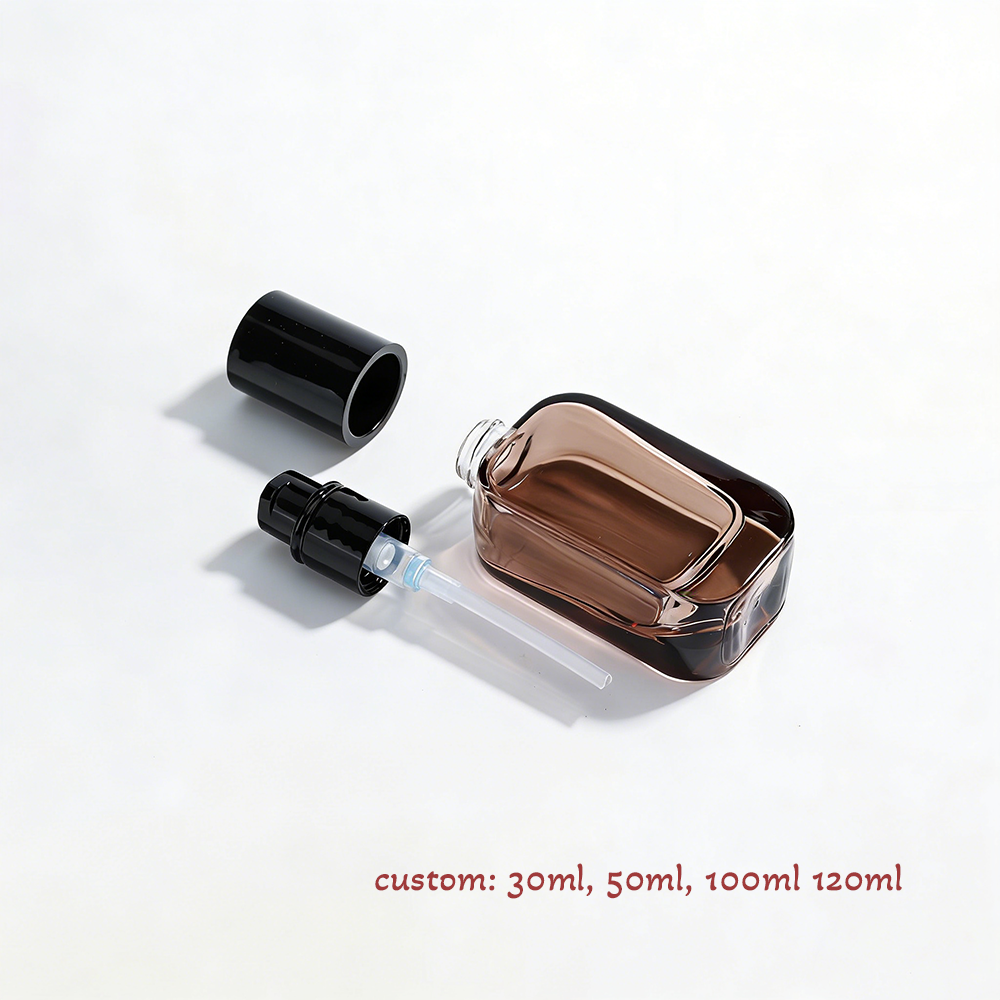
Selecting the ideal serum bottle involves balancing ingredient protection, material durability, and brand aesthetics. Airless pumps and amber glass remain the top choices for maintaining formula potency and preventing oxidation in 2026. By prioritizing airtight seals and UV protection, brands can ensure their skincare products deliver the promised results to every consumer.
FAQ
1. Which is better for Vitamin C, glass or plastic serum bottles?
Glass is generally the superior choice for Vitamin C, especially when it is tinted or opaque. Amber glass provides a robust barrier against UV light and oxygen, which are the primary triggers for Vitamin C degradation. In 2026, many experts still recommend glass to ensure the long-term stability of high-concentration antioxidant serums.
2. Can airless serum bottles be reused or refilled?
Most standard airless bottles are designed for single use to maintain the integrity of the vacuum seal. While some innovative designs in 2026 allow for refillable cartridges, disassembling a standard airless bottle can damage the internal piston. Refillable systems are the best option for those looking to reduce waste without compromising the product’s safety.
3. What size is a standard serum bottle for facial products?
The most common sizes in the skincare industry are 30ml (1 oz) and 50ml (1.7 oz). These sizes are preferred because serums are highly concentrated and only a few drops are needed for each application. Smaller 15ml sizes are frequently used for eye serums or travel-sized product versions.
4. Are glass serum bottles more eco-friendly than plastic?
Glass is highly recyclable and can be reused indefinitely, making it very eco-friendly in a circular economy. However, the carbon footprint of shipping glass is higher because it is heavier than plastic. In 2026, many brands use a combination of lightweight PCR plastic and recyclable glass to balance environmental impacts.
5. Why does my serum bottle dropper sometimes stop working?
A dropper may stop working if the rubber bulb loses its seal or if the serum crystallizes inside the glass pipette. This is common with formulas that have a high salt or sugar content. Cleaning the pipette with warm water or ensuring the cap is screwed on tightly can often resolve these dispensing issues.
Reference Sources
International Journal of Cosmetic Science: Light Stability of Skincare Ingredients.
Smithers: The Future of Global Cosmetic Packaging Market Trends.
Glass Packaging Institute: Benefits of Glass for Pharmaceuticals and Cosmetics.
Plastic Industry Association: Safety and Sustainability of Polypropylene in Packaging.