
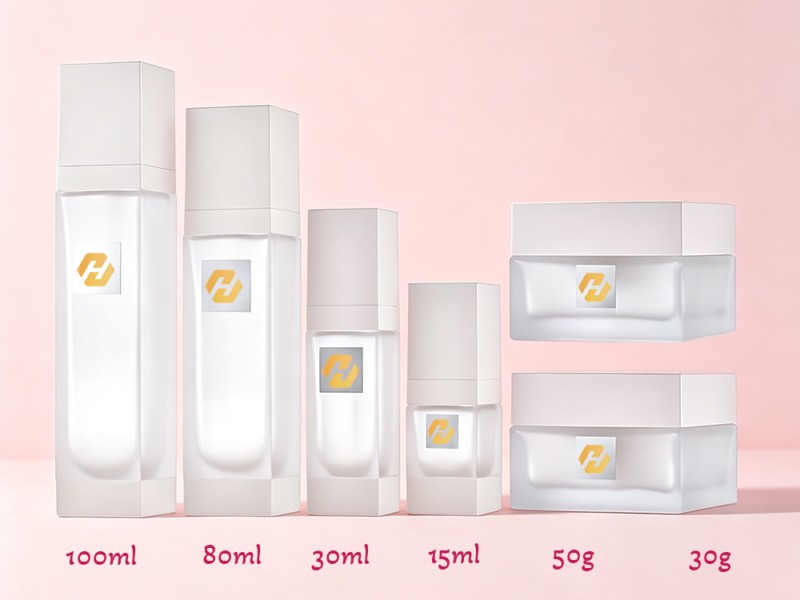
The beauty industry relies heavily on visual appeal and functional integrity. Cosmetic packaging manufacturing is the backbone of this multi-billion dollar sector. It transforms creative concepts into tangible containers that protect sensitive formulas.
This complex process requires a blend of artistic design and engineering precision. Manufacturers must balance aesthetics with chemical compatibility and durability. The journey of a container starts long before it reaches the retail shelf.
Understanding the manufacturing stages helps brands make informed decisions about their products. High-quality packaging enhances the user experience and builds brand loyalty. Modern facilities utilize advanced technology to ensure consistency across every production run.
How Does the Cosmetic Packaging Manufacturing Process Work?
The process begins with the conceptual design phase. Designers create detailed 3D models to visualize the final product. These models account for ergonomics, capacity, and specific brand identity.
Engineers then evaluate the design for manufacturing feasibility. This step prevents structural failures during the mass production stage. It also ensures that the design can be produced cost-effectively at scale.
Once the design is approved, the tooling and mold-making phase begins. This is a critical stage in cosmetic packaging manufacturing. Precision-engineered steel or aluminum molds are created to define the container shape.
Concept Design and 3D Modeling
Digital models allow for rapid prototyping and virtual testing. Designers use Computer-Aided Design (CAD) software to perfect every curve and thread. This reduces the risk of errors during the physical manufacturing phase.
Precision Engineering of Steel Molds
High-quality molds ensure that thousands of units remain identical. The molds must withstand high pressure and extreme temperature fluctuations. Investing in superior tooling results in a lower defect rate over time.
Material Sourcing and Preparation
Manufacturers choose polymers or glass based on the product’s chemical nature. Raw materials are typically fed into the production line in pellet form. They are then heated to a molten state for the molding phase.
Essential Molding Methods in Cosmetic Packaging Manufacturing
Different products require unique molding techniques to achieve specific shapes. The choice of method impacts the final cost and lead time. Manufacturers often combine these techniques to create multi-component sets.
By 2026, the global cosmetic packaging market is projected to reach $58.2 billion. This growth is driven by the demand for innovative and sustainable containers. Efficiency and material science are now more important than ever in this industry.
Modern cosmetic packaging manufacturing must adapt to these changing market needs. Automated systems increase production speed while maintaining strict quality standards. This evolution allows for more complex and creative packaging designs.
Injection Molding for High-Precision Caps
Injection molding is widely used for creating precise components. It is the preferred method for making heavy-walled caps and cosmetic jars. Molten plastic is injected into a closed mold under high pressure.
This technique allows for complex geometries and very tight tolerances. It ensures that caps fit perfectly onto bottles to prevent leaks. The precision of injection molding is vital for high-end luxury products.
Blow Molding for Durable Containers
Blow molding is another cornerstone of the packaging industry. It is primarily used to produce hollow objects like cosmetic bottles. A molten tube of plastic is placed inside a mold and expanded with air.
This creates lightweight yet sturdy containers for shampoos and lotions. The process is highly efficient for high-volume production runs. It allows for a wide variety of bottle shapes and sizes.
Extrusion Methods for Flexible Squeeze Options
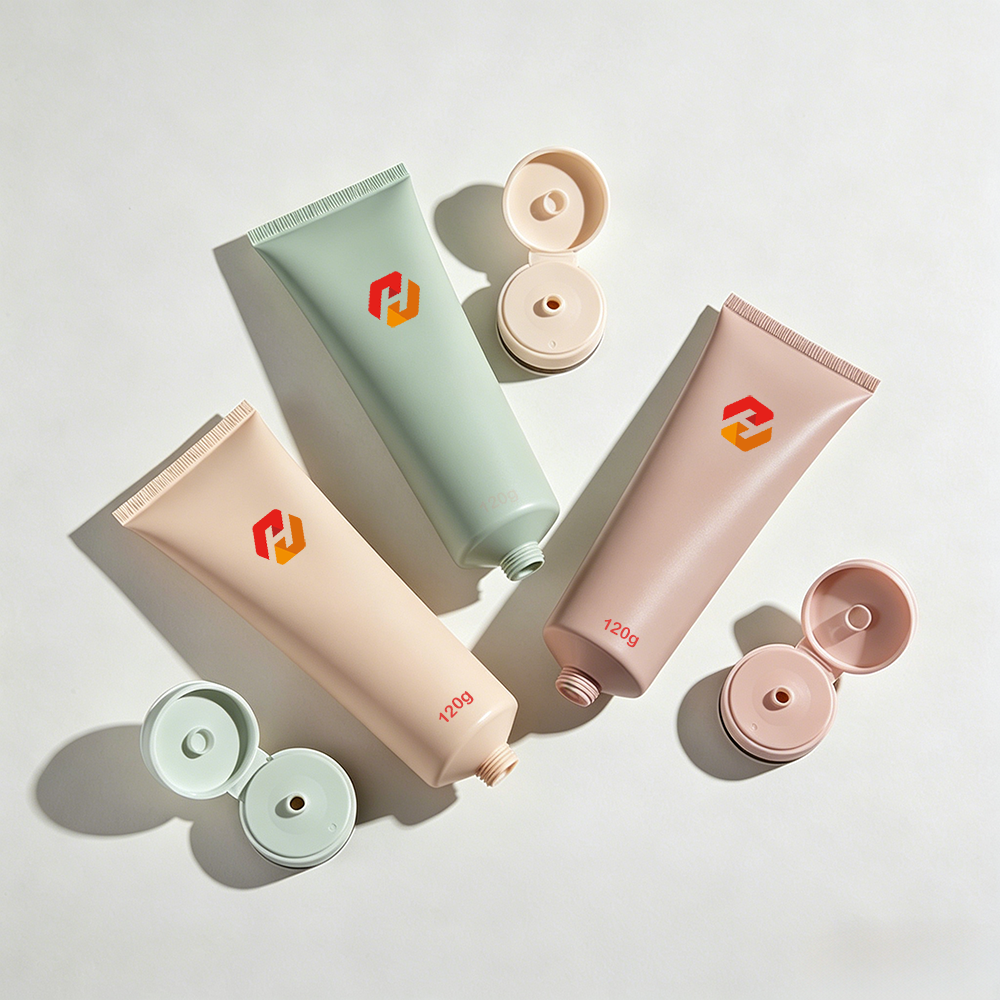
Extrusion molding is essential for producing flexible packaging. This method is the primary way to manufacture cosmetic tubes for cleansers. The plastic is pushed through a die to create a continuous shape.
The tubes are then cut to length and fitted with a shoulder. This process allows for seamless designs and various wall thicknesses. Extrusion is ideal for products that require controlled dispensing.
Advanced Surface Treatments and Decorative Finishes
The final appearance of a product is defined by its surface finish. This stage of cosmetic packaging manufacturing involves various decoration techniques. These finishes help a brand stand out on crowded retail shelves.
A well-finished product communicates quality and attention to detail. Decorative processes can range from simple printing to complex metallic coatings. Each method adds a unique aesthetic value to the container.
Manufacturers must ensure that these finishes are durable and resistant to scratching. The decorations must also be compatible with the product’s ingredients. Quality control during this phase is essential for brand consistency.
Screen Printing and Labeling Accuracy
Silk screen printing is a common method for applying crisp logos. It uses a mesh to transfer ink onto the container surface. This process is durable and offers vibrant color options for branding.
Automatic labeling machines can also apply stickers with extreme precision. This allows for detailed graphics and regulatory information to be included. Labeling is a cost-effective way to customize standard containers.
Hot Stamping and Metallization Techniques
Hot stamping adds a touch of luxury with metallic foils. It uses heat and pressure to bond gold or silver foil to the surface. This technique is often seen on premium skincare and perfume bottles.
Vacuum metallization gives a mirror-like finish to plastic parts. It involves evaporating metal in a vacuum chamber to coat the components. This process provides a high-end look without the weight of real metal.
Quality Assurance Standards and Final Inspections
Quality control is the final gatekeeper in the manufacturing chain. Reliable cosmetic packaging manufacturing depends on these rigorous final inspections. Every unit must meet the brand’s specific requirements before shipping.
Factories often follow ISO 9001 for quality management systems. They also adhere to ISO 22716 for Good Manufacturing Practices in cosmetics. These certifications ensure that the packaging is safe and reliable.
Advanced factories use AI-driven vision systems to detect microscopic defects. This technology increases the speed and accuracy of the inspection process. Consistency is the hallmark of a world-class manufacturing partner.
Physical Integrity and Leakage Tests
Inspectors perform vacuum leak tests to ensure airtight seals. They also conduct torque tests on caps to guarantee ease of opening. These tests ensure the product remains safe during transport and use.
Color Consistency and Aesthetic Standards
Color matching is verified under standardized lighting conditions. This ensures that every bottle in a batch looks identical. Any unit that fails these checks is diverted for recycling.
Choosing the Right Containers for Different Beauty Formulas?
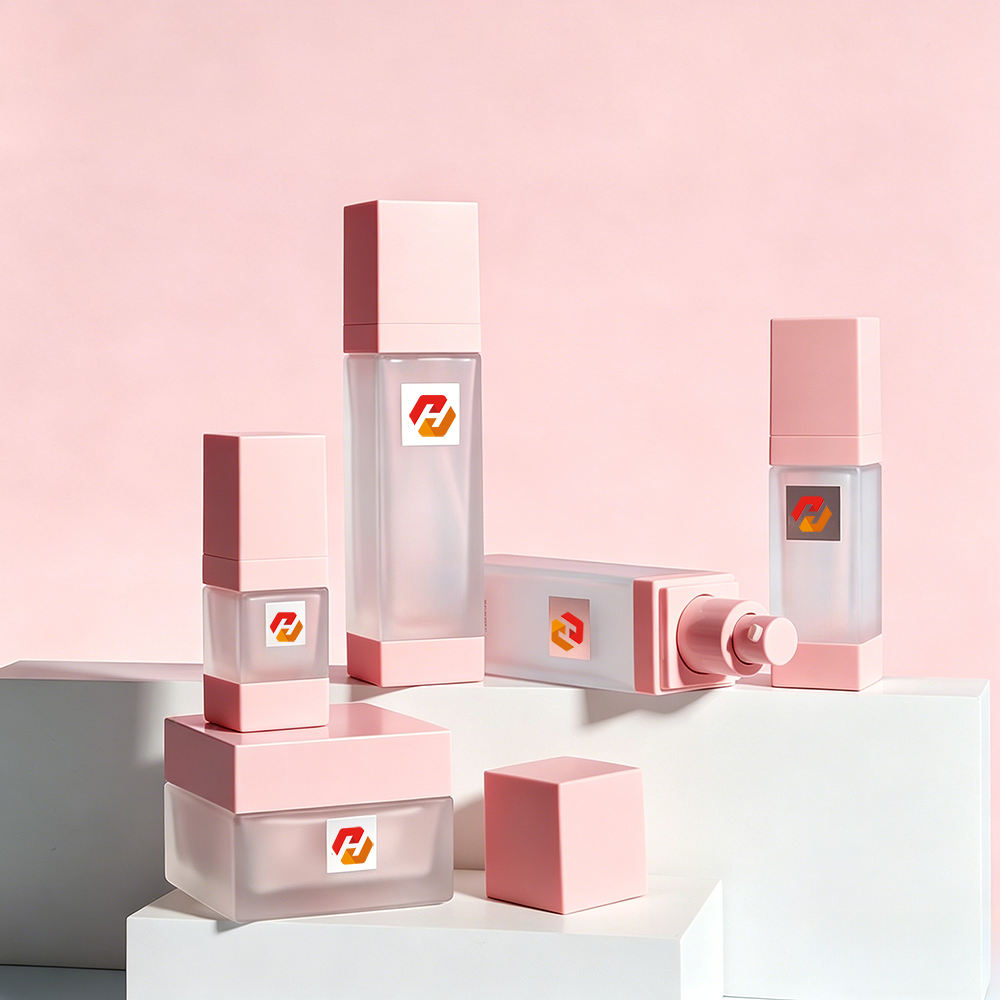
Choosing the right container requires a deep understanding of your product’s viscosity. Liquid foundations and thin toners perform best in cosmetic bottles with pumps. These dispensers control the flow and prevent messy spills for the user.
For thicker creams and masks, cosmetic jars offer the easiest access. Jars allow users to scoop out the desired amount of product effectively. They are ideal for high-viscosity formulas that do not pour easily.
If your product is a gel, cosmetic tubes provide a hygienic and portable solution. Tubes are excellent for controlled dispensing and are less likely to break. They offer a large surface area for branding and ingredient lists.
Evaluating the chemical compatibility between the formula and material is non-negotiable. Always request samples for compatibility testing before starting mass production. This proactive step prevents costly product recalls and ensures customer safety.
Summary
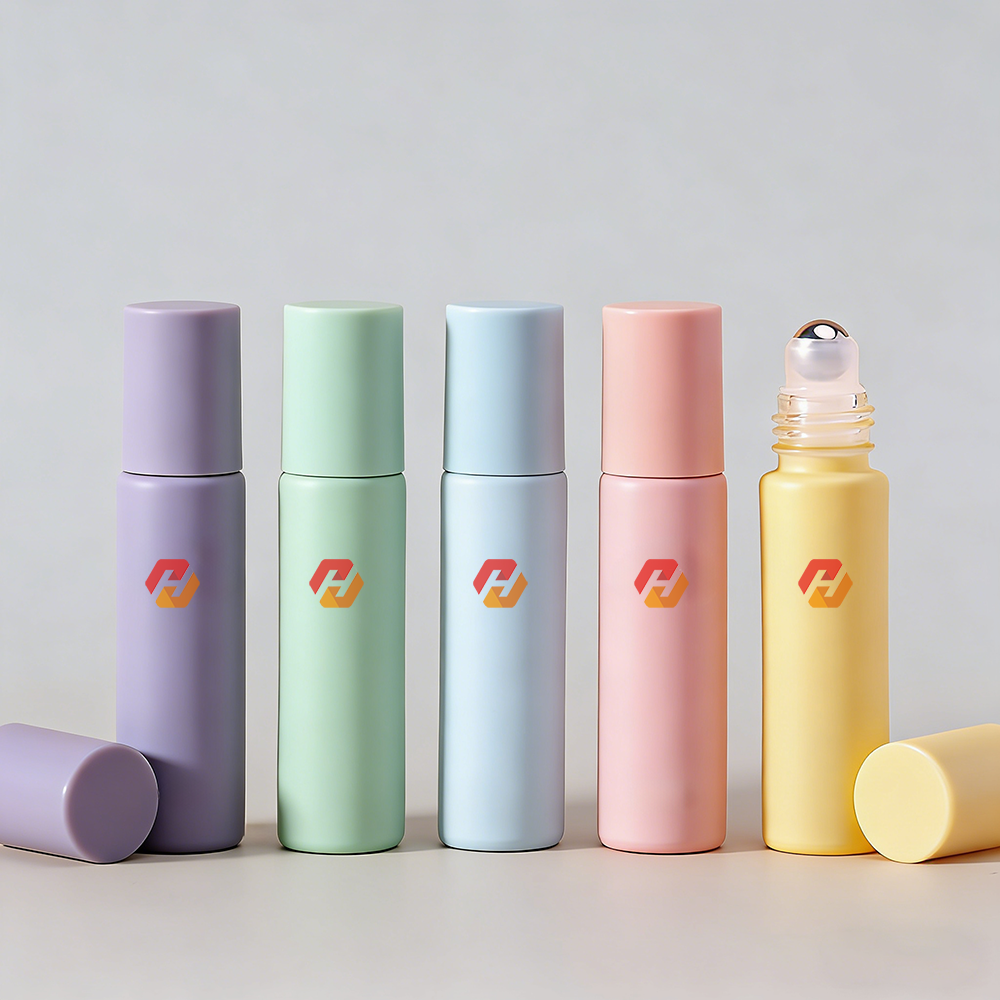
The cosmetic packaging manufacturing process is a complex journey from design to final inspection. It combines molding techniques with advanced finishing to create high-quality containers. Selecting the right partner ensures that your packaging protects both your formula and your brand reputation in 2026.
FAQ
1. What is the most common material used in cosmetic packaging manufacturing?
Plastic is the most common material due to its versatility and low cost. Specifically, PET and PP are widely used because they are durable and easily recyclable.
2. How do manufacturers ensure that cosmetic bottles do not leak?
Factories perform vacuum leak tests and pressure tests during the quality control stage. They also verify that the neck finish of the bottle perfectly matches the cap thread.
3. What is the difference between injection molding and blow molding?
Injection molding involves injecting molten plastic into a solid mold to create detailed parts like caps. Blow molding uses air to expand plastic inside a hollow mold to create bottles.
4. Why is chemical compatibility testing important in packaging?
Testing ensures that the ingredients in the formula do not react with the packaging material. This prevents leakage, discoloration, and the loss of product efficacy over time.
5. Can cosmetic packaging be made from recycled materials in 2026?
Yes, many manufacturers now offer Post-Consumer Recycled (PCR) plastics to support sustainability. These materials reduce the reliance on virgin plastics and lower the carbon footprint.
Reference Sources
Smithers The Future of Global Cosmetic Packaging to 2028
Grand View Research Cosmetic Packaging Market Size & Share Report
International Organization for Standardization ISO 22716 Cosmetics Good Manufacturing Practices
British Plastics Federation Packaging for Cosmetics and Personal Care
Glass Packaging Institute Benefits of Glass for the Beauty Industry