
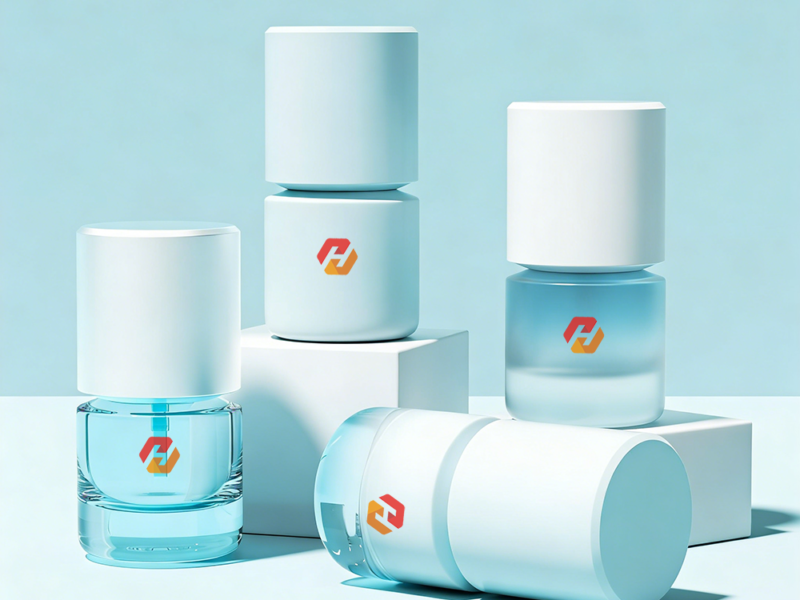
The first physical touchpoint between a consumer and a beauty product is the container. In the competitive landscape of 2026, visual appeal often determines the initial purchase. A professional cosmetic packaging design acts as a silent salesperson. It conveys the brand’s identity, quality, and values instantly.
Effective packaging does more than just hold a liquid or cream. It creates a sensory experience that begins the moment a customer sees it on a shelf. This experience continues through the unboxing and daily usage phases. High-quality materials signal to the user that the formula inside is premium and effective.
Strategic cosmetic packaging design helps a brand stand out in a saturated global market. With thousands of products launched every month, distinctiveness is a requirement for survival. Your choice of colors, textures, and shapes forms a lasting impression. This impression often dictates whether a customer will return for a second purchase.
How Does Cosmetic Packaging Design Influence Brand Perception?
Visual cues are processed by the brain much faster than written text or descriptions. When a customer sees a sleek, minimalist bottle, they associate it with modern luxury. Conversely, bright and bold designs suggest energy and accessibility for a younger audience. This psychological shortcut makes cosmetic packaging design an essential branding tool.
The Psychology of Colors and Finishes
Colors trigger specific emotional responses that can align with your marketing goals. For instance, gold or silver accents often denote prestige and high-end positioning. Green and earthy tones are frequently used to communicate natural or organic ingredients. In 2026, many brands use matte finishes to create a sophisticated and tactile feel.
The choice of finish can change how a customer perceives the product’s price. A soft-touch coating on a tube feels more expensive than a standard glossy surface. These small details contribute to the overall perceived value of the skincare line. When the packaging feels premium, the customer is more likely to trust the brand’s claims.
Building Professional Authority Through Design
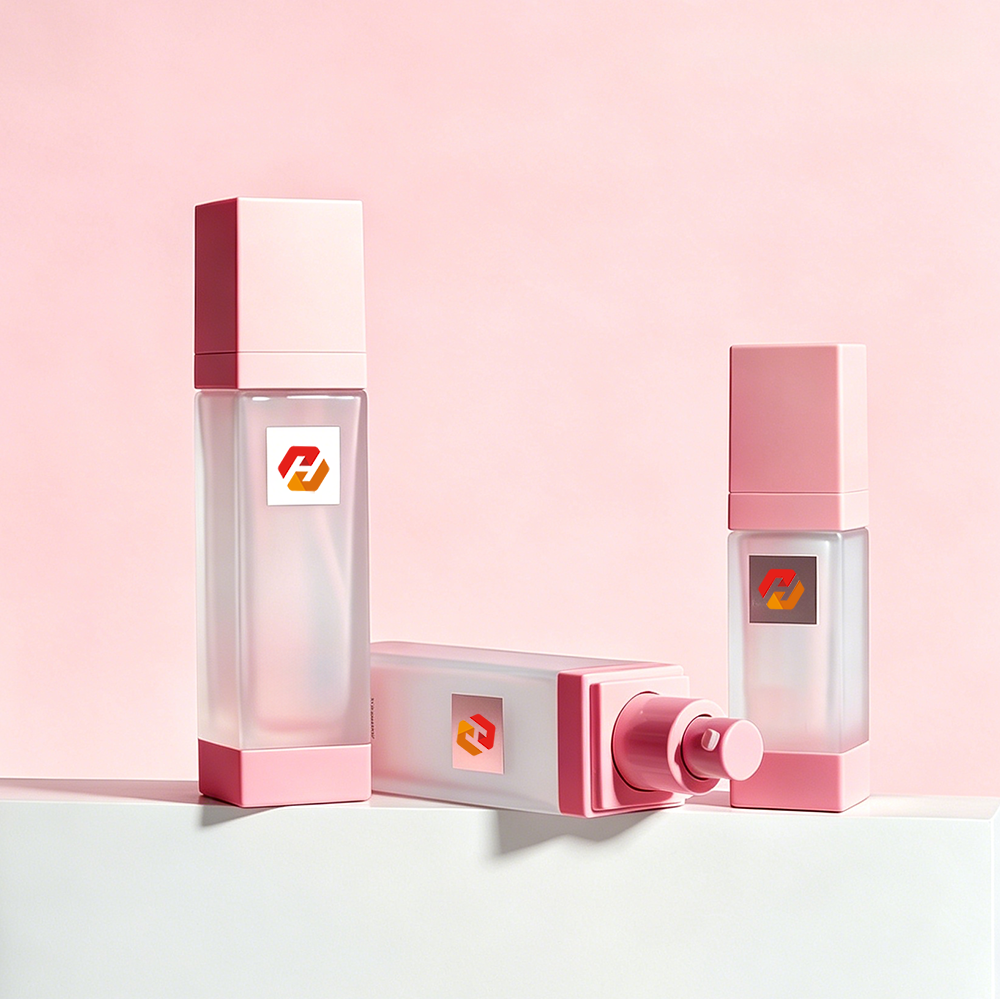
A cohesive look across all product lines establishes your brand as an industry authority. Using consistent caps, logos, and fonts makes your brand easily recognizable. This consistency builds a sense of stability and reliability in the mind of the consumer. It proves that the company pays attention to every detail of production.
Recent data from 2026 market surveys shows that 72% of shoppers judge a product by its appearance. If the packaging looks cheap or generic, users assume the formula is low-quality. Professional cosmetic packaging design prevents this negative bias before it starts. It validates the brand’s promise of providing high-quality beauty solutions to its target market.
| Design Element | Consumer Perception | Strategic Goal |
| Glass Material | Luxury & Purity | High-End Positioning |
| Airless Pump | Tech-Forward & Safe | Clinical Trust |
| Bright Patterns | Fun & Approachable | Gen Z Engagement |
| Recycled Plastic | Ethical & Responsible | Sustainability |
Why Does Functional Design Improve Customer Retention?
While aesthetics attract the customer, functionality is what keeps them coming back. A beautiful bottle that leaks or breaks is a failure of cosmetic packaging design. The container must be easy to open, hold, and use every single day. If the user experience is seamless, the customer develops a positive habit with the brand.
Protecting the Integrity of the Formula
The primary role of any container is to preserve the safety of its contents. Many modern skincare products contain active ingredients that are sensitive to light and air. Exposure to oxygen can lead to oxidation, making the product ineffective or even harmful. Proper cosmetic packaging design incorporates barriers that block these external environmental factors.
Using specialized cosmetic bottles with UV protection is essential for high-potency serums and oils. These bottles ensure that the product remains stable from the factory to the consumer’s bathroom. When the product delivers consistent results, customer loyalty increases significantly. Reliability is the foundation of long-term success in the competitive beauty industry.
Enhancing User Experience Through Innovation
Innovation in dispensing systems can provide a significant competitive advantage for a brand. Airless pumps are becoming the standard in 2026 for high-end lotions and facial treatments. These systems allow for precise dosing while preventing contamination from fingers or airborne particles. Such features show the brand cares about the hygiene and convenience of its users.
For many consumers, the portability of their beauty products is a major concern. Lightweight and durable cosmetic tubes are perfect for people with active, on-the-go lifestyles. These tubes offer a convenient way to carry sunscreen or hand cream without adding bulk. Providing different sizes and formats makes your brand adaptable to various customer needs.
The Role of Material Selection in Modern Branding
Choosing the right material is a fundamental step in the cosmetic packaging design process. The material must be compatible with the chemical composition of the skincare formula. It also needs to reflect the brand’s commitment to quality and environmental responsibility. In 2026, consumers are more aware than ever of the materials used in their products.
The Prestige and Purity of Glass Containers
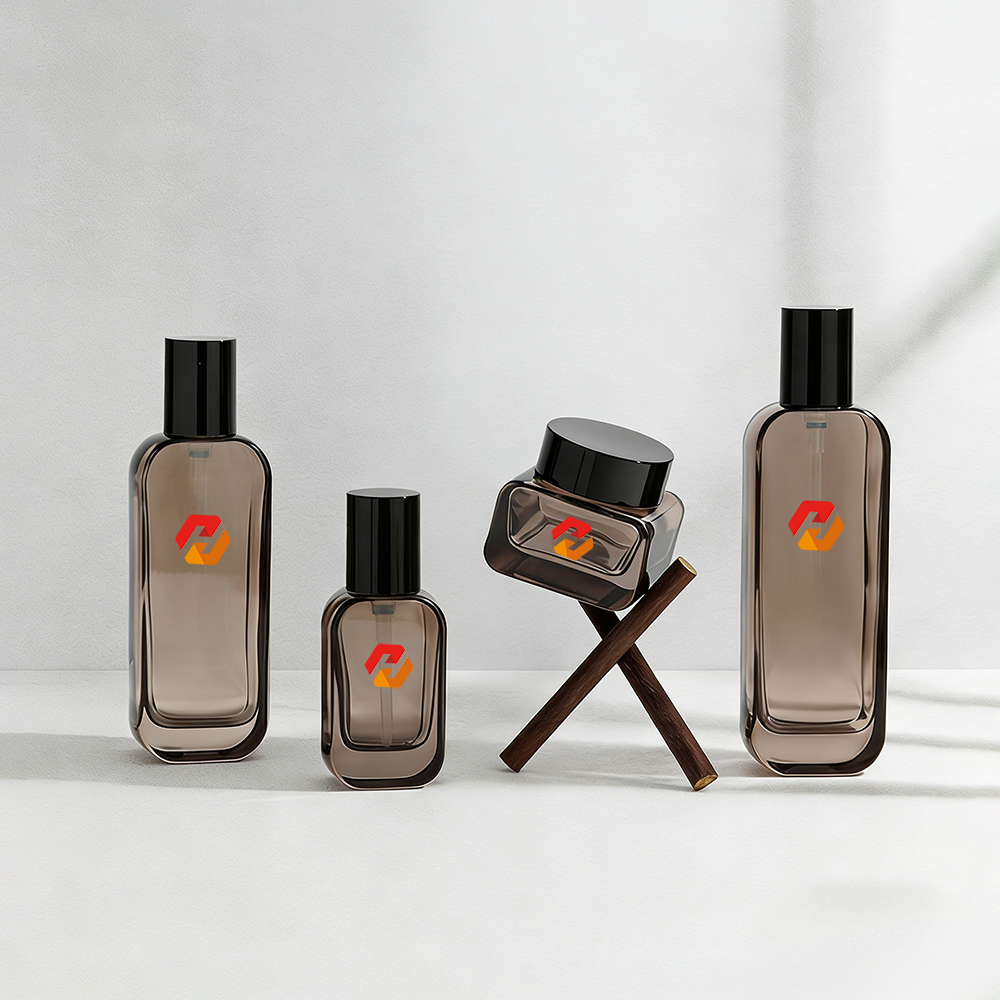
Glass is a traditional favorite for premium brands due to its non-reactive nature. It provides an excellent barrier against moisture and air, ensuring long-term product stability. Furthermore, the weight and transparency of glass offer a classic sense of luxury. Many high-end creams are housed in elegant cosmetic jars to emphasize their premium status.
Modern glass manufacturing has evolved to include more durable and lightweight options. Brands can now choose frosted, colored, or clear glass to match their aesthetic vision. Glass is also highly recyclable, which appeals to the growing segment of eco-conscious shoppers. This combination of beauty and sustainability makes it a top choice for luxury cosmetic packaging design.
The Versatility of Sustainable Plastics
Plastic remains a popular choice because it is versatile, durable, and cost-effective for shipping. However, the industry has shifted toward using Post-Consumer Recycled (PCR) plastics in 2026. This move reduces the carbon footprint and prevents virgin plastic from entering the environment. Using PCR shows that your brand is taking active steps toward a greener future.
High-quality plastics can be molded into various shapes that glass cannot easily replicate. This flexibility allows for unique cosmetic packaging design that catches the eye on retail shelves. Many brands use a mix of materials to balance cost and consumer perception. This strategic approach ensures the brand remains profitable while meeting modern market expectations.
Impact of Weight on Perceived Value
The physical weight of a container often correlates with how much a consumer is willing to pay. Heavier packaging is frequently perceived as more expensive and of higher quality. However, brands must balance this weight against the environmental impact of increased shipping emissions. Professional designers help brands find the “sweet spot” between weight and sustainability.
| Material Type | Sustainability Rating | Best Application |
| PET Plastic | Moderate | Cleansers, Shampoos |
| Borosilicate Glass | High | Essential Oils, Serums |
| Aluminum | Very High | Body Balms, Sprays |
| PCR Tubes | High | Lotions, Eye Creams |
Choosing the Best Containers for Your Different Beauty Products?
Selecting the right packaging requires a deep understanding of your product’s viscosity and use case. Thin liquids like toners need sprayers or restricted openings to prevent accidental spills and waste. Thicker substances like body butters are better suited for wide-mouth cosmetic jars for easy access. Matching the container to the formula is a hallmark of good cosmetic packaging design.
For products that require precision, such as eye serums, small droppers are highly effective. These allow the user to apply the exact amount needed without making a mess. Conversely, large-volume products like body lotions are most convenient in cosmetic bottles with high-output pumps. Ease of use directly impacts how often the customer will use the product.
Brands must also consider the shelf presence of their chosen container shapes. Tall, slender bottles can create a look of elegance and sophistication on a vanity. Flat or stackable containers might be better for retail environments where shelf space is limited. Every decision in the cosmetic packaging design process should serve both the brand and the end-user.
Portability is a growing trend as more people return to frequent travel in 2026. Offering travel-sized cosmetic tubes allows customers to take their favorite products anywhere. This not only increases brand visibility but also provides a low-cost entry point for new customers. Thoughtful packaging size options can help expand your brand’s reach significantly.
Ultimately, the choice of packaging should reinforce the brand’s core story and mission. If you are a medical-grade brand, your packaging should look clinical and high-tech. If you are an artisan brand, your packaging should feel handcrafted and unique. Working with an experienced supplier helps ensure that your visual identity remains consistent across all platforms.
Summary
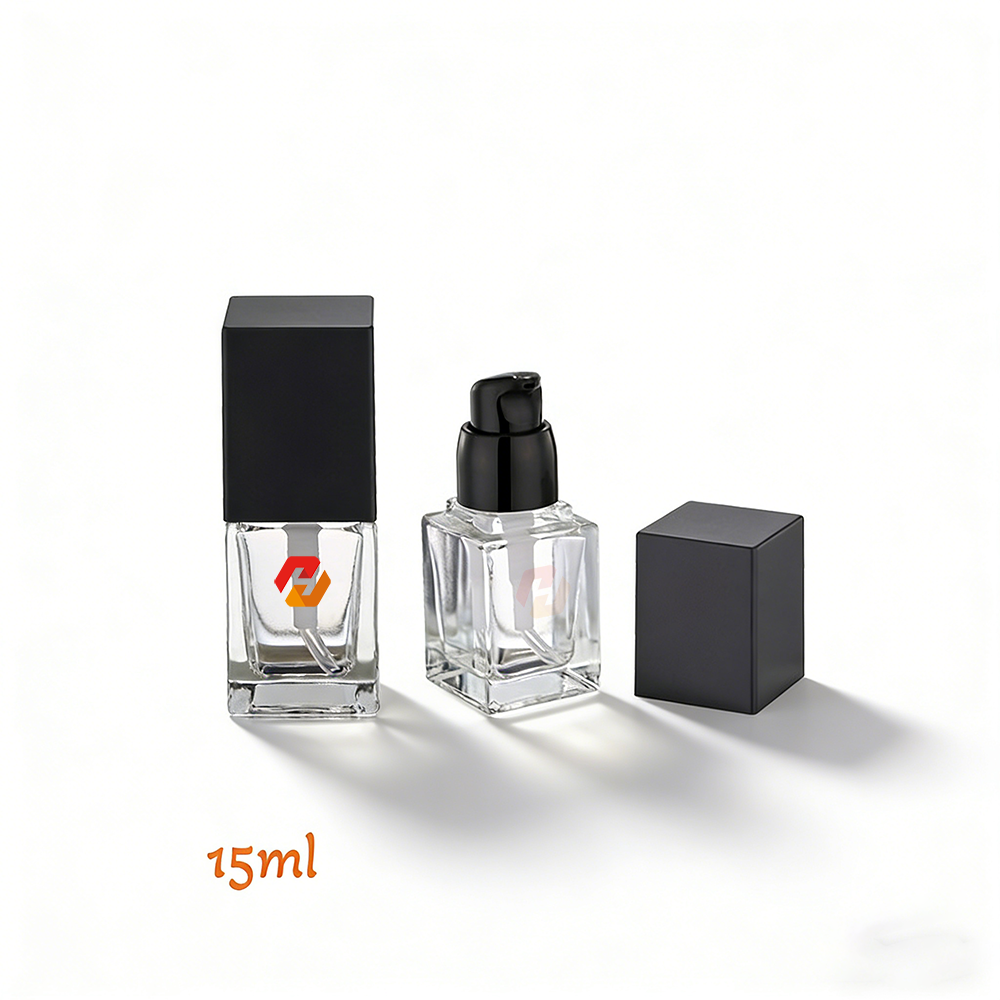
Professional cosmetic packaging design is the bridge between a formula and its potential customer. It creates a psychological connection through visual aesthetics and tactile quality while ensuring product safety. By choosing the right materials and functional features, brands can significantly increase consumer trust and long-term loyalty. Investing in high-quality packaging is a vital strategy for achieving market success in 2026.
FAQ
1. How does cosmetic packaging design influence a customer’s first impression?
First impressions are formed within seconds through visual elements like color, shape, and material quality. Professional design communicates the brand’s value and price point before the customer even reads the label. High-quality packaging suggests that the brand is reliable and the product is effective.
2. Why is sustainability a major factor in cosmetic packaging design for 2026?
Consumers are increasingly prioritizing environmental responsibility when choosing between different beauty brands. Using recyclable or recycled materials like glass and PCR plastic reduces environmental impact and builds brand ethics. Brands that adopt sustainable practices often see higher engagement from modern, conscious shoppers.
3. What are the benefits of using airless pump systems in skincare?
Airless pumps protect sensitive skincare formulas from oxidation by preventing any contact with external air. They also ensure nearly 100% product dispensing, which provides better value for the consumer. These systems are highly hygienic because they eliminate the need for users to dip their fingers into the product.
4. Should I choose glass or plastic for my new cosmetic line?
The choice depends on your brand’s positioning, product formula, and target price point. Glass offers a premium, non-reactive environment that is perfect for luxury serums and organic creams. Plastic is lighter and more durable, making it ideal for mass-market products and e-commerce shipping.
Reference Sources
Ipsos Group Consumer Behavior and Packaging Trends